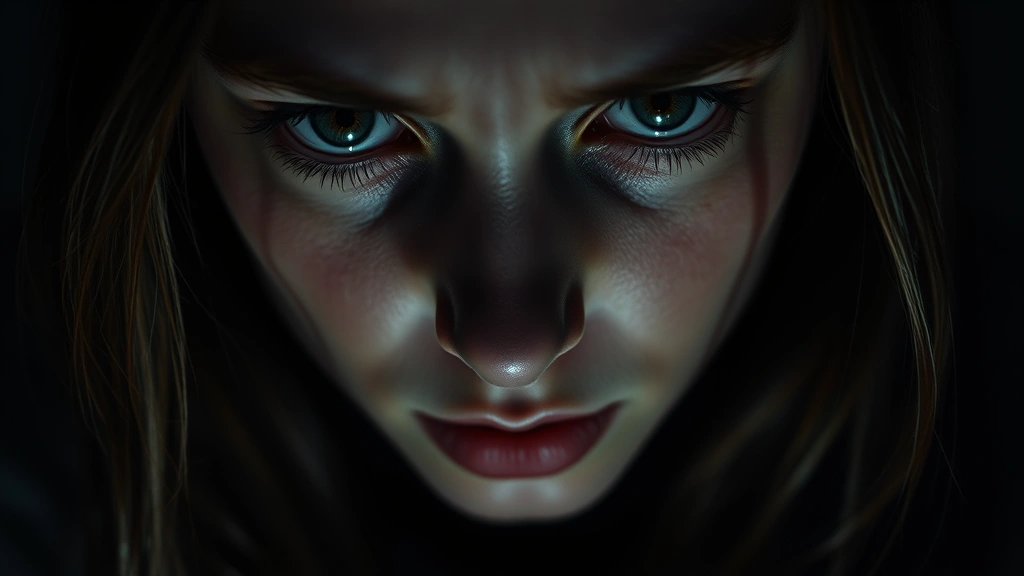
Is ‘Veronica’ Worth Watching? A Critic’s Deep Dive into the Haunting Spanish Horror Film
The 2017 Spanish horror film Veronica has quietly become one of the most discussed supernatural thrillers in modern cinema, particularly after gaining renewed attention through streaming platforms. Directed by Paco Plaza, this film presents a chilling narrative rooted in a true incident from Madrid’s history, blending psychological horror with genuinely unsettling imagery. For viewers considering whether to add this to their watchlist, understanding what makes Veronica tick—and what might make you want to turn it off—is essential before committing your evening.
This comprehensive review explores the film’s narrative structure, technical achievements, cultural significance, and whether it genuinely deserves a spot among the best movies available on streaming services. Whether you’re a horror enthusiast or someone who appreciates character-driven narratives, this analysis will help you determine if Veronica aligns with your entertainment preferences.
Plot Summary and Real-Life Inspiration
Veronica centers on a teenage girl named Veronica who, along with her friends, conducts a séance using a Ouija board during a solar eclipse. What begins as a seemingly harmless supernatural game quickly spirals into a nightmare when mysterious and inexplicable events begin occurring around her. The film draws inspiration from the true story of a Madrid teenager whose disturbing behavior in the 1990s was attributed to demonic possession, lending an unsettling authenticity to the narrative.
The brilliance of the film lies in how it gradually escalates from seemingly coincidental occurrences to undeniable supernatural phenomena. Veronica’s family—particularly her younger siblings and ailing mother—become entangled in the escalating chaos, forcing viewers to witness the psychological and physical toll of what may or may not be genuine supernatural activity. This ambiguity between psychological breakdown and actual paranormal events creates a tension that persists throughout the runtime, keeping audiences uncertain about what’s genuinely happening versus what exists in Veronica’s deteriorating mind.
If you’re interested in exploring more contemporary horror offerings, check out our guide to upcoming horror movies in 2025 for additional recommendations.
Directorial Vision and Technical Execution
Paco Plaza’s directorial approach transforms what could have been a standard possession narrative into something far more methodical and psychologically complex. His use of long takes, natural lighting, and handheld camera work creates an immediacy that places viewers directly into Veronica’s deteriorating reality. The technical choices aren’t flashy—they’re deliberately restrained, which paradoxically makes the film far more effective than jump-scare-laden alternatives.
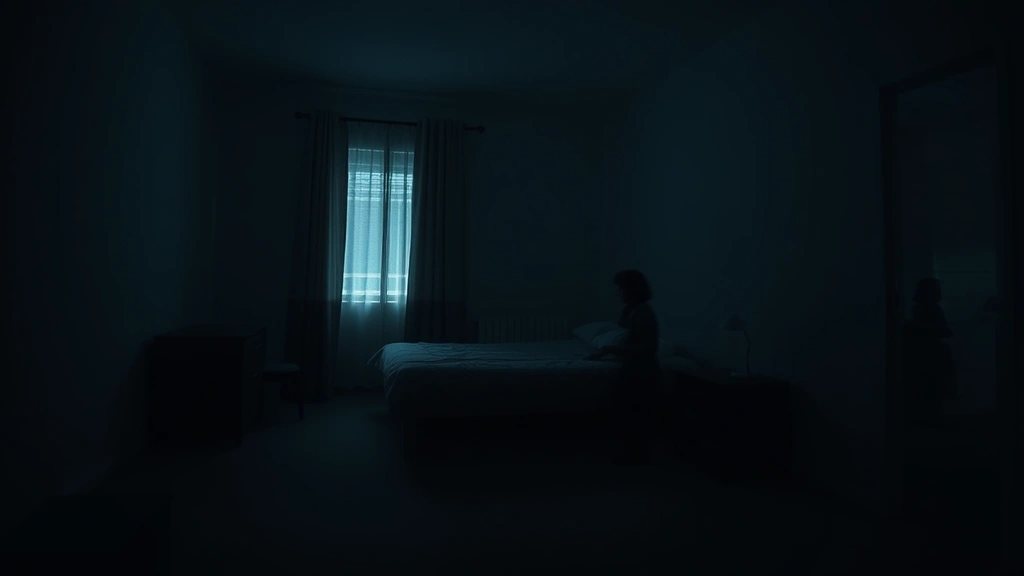
The cinematography employs predominantly cool color palettes and shadowy compositions that reinforce the film’s oppressive atmosphere. Plaza avoids obvious scares in favor of building dread through visual storytelling, allowing scenes to breathe and tension to accumulate naturally. The sound design deserves particular praise, with ambient noise, silence, and selective use of music creating an audio landscape that’s equally unsettling as the visual elements. These technical decisions demonstrate a filmmaker confident enough to trust his audience’s intelligence rather than relying on cheap tricks.
The editing rhythm mirrors Veronica’s psychological state, beginning with conventional pacing before gradually becoming more disorienting and fractured as her condition worsens. This technical progression mirrors the narrative’s emotional arc, creating a cohesive artistic statement rather than a collection of scares strung together.
Performance Quality and Character Development
Sandra Escacena delivers a performance that anchors the entire film, portraying Veronica with a vulnerability that makes her descent genuinely tragic rather than merely grotesque. She captures the character’s initial teenage confidence, growing confusion, and ultimate desperation with remarkable nuance, never allowing the role to devolve into caricature despite the increasingly extreme circumstances surrounding her character.
The supporting cast, including Consuelo Osorio as Veronica’s mother and Ángel Alegre as the family priest, contribute significantly to the film’s emotional weight. These aren’t stock characters filling predetermined roles—they’re fully realized people responding authentically to an impossible situation. The family dynamics feel genuine, with sibling relationships and parental concern portrayed with affecting realism. This grounding in character-driven storytelling elevates Veronica beyond typical genre fare into something approaching legitimate psychological drama.
For those interested in understanding the craft of film criticism and performance analysis, our resource on how to become a film critic provides valuable insights into evaluating acting and directorial choices.
Horror Elements and Atmospheric Tension
Veronica operates in a different register than contemporary American horror films. Rather than relying on orchestrated scares and escalating violence, the film cultivates a creeping sense of wrongness that permeates every scene. The horror emerges from the inexplicable nature of events—objects moving without explanation, physical manifestations of psychological distress, and the gradual realization that conventional solutions won’t resolve the crisis.
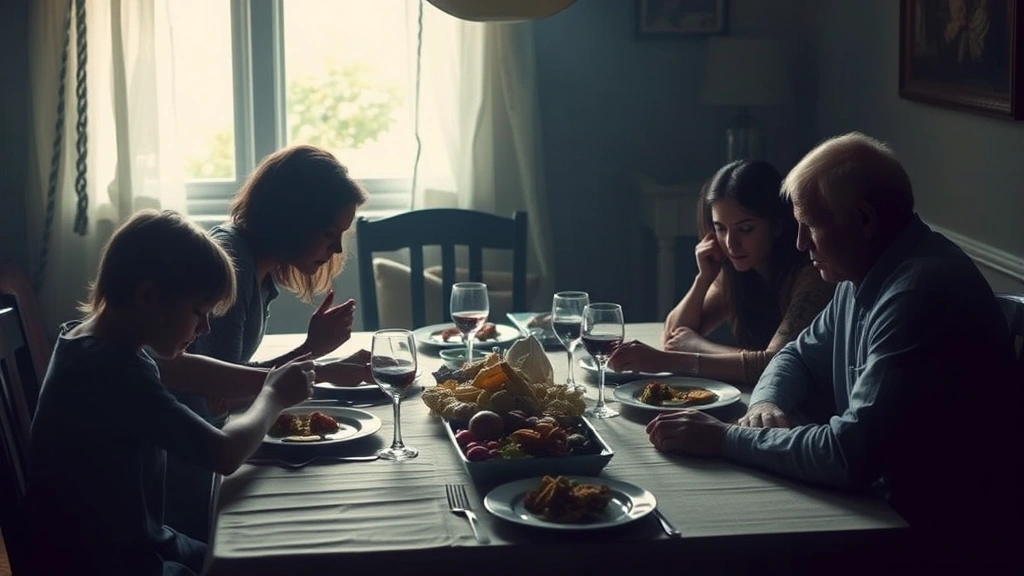
The most effective horror sequences involve minimal special effects, instead utilizing performance, cinematography, and sound to create discomfort. A scene where Veronica’s behavior becomes increasingly erratic during a family meal generates more genuine unease than most contemporary possession films achieve through elaborate set pieces. The restraint shown throughout demonstrates that psychological horror rooted in character and atmosphere consistently outperforms visceral shocks in creating lasting impact.
The film doesn’t shy away from disturbing imagery, but these moments feel earned rather than gratuitous. Body horror elements serve narrative purposes, illustrating the physical manifestation of psychological or supernatural trauma rather than existing for shock value alone. This disciplined approach to depicting violence and bodily transgression distinguishes Veronica from exploitation-adjacent horror that prioritizes sensation over substance.
Cultural Context and Critical Reception
Understanding Veronica‘s cultural significance requires acknowledging its Spanish origins and the specific historical incident inspiring the narrative. The film operates within a European art-house horror tradition that prioritizes mood and psychological complexity over American genre conventions. This cultural positioning explains why some viewers find the film revelatory while others expect more conventional scares and spectacle.
Critical reception has been remarkably positive, with film critics praising the movie’s artistic ambition and refusal to follow predictable possession-narrative formulas. The film achieved particular recognition following its Netflix release, introducing it to audiences beyond traditional horror communities. According to critical aggregators, Veronica maintains strong approval ratings among professional reviewers, though audience reactions vary more significantly based on individual tolerance for slow-burn horror and ambiguous narratives.
The film’s exploration of how institutional structures—family, religion, medical establishment—fail individuals in crisis resonates across cultural contexts. This thematic depth contributes to its enduring relevance and continued discussion among film communities. For more perspective on contemporary film criticism, explore our guide to the best movie review sites for additional critical voices.
Pacing, Runtime, and Viewer Accessibility
At 105 minutes, Veronica maintains a measured pace that some viewers will find meditative and others may experience as deliberately slow. The runtime serves the film’s artistic vision—there’s no unnecessary padding, but neither does the narrative rush toward resolution. This pacing demands active engagement rather than passive consumption, which significantly impacts accessibility depending on viewer preferences and attention span.
The opening sequences establish tone and character relationships methodically, requiring patience before supernatural elements intensify. This gradual escalation proves effective for those willing to invest in the film’s rhythm, but viewers accustomed to faster-paced narratives may find the early sections tedious. Understanding this pacing characteristic before watching helps set appropriate expectations and enhances overall viewing experience.
The film’s accessibility also depends on language considerations—as a Spanish-language production with English subtitles in most versions, viewers must engage with reading subtitles throughout. For some audiences, this adds an additional layer of attention required; for others, it enhances the immersive quality of the experience. Neither approach is objectively superior, but awareness of this element influences whether the film suits particular viewing contexts.
Comparative Analysis with Similar Films
Veronica exists within a rich tradition of European horror cinema and contemporary possession narratives. Compared to American possession films like The Exorcist or recent entries like The Last Exorcism, Veronica prioritizes psychological realism and atmospheric dread over supernatural spectacle. This distinction doesn’t make it objectively superior—it represents a different artistic approach with distinct strengths and limitations.
The film shares thematic concerns with The Wailing (Korean cinema) and Let the Right One In (Scandinavian horror), particularly in how these films use genre frameworks to explore human relationships under extraordinary circumstances. Like these comparisons, Veronica transcends pure genre classification, functioning simultaneously as horror film, family drama, and psychological thriller. This hybrid nature appeals to audiences seeking substance alongside scares while potentially disappointing those specifically seeking traditional horror entertainment.
When considering Veronica alongside contemporary films available through various platforms, it occupies a unique space—too disturbing for mainstream family viewing, yet too character-focused for pure genre enthusiasts. This positioning explains its dedicated cult following and strong critical appreciation despite not achieving blockbuster status.
Final Verdict: Is It Worth Your Time?
The answer to whether Veronica deserves your viewing time depends entirely on your entertainment preferences and tolerance for specific horror subgenres. For viewers who appreciate psychological complexity, atmospheric tension, and films that trust audience intelligence, Veronica absolutely merits your attention. The film represents thoughtful, artistic horror cinema executed with technical competence and emotional authenticity.
Conversely, if you primarily seek entertaining scares, action-driven narratives, or conventional genre satisfaction, Veronica may frustrate rather than satisfy. The film’s refusal to provide clear supernatural explanations or traditional resolution won’t appeal to audiences seeking definitive answers and reassuring conclusions. This isn’t a weakness—it’s an intentional artistic choice that defines the film’s thematic concerns about uncertainty and the limits of human comprehension.
The practical recommendation: watch Veronica if you enjoy contemporary art-house cinema and thoughtful genre exploration, have patience for slow-burn narratives, and appreciate films that linger psychologically rather than provide immediate gratification. Avoid it if you prefer straightforward entertainment, rapid pacing, or clear narrative resolution. This isn’t a film for everyone—but for the right audience, it represents some of the most effective horror cinema produced in recent years.
FAQ
Is Veronica a true story?
Veronica draws inspiration from a real 1990s incident involving a Madrid teenager, though the film takes significant creative liberties with the actual events. The movie uses the historical incident as a foundation while constructing a fictional narrative that explores themes of psychological distress and institutional failure. The real-life case involved unexplained phenomena that remain subjects of debate regarding psychological versus supernatural explanations.
What age rating does Veronica have?
The film carries an R rating in the United States due to disturbing images and language. Most international ratings classify it similarly—appropriate for mature audiences but not recommended for young viewers. The psychological intensity and occasional body horror elements justify these classifications, making it essential to research specific content warnings before viewing if you have particular sensitivities.
Is Veronica available on streaming platforms?
Yes, Veronica is available on Netflix in most regions and has been released through various streaming services and digital purchase platforms. Availability varies by geographic location and changes periodically, so checking your local streaming services is recommended. The film’s Netflix availability significantly contributed to its contemporary recognition and ongoing discussion within online film communities.
Does Veronica explain what’s happening to her?
The film deliberately maintains ambiguity regarding whether Veronica’s experiences are supernatural, psychological, or some combination thereof. This refusal to provide definitive explanation is intentional and central to the film’s thematic concerns. Viewers seeking clear supernatural validation or psychological diagnosis won’t find explicit confirmation, which some experience as frustrating and others find artistically sophisticated.
How does Veronica compare to The Exorcist?
Veronica operates in a fundamentally different register than The Exorcist. While both films involve possession narratives, The Exorcist presents a traditional supernatural conflict with clear antagonists and resolution attempts, whereas Veronica prioritizes psychological realism and ambiguity. Veronica is more character-focused and less interested in spectacle, representing a contemporary European approach to possession narratives rather than the American blockbuster model.


