
Eddie Murphy’s “Life”: A Classic Comedy Review
Eddie Murphy’s 1999 film Life stands as a masterclass in buddy comedy filmmaking, pairing Murphy with Martin Lawrence in a narrative that transcends typical genre conventions. Directed by Ted Demme, this film explores themes of friendship, redemption, and resilience against the backdrop of a prison setting that could have easily become predictable. Instead, what emerges is a surprisingly poignant examination of how two strangers become brothers through shared adversity, all while maintaining the comedic timing both leads are celebrated for.
The film’s enduring appeal lies in its balance between laugh-out-loud moments and genuine emotional depth. Murphy and Lawrence create chemistry that feels authentic, allowing audiences to invest in their characters’ journey from antagonistic cellmates to devoted friends. As digital media platforms continue to resurface classic comedies for new audiences, Life demonstrates why certain films transcend their release dates to become cultural touchstones that remain relevant decades later.

Plot Overview and Setting
Life opens in 1932 Harlem, where two men—Claude Banks (Eddie Murphy) and Ray Gibson (Martin Lawrence)—meet under unfortunate circumstances. A case of mistaken identity and a setup by corrupt law enforcement lands both men in prison for a crime they didn’t commit. What makes this premise work is the film’s commitment to showing the passage of time; we witness decades unfold within the prison walls, creating a narrative arc that feels both intimate and epic in scope.
The prison setting serves multiple purposes beyond mere backdrop. It becomes a character itself, representing the systemic injustices that both men must navigate. The film doesn’t shy away from depicting the harsh realities of incarceration while simultaneously finding moments of levity that prevent the tone from becoming relentlessly bleak. This tonal balance is crucial to why Life distinguishes itself from other prison comedies that often lean too heavily into either darkness or frivolity.
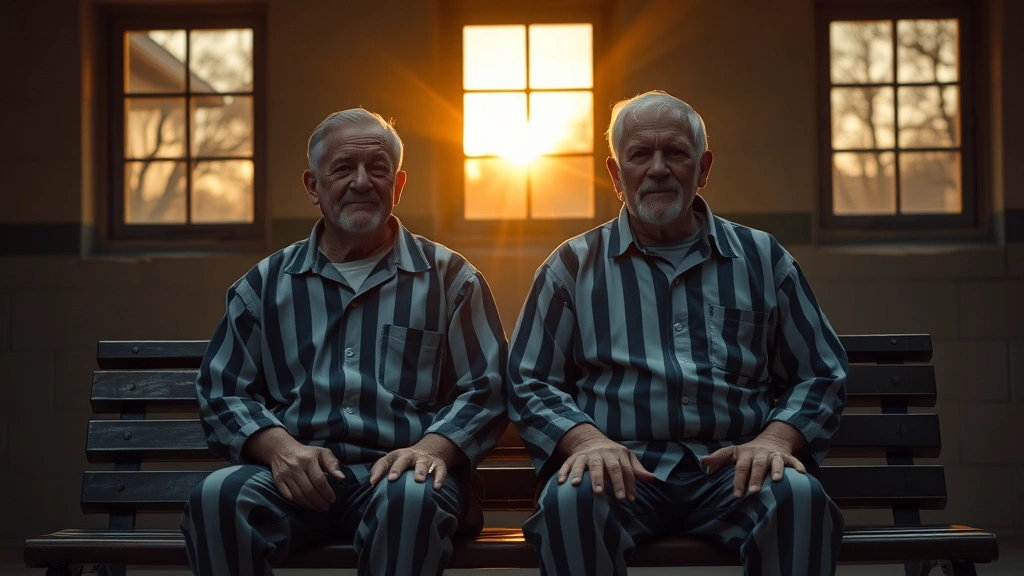
As Murphy and Lawrence’s characters age throughout the film, audiences witness their transformation from young men full of anger and resentment to older gentlemen who have found meaning in their friendship. The narrative structure itself becomes a meditation on how relationships can sustain us through the longest, most difficult circumstances. This approach to storytelling reflects a broader trend in contemporary cinema toward more complex emotional narratives within comedy frameworks, as discussed in our guide to famous movie quotes that define character arcs.
Character Development and Performance
Eddie Murphy’s portrayal of Claude Banks showcases a different dimension of his comedic abilities compared to his earlier work. While Murphy is known for high-energy, improvisational comedy, Life demands subtlety and restraint. His performance demonstrates range—he can deliver sharp one-liners while simultaneously conveying the emotional weight of a man spending decades in prison for a crime he didn’t commit. Murphy’s ability to modulate between humor and pathos becomes the emotional core of the film.
Martin Lawrence’s Ray Gibson complements Murphy’s performance perfectly. Lawrence brings his own comedic sensibility to the role, but the character also functions as the moral compass of the narrative. Ray’s unwavering optimism and faith, contrasted with Claude’s initial cynicism, creates a dynamic tension that drives the story forward. The chemistry between these two performers feels genuine, suggesting a level of collaboration that extends beyond standard script work.
The supporting cast deserves recognition as well. Characters like the prison warden and various inmates create a fully realized ecosystem within the prison walls. These secondary characters prevent the film from becoming a two-character play, instead creating a rich ensemble that reflects the complexity of prison life. The performances across the board suggest that director Ted Demme fostered an environment where actors could bring depth to roles that might otherwise have been archetypal.
For those interested in understanding character development in film, our resource on becoming a film critic explores how to analyze performance nuance and character arcs effectively.
Comedy Elements and Timing
The comedic elements in Life emerge organically from character and situation rather than relying on external gags or forced humor. Murphy and Lawrence have extensive experience in stand-up comedy, and this background manifests in their ability to find humor within dramatic moments. A conversation about prison food becomes a riff on systemic inadequacy; a discussion about aging becomes a meditation on mortality that lands unexpected laughs.
The film’s comedy often derives from the contrast between the characters’ personalities. Claude’s sardonic observations clash with Ray’s earnest perspective, creating comedic friction that feels natural to their relationship. This approach to humor—rooted in character dynamics rather than plot mechanics—represents a sophisticated understanding of what makes comedy resonate emotionally with audiences.
Timing becomes absolutely critical in scenes where serious and comedic moments intersect. The film’s editor and director demonstrate masterful control over pacing, knowing exactly when to hold on a moment for comedic effect and when to transition to emotional beats. This technical precision elevates the comedy beyond simple joke delivery to something more integrated with the film’s thematic concerns. Research from Pew Research Center on media consumption patterns shows that audiences increasingly appreciate comedies with emotional depth, suggesting that films like Life align with evolving viewer preferences.
Themes of Friendship and Redemption
At its core, Life explores how friendship functions as a redemptive force. Claude and Ray don’t choose each other—circumstance forces them together. Yet over decades, they forge a bond that becomes more meaningful than biological family relationships. The film suggests that the connections we create through shared adversity often prove deeper than those formed through circumstance or obligation.
Redemption operates on multiple levels throughout the narrative. There’s the obvious legal redemption the men seek—exoneration for a crime they didn’t commit. But there’s also the personal redemption that comes from transcending bitterness and choosing hope despite overwhelming circumstances. Ray’s character embodies this spiritual redemption, while Claude’s journey involves learning to trust in human connection again.
The film’s treatment of redemption avoids sentimentality through its commitment to realism. The men don’t suddenly find salvation or experience miraculous transformations. Instead, they slowly learn to find meaning in small moments—a shared meal, a conversation, a moment of genuine laughter. This approach to redemptive narrative feels earned rather than manipulative.
For those exploring themes across multiple films, our comprehensive guide to movie review sites provides resources for deeper critical analysis of thematic elements in cinema.
Cultural Impact and Legacy
Since its 1999 release, Life has maintained a devoted following, with audiences regularly revisiting the film across various media platforms. The rise of streaming services has introduced the film to new generations, allowing contemporary viewers to discover this comedy gem without the constraints of theatrical or broadcast schedules. This accessibility has contributed to the film’s status as a modern classic within the comedy genre.
The film’s exploration of systemic injustice within the American legal system resonates differently in contemporary contexts. What might have been viewed primarily as entertainment in 1999 now operates as a commentary on criminal justice reform, wrongful convictions, and the human cost of systemic failures. This added layer of relevance demonstrates how films can gain new meaning as cultural conversations evolve.
Eddie Murphy’s career trajectory since Life has included both critical successes and commercial disappointments, but this film remains a high point in his filmography. It demonstrates his capacity to anchor a narrative-driven comedy while maintaining the charisma audiences expect from him. The film’s success contributed to the broader recognition that Murphy could excel in dramatic comedies that balanced entertainment with substance.
Digital media outlets and entertainment journalism have continued to reference Life when discussing buddy comedies, prison narratives, and Eddie Murphy’s career. Academic studies of comedy film have also examined how Life functions as a case study in tonal balance and character-driven humor. For comprehensive analysis of film criticism and media trends, The Hollywood Reporter provides ongoing industry perspectives.
Technical Filmmaking Aspects
Director Ted Demme’s approach to visual storytelling in Life emphasizes clarity and emotional authenticity over stylistic flourishes. The cinematography reflects the prison environment without becoming oppressively dark or overly stylized. This restraint in visual approach allows performances and dialogue to remain the primary focus, which serves the film’s character-driven narrative structure.
The film’s production design creates distinct visual periods as decades pass. Changes in fashion, decor, and prison infrastructure communicate the passage of time without requiring explicit exposition. This attention to detail in production design enriches the viewing experience, making the temporal progression feel organic rather than jarring.
The score complements rather than dominates the emotional landscape. Music serves specific moments rather than constantly underscoring the action, which allows comedy and drama to breathe naturally. This restraint reflects an understanding that sometimes the most powerful moments emerge from silence or ambient sound rather than orchestral accompaniment.
Editing plays a crucial role in maintaining the film’s tonal balance. Transitions between comedic and dramatic moments feel seamless, suggesting careful planning during both shooting and post-production. The pacing ensures that the film never feels overly long despite covering decades of narrative time. For those interested in understanding filmmaking craft, our ScreenVibe Daily Blog regularly explores technical aspects of cinema.
Research from American Cinematheque archives indicate that films balancing comedy and drama require particularly meticulous technical execution, which Life demonstrates consistently throughout its runtime.
FAQ
Is “Life” based on a true story?
Life draws inspiration from true cases of wrongful conviction, though the specific characters and narrative are fictional. The film’s exploration of systemic injustice reflects real patterns in the American legal system, giving it an authenticity that transcends its fictional framework.
What makes Eddie Murphy and Martin Lawrence’s chemistry work so well?
Both performers come from stand-up comedy backgrounds, giving them natural comedic timing and improvisational skills. Their contrasting personality types create organic comedic friction while allowing genuine emotional connection to develop throughout the narrative.
How does “Life” differ from other prison comedies?
Life prioritizes character and relationship development over plot mechanics or situational humor. The film’s willingness to engage seriously with themes of injustice and friendship while maintaining comedy distinguishes it from comedies that treat prison primarily as a comedic setting.
Why has “Life” maintained relevance since 1999?
The film’s exploration of wrongful conviction, systemic racism, and human resilience remains relevant to contemporary discussions about criminal justice reform. Additionally, the emotional core of the friendship narrative transcends specific historical moments, allowing new audiences to connect with the material.
Where can I find critical analysis of “Life”?
Our guide to films with strong source material and adaptation discusses various critical approaches, and entertainment journalism archives contain extensive reviews and retrospectives examining Life‘s place in comedy cinema.
How does the film’s ending address its redemptive themes?
The conclusion validates the men’s friendship as their ultimate redemption, suggesting that human connection and loyalty matter more than external circumstances. This thematic resolution reinforces the film’s central message about finding meaning through relationship rather than achievement.