Ultimate Horror Franchises: Fan Favorites Analyzed
Horror franchises have become a cultural phenomenon, generating billions in revenue while creating iconic characters that haunt audiences for generations. From masked killers to supernatural entities, these series have defined the genre and influenced countless filmmakers. What makes certain horror franchises transcend their initial films to become beloved institutions? The answer lies in a combination of innovative storytelling, memorable antagonists, and the ability to evolve while maintaining core elements that fans cherish.
The landscape of horror franchises has dramatically shifted over the past two decades. Where once sequels were viewed as cash grabs, today’s horror franchises are carefully constructed universes with interconnected narratives, expanded lore, and sophisticated fan engagement strategies. Modern audiences expect franchise entries to respect continuity while pushing creative boundaries, a challenge that separates the enduring franchises from forgotten failures.
The Evolution of Horror Franchises in Modern Cinema
Horror franchises occupy a unique position in cinema. Unlike action or superhero franchises that rely on spectacle and expanding budgets, horror franchises often thrive on intimate storytelling and psychological tension. The genre’s ability to explore contemporary anxieties—whether social, political, or personal—keeps franchises relevant across decades.
The modern horror franchise emerged in the 1970s and 1980s, with films like The Exorcist and Jaws proving that horror could generate massive box office returns. However, the template for successful franchises came from slasher films, which offered repeatable narratives and iconic villains. These early franchises discovered something crucial: audiences would return repeatedly to see their favorite killers in new scenarios.
Today’s horror franchises benefit from sophisticated marketing, transmedia storytelling, and streaming platforms that have given older franchises new life. Fans can now access complete franchise histories on demand, creating opportunities for both newcomers and longtime devotees to engage with these universes. The availability of streaming content has fundamentally changed how horror franchises build and maintain audiences.
According to Pew Research Center studies on media consumption, horror content shows consistent engagement patterns, with franchise films performing particularly well during specific seasons. This cyclical viewing pattern has made horror franchises economically predictable, encouraging studios to invest in long-term franchise development rather than one-off horror films.
The Slasher Titans: Friday the 13th and Halloween
No discussion of horror franchises is complete without examining the two titans that defined slasher cinema: Friday the 13th and Halloween. These franchises didn’t just succeed commercially; they fundamentally shaped audience expectations for what horror films could be.
Halloween (1978) established the template that countless franchises would follow. Director John Carpenter created Michael Myers, a silent, unstoppable killer whose motivation remained deliberately ambiguous. This simplicity proved genius—Myers became an archetype that transcended any single film. The franchise’s longevity stems from its willingness to occasionally reinvent itself while maintaining Myers’ essential nature. The recent trilogy beginning with 2018’s Halloween demonstrated that audiences would embrace new interpretations if they respected the character’s core appeal.
Friday the 13th took a different approach, building its mythology around a specific location—Camp Crystal Lake—and a killer whose backstory became increasingly elaborate across sequels. Jason Voorhees evolved from a minor character in the original film to an unstoppable supernatural force. The franchise’s twelve theatrical entries created an expansive mythology that fans could debate and analyze for decades. While the franchise has struggled to maintain theatrical relevance, fan communities continue engaging with its legacy.
Both franchises faced similar challenges in the 2000s: declining box office returns, creative exhaustion, and audience fatigue. Their responses differed significantly. Halloween eventually rebooted successfully by ignoring most sequels and returning to Carpenter’s original vision. Friday the 13th attempted a reboot in 2009 but has since struggled to find a sustainable path forward. These divergent outcomes reveal crucial lessons about franchise management: respecting core fans while remaining open to new creative perspectives can revitalize dormant franchises.
The Supernatural Terror: The Conjuring Universe
The Conjuring universe represents modern franchise architecture at its finest. Beginning with James Wan’s 2013 film, the franchise has expanded to include seven theatrical releases, multiple spin-offs, and interconnected narratives that reward longtime fans while remaining accessible to newcomers. This universe demonstrates how contemporary horror franchises can achieve both critical acclaim and commercial success.
What distinguishes the Conjuring universe is its deliberate world-building approach. Rather than simply creating sequels to the original film, producers developed a shared universe where different stories and characters could coexist. The haunted doll Annabelle received her own franchise, while films like The Nun and The Curse of La Llorona expanded the universe’s mythology. This strategy mirrors successful superhero franchises but applies horror-specific storytelling techniques.
The franchise’s success stems from consistent quality and clear creative vision. James Wan’s involvement across multiple entries ensured tonal consistency, while allowing different directors to bring unique perspectives to individual films. This balance between franchise cohesion and directorial autonomy has become increasingly important for modern horror franchises. When you’re interested in finding detailed reviews of these films, you’ll notice critical consensus around the franchise’s ability to maintain quality across entries.
The Conjuring universe also benefits from its grounding in real-world paranormal investigation. The films’ connection to the actual cases investigated by Ed and Lorraine Warren provides a veneer of authenticity that resonates with audiences. This approach to horror—blending supernatural elements with pseudo-documentary legitimacy—has influenced numerous contemporary franchises.
Creature Features and Monster Mythology
Beyond slashers and supernatural horror, creature-based franchises have carved their own niche. The Alien franchise, while primarily science fiction, demonstrated that monster-centric franchises could sustain audiences across four decades. The xenomorph’s design and behavior created an instantly recognizable threat that could be placed in various scenarios without losing impact.
More recently, franchises like A Quiet Place have revitalized creature-feature concepts by introducing innovative rules about how creatures function. The concept of sound-hunting aliens forced filmmakers to reconsider fundamental aspects of cinema—dialogue, sound design, and visual communication. This creative constraint became the franchise’s greatest strength, attracting both mainstream audiences and critical appreciation.
The Insidious franchise occupies interesting territory between creature features and supernatural horror. The franchise’s primary threat—entities from “The Further”—operates according to specific supernatural rules that accumulate across films. This mythology-building approach has kept the franchise relevant through five theatrical entries, with additional spin-offs in development. Fans appreciate how each film adds layers to the universe’s established rules while introducing new threats.
Creature-based franchises face unique challenges: the creature’s design must be iconic enough to anchor multiple films, yet flexible enough to remain threatening across varied scenarios. When creatures become overly familiar, their horror impact diminishes. Successful franchises address this through creative restraint—limiting creature appearances, introducing new creatures, or forcing characters into unfamiliar situations with familiar threats.
Franchise Fatigue and Creative Reinvention
Horror franchises inevitably face the challenge of diminishing returns. Audiences tire of repetitive narratives, and critics become increasingly harsh toward sequels perceived as cash grabs. Understanding how franchises navigate this fatigue reveals crucial industry patterns. According to Hollywood Reporter analysis, horror franchises with the longest theatrical lifespans typically feature significant creative reinvention every 3-4 entries.
The Scream franchise initially avoided fatigue through meta-commentary and self-awareness. The films acknowledged their own status as sequels while playing with audience expectations. However, even this approach eventually exhausted itself, leading to a prolonged gap between the fourth and fifth films. When the franchise returned in 2022, it attempted another reinvention by passing the torch to new characters while maintaining legacy cast members.
Successful reinvention requires balancing innovation with respect for franchise foundations. The recent Evil Dead films demonstrate this principle effectively. By introducing new protagonists and settings while maintaining core thematic elements about fighting supernatural evil, the franchise has attracted new audiences without alienating longtime fans. This approach—evolution rather than revolution—has become the gold standard for franchise longevity.
Some franchises have chosen radical reinvention. Halloween‘s 2018 reboot essentially erased decades of canon, returning to the original film’s timeline. While divisive, this approach proved commercially successful and creatively invigorating. It demonstrated that audiences would embrace drastic changes if executed with respect for source material and clear creative vision.
Fan Communities and Franchise Longevity
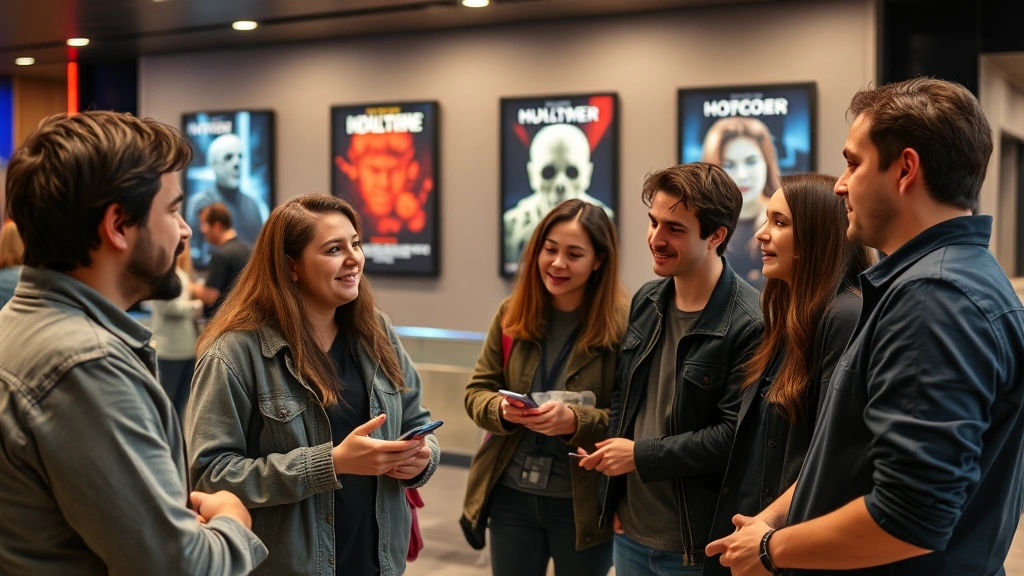
Modern horror franchises exist within elaborate fan ecosystems. Online communities dedicate themselves to analyzing franchise mythology, creating fan theories, and debating creative decisions. These communities function as informal quality control, rewarding franchises that respect continuity while punishing perceived betrayals of established lore.
The relationship between franchises and their fan communities has become increasingly symbiotic. Studios monitor fan discussions to gauge interest in potential projects, while fans leverage social media to influence franchise direction. When fans felt the Alien franchise was straying from its horror roots with increasingly action-oriented entries, vocal criticism helped encourage a return to horror sensibilities in subsequent projects.
Fan communities also extend franchise lifespans beyond theatrical releases. Through fan fiction, artwork, cosplay, and video analysis, communities keep franchises culturally relevant between official releases. Platforms like YouTube have created opportunities for dedicated fans to become franchise commentators, generating millions of views through retrospectives and analysis videos. This organic fan engagement provides free marketing and cultural validation for franchises.
The democratization of content creation means that fans now contribute meaningfully to franchise discourse. When considering how to become a film critic, many aspiring critics cut their teeth analyzing horror franchises for online audiences. This emerging class of fan-critics influences broader perceptions of franchises, sometimes elevating underappreciated entries or challenging conventional wisdom about beloved films.
The Economics of Horror Franchises
Horror franchises represent some of cinema’s most economically efficient properties. Unlike superhero franchises requiring massive budgets for spectacle, horror franchises frequently achieve strong returns on modest investments. A horror film with a $5-10 million budget can generate $50+ million globally, creating profit margins that justify continued franchise development.
This economic reality has made horror franchises increasingly attractive to studios. Where once horror was considered a secondary genre, today’s studios view successful horror franchises as crown jewels. The Conjuring universe’s consistent profitability has inspired similar universe-building approaches across the industry. Studios now greenlight horror franchises with the same confidence they once reserved for superhero properties.
Streaming platforms have further transformed horror franchise economics. Films that underperform theatrically can find substantial audiences on streaming services, extending their commercial viability. This dual revenue stream—theatrical and streaming—has made even modestly successful theatrical entries valuable franchise installments. Platforms like Variety regularly report on how streaming viewership has resurrected dormant franchises or justified continued investment in struggling series.
The economics of horror franchises also explain industry trends toward expanded universes. Once a franchise proves successful, studios invest in spin-offs, prequels, and side stories that share the original’s universe but explore new characters and scenarios. This approach maximizes franchise value while distributing risk across multiple projects. When one entry underperforms, others can compensate, creating franchise resilience.
International markets have become increasingly important for horror franchise economics. While horror franchises were once considered primarily American properties, global audiences now drive franchise profitability. Films like A Quiet Place perform exceptionally well internationally because their concepts transcend cultural boundaries. Studios now develop horror franchises with global appeal from inception, fundamentally changing how franchises are conceived and marketed.

” alt=”Digital media analytics dashboard displaying horror franchise viewership trends and fan engagement metrics across streaming platforms”>
The Future of Horror Franchises
Horror franchises continue evolving in response to changing audience preferences and technological capabilities. Virtual reality experiences, interactive storytelling, and transmedia narratives represent emerging frontiers for franchise expansion. Some franchises are experimenting with VR experiences that extend narratives beyond traditional films, creating immersive horror experiences that traditional sequels cannot match.
The rise of elevated horror—films prioritizing artistic merit and thematic depth—has influenced franchise approaches. Modern horror franchises increasingly incorporate social commentary and psychological complexity that earlier franchises overlooked. This evolution reflects changing audience expectations and critical recognition of horror’s potential as serious cinema.
Franchise revivals have become industry standard practice. Rather than allowing franchises to fade, studios now invest in strategic reboots and reimaginings that introduce classic franchises to new generations. The success of Halloween (2018) and Scream (2022) has validated this approach, encouraging studios to greenlight revivals of dormant franchises like Texas Chain Saw Massacre and A Nightmare on Elm Street.
Looking forward, horror franchises will likely continue emphasizing creative reinvention, fan engagement, and transmedia expansion. The franchises that survive and thrive will be those that respect their core audiences while remaining open to new creative perspectives and emerging technologies. As audience tastes continue evolving, horror franchises will adapt, ensuring that this most fundamental cinematic genre remains perpetually relevant.
” alt=”Diverse group of film enthusiasts discussing horror movies in a modern cinema lobby with movie posters visible in background”>
FAQ
What makes a horror franchise successful?
Successful horror franchises combine memorable antagonists, repeatable narrative structures, consistent quality, and respect for fan engagement. The most enduring franchises balance familiarity with innovation, giving audiences what they expect while surprising them with new creative directions. Economic efficiency also matters—horror franchises generate strong returns on modest budgets, making them attractive long-term investments for studios.
How do horror franchises maintain audience interest across multiple films?
Effective horror franchises expand their mythologies gradually, introducing new information and deepening established lore across entries. They also evolve their storytelling approaches, placing familiar threats in new scenarios or introducing new antagonists within shared universes. Fan communities play crucial roles in maintaining interest between releases through discussion, analysis, and creative engagement.
Why do some horror franchises fail while others succeed?
Failed franchises often suffer from declining creative quality, narrative exhaustion, or perceived disrespect toward established continuity. Successful franchises maintain creative vision while remaining flexible enough to evolve. They also benefit from institutional support—studios that invest in long-term franchise development rather than treating sequels as quick cash grabs tend to see stronger results.
Can horror franchises appeal to both critics and mainstream audiences?
Absolutely. The Conjuring universe demonstrates that horror franchises can achieve both critical acclaim and commercial success. By prioritizing quality filmmaking and meaningful storytelling alongside entertainment value, franchises attract diverse audiences. The recent elevation of horror as serious cinema has made critical appreciation increasingly important for franchise legitimacy.
How have streaming platforms changed horror franchises?
Streaming platforms have extended franchise lifespans by providing alternative revenue streams and discovery mechanisms. They’ve also enabled direct-to-streaming franchise entries, reducing theatrical pressure while maintaining audience engagement. Additionally, streaming has made complete franchise histories easily accessible, allowing new audiences to experience franchises chronologically and creating opportunities for franchise retrospectives and analysis.
What role do fan communities play in horror franchise development?
Fan communities influence franchise direction through vocal engagement, social media activism, and organic content creation. Studios monitor fan discussions to gauge interest in potential projects and gauge reception to creative decisions. Fan-created content—analysis videos, fan fiction, artwork—keeps franchises culturally relevant and generates free marketing while building community investment in franchise success.
Are horror franchises more profitable than other film franchises?
Horror franchises often generate superior profit margins relative to budget investments. While superhero franchises achieve higher absolute revenues, they require massive budgets. Horror franchises frequently achieve 5-10x returns on modest $5-10 million budgets, making them among cinema’s most economically efficient franchise properties. This efficiency has made horror increasingly attractive to studios seeking reliable franchise investments.