Best Movie Character Costumes: Expert Insights into Cinematic Fashion
Movie character costumes represent far more than simple clothing—they are visual storytelling devices that communicate identity, era, personality, and narrative arc within seconds. From the moment a character appears on screen, their costume choices shape audience perception and establish emotional connections. The greatest film costumes transcend entertainment, becoming cultural artifacts that influence fashion trends and define entire generations’ understanding of style. This comprehensive exploration examines the artistry, strategy, and cultural impact of cinema’s most memorable costume designs.
The relationship between costume design and character development has evolved significantly since cinema’s earliest days. Modern audiences increasingly recognize costume designers as essential creative forces whose work rivals cinematography and sound design in importance. When viewers watch films through streaming platforms or on Movies HD, they often overlook the meticulous craftsmanship behind every garment choice. Yet these decisions profoundly influence how stories resonate emotionally and culturally. Understanding costume design excellence requires examining the intersection of historical accuracy, character psychology, budget constraints, and artistic vision.
Understanding Costume Design as Narrative Language
Costume design functions as a sophisticated visual language that communicates character information before dialogue begins. Expert costume designers use silhouette, color palette, texture, and accessory choices to establish social status, profession, personality traits, and emotional states. A character’s costume evolution throughout a film often mirrors their psychological journey—transformation visible through wardrobe changes rather than exposition.
Professional costume designers approach their craft with the rigor of linguists decoding meaning. Each element serves narrative purpose. The thread count of fabric, the style of buttons, the condition of garments—all contribute to character authenticity. When designing costumes for family-friendly productions, designers must balance visual appeal with age-appropriate storytelling while maintaining character integrity.
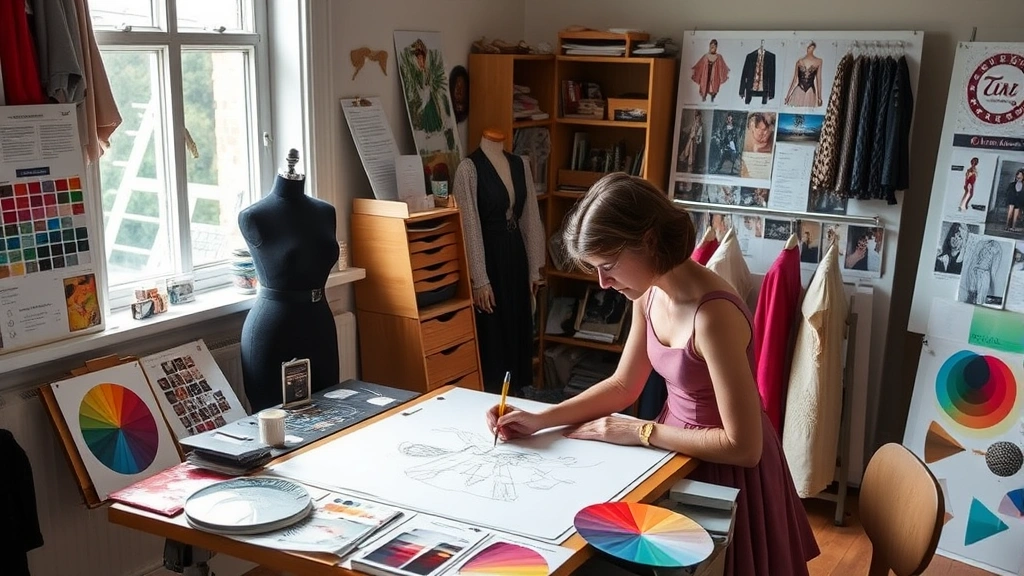
The costume department’s research phase typically involves extensive historical investigation, reference gathering, and psychological analysis. Designers study period documentation, conduct interviews with subject matter experts, and immerse themselves in the cultural contexts their characters inhabit. This scholarly approach distinguishes exceptional costume work from mere wardrobe selection. The best costumes feel inevitable—audiences cannot imagine characters wearing anything else, yet they remain unaware of the deliberate choices underlying every visual element.
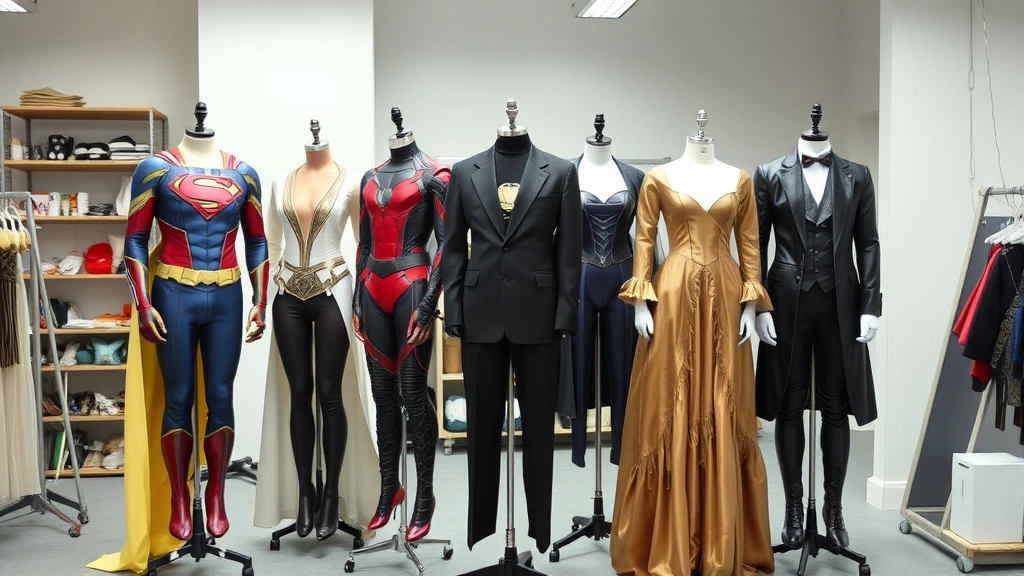
Iconic Costumes That Defined Cinema History
Certain costumes have transcended their original films to become permanent fixtures in popular culture and fashion history. Dorothy’s gingham dress from The Wizard of Oz established the template for innocent femininity in cinema. The elegant black evening gown worn by Audrey Hepburn in Breakfast at Tiffany’s remains fashion’s gold standard for sophisticated simplicity. These costumes function as visual shorthand, instantly communicating character essence to audiences across generations.
The Joker’s purple suit in The Dark Knight represents a masterclass in character psychology through color. The chaotic, layered costume design conveys the character’s unpredictable nature while establishing visual distinction from other characters. Similarly, the stark white costume of the villain in 101 Dalmatians immediately communicates menace through color association and silhouette dominance.
Superhero costumes present unique challenges, requiring designers to balance comic book authenticity with practical filmmaking constraints. The evolution of Spider-Man’s suit across three film franchises demonstrates how costume design adapts to technological capabilities and aesthetic trends while maintaining core character identity. These costumes influence merchandise, cosplay communities, and audience expectations for character representation.
Science fiction and fantasy costumes demand even greater creative ambition. The elaborate armor in Game of Thrones communicated house identity, social position, and character allegiance before plot details emerged. Designers collaborated with metalworkers, leather craftspeople, and textile specialists to create costumes that appeared authentic to entirely fictional worlds while remaining wearable for extended filming periods.
The Psychology Behind Color and Fabric Choices
Color psychology in costume design operates on both conscious and subconscious levels. Red communicates passion, danger, or power. Blue suggests stability, trustworthiness, or melancholy. Black conveys mystery, authority, or villainy. Expert designers leverage these associations strategically, understanding that audiences respond to color choices emotionally before processing narrative information.
Fabric selection profoundly impacts how costumes function on camera. Silk reflects light differently than cotton, creating distinct visual impressions. Heavy fabrics convey solidity and authority, while delicate materials suggest vulnerability or elegance. The way fabric moves during action sequences communicates character physicality and emotional state. A character’s costume might billow dramatically during emotional moments or cling rigidly during scenes of control and tension.
Texture adds another dimension to costume communication. Rough, weathered fabrics suggest hardship or authenticity. Smooth, luxurious materials indicate wealth or refinement. The interplay between textures within a single costume creates visual interest while reinforcing character complexity. A wealthy character might wear fine silk accented with practical leather, communicating both privilege and capability.
Pattern choices similarly carry psychological weight. Stripes suggest formality or military precision. Florals communicate femininity or nature connection. Abstract patterns convey modernity or psychological instability. Costume designers often use pattern as visual metaphor for character psychology, with patterns becoming increasingly chaotic or simplified as characters experience psychological transformation.
Period Accuracy Versus Artistic Interpretation
Historical accuracy represents one of costume design’s central tensions. Filmmakers must balance historical authenticity with cinematic storytelling requirements, visual clarity, and audience expectations. Perfectly accurate period costumes might appear drab or confusing on screen, undermining character clarity or emotional impact.
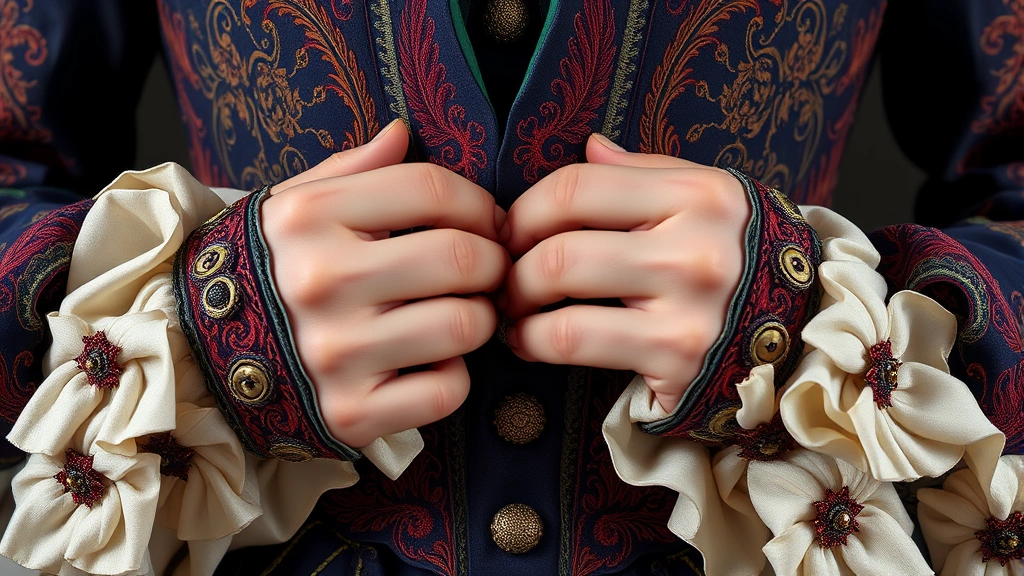
Consider the challenge of designing costumes for historical dramas. Authentic 18th-century clothing often included uncomfortable construction, impractical proportions, and colors that appear muddy on modern film stock. Costume designers must research historical accuracy thoroughly, then strategically adjust elements for cinematic effectiveness. This might involve brightening colors slightly, adjusting silhouettes for camera angles, or modifying construction for actor comfort during extended shooting days.
The most successful period costume design achieves emotional accuracy even when sacrificing strict historical fidelity. Audiences care less about whether a costume matches museum pieces than whether it communicates the character’s historical period and social position convincingly. Exceptional designers understand period aesthetics deeply enough to make informed choices about which historical details to preserve and which to adjust for contemporary audiences.
Some filmmakers deliberately embrace anachronistic costume choices as artistic statements. Modern costume elements in historical settings can communicate themes about timelessness, cultural continuity, or intentional genre subversion. These choices require confident artistic vision and clear thematic justification to succeed rather than appearing as costume department oversights.
Budget Constraints and Creative Solutions
Professional costume designers work within significant financial constraints that necessitate creative problem-solving and resourcefulness. Studio films with enormous budgets might allocate hundreds of thousands of dollars to costume departments, while independent productions operate with minimal resources. The most impressive costume work often emerges from limitations that force innovative thinking.
Budget constraints inspire practical solutions that sometimes surpass expensive alternatives in visual effectiveness. Designers might age new fabrics using tea, bleach, or sandpaper to create authenticity without expensive vintage sourcing. Clever layering and accessorizing can make limited costumes appear varied across multiple scenes. Strategic color choices and lighting adjustments can compensate for lower-quality fabrics.
The costume department’s organizational efficiency directly impacts production budgets. Designers must plan costume changes carefully to minimize garment quantities needed. Quick-change designs allow actors to transition between costumes rapidly during filming. Modular costume construction—pieces that combine differently for various scenes—extends costume versatility while reducing overall wardrobe requirements.
Collaboration with costume rental houses, vintage dealers, and independent seamstresses expands possibilities beyond direct purchasing. Designers often rent expensive period-accurate garments, modify them slightly, and return them after filming. This approach balances authenticity with budget efficiency. The most resourceful costume departments build networks of craftspeople and suppliers who understand production requirements and provide cost-effective solutions.
Modern Costume Design Trends
Contemporary costume design increasingly emphasizes sustainability and ethical production practices. Designers source vintage clothing, utilize deadstock fabrics, and collaborate with sustainable textile manufacturers. This approach reduces environmental impact while often producing more authentic-appearing costumes than new reproductions.
Inclusivity represents another significant modern trend. Contemporary costume designers actively challenge historical costume conventions that limited representation. This might involve reimagining traditional costume categories with diverse body types, skin tones, and gender presentations. Modern costume work recognizes that authentic character representation requires moving beyond historical costume limitations toward inclusive visual storytelling.
Technology influences modern costume design through digital visualization tools. Designers create detailed renderings before construction begins, allowing directors and producers to approve designs digitally. Some productions use 3D modeling to test how costumes appear on camera before actual garment creation. This technological integration streamlines approval processes while maintaining artistic vision.
Streaming platforms have influenced costume design aesthetics. Costumes must read clearly on smaller screens and in compressed video formats. This has led toward slightly more saturated colors, clearer silhouettes, and more defined character differentiation through costume choices. Designers now consider how costumes appear across multiple viewing platforms when making design decisions.
Award-Winning Costume Designers
The most celebrated costume designers combine technical mastery with artistic vision, creating work that transcends functional wardrobe provision. These professionals win major awards because their costume choices elevate entire productions and communicate complex character information through purely visual means.
Legendary designer Edith Head created iconic costumes for decades, establishing visual identities for countless characters. Her work demonstrated costume design’s power to communicate character psychology and enhance narrative clarity. Contemporary designers like Colleen Atwood continue this tradition, creating fantastical costumes for elaborate productions while maintaining character authenticity and emotional resonance.
Award recognition for costume design—including Academy Awards, BAFTA awards, and costume design guild recognition—validates the profession’s artistic importance. These accolades recognize designers who innovate within their field while maintaining technical excellence and narrative service. The best award-winning costumes disappear into characters so completely that audiences forget they are viewing designed clothing rather than authentic character presentation.
Professional costume designers increasingly gain recognition as creative leaders rather than technical support personnel. Major publications feature costume design analysis alongside cinematography and directing reviews. This elevated recognition reflects growing audience appreciation for costume design’s narrative and aesthetic contributions. When readers explore famous movie quotes, they often recall the costumes worn during those iconic moments, demonstrating costume design’s role in creating memorable cinema.
The costume design community actively mentors emerging designers, establishing apprenticeship traditions and professional development opportunities. Organizations like the Costume Designers Guild provide resources, networking, and advocacy for costume professionals. This institutional support strengthens the field while ensuring knowledge transfer between experienced designers and emerging talent.
FAQ
How long does it take to design costumes for a major film production?
Costume design timelines vary significantly based on production scale and complexity. Large-scale historical or fantasy films might require 6-12 months of design and construction work. Designers begin researching and sketching months before production starts, allowing time for director collaboration, approval processes, and garment construction. Some costumes require specialized craftsmanship that cannot be rushed, necessitating extended timelines. Streaming productions and independent films might compress timelines to 2-3 months, requiring designers to work more efficiently while maintaining quality standards.
What qualifications do professional costume designers need?
Most professional costume designers complete formal education in costume design, fashion, or related fields. Many attend specialized costume design programs or earn degrees from fashion institutes. However, formal education represents only the beginning—successful designers develop extensive practical experience through internships, assistant positions, and smaller productions. Technical skills in sewing, pattern-making, and garment construction remain essential, alongside knowledge of historical costume, textiles, and visual communication. Many contemporary designers supplement traditional training with digital skills including design software and 3D visualization tools.
How do costume designers handle actor comfort during filming?
Actor comfort significantly impacts production efficiency and performance quality. Costume designers collaborate closely with actors to ensure garments allow necessary movement and remain comfortable during extended wearing periods. Strategic construction choices—reinforced seams, hidden zippers, adjustable elements—maintain costume appearance while improving wearability. Quick-change designs incorporate hidden panels or alternative fastening systems allowing rapid costume changes. Designers sometimes create duplicate costumes for different scenes, rotating them to extend garment lifespan and ensure consistent appearance. Padding, undergarments, and specialized construction techniques help period-accurate costumes function practically despite historical authenticity.
Can costume choices influence audience perception of characters?
Research consistently demonstrates that costume design profoundly influences audience perception and emotional responses. Studies show that viewers form character judgments within seconds based partly on costume choices. Color psychology, silhouette, and fabric quality all contribute to how audiences perceive character trustworthiness, competence, and moral alignment. Costume changes throughout films influence audience understanding of character development—a character’s costume evolution often mirrors psychological transformation. This explains why iconic costumes become so culturally significant; they establish visual identities that audiences retain long after watching films. The relationship between costume and character perception operates largely subconsciously, making costume design’s influence particularly powerful.
How do costume designers research historical accuracy?
Costume designers employ rigorous research methodologies to achieve historical authenticity. This includes studying museum collections, examining historical photographs and artwork, consulting academic sources, and interviewing subject matter experts. Many designers visit historical sites and costume archives to observe authentic garments directly. Primary sources—period diaries, letters, and documentation—provide insight into how people actually dressed and moved. Designers often collaborate with historians and cultural consultants to ensure accuracy while avoiding stereotypes or cultural appropriation. This scholarly approach distinguishes professional costume design from amateur wardrobe selection, ensuring costumes communicate authentic historical context while serving narrative purposes.