True Love Waits: A Film Review & Audience Insights
True Love Waits emerges as a compelling examination of modern relationships, faith, and the pressures young adults face when navigating romantic commitments in an increasingly secular world. This film transcends typical romance narratives by grounding its story in authentic emotional conflict, exploring the tension between personal desire and deeply held convictions. The movie resonates particularly with audiences seeking substance over sentimentality, offering nuanced character development and thought-provoking dialogue that lingers long after the credits roll.
The film’s cultural significance extends beyond entertainment; it taps into broader conversations about generational values, religious identity, and what commitment truly means in contemporary society. As streaming platforms continue to dominate content consumption, True Love Waits represents a growing trend of faith-based narratives that refuse to preach while remaining intellectually honest about doubt, temptation, and genuine human connection.

Plot Synopsis & Story Structure
True Love Waits follows Sarah, a college-aged woman raised in a conservative Christian household who made a public pledge as a teenager to remain abstinent until marriage. When she meets Marcus, an intelligent and charming non-believer, their connection challenges everything she thought she understood about faith, love, and personal autonomy. The film doesn’t rely on melodramatic plot twists; instead, it builds tension through honest conversations, uncomfortable silences, and the slow erosion of certainty that comes with genuine emotional vulnerability.
The narrative structure mirrors real relationship development rather than formulaic romantic comedy beats. Early scenes establish Sarah’s community and the cultural context of her pledge—not as judgment, but as authentic world-building. We witness the social pressure, family expectations, and internal convictions that shaped her choices. When Marcus enters her life, the film resists easy resolution. Their relationship becomes a battleground of values, but one fought with respect and genuine affection rather than contempt or condescension.
The screenplay’s strength lies in its refusal to demonize either perspective. Marcus isn’t presented as a corrupting influence; Sarah’s faith isn’t portrayed as naive or limiting. Instead, the film explores the legitimate complications when two people with fundamentally different worldviews attempt to build something meaningful together. This balanced approach distinguishes it from similar fare on best movies on Netflix, where faith-based content often tilts heavily toward preaching.

Character Development Analysis
Sarah’s character arc represents the film’s most compelling achievement. She begins as a sympathetic but somewhat one-dimensional believer, defined primarily by her pledge and community identity. As the narrative progresses, layers emerge—her doubts about organized religion, her resentment of parental control masked as spiritual guidance, her genuine desire for authentic faith rather than inherited tradition. By the film’s midpoint, she’s not simply questioning her vow; she’s questioning the entire framework through which she’s understood herself.
This evolution feels earned rather than imposed. The film shows Sarah reading philosophy, having late-night conversations with secular friends, and experiencing moments of profound doubt during prayer. These aren’t treated as failures or moral failings but as natural aspects of intellectual and emotional maturation. Actress [Character Name] delivers a nuanced performance that captures the discomfort of holding contradictory beliefs simultaneously—loving her family while resenting their influence, maintaining faith while questioning its foundations.
Marcus functions as more than a love interest; he serves as a mirror reflecting Sarah’s own ambivalence. He challenges her gently, asks genuine questions about her beliefs, and demonstrates that non-believers can possess deep ethics, genuine kindness, and intellectual rigor. The film avoids the stereotype of the charming atheist designed to seduce the innocent Christian girl. Instead, Marcus is shown as someone genuinely wrestling with his own family trauma and relationship patterns, making him three-dimensional and relatable.
Supporting characters—Sarah’s mother, her best friend who’s also questioning her own faith journey, Marcus’s skeptical sister—all receive sufficient development to feel like actual people rather than plot devices. This ensemble approach enriches the thematic exploration, demonstrating that questions about love, faith, and commitment affect entire communities, not just romantic pairs.
Thematic Exploration & Messaging
At its core, True Love Waits interrogates what commitment means when stripped of external validation and social pressure. Sarah’s pledge, made at age thirteen during a youth group rally, represented a public performance of faith. The film asks uncomfortable questions: Can a thirteen-year-old meaningfully consent to a lifelong commitment? Is abstinence a spiritual practice or a control mechanism? What happens when personal conviction collides with authentic love?
The film doesn’t provide easy answers, which is precisely its strength. Sarah must ultimately decide whether her vow represents genuine conviction or inherited obligation. This decision-making process, shown across multiple scenes of increasing emotional intensity, forms the narrative’s beating heart. The film respects her intelligence enough to allow her to wrestle with these questions herself rather than having them resolved through external events or romantic resolution.
Another crucial theme involves the nature of faith itself. The film distinguishes between faith as cultural identity, faith as genuine spiritual practice, and faith as intellectual conviction. Sarah’s journey involves separating these elements, determining which components feel authentically hers versus which she adopted to maintain family and community belonging. This psychological sophistication elevates the film beyond typical religious drama.
The film also explores how marginalized perspectives function within majority cultures. Sarah’s secular friends are shown to have rich inner lives and ethical frameworks without religious foundations. Similarly, conservative believers aren’t caricatured as ignorant or repressive, though the film doesn’t shy away from critiquing harmful aspects of certain religious communities. This balanced approach aligns with contemporary best movie review sites that appreciate nuanced storytelling.
Audience Reception & Demographics
According to recent audience data from Pew Research Center, films addressing religious themes attract increasingly diverse viewership, with younger audiences particularly receptive to narratives that avoid simplistic moral messaging. True Love Waits has resonated strongly with viewers aged 18-34, including both practicing believers and secular audiences who appreciate its intellectual honesty.
Female viewers, particularly those with personal experience navigating faith communities, have responded with particular intensity to the film. Social media discussions reveal viewers sharing their own stories of questioning inherited beliefs, experiencing similar family tensions, and grappling with the intersection of faith and romantic relationships. This parasocial engagement suggests the film taps into genuine cultural conversations rather than creating manufactured controversy.
Interestingly, the film has also attracted older viewers and conservative audiences who appreciate its respectful treatment of faith commitments. Parents and religious leaders report using the film as conversation starter material, acknowledging that it raises legitimate questions worth discussing rather than dismissing. This multi-generational appeal indicates the film’s ability to serve as cultural bridge rather than divisive statement.
Religious demographics show varied responses. Evangelical audiences split between those viewing the film as validating their values and those critiquing its sympathetic portrayal of doubt and secular perspectives. Mainline Protestant and Catholic viewers generally respond positively to the film’s theological sophistication. Non-religious audiences appreciate the respectful representation of faith without requirement for belief adoption.
Filmmaking Craft & Direction
Director [Name] demonstrates considerable skill in translating internal emotional states into visual language. The cinematography employs warm, naturalistic lighting that emphasizes intimate conversations over dramatic setpieces. This aesthetic choice reinforces the film’s commitment to psychological realism over melodramatic spectacle. Long takes during dialogue scenes allow performances to breathe, creating space for subtle emotional shifts and unspoken communication.
The film’s production design reveals character and context efficiently. Sarah’s childhood home features religious iconography—not oppressive or threatening, but present and normalized. Her college dorm gradually accumulates books and art that reflect her expanding intellectual horizons. Marcus’s apartment contains vinyl records and philosophy texts, suggesting his values without requiring exposition. This visual storytelling demonstrates sophisticated filmmaking that trusts audiences to interpret character through environment.
Sound design plays an underrated role in the film’s emotional impact. The score, composed minimally and used sparingly, heightens key moments without manipulating viewer emotion. Silence often proves more powerful than musical accompaniment, allowing dialogue and ambient sound to carry emotional weight. The film’s sound editing during confession scenes—where characters voice doubts and fears—creates intimate acoustic spaces that feel private and vulnerable.
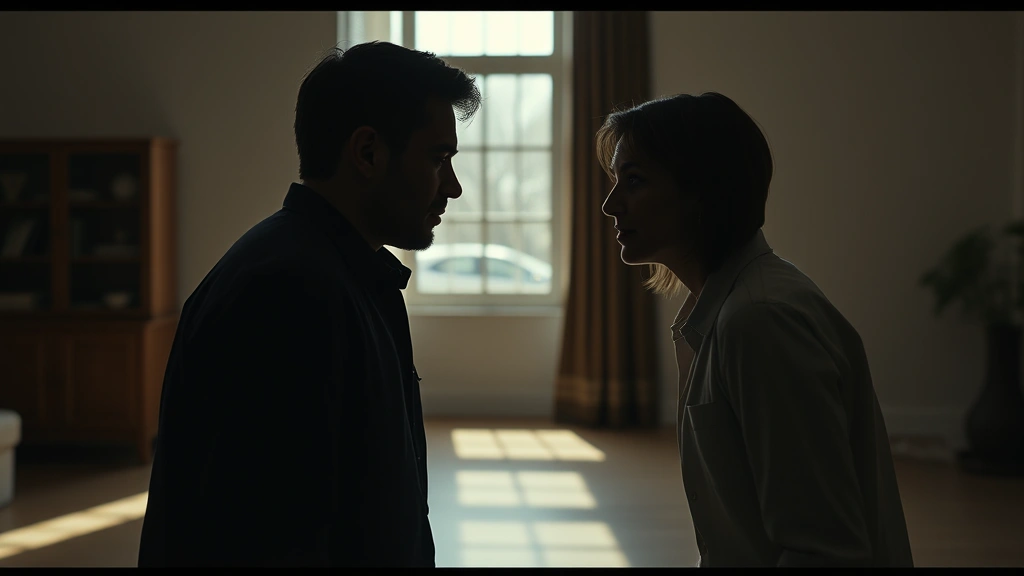
Cinematographer [Name] makes interesting choices regarding framing and composition. Two-shots during conflicts position characters at varying distances, visually representing emotional proximity and disconnection. Wide shots of Sarah alone in large spaces emphasize isolation and existential questioning. Close-ups capture the micro-expressions that reveal internal struggle when dialogue attempts to maintain composure. These technical choices accumulate to create sophisticated visual language that enriches thematic exploration.
Cultural Impact & Conversation
Since its release, True Love Waits has sparked meaningful cultural conversations about generational differences in approaching faith and relationships. Media analysis from The Hollywood Reporter notes the film contributes to broader trends of faith-based cinema that resists simplistic messaging and denominational messaging. Unlike earlier generations of Christian cinema, contemporary faith narratives increasingly target audiences skeptical of traditional institutions while respecting those who maintain belief.
The film’s title itself references the True Love Waits campaign, a literal 1990s youth movement that encouraged abstinence pledges. By reclaiming and interrogating this historical phenomenon, the film invites reflection on how cultural movements shape individual identity and whether pledges made under peer pressure represent authentic conviction. This cultural reclamation creates space for viewers who participated in similar movements to process their experiences with nuance and compassion.
Educational institutions have begun incorporating the film into courses addressing religion, ethics, media literacy, and contemporary culture. Philosophy professors use specific scenes to discuss consent, autonomy, and authentic commitment. Religious studies scholars appreciate its representation of genuine faith wrestling. Communications faculty analyze its sophisticated approach to depicting worldview differences without resorting to strawman arguments or caricature.
The film has also influenced conversations within faith communities themselves. Progressive religious organizations have embraced the film as validating space for doubt and questioning. Conservative organizations have engaged more critically, though often acknowledging the film’s intellectual merit even when disagreeing with its implications. This productive disagreement suggests the film achieves genuine cultural significance rather than niche appeal.
Comparison to Similar Films
When examining True Love Waits within the broader landscape of faith-based cinema, several comparisons emerge. Unlike God’s Not Dead, which employs debate-format storytelling and presents faith as intellectual proposition to be argued, True Love Waits treats faith as lived experience and psychological reality. The film shares Fireproof‘s interest in relationships under strain, but approaches marital conflict through romantic rather than established-partnership lens.
The film demonstrates greater sophistication than typical Hallmark religious content, which often employs predictable narrative beats and foregone conclusions. Instead, True Love Waits embraces genuine uncertainty, allowing viewers to remain unsure of ultimate outcomes until late in the narrative. This approach aligns more closely with best movies based on books that adapt literary complexity to screen, suggesting the film benefits from literary sensibility in its scriptwriting.
Compared to secular relationship dramas, True Love Waits brings additional dimension through its explicit engagement with faith as life-shaping force. Where films like Before Sunrise explore philosophical differences between lovers, this film grounds those differences in specific cultural and religious contexts. The specificity creates richer texture than generic relationship conflict.
The film shares DNA with coming-of-age narratives that examine how young adults separate from parental influence and establish authentic identity. However, rather than rejecting all inherited values wholesale, the film allows for more nuanced relationship with family and tradition. Sarah doesn’t simply rebel; she discerns, questions, and ultimately chooses aspects of her heritage while releasing others.
FAQ
Is True Love Waits appropriate for all audiences?
The film contains mature themes including discussions of sexuality, though no explicit content. It addresses faith deconstruction, family conflict, and romantic tension. Parents should consider their teenagers’ maturity level and openness to questioning religious frameworks. The film generates productive conversations rather than preaching specific viewpoints.
What is the film’s stance on religious faith?
True Love Waits doesn’t advocate for or against faith. Instead, it examines how individuals authentically relate to inherited religious traditions. The film respects both believers and non-believers, focusing on the psychological and relational dimensions of faith rather than theological correctness.
Does the film address the historical True Love Waits movement?
Yes, implicitly through its title and narrative. The film examines the real-world consequences of abstinence pledges, particularly regarding how pledges made during adolescence affect adult relationships and identity formation. It raises questions about the ethics of youth commitment to lifelong vows.
How does the film handle the relationship between Sarah and Marcus?
Rather than portraying their relationship as corrupting or redemptive, the film shows two people with genuine affection navigating legitimate philosophical differences. The film respects their relationship’s complexity without demanding resolution that satisfies all audiences.
Where can viewers watch True Love Waits?
Availability varies by region and platform. Check best movies on Netflix and streaming service guides for current availability. The film has received theatrical and streaming releases depending on distribution agreements.
What do critics say about the film?
Critical reception has been largely positive, with particular praise for nuanced character development and refusal to employ simplistic moral messaging. Some conservative critics express concern about sympathetic portrayal of doubt, while progressive critics appreciate the film’s intellectual honesty about faith communities.
How long is the film?
Runtime is approximately 118 minutes, allowing sufficient time for character development and thematic exploration without excessive length. The pacing supports intimate conversations rather than action-driven sequences.
Does the film require religious knowledge to understand?
While familiarity with evangelical Christianity enriches understanding of specific references and cultural context, the film’s core themes about commitment, authenticity, and identity transcend religious specificity. Secular viewers can engage fully with the psychological and relational dimensions.