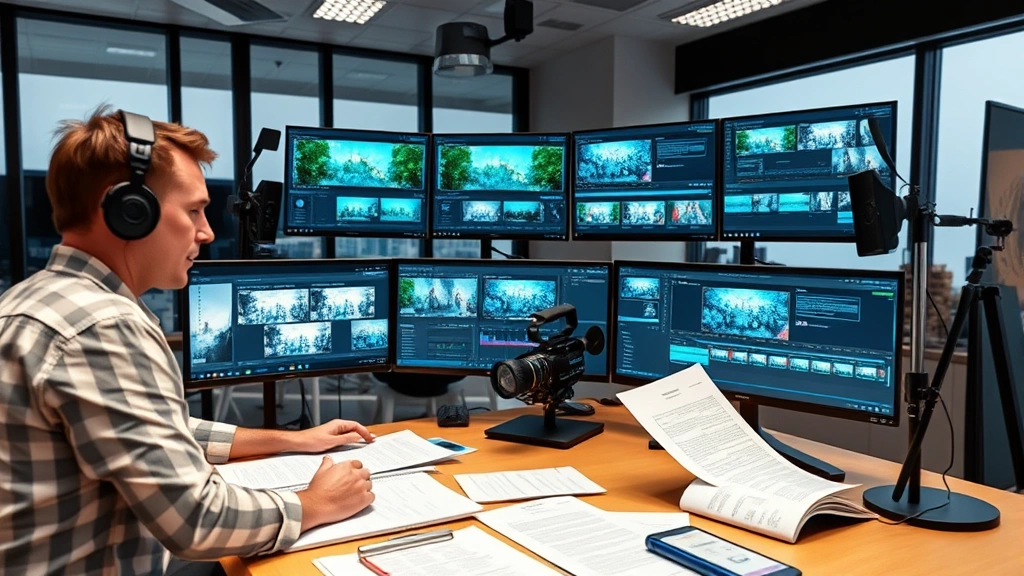
What Do Movie Producers Do? Insider Insights Into Film Production Leadership
Movie producers are the architects of cinema, orchestrating every element from initial concept to final theatrical release. While directors often receive the spotlight for their creative vision, producers work behind the scenes managing budgets, assembling talent, and solving countless logistical challenges that transform scripts into blockbuster films. Understanding the producer’s multifaceted role reveals why their work is absolutely essential to modern filmmaking.
The title “producer” encompasses a surprisingly broad spectrum of responsibilities and influence levels. From executive producers who secure funding to line producers managing daily set operations, each producer type contributes uniquely to a project’s success. This comprehensive guide explores what producers actually do, the different producer roles in modern cinema, and why their work matters more than ever in today’s complex media landscape.

The Core Responsibilities of Movie Producers
At their essence, movie producers are project managers, creative collaborators, and business executives rolled into one. They champion a project from its earliest conception through distribution, serving as the connective tissue between creative departments and financial stakeholders. Unlike directors who focus primarily on the artistic execution of scenes, producers maintain a holistic view of the entire production, considering artistic merit alongside commercial viability and logistical feasibility.
The producer’s job begins long before cameras roll. They identify promising source material—whether that’s an original screenplay, a published book, a true story, or an adaptation of existing intellectual property. They then champion that material within the industry, pitching it to studios, networks, or independent financiers. This pitch phase requires both creative enthusiasm and financial acumen, as producers must convince money people that a project will generate returns.
Throughout production, producers wear multiple hats simultaneously. They serve as creative advisors to directors, offering feedback on performances and visual storytelling. They monitor budgets and timelines, ensuring the production stays on track financially. They handle personnel issues, mediating conflicts between departments or addressing problems with cast and crew. They troubleshoot unexpected problems—whether that’s weather delays, actor scheduling conflicts, or equipment failures. The producer’s ability to remain calm under pressure and solve problems creatively often determines whether a film stays on schedule and on budget.
Research from The Producers Guild of America indicates that the average film producer works 60-80 hour weeks during active production, with responsibilities expanding significantly during pre-production and post-production phases. This demanding schedule reflects the producer’s central role in managing the countless moving parts that comprise modern filmmaking.

Different Types of Producers and Their Roles
The film industry recognizes multiple producer titles, each with distinct responsibilities and authority levels. Understanding these distinctions clarifies why producers have such varied impacts on different projects.
Executive Producers typically secure financing and maintain high-level oversight without daily involvement. They might bring a major star to the project, provide crucial funding, or leverage relationships with studios and distributors. While sometimes this title is honorary (given to someone who contributed minimally), legitimate executive producers shoulder significant financial risk and strategic responsibility.
Producers (the standard title) oversee the entire project from development through distribution. They’re involved in casting, script revisions, budget management, and creative decisions. This is the most comprehensive producer role, requiring both creative sensibility and business savvy.
Line Producers manage the day-to-day operational and financial aspects of production. They work with department heads to allocate budgets, track expenditures, and ensure efficient resource use. The line producer’s meticulous financial management prevents projects from spiraling over budget.
Co-Producers handle specific aspects of production under the lead producer’s supervision. They might specialize in locations, visual effects coordination, or post-production oversight. This role allows producers to delegate specialized tasks while maintaining overall project control.
Creative Producers focus specifically on the artistic elements, working closely with writers and directors on script development and creative problem-solving. They bridge the gap between financial constraints and artistic ambitions.
The Hollywood Reporter’s analysis of producer credits shows that successful films typically involve 3-5 producers with complementary skill sets, each bringing expertise in different areas crucial to the project’s success.
The Development Phase: From Script to Green Light
A producer’s work often begins years before principal photography starts, during the crucial development phase. This stage involves identifying promising material, acquiring rights, and developing that material into a producible screenplay.
Producers actively scout for source material. They read hundreds of screenplays annually, attend pitch meetings with writers, monitor publishing industry releases for book adaptations, and stay alert to news stories that might inspire original projects. When they identify something with potential, they work to acquire the rights—whether that means optioning a screenplay from a writer, purchasing film rights to a book, or securing rights to a true story.
Once rights are secured, producers collaborate with screenwriters to develop the material. This might involve multiple script drafts, with producers offering feedback on story structure, character development, dialogue, and commercial appeal. A producer might suggest hiring a different writer if the current draft isn’t working, or bring in a script doctor to address specific problems while maintaining the original writer’s vision.
Throughout development, producers begin assembling the creative team. They might approach directors whose work aligns with the project’s vision. They discuss the project with A-list actors, gauging interest and availability. They start conversations with cinematographers, composers, and production designers about the film’s visual and auditory direction.
The development phase culminates in the pitch to studios or financiers. The producer presents the script, attached talent (director, actors), budget estimate, and market analysis—essentially making the case that this project deserves investment. This pitch requires equal parts creative enthusiasm and financial realism. Studios want to fund projects with genuine artistic merit and genuine commercial potential, and producers must convince them their project offers both.
For insights into how this development process has evolved in the streaming era, explore the ScreenVibeDaily Blog where industry trends are analyzed regularly.
Pre-Production and Budget Management
Once a project receives the green light, the producer enters pre-production—arguably the most intensive phase of their work. During this period, the producer finalizes the script, locks the budget, assembles the full creative team, and plans every detail of the upcoming shoot.
Budget management is perhaps the producer’s most critical responsibility. Working with the line producer, production designer, and department heads, producers develop detailed budgets breaking down every anticipated expense. A major studio film might have a budget of $100-200 million, while independent productions might operate with $1-5 million. Regardless of scale, the producer must allocate resources strategically, knowing that overspending in one area means cutting elsewhere.
Smart producers understand that creative solutions often save money. If a location is too expensive, they find an alternative that serves the story equally well. If a special effect is prohibitively costly, they work with the director to achieve the desired result through practical effects or creative cinematography. This constant balancing of artistic vision and financial constraint requires both creative flexibility and business acumen.
Pre-production also involves logistics planning. The producer ensures that all necessary permits are acquired, insurance is in place, locations are secured, and crew members are hired and scheduled. The producer reviews casting decisions with the director, ensuring the right actors are selected for each role. They oversee costume and set design, approving visual elements that align with the film’s overall aesthetic.
During this phase, producers also handle contract negotiations with major crew members and talent. Understanding entertainment law and negotiation strategy becomes essential, as producers must secure talent while managing costs and protecting the production company’s interests.
On-Set Producer Duties During Filming
When principal photography begins, the producer’s role shifts from planning to active problem-solving. While the director focuses on creative execution, the producer monitors the production’s health across multiple dimensions.
Budget oversight intensifies during filming. The line producer tracks daily expenses while the producer monitors whether the production is staying on schedule—because delays directly translate to increased costs. If scenes are taking longer than anticipated, the producer works with the director to find efficiencies without compromising quality. This might mean adjusting the shot list, simplifying a scene’s setup, or scheduling night shoots differently.
Producers also handle unexpected crises. Weather delays shooting for a day, requiring careful rescheduling. An actor becomes ill, forcing the production to pivot to different scenes. Equipment malfunctions, requiring rapid repairs or replacement. A location falls through, necessitating quick alternatives. A producer’s calm problem-solving in these moments keeps productions moving forward.
Creative collaboration continues on set. The producer attends dailies (daily footage reviews), offering feedback on performances and visual storytelling. If the director is struggling with a scene, the producer might offer suggestions or bring in additional expertise. If an actor is having difficulty with their role, the producer might facilitate conversations that help them find the character’s emotional truth.
The producer also serves as a liaison between departments, ensuring smooth communication and collaboration. They might mediate disagreements between the director and cinematographer about lighting approaches, or between the director and production designer about set modifications. By maintaining relationships across departments, producers prevent conflicts from derailing production.
Post-Production Oversight and Distribution
A producer’s work doesn’t end when filming wraps. Post-production—involving editing, visual effects, sound design, and music composition—requires continued producer involvement.
Producers attend edit sessions, offering feedback on pacing, emotional resonance, and storytelling clarity. They might suggest restructuring scenes, cutting sequences that aren’t working, or extending moments that deserve more screen time. The producer helps the editor and director navigate creative decisions, always considering both artistic integrity and audience engagement.
Visual effects supervision falls partly under the producer’s purview. They monitor effects budgets, review effects progress, and ensure that visual effects serve the story rather than overshadowing it. For films heavy on VFX, producers might attend effects review sessions weekly, providing feedback and approving major milestones.
Sound design and music composition also involve producer input. The producer reviews temp music and final scores, ensuring the soundtrack enhances emotional impact. They oversee sound mixing, confirming that dialogue clarity, music levels, and effects balance appropriately.
Once the film nears completion, producers shift focus toward distribution strategy. They work with distributors to determine release dates, marketing approaches, and audience targeting. They participate in test screenings, gathering audience feedback that might inform final edits or marketing messaging.
For those interested in how films are evaluated after production, check out our guide on best movie review sites, which explores how critical reception shapes a film’s cultural impact.
Producers also participate in festival submissions and award campaign strategy. For prestigious films, producers work with studios to position their films for major awards consideration, ensuring the film reaches critics and voters who influence industry recognition.
The Business Side: Financing and Deal Making
Beyond creative and operational duties, producers are fundamentally business people navigating complex financing structures and contractual agreements.
Film financing has become increasingly complex. While major studios finance their own productions, independent producers must assemble financing from multiple sources—studio pre-buys, international distributors, tax incentives, private investors, and streaming platforms. A producer might spend months pitching their project to potential financiers, negotiating deal terms, and structuring financing arrangements that align everyone’s interests.
Understanding different financing models is essential. A producer might structure a deal where a studio finances domestic distribution while international distributors finance their territories. Or they might secure financing from a streaming platform that gains worldwide rights while the producer retains theatrical rights. These complex arrangements require sophisticated financial knowledge.
Producers also negotiate with talent representatives—agents and managers representing directors, actors, cinematographers, and composers. They understand the entertainment industry’s going rates for different talent levels, and they negotiate contracts that protect the production while offering competitive compensation to attract top-tier creative professionals.
Tax incentive navigation has become crucial for producers. Many states and countries offer substantial tax incentives for filming locally, potentially reducing production costs by 20-40%. Savvy producers work with tax specialists to maximize available incentives, sometimes shifting production locations to capture these financial benefits.
For deeper industry insights, Variety’s production coverage regularly analyzes financing trends and deal structures shaping contemporary filmmaking.
How Producers Impact Film Quality
The producer’s influence on final film quality is profound, though often underappreciated by audiences. Great producers elevate projects through intelligent decision-making across every production phase.
Script quality directly reflects producer judgment. Producers who invest heavily in development, hiring talented writers and facilitating multiple revision rounds, typically end up with stronger screenplays. The adage “a film is made three times—in writing, in production, and in editing” underscores how crucial script quality is, and producers shape that quality profoundly.
Casting decisions heavily influence film quality. Producers who carefully evaluate actors, test chemistry between potential scene partners, and trust their instincts about who embodies characters authentically, end up with stronger ensemble casts. Great casting can elevate material that might otherwise be ordinary.
Producer judgment about creative personnel matters enormously. A producer who hires the right cinematographer for a project’s visual style, the right composer for its emotional tone, and the right production designer for its aesthetic sensibility, creates conditions for excellence. Conversely, mismatched creative teams can undermine even strong source material.
Budget allocation reflects producer priorities. Producers who understand where to invest resources—perhaps splurging on location authenticity or visual effects that serve the story—create more effective films than producers who spread budgets thinly across all departments. Strategic resource allocation amplifies production value.
Producer problem-solving during production often saves films. When unexpected challenges arise, producers who remain creative and solutions-focused find approaches that maintain quality despite constraints. This might mean finding a brilliant practical solution instead of an expensive digital one, or discovering that a location change actually improves authenticity.
In post-production, producer judgment about pacing, emotional resonance, and storytelling clarity shapes the final product. Producers who advocate for necessary reshoots or additional VFX work, even at significant cost, ultimately deliver stronger films. Conversely, producers who prioritize budget over quality can undermine months of creative effort.
The producer’s role in securing distribution and shaping marketing strategy also impacts how audiences receive films. A producer who works effectively with distributors to position a film for its ideal audience, and who ensures marketing accurately represents the film’s quality and appeal, helps the film reach viewers most likely to appreciate it.
If you’re interested in understanding how different film types are produced and marketed, explore our coverage of upcoming horror movies 2025, which examines how producers in the horror genre specifically approach their craft.
Research from entertainment industry analysts consistently demonstrates that films with experienced, engaged producers outperform industry averages in both critical reception and box office performance, validating the producer’s essential contribution to filmmaking success.
FAQ
What’s the difference between a producer and a director?
Directors focus on creative execution—how scenes are shot, how actors perform, the visual and auditory storytelling. Producers maintain broader oversight, managing budgets, schedules, talent, and ensuring the project succeeds creatively and financially. While directors create the film’s artistic vision, producers enable that vision to happen within realistic constraints.
Do producers have creative input or just handle business matters?
Great producers balance both. They provide creative input on scripts, casting, visual direction, and editing while simultaneously managing budgets and logistics. The best producers understand both creative and business aspects deeply, using that dual expertise to make intelligent decisions that serve the film’s artistic vision while respecting financial realities.
How do producers get paid?
Producers typically receive a percentage of the film’s budget as their fee, plus backend participation (a percentage of profits if the film succeeds financially). On studio films, producers might earn $250,000-$2 million depending on their experience and the project’s budget. Independent producers might earn lower upfront fees but receive larger profit participation if the film succeeds.
Can someone become a producer without prior film experience?
While possible, it’s challenging. Most producers start in related fields—development executives, production assistants, line producers, or entertainment lawyers. These roles provide crucial industry knowledge and relationships. Some producers come from finance, having raised capital for films. The key is understanding filmmaking deeply and developing relationships with creative and business professionals.
What makes a successful producer?
Successful producers combine creative sensibility with business acumen, remain calm under pressure, solve problems creatively, build strong relationships across the industry, understand both art and commerce, and possess the stamina to maintain focus through years-long projects involving hundreds of moving parts.
How has the producer role changed with streaming platforms?
Streaming platforms have created new financing models and distribution pathways, but producer fundamentals remain constant. Producers still develop material, assemble talent, manage budgets, oversee production, and guide post-production. However, the business side has become more complex, with producers navigating simultaneous theatrical and streaming strategies.
For perspective on how film criticism evaluates producer work, consider reading about how to become a film critic, which explores how industry professionals assess filmmaking quality across all production roles.


