Why “The Dreamers” Resonates: A Film Critic’s View
Bernardo Bertolucci’s “The Dreamers” stands as a masterwork of cinematic storytelling that continues to captivate audiences and provoke critical discourse nearly two decades after its release. This 2003 film transcends conventional narrative boundaries by weaving together the intimate lives of three young intellectuals with the tumultuous political landscape of 1968 Paris. The film’s power lies not merely in its surface-level exploration of passion and youth, but in its profound examination of how cinema itself shapes consciousness, ideology, and human connection during moments of historical upheaval.
What makes “The Dreamers” particularly relevant to contemporary film analysis is its meta-cinematic approach to storytelling. Bertolucci constructs a narrative that functions simultaneously as a love story, a political awakening, and a meditation on the transformative power of film itself. The three protagonists—Matthew, Theo, and Isabelle—exist in a state of perpetual cinematic reverie, their conversations peppered with references to classic cinema, their actions often mirroring scenes from the films they worship. This layered approach to filmmaking offers rich material for critical examination and demonstrates why the film continues to resonate with both casual viewers and serious film scholars.

The Cinematic Language of Passion
“The Dreamers” approaches the depiction of passion with remarkable sophistication, eschewing melodrama in favor of nuanced emotional portraiture. The film’s intimate scenes—which generated significant controversy upon release—serve a narrative purpose beyond mere provocation. Bertolucci employs these moments to illustrate the characters’ vulnerability, their desperate need for connection, and their attempt to transcend the boundaries between fantasy and reality. The cinematography during these sequences becomes almost painterly, with careful attention to light, shadow, and composition that elevates the material beyond exploitation into genuine artistic expression.
The relationship between Matthew, the American film student, and the French siblings Theo and Isabelle develops with careful pacing that reflects the psychological complexity of their emotional entanglement. Rather than presenting passion as a simple romantic commodity, Bertolucci reveals it as a manifestation of deeper psychological needs—the desire for understanding, for escape from societal constraints, and for validation through intimate connection. This psychological depth is what distinguishes “The Dreamers” from more conventional romance narratives and why it commands serious critical attention within discussions of contemporary cinema.
For those interested in understanding how contemporary filmmakers approach similar themes, exploring best movies on Netflix reveals how modern streaming platforms continue to feature character-driven narratives that examine human relationships with similar complexity. The influence of Bertolucci’s approach can be traced through numerous contemporary productions that prioritize psychological authenticity over commercial formula.

Historical Context and Political Awakening
The film’s setting during the turbulent spring of 1968 in Paris provides essential context for understanding the characters’ psychological and emotional trajectories. The May Events—the student uprising that nearly toppled the French government—serve not merely as background scenery but as a crucial catalyst for the narrative’s thematic development. Bertolucci brilliantly interweaves personal passion with political passion, suggesting that the characters’ emotional intensity mirrors the revolutionary fervor transforming their city.
Matthew’s gradual awakening to political consciousness parallels his emotional entanglement with Theo and Isabelle. Initially dismissive of French politics, more interested in cinema than ideology, Matthew gradually recognizes that his apolitical stance represents a form of privileged detachment. The film suggests that true engagement with cinema—understanding its power to shape consciousness—necessitates political awareness. This connection between aesthetic appreciation and political consciousness elevates the narrative beyond simple character study into philosophical territory.
The barricades, the street confrontations, and the revolutionary rhetoric that infiltrate the film’s mise-en-scène create a backdrop that intensifies the characters’ internal conflicts. As external chaos increases, the characters retreat further into their apartment sanctuary, creating a pressure cooker of emotional intensity. This spatial and temporal compression serves Bertolucci’s thematic purposes perfectly, demonstrating how personal relationships become both refuge from and reflection of broader historical forces.
Character Development and Psychological Depth
Each of the three central characters undergoes significant psychological transformation throughout the film, though Bertolucci presents these changes with admirable subtlety. Matthew, portrayed with appropriate naiveté and growing awareness by Louis Garrel, represents the outsider perspective through which audiences experience the French intellectual and political landscape. His journey from cinematic dilettante to engaged participant mirrors the viewer’s own education in the film’s thematic concerns.
Theo and Isabelle, the intellectually precocious French siblings, embody different aspects of 1968 consciousness. Theo’s revolutionary fervor and Isabelle’s more ambivalent relationship to political engagement create internal conflict that manifests through their complicated relationship with Matthew. The incestuous subtext of their sibling bond adds psychological complexity that Bertolucci handles with surprising delicacy, suggesting emotional codependency rooted in shared intellectual passion rather than conventional desire.
The film demonstrates why understanding how to become a film critic requires attention to nuanced character analysis. Proper film criticism demands recognizing how directors use character development to explore thematic concerns, how dialogue reveals psychological states, and how visual language communicates internal emotional conditions. “The Dreamers” provides exemplary material for such analysis.
Isabelle’s character proves particularly fascinating from a critical perspective. Eva Green’s performance captures the character’s simultaneous intellectual sophistication and emotional vulnerability. Her relationship with Matthew forces her to confront her own feelings about the intellectual games she plays with her brother, creating genuine emotional stakes beneath the surface sophistication. The film’s final act, in which the characters’ various emotional tensions reach a breaking point, demonstrates the psychological consequences of their extended emotional intensity.
The Role of Film References and Homage
“The Dreamers” functions partly as a love letter to cinema itself, with extensive references to classic films that constitute the characters’ intellectual and emotional vocabulary. Bertolucci weaves references to directors like Jean-Luc Godard, François Truffaut, and Pier Paolo Pasolini throughout the narrative, suggesting that for these characters, cinema provides more authentic access to truth than lived experience itself. This meta-cinematic approach creates layers of meaning that reward viewers with extensive film knowledge while remaining accessible to general audiences.
The characters’ discussions of cinema become discussions of life itself. When Matthew and Theo debate the merits of various directors and films, they are simultaneously debating ethics, aesthetics, and proper ways of being in the world. Bertolucci suggests that cinema shapes consciousness in profound ways, that the films we watch and love become part of our psychological makeup, influencing how we perceive reality and ourselves. This idea resonates powerfully in contemporary culture, where media consumption continues to shape identity formation.
The film’s homages extend beyond dialogue into visual language. Specific scenes echo compositions and techniques from classic cinema, creating a palimpsest of cinematic reference. Viewers interested in exploring top famous movie quotes will find that “The Dreamers” contains numerous quotable moments that reflect the characters’ cinematic preoccupations. These moments of dialogue capture not merely entertainment value but philosophical insight into cinema’s role in human consciousness.
Visual Storytelling and Directorial Vision
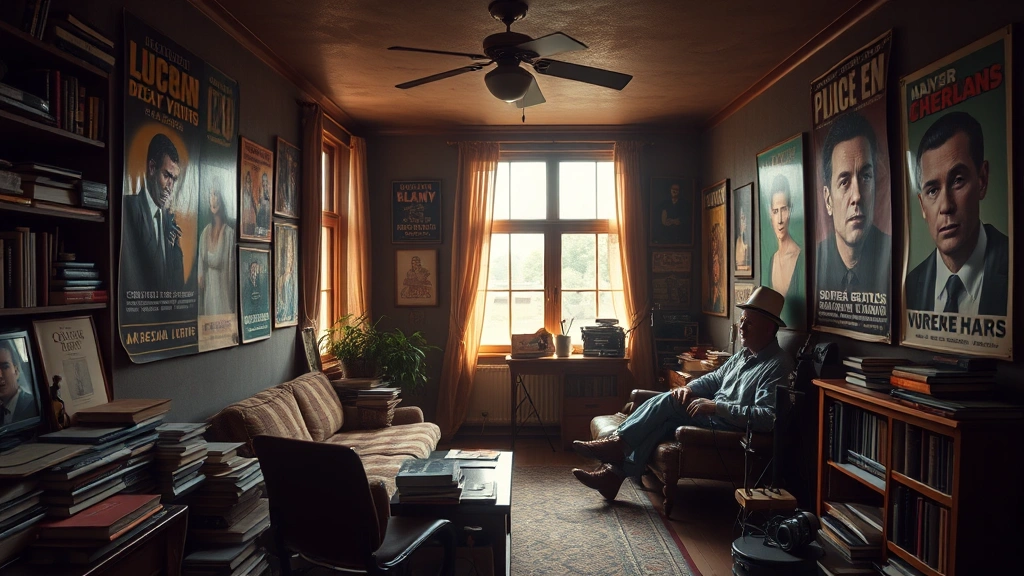
Bertolucci’s direction of “The Dreamers” showcases masterful visual storytelling that communicates meaning through composition, lighting, and camera movement rather than relying solely on dialogue or plot development. The film’s apartment setting, where much of the narrative unfolds, becomes a character itself—a space defined by walls of books, posters of cinema icons, and the accumulated detritus of intellectual life. The confined space creates visual tension that complements the emotional intensity of the characters’ interactions.
The cinematography by Philippe Rousselot employs natural light to create a sense of authenticity while maintaining aesthetic sophistication. The contrast between the intimate interior spaces and the chaotic exterior world of revolutionary Paris provides visual metaphor for the characters’ retreat into personal passion. The film’s color palette—dominated by warm tones in the apartment, cooler tones in the streets—reinforces this spatial and emotional division.
Camera movement throughout the film remains purposeful and economical. Rather than employing flashy technique for its own sake, Bertolucci uses camera placement and movement to guide viewer attention and reinforce emotional beats. The film trusts its audience to read meaning from visual language, demonstrating sophisticated filmmaking that respects viewer intelligence. This approach contrasts sharply with contemporary mainstream cinema’s tendency toward visual overstimulation and constant cutting.
Themes of Isolation and Connection
Paradoxically, “The Dreamers” explores isolation and connection simultaneously. The three protagonists retreat from the world outside into their apartment sanctuary, creating a microcosm of intimate connection that simultaneously isolates them from broader social engagement. This tension between personal connection and social responsibility becomes increasingly apparent as the film progresses, culminating in a rupture that forces the characters to confront the consequences of their chosen isolation.
The film suggests that genuine human connection requires vulnerability, intellectual honesty, and willingness to be changed by others. Matthew’s presence disrupts the closed system of Theo and Isabelle’s relationship, introducing external perspective that both enriches and destabilizes their emotional equilibrium. The characters’ eventual separation reflects the film’s recognition that intense emotional connection, however genuine, cannot exist in perpetual isolation from broader reality.
This thematic concern resonates powerfully in contemporary culture, where digital technology simultaneously facilitates connection and enables isolation. The film’s exploration of how individuals use relationships to escape from broader social responsibility offers relevant commentary on contemporary patterns of engagement and withdrawal. The ScreenVibeDaily Blog frequently examines how cinema reflects contemporary social concerns, and “The Dreamers” provides rich material for such analysis.
Modern Relevance and Cultural Impact
“The Dreamers” maintains remarkable relevance in contemporary cultural discourse despite its historical setting. The film’s examination of how young people construct identity through consumption of cultural products speaks directly to contemporary social media culture, where identity formation increasingly occurs through curation and sharing of media references. The characters’ obsessive engagement with cinema mirrors contemporary patterns of engagement with streaming content, social media, and digital culture.
The film’s treatment of political consciousness also resonates in contemporary context. In an era of significant social upheaval and political polarization, “The Dreamers” offers a nuanced perspective on how personal development intertwines with historical moment. The film neither celebrates nor condemns revolutionary impulse; instead, it examines the psychological complexity underlying political commitment and the ways personal relationships complicate ideological purity.
Bertolucci’s direction influenced numerous subsequent filmmakers who similarly employed meta-cinematic approaches and intimate character studies examining how cultural consumption shapes consciousness. The film’s critical reputation has only strengthened over time, with contemporary film scholars recognizing its sophisticated approach to narrative, theme, and visual language. When considering best movie review sites, one finds that serious critical engagement with “The Dreamers” remains central to discussions of contemporary cinema’s artistic possibilities.
The film’s exploration of passion, politics, and cinema’s transformative power continues to provoke discussion among film scholars, critics, and educated audiences. Its refusal to provide easy answers or moral clarity distinguishes it from more conventional narrative cinema. Instead, Bertolucci trusts viewers to grapple with the film’s complexities, to form their own conclusions about the characters’ choices, and to recognize the film’s relevance to their own experiences of passion, connection, and engagement with cultural products.
Contemporary streaming platforms have made “The Dreamers” more accessible to global audiences, introducing new generations to Bertolucci’s vision. The film’s continued discovery by viewers who may have missed its theatrical release demonstrates its enduring artistic value. As digital platforms reshape how audiences encounter cinema, films like “The Dreamers” that reward close attention and repeat viewing offer alternatives to algorithmic recommendations of content designed for passive consumption.
For audiences interested in exploring similar character-driven narratives that examine how cinema shapes consciousness and identity, examining best family movies 2025 reveals how contemporary filmmakers continue exploring intimate relationships and personal transformation. While contemporary family-oriented cinema necessarily differs from Bertolucci’s adult-focused exploration, the underlying concern with how individuals navigate relationships and construct meaning through shared experiences remains consistent across cinema history.
“The Dreamers” ultimately resonates because it recognizes cinema’s profound power to shape human consciousness. The film suggests that the stories we consume, the images we internalize, and the characters we empathize with become part of our psychological makeup. In an era of unprecedented media consumption, this insight proves more relevant than ever. Bertolucci’s film stands as a masterwork precisely because it examines these concerns with artistic sophistication, psychological depth, and visual poetry that elevates the material into genuine art.
FAQ
What is “The Dreamers” about?
“The Dreamers” follows three young film enthusiasts—Matthew, an American student, and French siblings Theo and Isabelle—during the turbulent May 1968 events in Paris. The film explores their intense emotional relationships, passion for cinema, and gradual political awakening amid revolutionary upheaval.
When was “The Dreamers” released?
Bernardo Bertolucci’s “The Dreamers” premiered in 2003, though it is set during the historical events of May 1968 in Paris. The film received significant critical attention and generated considerable discussion regarding its mature content.
Why is “The Dreamers” considered significant cinema?
The film represents sophisticated filmmaking that examines how cinema shapes consciousness, how personal relationships intertwine with historical moments, and how young people construct identity through cultural consumption. Its meta-cinematic approach and nuanced character development distinguish it as important contemporary cinema.
What themes does “The Dreamers” explore?
The film explores passion, political consciousness, the transformative power of cinema, isolation and connection, intellectual engagement, and the ways personal relationships complicate ideological positions. It examines how individuals use cultural products to construct meaning and identity.
Is “The Dreamers” appropriate for all audiences?
No. The film contains explicit content and mature themes suitable primarily for adult audiences. Its exploration of passion and sexuality, while artistically justified, requires viewer maturity and willingness to engage with challenging material.
How does “The Dreamers” compare to other films about 1968?
“The Dreamers” uniquely combines intimate character study with historical backdrop, focusing on how personal relationships reflect and respond to broader historical forces. Rather than emphasizing external historical events, the film prioritizes internal psychological development of its characters during a transformative historical moment.
What is the significance of the film references in “The Dreamers”?
The extensive film references throughout “The Dreamers” serve thematic purposes, suggesting that cinema constitutes the characters’ intellectual and emotional vocabulary. The references demonstrate how media consumption shapes consciousness and how individuals use cultural products to understand themselves and the world.


