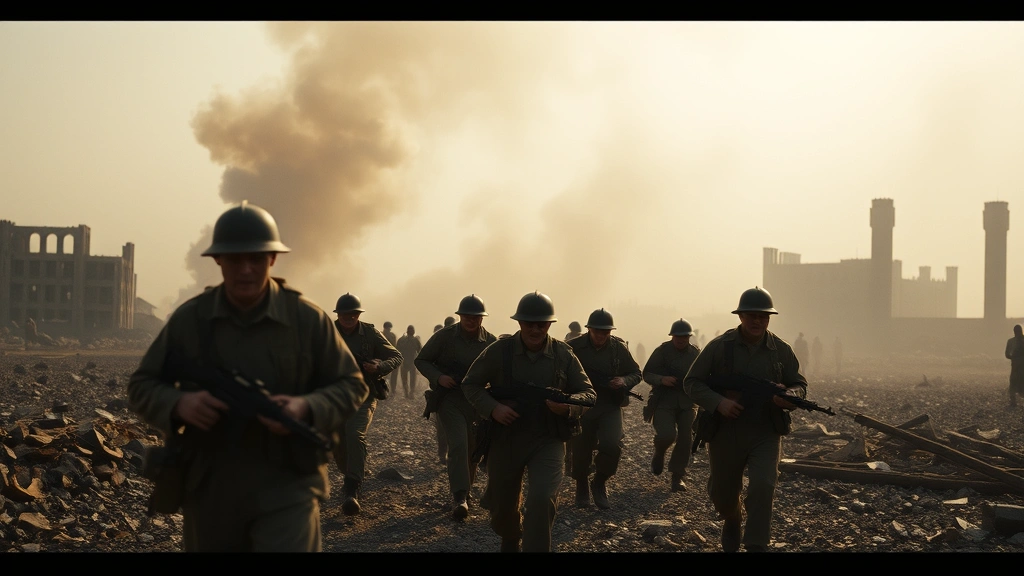
Top War Movies Ever Made: Critic Picks
War cinema represents one of the most powerful mediums for exploring human conflict, sacrifice, and resilience. The best war movies of all time transcend simple entertainment—they function as historical documents, moral examinations, and artistic achievements that challenge audiences to confront the complexities of armed conflict. From intimate character studies to sprawling epic narratives, these films have shaped how we understand warfare across generations.
Critics and film scholars consistently recognize certain war films as masterpieces that define the genre. These selections aren’t merely popular entertainment; they represent works that have influenced filmmaking itself, introduced innovative cinematographic techniques, and provoked global conversations about the human cost of war. Whether you’re exploring best movies on Netflix or discovering films through traditional channels, understanding these critical benchmarks enriches your viewing experience and cultural literacy.
The Masterpieces Defining War Cinema
Stanley Kubrick’s Paths of Glory (1957) stands as a foundational text in war cinema criticism. This film doesn’t celebrate military valor; instead, it scrutinizes the machinery of command, exploring how institutional power can destroy individual lives. The court-martial sequence remains a masterclass in tension-building, with Kubrick’s camera work creating psychological claustrophobia that mirrors the moral imprisonment of his characters. Critics consistently rank this film among the essential explorations of military injustice.
Akira Kurosawa’s Ran (1985) translates Shakespeare’s King Lear into a Japanese feudal warfare setting, creating what many consider cinema’s most visually stunning war film. The color cinematography—particularly the striking use of red, black, and white—transforms battle sequences into tragic ballets. Kurosawa’s approach demonstrates how war movies can function simultaneously as character studies and visual poetry, influencing countless filmmakers who followed.
Francis Ford Coppola’s Apocalypse Now (1979) redefined how cinema could represent the Vietnam War. The film’s experimental narrative structure, haunting score, and surrealist imagery created a psychological journey into warfare that prioritizes internal collapse over external action. Coppola’s willingness to blur documentary and fiction, reality and hallucination, established new possibilities for how war narratives could challenge audience expectations.
Steven Spielberg’s Schindler’s List (1993) approached Holocaust cinema with unflinching realism and emotional depth. The film’s black-and-white cinematography and handheld camera work create an intimate proximity to historical tragedy. As a work of war cinema focused on moral resistance and human dignity amid systematic horror, it fundamentally changed how filmmakers approached depicting atrocity. The film influenced an entire generation of historical documentarians and dramatists.
Terrence Malick’s The Thin Red Line (1998) introduced philosophical complexity to war cinema on an unprecedented scale. Rather than emphasizing plot mechanics, Malick’s film explores the relationship between nature, spirituality, and human violence. The film’s experimental narrative structure and poetic voice-over created a template for how war cinema could prioritize contemplation over action, influencing the aesthetic direction of contemporary artistic cinema.
Key characteristics of masterpiece war films:
- Moral complexity and ethical questioning
- Innovative visual and narrative techniques
- Character development beneath action sequences
- Historical accuracy balanced with artistic interpretation
- Lasting influence on subsequent filmmakers

Historical Epics That Reshaped the Genre
David Lean’s Lawrence of Arabia (1962) established the template for epic war cinema. The film’s sweeping cinematography, complex protagonist, and examination of colonialism created a blueprint that influenced decades of historical filmmaking. Lean’s approach—balancing intimate character moments with grand visual spectacle—demonstrated that war epics could achieve both commercial success and critical acclaim while maintaining thematic depth.
Sergei Bondarchuk’s War and Peace (1966) remains the most ambitious adaptation of Tolstoy’s novel, with battle sequences that required unprecedented production coordination. Soviet cinema’s investment in this project reflected the cultural importance placed on representing historical warfare. The film’s scale demonstrates how institutional filmmaking could create immersive historical experiences that rival theatrical spectacle.
Saving Private Ryan (1998) revolutionized war film aesthetics through its commitment to visceral realism. The Normandy landing sequence fundamentally changed audience expectations for how combat should be represented. Spielberg’s use of handheld cameras, desaturated color, and chaotic editing created a new standard for authenticity that influenced military and documentary filmmakers alike. The film’s technical achievement earned recognition from Pew Research Center studies examining media representation of warfare.
Peter Jackson’s They Shall Not Grow Old (2014) approached historical war cinema through documentary restoration and colorization of World War I footage. Jackson’s willingness to invest in archival recovery and technological innovation created a hybrid form that bridges documentary and dramatic cinema. The film demonstrates how contemporary technology can provide new access to historical reality.
Christopher Nolan’s Dunkirk (2017) reimagined war cinema through fractured temporal structure. Rather than linear narrative, Nolan constructed the film across three simultaneous timeframes, creating disorientation that mirrors combat experience. The film’s technical sophistication—including IMAX cinematography and Hans Zimmer’s innovative sound design—established new possibilities for how narrative structure could enhance thematic meaning in war stories.
Intimate Character-Driven War Stories
Florian Zeller’s The Son and similar intimate war dramas demonstrate that conflict cinema doesn’t require large-scale battle sequences. The most effective contemporary war film criticism increasingly recognizes that personal struggles during wartime often carry greater emotional weight than military operations. These character-focused narratives prioritize psychological realism over spectacle.
Werner Herzog’s Rescue Dawn (2006) examines survival and psychological endurance through the story of a downed pilot. Herzog’s documentary background informs his approach to dramatic storytelling, creating authenticity through observed detail rather than grand gestures. The film demonstrates how war cinema can function as intimate psychological thriller while maintaining historical specificity.
Ari Folman’s Waltz with Bashir (2008) used rotoscope animation to represent the director’s fragmented memories of the Lebanon War. This formal choice—animating rather than dramatizing traumatic memory—created distance that paradoxically increased emotional impact. The film demonstrates how formal innovation can express psychological truth that conventional narrative cannot achieve.
Barry Jenkins’ approach to intimate storytelling across his filmography suggests how contemporary cinema increasingly values character interiority in war narratives. The trend toward character-driven cinema reflects broader cultural shifts toward psychological complexity in how we understand conflict.
Modern War Films and Contemporary Perspectives
Contemporary war cinema reflects evolving political consciousness regarding military intervention and its consequences. Kathryn Bigelow’s The Hurt Locker (2008) examined modern warfare through the perspective of bomb disposal specialists, emphasizing the psychological toll of contemporary combat. The film’s tight focus on individual experience within institutional military structures created debate about how cinema should represent ongoing conflicts.
Denis Villeneuve’s Sicario (2015) blurred distinctions between war and law enforcement, exploring modern conflict across borders. The film’s ambiguous moral framework reflected contemporary anxieties about covert operations and institutional morality. Villeneuve’s visual sophistication—particularly Roger Deakins’ cinematography—established aesthetic standards for how modern conflict cinema should be executed.
Paul Greengrass’s Captain Phillips (2013) and News of the World adaptations demonstrate how contemporary filmmakers approach real-world conflict with documentary-inflected techniques. The emphasis on procedural authenticity reflects audience sophistication regarding military and geopolitical realities. These films prioritize research and technical accuracy as foundations for dramatic storytelling.
Trends in contemporary war cinema:
- Emphasis on individual psychology over institutional narrative
- Exploration of civilian impact and collateral consequences
- Documentary-influenced aesthetic approaches
- Moral ambiguity replacing clear heroic frameworks
- Global perspectives on conflict rather than nationalist viewpoints
- Integration of digital cinematography and advanced technical approaches
Technical Innovation in War Filmmaking
War cinema has consistently pushed technical boundaries. Roger Deakins’ cinematography across multiple war films established how digital cinematography could achieve the texture and depth previously associated with film stock. His work on Sicario, 1917, and other conflict narratives demonstrates how technical mastery serves thematic purpose.
Sam Mendes’ 1917 (2019) utilized continuous-shot cinematography to create immersion in World War I combat. The technical achievement—filming complex sequences without visible cuts—required unprecedented coordination between cinematography, production design, and performance. The film demonstrates how technical constraint can generate creative solutions that enhance storytelling.
Hans Zimmer’s sound design across multiple war films—particularly Dunkirk and The Last Duel—demonstrates how audio design functions as narrative tool. Zimmer’s willingness to use unconventional sound sources and aggressive dynamic range creates psychological impact that visual elements alone cannot achieve. Studies on media representation, including American Press Institute research, increasingly recognize how technical elements shape audience interpretation.
Virtual production technologies and advanced visual effects have enabled contemporary filmmakers to recreate historical warfare with unprecedented detail. However, critical consensus suggests that technical sophistication without thematic purpose creates hollow spectacle. The most respected contemporary war films balance technical innovation with substantive storytelling.
Where to Watch These Critical Favorites
Many classic war films are available through streaming platforms, though availability fluctuates by region and season. If you’re searching for quality cinema recommendations, explore movie review sites that provide comprehensive critical context alongside availability information.
Criterion Collection releases represent the gold standard for war film restoration and presentation. These curated editions include supplementary materials—documentaries, director commentaries, essays—that enhance understanding of how these films function within cinema history. Investing in physical media for significant films ensures long-term access regardless of streaming service changes.
Film festivals continue presenting retrospectives of war cinema, particularly around anniversaries of significant historical events. International film festivals provide opportunities to discover non-English language war films that expand perspective beyond Hollywood productions. Programming curated by film scholars offers context that enhances critical appreciation.
Educational institutions often maintain film libraries with comprehensive war cinema collections. University courses examining war cinema provide structured analysis and critical frameworks for understanding how these films function as historical documents and artistic achievements. Consider seeking out critical journalism examining war cinema’s cultural impact.
Documentary platforms have increasingly featured films about war cinema itself—production documentaries, director interviews, and historical analyses that illuminate creative decision-making. These materials provide valuable context for understanding how filmmakers approach representing warfare.
FAQ
What makes a war movie critically acclaimed versus commercially successful?
Critical acclaim typically emphasizes artistic innovation, thematic depth, and historical significance, while commercial success depends on broad audience appeal and entertainment value. The most respected war films achieve both, though they may have required time to build critical reputation. Saving Private Ryan and Schindler’s List exemplify films that achieved simultaneous critical and commercial recognition.
Are documentary war films considered differently than dramatic adaptations?
Documentary war films prioritize historical authenticity and archival evidence, while dramatic films balance historical accuracy with narrative invention. Contemporary criticism increasingly recognizes that both approaches offer valuable perspectives. Films like They Shall Not Grow Old blur these distinctions, combining documentary footage with artistic intervention.
How have war films reflected changing attitudes toward military conflict?
Early war cinema often celebrated military valor and nationalist perspectives. Contemporary war films increasingly examine psychological trauma, institutional corruption, and civilian impact. This shift reflects broader cultural evolution in how societies process military experience. Modern filmmakers approach warfare with skepticism toward heroic narratives.
Which war films offer the most historically accurate representations?
Films like Saving Private Ryan, 1917, and They Shall Not Grow Old invested significantly in historical research and technical consultation. However, all dramatic films prioritize storytelling over complete accuracy. Critical viewers should engage with supplementary historical materials to contextualize cinematic representations.
What role do non-English language war films play in critical discourse?
International war cinema offers perspectives often absent from English-language productions. Soviet, European, and Asian war films provide culturally specific approaches to representing conflict. Critical engagement with global war cinema expands understanding of how different societies process historical trauma through cinema.
How do war films differ from military thrillers or action films?
War films prioritize thematic examination of conflict’s human and moral dimensions, while action films emphasize spectacle and entertainment. Military thrillers focus on procedural elements and suspense. The distinction matters for critical evaluation—each category employs different standards for assessing success.


