Gods of Egypt: A Visual Effects Breakdown
Gods of Egypt (2016) stands as one of the most ambitious visual effects showcases in modern cinema, blending classical mythology with cutting-edge digital artistry. Director Alex Proyas crafted a visually stunning world where ancient Egyptian deities clash in an epic battle for control, demanding unprecedented levels of VFX innovation. The film’s technical achievements deserve examination not merely for their spectacle, but for how they revolutionized character animation, creature design, and digital environments in ways that influenced the industry’s approach to mythological storytelling.
The production required collaboration between multiple VFX studios, including MPC, Weta Digital, and Framestore, each contributing specialized expertise to realize Proyas’ grand vision. What emerged was a masterclass in combining practical effects, digital enhancement, and innovative motion capture technology. Whether you’re interested in cinematic techniques or fascinated by the technical wizardry behind blockbuster productions, this breakdown reveals how Gods of Egypt pushed boundaries and occasionally stumbled in its ambitious reach.
Character Animation and Motion Capture
The human characters in Gods of Egypt underwent sophisticated motion capture processes to ground their performances within the fantastical setting. The primary cast, including Gerard Butler as Set and Nikolaj Coster-Waldau as Horus, performed their scenes with markers attached to specialized suits, allowing technicians to translate their movements into digital avatars. This approach ensured that emotional nuance and physicality remained authentic even as characters were digitally enhanced or placed within impossible environments.
The motion capture data formed the foundation for character refinement. Rather than creating performances from scratch, animators used captured movements as a baseline, then enhanced them with superhuman qualities befitting divine beings. Horus, the falcon-headed god of the sky, required special attention—his head movements needed to convey both human emotion and avian characteristics. The team at Weta Digital developed proprietary software to blend these contradictory anatomical requirements, creating a character that felt simultaneously human and otherworldly.
The challenge intensified when characters interacted with scale-shifted environments or other creatures. When Horus fights alongside Ra, the sun god rendered at a dramatically different scale, the animation team had to ensure spatial relationships remained convincing. They employed a technique called dynamic scaling, where digital characters’ movements were adjusted in real-time to match perspective and distance calculations. This prevented the jarring effect of oversized characters moving with inappropriate physics.
Actor performances also required post-capture enhancement to match the film’s stylized aesthetic. Facial expressions were subtly exaggerated to read clearly at the scale these characters occupied within their digital environments. The team studied classical theatrical performance techniques and applied them to digital characters, understanding that naturalism alone wouldn’t convey the grandeur Proyas envisioned. For those interested in how storytelling evolves across mediums, understanding film analysis methodologies provides valuable context.
Divine Creature Design
Perhaps the most visually distinctive elements of Gods of Egypt are its creature designs, particularly the hybrid forms representing various deities. The design philosophy balanced anatomical plausibility with mythological accuracy, creating beings that appeared possible within their universe while maintaining recognizable iconography from Egyptian tradition.
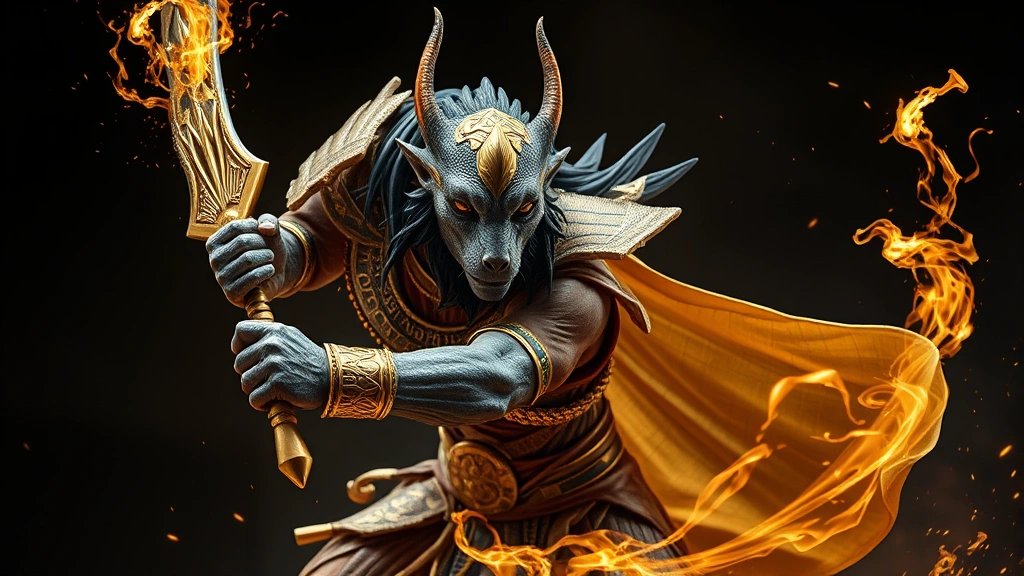
Thoth, the ibis-headed god of wisdom, exemplified this balance. Rather than a simple human body with a bird’s head attached, the character design evolved avian characteristics throughout his anatomy. His posture reflected avian grace; his movements incorporated subtle wing-like gestures even with human arms; his color palette mimicked ibis plumage. The design team spent months studying bird anatomy, movement patterns, and behavioral characteristics before finalizing the digital model.
The creature department, working closely with anatomists and paleontologists, developed detailed internal structures for hybrid characters. Although invisible to viewers, understanding skeletal structure, muscle distribution, and organ placement ensured that movement appeared authentic rather than weightless. When Sekhmet, the lion-headed warrior goddess, strikes opponents, her movements reflect actual feline power combined with human tactical awareness—a synthesis requiring deep knowledge of both animal and human biomechanics.
Color and texture work elevated creature design beyond mere anatomical accuracy. The team developed specialized rendering techniques to create skin that appeared simultaneously human and animal. Subsurface scattering—a technique simulating light penetration through semi-translucent surfaces—was calibrated differently for human sections versus animal components, creating visual continuity across hybrid forms. When comparing visual spectacle across streaming platforms, few films match Gods of Egypt‘s creature achievement.
Environmental Worldbuilding
The film’s Egyptian setting required construction of massive digital environments—pyramids, temples, celestial realms, and the Underworld. Rather than relying exclusively on digital recreation, the production combined location shooting in Australia and Morocco with extensive digital enhancement. Practical sets provided lighting reference and physical grounding; digital work extended and transformed these foundations into mythologically appropriate spaces.
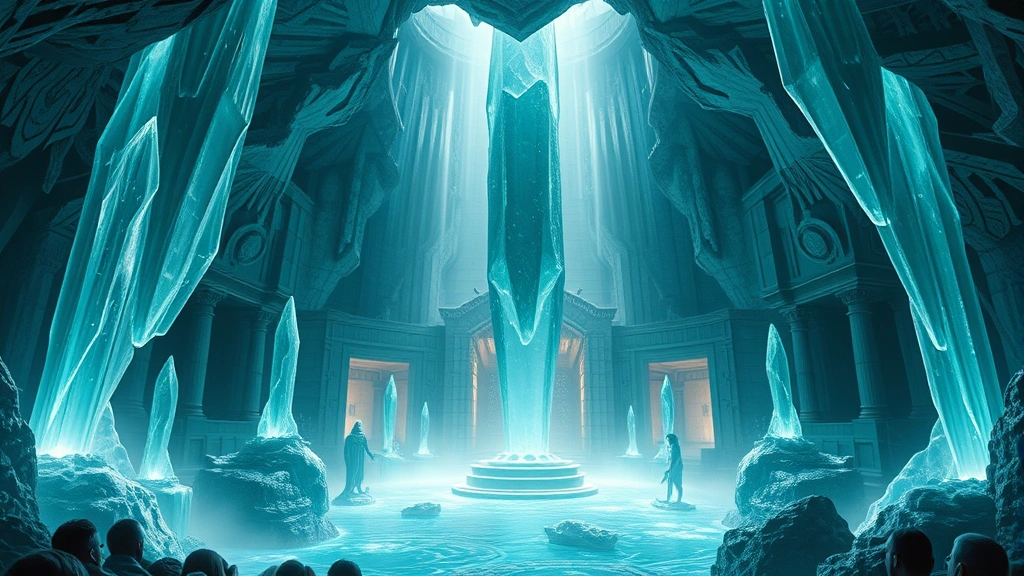
The Underworld sequence demonstrates environmental ambition at its peak. The team created a vast, impossible landscape featuring waterfalls flowing upward, crystalline structures defying gravity, and atmospheric effects suggesting divine rather than natural physics. Creating convincing gravity-defying environments required developing custom simulation software. Standard physics engines operate under earthly assumptions; the Underworld demanded rules allowing water to flow in multiple directions simultaneously while maintaining visual coherence.
Lighting design proved crucial for environmental believability. The production employed a technique called virtual lighting, where digital lamps were positioned within 3D environments to create naturalistic illumination despite impossible geometries. When characters move through spaces where light sources shouldn’t logically exist, virtual lighting ensures they appear naturally illuminated rather than flat or artificially lit.
The celestial realms occupied by Ra required different environmental logic entirely. Rather than solid ground, these spaces featured clouds, divine energy, and architectural elements that seemed to exist in pure light. The rendering team developed specialized shaders—programs defining how surfaces respond to light—that made environments appear luminous from within rather than illuminated from external sources. This distinction, subtle to casual viewers, creates profound visual differences in how spaces feel.
Practical Effects Integration
While Gods of Egypt relies heavily on digital effects, practical elements ground the film in tactile reality. Explosions, water interactions, and destruction sequences combined practical filming with digital enhancement. This hybrid approach, rather than pure CGI, provided lighting references and physical authenticity that purely digital sequences sometimes lack.
The production filmed practical explosions and destruction on set, capturing real fire, debris, and smoke. These elements were then composited with digital characters and environments, creating interactions that appear genuinely physical. When a practical explosion interacts with digital characters, the lighting and particle behavior feel authentic because they’re based on real physical phenomena rather than simulation alone.
Stunt work, another practical element, required careful coordination with VFX teams. Actors performed combat sequences that were partially practical and partially enhanced digitally. A sword strike might feature actual contact between real weapons, with digital enhancement adding supernatural effects—energy trails, impact waves, or divine light. This blend of practical and digital created fight choreography that felt weighty and consequential rather than weightless.
Water effects particularly benefited from hybrid approaches. Filming actors in practical water environments provided authentic interaction data. Digital enhancement then added impossible elements—water moving against gravity, crystalline formations, or luminescent properties. The combination proved more convincing than either approach alone could achieve.
Color Grading and Visual Palette
The film’s distinctive visual aesthetic emerges largely from its color grading—the process of adjusting colors and tones after filming concludes. Director Alex Proyas collaborated with colorist to create a palette dominated by golds, crimsons, and deep blues, evoking ancient Egypt while maintaining stylized artificiality. The color work signals to viewers that they’re experiencing heightened reality rather than naturalism.
Gold tones dominate the divine realms, suggesting wealth, divinity, and otherworldliness. Rather than naturalistic gold—which would appear gaudy—the color team employed sophisticated color grading to integrate gold tones into skin, environments, and lighting without overwhelming the image. This required understanding color harmony and psychological responses to specific hues.
The Underworld employed inverse color logic, featuring cool blues and teals where the divine realms featured warm golds. This chromatic opposition reinforces the psychological and spiritual distinction between realms. When characters transition between environments, the color shift signals dimensional change as effectively as any visual effect.
Shadow work received particular attention. Rather than allowing shadows to fall naturally, the color team manipulated shadow color to maintain visual interest and clarity. Shadows in divine realms contain hints of blue and purple rather than true black, preventing images from becoming too dark while maintaining dimensional clarity. This technique, called shadow coloring, became increasingly common in fantasy and superhero films following Gods of Egypt‘s release.
Technical Challenges and Solutions
Despite its achievements, Gods of Egypt encountered significant technical challenges. The sheer volume of digital characters required render farms working continuously throughout post-production. A single frame featuring multiple divine beings might require 200+ hours of processing time, creating bottlenecks in the pipeline.
The production solved rendering challenges through distributed computing. Rather than relying on single render farms, multiple facilities worked simultaneously on different shots. This required sophisticated asset management systems ensuring consistency across facilities. Character models, textures, and animation data had to remain synchronized despite being processed across different studios and locations.
Scale inconsistencies plagued early production stages. When characters of vastly different sizes interact, maintaining spatial logic becomes complex. The team developed proprietary tools for real-time scale calculation, allowing animators to preview interactions before committing to lengthy render times. This prevented discovering scale problems after rendering consumed weeks of computing resources.
Communication between international teams posed organizational challenges. The production involved studios in New Zealand, United Kingdom, Canada, and Australia, each operating in different time zones. Establishing protocols for asset sharing, feedback integration, and quality control required unprecedented coordination. The project pioneered several collaboration methodologies later adopted by other large-scale productions.
Looking at how professional reviewers evaluate technical achievement, Gods of Egypt demonstrates that technical mastery alone doesn’t guarantee critical success. The film received mixed reviews despite its VFX excellence, suggesting that visual spectacle requires compelling narrative integration to achieve lasting impact.
The production’s technical innovations influenced subsequent mythological and fantasy films. Studios studying Gods of Egypt‘s approach adopted similar hybrid practical-digital workflows, creature design methodologies, and environmental rendering techniques. While the film’s narrative received criticism, its technical contributions remain significant to industry practice.
Understanding Gods of Egypt‘s visual effects requires appreciating both achievement and limitation. The technical execution demonstrates what’s possible when unlimited budgets meet ambitious vision. Yet the film also illustrates that technical mastery requires narrative context to achieve artistic success. Memorable cinema emerges from balancing technical excellence with storytelling substance.
FAQ
How much did Gods of Egypt cost to produce?
The film’s budget reached approximately $140 million, making it one of the most expensive productions of its era. This substantial investment reflected the extensive VFX work, international filming locations, and A-list cast. The budget supported the elaborate creature designs, environmental construction, and international studio collaboration required to realize Proyas’ vision.
Which VFX studios contributed to the film?
Primary VFX contributors included MPC (Moving Picture Company), Weta Digital, and Framestore. Each studio specialized in different aspects—creature animation, environmental effects, and character enhancement respectively. Additional smaller facilities contributed specialized work, creating a distributed production network involving hundreds of visual effects artists.
How long did post-production take?
Post-production extended approximately 18 months, an extensive timeline reflecting the film’s technical complexity. The length allowed for iterative refinement, problem-solving, and quality control across multiple international facilities. Such extended timelines became more common for effects-heavy productions following industry lessons learned from Gods of Egypt.
What motion capture technology did the production use?
The production employed optical motion capture systems, using infrared cameras tracking reflective markers attached to performer suits. This technology, standard in the industry, provided accurate movement data that artists refined in post-production. The captured data formed the foundation for all character animation, ensuring performances remained grounded in actor physicality.
How did the team create the hybrid creature designs?
Creature design combined anatomical research, mythological study, and digital artistry. Designers studied animal anatomy extensively, then developed digital models balancing anatomical plausibility with mythological accuracy. Character rigging—creating digital skeletons—required specialized expertise ensuring hybrid anatomies moved convincingly despite their impossible nature.
What makes the film’s visual effects significant to the industry?
Beyond spectacle, Gods of Egypt pioneered techniques for rendering hybrid creatures, managing large-scale digital character interactions, and integrating practical and digital effects seamlessly. The production’s workflow innovations influenced subsequent fantasy and superhero films, establishing standards for international VFX collaboration and distributed rendering pipelines.


