
Top Greek Mythology Movies: Expert Recommendations
Greek mythology has captivated audiences for millennia, and its transition to cinema has produced some of the most visually stunning and narratively compelling films ever made. From ancient epics to modern retellings, Greek mythology movies continue to dominate box offices and streaming platforms worldwide. These films explore timeless themes of heroism, fate, love, and redemption through the lens of gods, goddesses, and legendary heroes who shaped Western culture.
The appeal of Greek mythology in film lies in its universal storytelling—tales that resonate across generations and cultures. Whether you’re seeking action-packed adventures, intimate character dramas, or thought-provoking interpretations of classic legends, the cinematic landscape offers remarkable options. This guide examines the most impactful Greek mythology movies, analyzing their cultural significance, production excellence, and lasting influence on how we perceive these ancient stories in contemporary media.
Epic Adventures: The Blockbuster Classics
Clash of the Titans (1981) remains a foundational entry in the Greek mythology movie genre, combining stop-motion animation with live-action sequences to create an unforgettable viewing experience. The film follows Perseus on his quest to save Princess Andromeda from the terrifying Kraken, featuring iconic creatures and mythology-inspired action sequences. Director Desmond Davis crafted a visual spectacle that influenced countless filmmakers and established the template for epic mythology adaptations.
The 2010 remake of Clash of the Titans modernized the story with CGI technology, though critical reception remained mixed. What’s undeniable is how this franchise demonstrated the commercial viability of Greek mythology content—a lesson that studios continue to leverage today. The film’s success spawned Wrath of the Titans (2012), extending the Perseus saga and proving audiences possessed seemingly endless appetite for these ancient narratives reimagined through contemporary filmmaking techniques.
Troy (2004) represents another monumental entry in epic Greek mythology cinema, bringing Homer’s Iliad to life with a massive budget and star-studded cast. Brad Pitt’s portrayal of Achilles became instantly iconic, while the film’s depiction of the Trojan War demonstrated how mythology could anchor sprawling, complex narratives involving hundreds of characters and elaborate battle sequences. Wolfgang Petersen’s direction created a visceral experience that transported viewers to ancient battlefields, even as historians and classicists debated its historical accuracy.
When exploring ScreenVibeDaily’s film recommendations, you’ll discover that epic mythology films consistently rank among the most discussed entries, reflecting their continued cultural relevance and entertainment value. These blockbuster productions prove that ancient stories possess remarkable staying power in contemporary media landscapes.
Modern Reinterpretations and Fresh Takes
Hercules (2014) starring Dwayne Johnson offered a grittier, more grounded interpretation of the legendary hero’s mythology. Rather than presenting Hercules as an invulnerable demigod, director Brett Ratner explored the psychological complexity of a warrior questioning whether his legendary deeds were divine or merely human accomplishments. This philosophical dimension elevated the film beyond standard action fare, inviting audiences to contemplate the nature of heroism and legacy.
The success of modern retellings demonstrates how Greek mythology remains infinitely adaptable. Contemporary filmmakers strip away romanticized elements, emphasizing psychological realism and emotional authenticity. This approach resonates with audiences accustomed to character-driven narratives in prestige television and streaming content, making mythology feel relevant rather than antiquated.
Immortals (2011) took a distinctly stylized approach, with director Tarsem Singh creating a visually distinctive world where Greek gods and mortals clash in operatic combat. The film’s aesthetic—combining practical effects with digital enhancement—created an artistic vision distinct from other mythology adaptations. Singh’s commitment to visual storytelling over exposition proved divisive among critics, yet the film cultivated a devoted following appreciating its boldly unconventional approach.
These modern interpretations often explore themes traditionally absent from classical sources. Female agency, moral ambiguity, and psychological trauma receive prominent treatment in contemporary mythology films, reflecting evolving cultural conversations about heroism and power. When consulting comprehensive movie review sites, you’ll notice critics increasingly value how modern adaptations interrogate classical narratives rather than simply reproducing them.
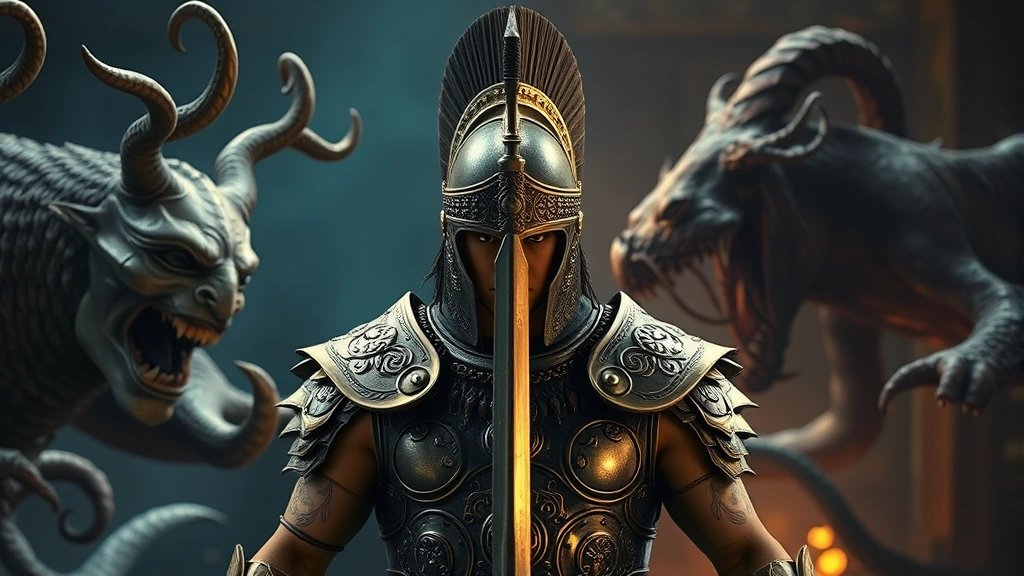
Character-Driven Mythology Films
Helen of Troy (2003) shifted focus from male warriors to the woman at the center of mythology’s greatest conflict. This television film humanized Helen, portraying her not as a passive object of desire but as a complex character navigating impossible circumstances. The film’s emphasis on psychological depth over spectacle demonstrated that mythology could anchor intimate character studies alongside epic adventures.
Orphée (1950), directed by Jean Cocteau, represents a masterpiece of mythological cinema that reimagines the Orpheus legend in contemporary Paris. Cocteau’s surrealist aesthetic transformed classical tragedy into a meditation on art, love, and mortality. The film demonstrates how Greek mythology transcends historical period—the emotional core of these stories remains universally resonant regardless of setting or stylistic approach.
A Matter of Souls and other lesser-known entries prove that Greek mythology accommodates diverse storytelling approaches. Some filmmakers focus exclusively on mythological accuracy, while others treat ancient stories as springboards for exploring contemporary themes. This flexibility ensures the mythology genre continues generating fresh content rather than recycling identical narratives.
Character-driven mythology films often emphasize dialogue and introspection over action sequences. These quieter moments allow audiences to connect with characters on emotional levels, transforming mythological figures from distant legends into relatable human beings. This approach proves particularly effective when exploring morally complex characters—Medusa, Hades, or Prometheus—whose stories invite sympathy and understanding.
Animated Interpretations of Ancient Tales
Disney’s Hercules (1997) introduced Greek mythology to younger audiences through vibrant animation and comedic storytelling. While classicists objected to its liberties with source material, the film succeeded brilliantly at making mythology accessible and entertaining for children. The film’s musical numbers, voiced performances, and character-driven humor created an entry point for lifelong engagement with these classical stories.
Animation enables visual creativity impossible in live-action productions. Filmmakers can depict mythological creatures, divine realms, and supernatural phenomena with freedom from physical constraints. This advantage explains why animated mythology films often achieve greater visual distinctiveness than live-action counterparts, creating memorable aesthetic experiences that linger in viewers’ memories.
Kahlil Gibran’s The Prophet (2014) and other animated features demonstrate how mythology and philosophical storytelling intersect in cinema. These films often emphasize narrative and thematic depth, trusting audiences to engage intellectually with complex ideas rather than relying solely on spectacle. The result creates cinema that appeals across age ranges, from children discovering these stories for the first time to adults appreciating sophisticated artistic execution.
When exploring the best mythology movies available on Netflix and similar platforms, animated interpretations frequently appear, reflecting their accessibility and streaming-friendly formats. Many families discover Greek mythology through these animated features, establishing foundational knowledge that enriches future engagement with live-action adaptations.
Mythology Movies Available Now
Contemporary streaming platforms have revolutionized access to Greek mythology films. Services now feature comprehensive collections spanning decades of productions, from obscure independent films to major studio releases. This democratization of content means viewers can curate personal mythology marathons, exploring how different eras and filmmakers interpreted identical source material.
Family-friendly mythology movies prove particularly popular on streaming services, appealing to parents seeking content that entertains children while introducing cultural literacy. These films often emphasize adventure and humor, making classical stories feel contemporary and relevant to younger viewers who might otherwise dismiss ancient narratives as inaccessible.
The explosion of streaming content has also enabled niche mythology films to reach audiences previously limited to film festival circuits. International productions, experimental adaptations, and independent interpretations now compete alongside major studio releases for viewership. This diversity enriches the mythology film landscape, ensuring multiple aesthetic and thematic approaches remain available to discerning viewers.
Production companies continue developing new mythology projects, indicating sustained industry interest in these stories. Television series like Netflix’s Kaos demonstrate how episodic formats enable deeper character exploration than feature films permit. These extended narratives allow mythological worlds to develop organically, with character arcs spanning multiple hours rather than compressed into two-hour stories.
How to Choose Your Greek Mythology Film
Selecting the ideal mythology film depends on personal preferences regarding tone, scale, and thematic focus. Action enthusiasts should gravitate toward epic adventures like Troy or Clash of the Titans, which prioritize spectacle and combat sequences. Those preferring psychological depth might explore character-driven films emphasizing emotional complexity and moral ambiguity.
Consider your familiarity with classical mythology when selecting films. Adaptations assuming audience knowledge of source material may prove frustrating for newcomers, while films designed for uninitiated viewers might feel oversimplified to mythology enthusiasts. Reading reviews from sources discussing notable film moments and dialogue helps gauge whether specific films match your knowledge level and expectations.
Visual style represents another crucial consideration. Some viewers prefer realistic aesthetics grounding mythology in tangible physical worlds, while others embrace stylized approaches emphasizing artistic vision over naturalism. Watching trailers and reading visual descriptions helps identify films matching your aesthetic preferences before committing significant viewing time.
Runtime and format matter for practical reasons. Epic mythology films often exceed three hours, demanding substantial time commitments. Animated features typically run shorter, offering efficient storytelling for viewers with limited availability. Considering whether you prefer theatrical experiences or home viewing helps narrow selections—some mythology films benefit from immersive cinema formats, while others work equally well on smaller screens.
Those interested in filmmaking craft should explore resources discussing film criticism and analysis, which often examine how mythology films employ cinematography, editing, and sound design to create compelling narratives. Understanding technical filmmaking enhances appreciation for directorial choices and artistic execution underlying these productions.

FAQ
What is the most critically acclaimed Greek mythology movie?
Troy (2004) and Clash of the Titans (1981) consistently rank among the most respected entries, though critical reception varies based on individual preferences regarding historical accuracy, visual style, and thematic depth. Orphée (1950) receives particular praise from cinephiles for its artistic innovation and psychological sophistication.
Are Greek mythology movies suitable for children?
Many mythology films contain violence and mature themes inappropriate for young viewers. Disney’s Hercules (1997) represents a child-friendly option, while animated features generally offer safer choices. Always review age ratings and content warnings before introducing mythology films to children, as classical stories often feature graphic elements.
Which Greek mythology movie best represents the source material?
No single film perfectly captures classical sources, as adaptation inherently requires modification. Troy maintains closest fidelity to Homer’s Iliad, though historians note significant deviations. Films like Orphée intentionally reimagine mythology in contemporary settings, prioritizing thematic resonance over literal accuracy.
Where can I watch Greek mythology movies?
Major streaming platforms including Netflix, Disney+, and Amazon Prime Video host comprehensive mythology film collections. Theatrical releases continue appearing regularly, while specialty streaming services cater to fans seeking obscure or international adaptations. Checking multiple platforms ensures access to the widest selection.
How do modern mythology films differ from older adaptations?
Contemporary films emphasize psychological realism, female perspectives, and moral complexity absent from earlier productions. Modern cinematography and visual effects create unprecedented aesthetic possibilities, while contemporary cultural conversations influence thematic focus and character development in ways reflecting current values and concerns.


