Bayou Movie’s Impact: Film Critic Insights and Cultural Significance
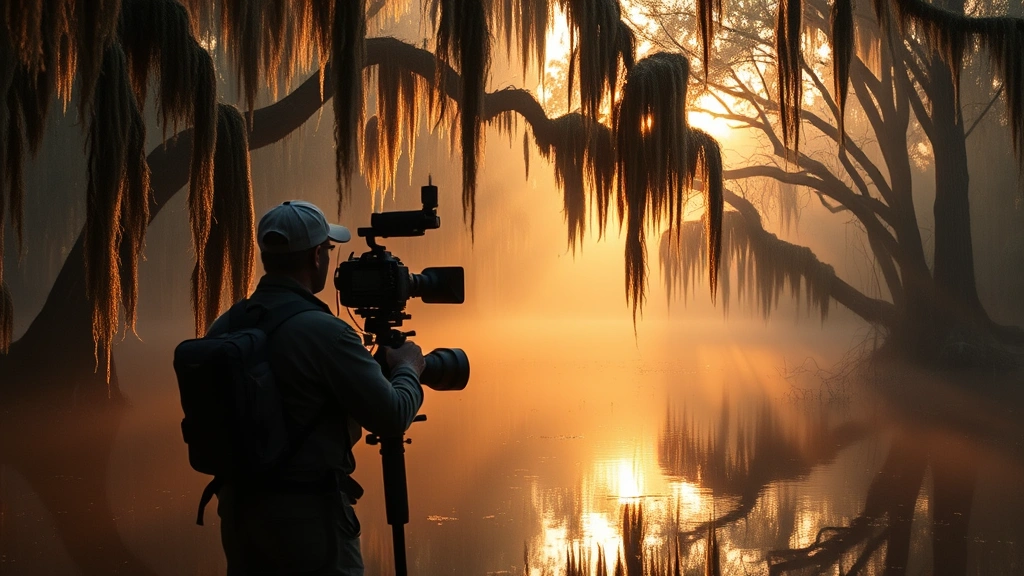
The Bayou has long captivated filmmakers as a setting rich with atmospheric potential, cultural complexity, and visual storytelling opportunities. From the murky waters and Spanish moss-draped trees to the intricate social dynamics of Louisiana’s communities, bayou-centered films offer audiences a glimpse into America’s most enigmatic regions. Recent critical discussions surrounding bayou cinema reveal how these films function as cultural documents, exploring themes of identity, survival, and the tension between tradition and modernity.
Film critics have increasingly recognized that bayou movies transcend simple regional storytelling. These narratives engage with broader conversations about environmental change, socioeconomic inequality, and the preservation of marginalized cultures. Whether examining crime dramas set in swampy Louisiana backwaters or character-driven pieces exploring family legacies, the bayou setting has proven to be far more than mere backdrop—it’s a thematic anchor that shapes how stories unfold and what meanings audiences extract from them.
The Bayou as Cinematic Character
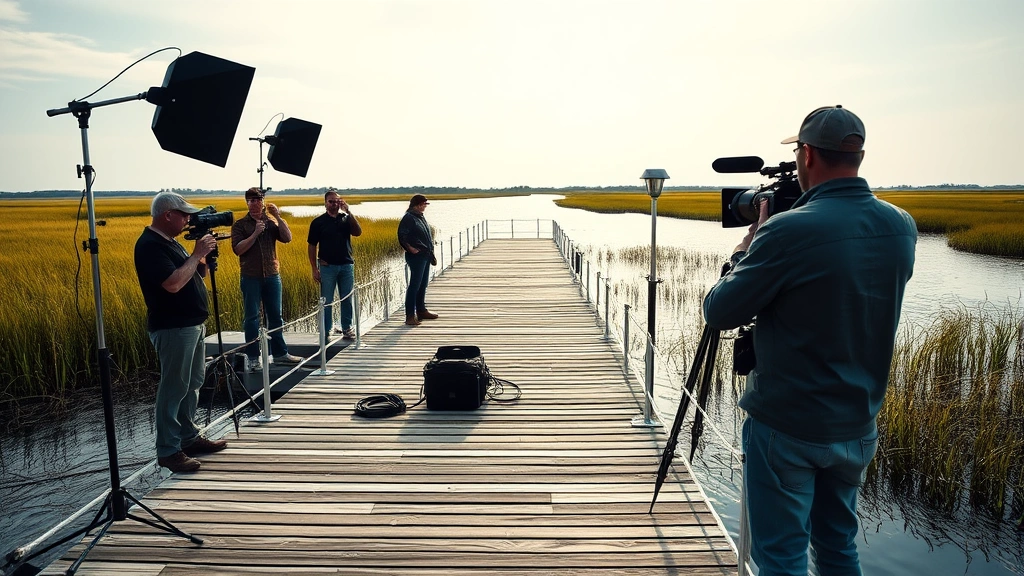
When film critics analyze bayou movies, they often discuss the setting itself as a protagonist rather than mere scenery. The bayou’s visual characteristics—its oppressive humidity, dense vegetation, and labyrinthine waterways—create an environment that naturally generates tension and mystery. Critics have noted that cinematographers working in bayou-centered productions face unique challenges and opportunities in capturing this landscape’s essence.
The environment functions symbolically across multiple genres. In thriller narratives, the bayou becomes a character defined by danger and unpredictability. In dramas, it represents isolation and the weight of history. In horror films, its darkness and remoteness facilitate psychological dread. ScreenVibe Daily’s film analysis frequently examines how setting choices influence narrative structure, and bayou films exemplify this principle perfectly.
Cinematically, the bayou offers what few other American landscapes provide: authentic visual storytelling that requires minimal artificial enhancement. The natural color palette—browns, greens, and murky blues—creates a distinctive visual signature that audiences immediately recognize. Film scholars point out that this visual distinctiveness has made bayou settings increasingly popular among directors seeking to establish immediate geographical and cultural context without extensive exposition.
The water itself deserves particular critical attention. Bayou waterways serve as both barrier and connector, literally and symbolically separating communities while providing essential transportation. This duality creates narrative possibilities unavailable in other settings, allowing filmmakers to explore themes of connection and isolation simultaneously.
Critical Reception and Audience Response
The reception of bayou films among critics reveals interesting patterns about how regional authenticity influences critical evaluation. Films that successfully capture bayou culture with nuance tend to receive stronger reviews, while those that rely on stereotypes face critical scrutiny. This distinction reflects broader conversations within film criticism about representation and cultural specificity.
According to Pew Research Center studies on media consumption, regional films increasingly attract dedicated audiences who value authentic cultural representation. Bayou movies benefit from this trend, as viewers seeking genuine depictions of Louisiana life gravitate toward productions that prioritize accuracy over sensationalism.
Audience metrics for bayou films show interesting demographic patterns. Viewers from Louisiana and surrounding regions often engage critically with these films, serving as authentic cultural arbiters. Their responses—whether praising accurate dialect usage or critiquing stereotypical portrayals—significantly influence how films are discussed in broader critical circles. This audience participation has democratized film criticism, allowing community members to challenge professional critics’ interpretations.
The streaming era has expanded bayou film accessibility, allowing critics and audiences worldwide to engage with these narratives simultaneously. This global perspective has enriched critical discourse, introducing international interpretations of American regional cinema. However, it has also created tension between local authenticity and universal appeal, a challenge that streaming platforms navigating film curation must carefully balance.
Cultural Representation and Authenticity
Film critics consistently emphasize that bayou movies’ success or failure often hinges on how authentically they represent Louisiana’s diverse communities. The bayou region encompasses multiple cultural groups—Cajuns, Creoles, Native Americans, and African American communities—each with distinct histories, dialects, and traditions. Films that acknowledge this complexity receive critical praise, while those that homogenize these cultures face justified criticism.
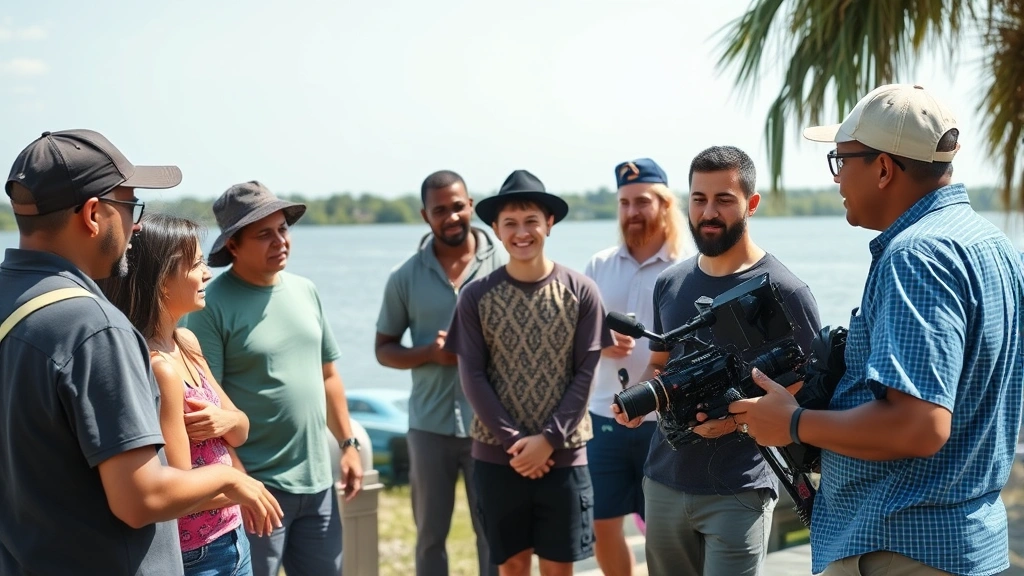
Authenticity in bayou cinema extends beyond surface-level details like accents or clothing. Critics examine whether films genuinely understand the socioeconomic realities, historical traumas, and contemporary challenges facing bayou communities. This deeper authenticity involves consulting with community members, respecting cultural protocols, and resisting exploitative narratives that sensationalize poverty or marginalization.
The representation of Creole and Cajun cultures presents particular challenges. These communities have often been misrepresented in mainstream media, portrayed through caricature rather than complexity. Recent bayou films that challenge these stereotypes—depicting characters with full interior lives, agency, and dignity—have earned critical recognition for advancing representation standards. Film critics increasingly emphasize cultural competency as essential professional skill, particularly when evaluating regional cinema.
Language representation deserves specific critical attention. Bayou films featuring authentic Louisiana French, Creole dialects, or regional English variations demonstrate commitment to cultural specificity. Critics note that these linguistic choices do more than enhance realism; they validate community identity and preserve linguistic heritage through cinematic documentation.
The environmental and economic contexts of bayou communities also demand authentic representation. Films that ignore the oil industry’s environmental impact, industrial pollution, or economic exploitation miss opportunities to explore how these factors shape community life. Critics increasingly expect bayou films to engage with these structural realities rather than treating the bayou as timeless or politically neutral.
Environmental Themes in Bayou Cinema
Contemporary film criticism recognizes that bayou movies increasingly function as environmental narratives, whether explicitly or implicitly. The bayou ecosystem faces genuine threats—coastal erosion, industrial contamination, climate change impacts—and films set in these environments inevitably engage with environmental themes, consciously or otherwise.
Critics have noted a shift toward more explicit environmental storytelling in recent bayou films. Rather than treating environmental degradation as background detail, contemporary productions elevate these concerns to thematic prominence. This approach reflects broader cultural conversations about climate responsibility and indigenous ecological knowledge, positioning bayou cinema as culturally relevant commentary rather than historical escapism.
The bayou’s precarious relationship with rising sea levels adds temporal urgency to these narratives. Films documenting bayou life implicitly preserve cultural memory of landscapes potentially threatened by future environmental change. Critics recognize this preservationist function as increasingly important, particularly for communities whose entire way of life depends on ecosystems under environmental stress.
Filmmakers working in bayou settings have become more conscious of their role as environmental documentarians. By accurately depicting the landscape’s current state, they create visual records of ecosystems and communities in flux. This responsibility—whether explicitly acknowledged or not—influences how critics evaluate bayou films’ cultural and environmental significance.
Notable Bayou Films and Their Legacy
Examining specific bayou films reveals how critical evaluation has evolved and what standards contemporary critics apply when assessing regional cinema. Classic bayou films established certain visual and narrative conventions that subsequent productions either embrace or deliberately subvert.
The critical legacy of influential bayou films demonstrates how regional cinema can achieve both commercial success and artistic credibility. Films that successfully balance authentic cultural representation with compelling narrative structure set benchmarks for subsequent productions. Critics reference these touchstones when evaluating new bayou-centered work, creating an evolving critical framework specific to the genre.
Recent bayou films have benefited from increased investment in regional storytelling and expanded distribution platforms. This infrastructure change has enabled more diverse voices to tell bayou stories, resulting in broader representation of the region’s complexity. Critics have responded positively to this diversification, recognizing how multiple perspectives enrich collective understanding of bayou culture.
The influence of bayou cinema extends beyond regional film communities. National and international critics engage with these films as examples of American regional cinema, using them to explore broader questions about place, identity, and cultural preservation. This expanded critical conversation has elevated bayou films’ cultural significance beyond their immediate regional context.
The Evolution of Bayou Storytelling
Film criticism reveals distinct eras in bayou cinema, each reflecting contemporary cultural concerns and filmmaking technologies. Early bayou films often emphasized exoticism and danger, positioning the region as fundamentally foreign to mainstream American experience. Mid-century productions sometimes perpetuated stereotypes while occasionally offering more nuanced perspectives. Contemporary bayou cinema reflects current conversations about representation, environmental justice, and cultural authenticity.
The digital era has transformed bayou filmmaking possibilities. High-definition cameras capture environmental details with unprecedented clarity, allowing cinematographers to document landscape complexity that earlier technologies couldn’t fully render. This technical advancement has enabled more sophisticated environmental storytelling and more authentic cultural representation.
Streaming platforms have fundamentally altered bayou cinema’s distribution landscape. Films no longer require theatrical release to reach national audiences, democratizing access to regional narratives. This infrastructure change has enabled independent filmmakers and smaller production companies to tell bayou stories, diversifying the voices shaping how the region is cinematically represented. Critics have recognized this democratization as beneficial for authentic representation, though concerns about algorithmic curation and visibility remain.
The future of bayou cinema appears oriented toward increased diversity in storytelling perspectives and continued emphasis on cultural authenticity. Critics anticipate continued evolution in how environmental themes are integrated into narrative structures and increased involvement of bayou community members in film production decisions.
Looking at upcoming film releases, several bayou-centered productions suggest this trend will continue strengthening. The industry’s demonstrated commitment to regional storytelling indicates that bayou cinema will remain significant within American film culture.
Film scholars increasingly recognize bayou cinema as worthy of serious critical and academic attention. Universities now offer courses analyzing regional American cinema, with bayou films frequently featured as case studies in representation, environmental storytelling, and cultural authenticity discussions. This academic legitimization has elevated critical discourse surrounding these films, encouraging more sophisticated analysis than earlier dismissals as merely regional curiosities.
Critical Frameworks for Evaluating Bayou Films
Contemporary film critics employ specific frameworks when evaluating bayou-centered productions. These frameworks extend beyond traditional narrative and technical assessment to include cultural competency, environmental awareness, and representational ethics.
The authenticity framework examines whether films accurately reflect bayou communities’ lived experiences, cultural practices, and contemporary realities. Critics assess dialect accuracy, cultural consultation processes, and whether storytelling perpetuates harmful stereotypes or challenges them. This framework acknowledges that authenticity isn’t monolithic—multiple authentic perspectives exist within bayou communities—while maintaining standards against exploitative misrepresentation.
The environmental framework evaluates how films engage with ecological realities and environmental justice issues affecting bayou communities. Critics examine whether productions acknowledge industrial pollution, climate change threats, and communities’ environmental vulnerability. This framework recognizes that environmental storytelling constitutes a form of cultural documentation increasingly important as bayou ecosystems face existential threats.
The representation framework assesses how films depict bayou community members’ agency, complexity, and dignity. Critics examine character development, whether roles perpetuate stereotypes, and whether communities are portrayed as dynamic agents shaping their own narratives or passive subjects of external forces. This framework reflects broader critical conversations about representation ethics in film.
The technical framework evaluates cinematography, sound design, and production choices specific to bayou environments. Critics assess how effectively visual and audio elements capture bayou atmosphere while avoiding clichéd imagery or exploitative aestheticization. This framework recognizes that technical excellence in regional cinema requires understanding specific landscapes’ unique characteristics.
Critics increasingly apply intersectional analysis to bayou films, examining how race, class, gender, and other identity factors shape character experiences and narrative trajectories. This sophisticated analytical approach has elevated critical discourse, moving beyond surface-level regional analysis toward deeper examination of how bayou cinema engages with structural inequality.
The Role of Critics in Shaping Bayou Cinema
Film critics wield significant influence in shaping which bayou stories get told and how they’re received. Positive critical reception can elevate independent productions to wider audiences, while critical dismissal can limit distribution opportunities. This power creates responsibility to apply fair, culturally informed analysis rather than predetermined assumptions about regional cinema.
Professional critics’ evolving standards regarding representation have influenced industry practices. Production companies increasingly consult with cultural advisors and community members, responding to critical emphasis on authenticity and ethical representation. This feedback loop demonstrates how critical discourse directly impacts creative decision-making in film production.
Critics also serve important functions as cultural educators. By contextualizing bayou films within historical, environmental, and cultural frameworks, critics help audiences understand these narratives’ deeper significance. This educational role proves particularly important for audiences unfamiliar with bayou communities, allowing critical analysis to prevent stereotypical interpretation.
The democratization of film criticism through digital platforms has expanded voices evaluating bayou cinema. Community members, regional critics, and independent reviewers now contribute to critical discourse alongside established professional critics. This diversification has enriched critical conversation, introducing perspectives that challenge mainstream critical consensus and highlight representation issues professional critics might overlook.
Looking at comprehensive movie review resources, the proliferation of critical platforms demonstrates how film evaluation has become increasingly participatory. This democratization benefits bayou cinema by ensuring diverse critical perspectives shape how these films are understood and valued.
Bayou Films and Family Audiences
Critics have noted interesting dynamics in how bayou films appeal across demographic groups. While some bayou-centered productions target adult audiences with mature themes, others successfully engage family viewers. Family-oriented films set in bayou environments demonstrate that regional cinema can maintain cultural authenticity while remaining accessible to younger audiences.
Critical assessment of family-friendly bayou films requires balancing entertainment value with cultural representation standards. Critics evaluate whether these productions introduce younger audiences to bayou communities in respectful, accurate ways or whether they oversimplify complex cultural realities for accessibility. The most successful family bayou films manage this balance, educating viewers while entertaining them.
The educational potential of bayou films for younger audiences deserves critical attention. Films that authentically depict bayou life, environmental contexts, and cultural practices can function as valuable educational resources, introducing students to American regional diversity and environmental issues. Critics increasingly recognize this pedagogical function as significant, particularly for films explicitly designed for educational contexts.
FAQ
What makes bayou films distinctive as a cinematic genre?
Bayou films occupy a unique position in American cinema through their specific geographical setting, cultural contexts, and visual characteristics. The bayou’s distinctive landscape, rich cultural heritage, and contemporary environmental challenges create natural narrative possibilities unavailable in other settings. These films engage with themes of cultural preservation, environmental justice, and regional identity while offering visually distinctive cinematography.
How do critics evaluate cultural authenticity in bayou films?
Critics assess authenticity through multiple dimensions: dialect accuracy, cultural consultation processes, character complexity, and engagement with contemporary community realities. They examine whether films perpetuate stereotypes or challenge them, whether communities are portrayed with dignity and agency, and whether production teams included community members in creative decision-making. Authenticity frameworks recognize that multiple authentic perspectives exist within bayou communities while maintaining standards against exploitative misrepresentation.
Why has environmental representation become increasingly important in bayou cinema criticism?
Bayou communities face genuine environmental threats including coastal erosion, industrial pollution, and climate change impacts. Contemporary critics recognize that films set in these environments inevitably engage with environmental themes and function as cultural documentation of landscapes potentially threatened by future change. This environmental awareness reflects broader cultural conversations about climate responsibility and indigenous ecological knowledge.
How have streaming platforms influenced bayou cinema?
Streaming platforms have democratized bayou film distribution, enabling independent filmmakers and smaller production companies to reach national audiences without theatrical release requirements. This infrastructure change has diversified voices telling bayou stories and expanded audience access to regional narratives. However, critics remain concerned about algorithmic curation and visibility issues that might limit some productions’ reach.
What frameworks do contemporary critics use when evaluating bayou films?
Modern critics employ multiple analytical frameworks: authenticity assessment, environmental analysis, representation evaluation, and technical evaluation specific to bayou environments. Many critics also apply intersectional analysis examining how race, class, gender, and other identity factors shape character experiences. These sophisticated frameworks reflect evolution in critical standards and increased emphasis on cultural competency in film analysis.
How do bayou films contribute to cultural preservation?
Bayou films serve important preservationist functions by documenting cultural practices, dialects, traditions, and landscapes. As bayou communities face environmental and economic pressures, films create visual records of regional culture and identity. This documentation proves increasingly valuable for cultural preservation, particularly when productions authentically represent community perspectives and involve community members in creative processes.


