AI in Cinema: Revolutionizing Storytelling?
The integration of artificial intelligence into filmmaking represents one of the most significant technological shifts since the advent of digital cinematography. From scriptwriting algorithms that analyze audience preferences to deepfake technology that resurrects deceased actors, AI is fundamentally reshaping how stories are conceived, produced, and distributed. Yet this revolution raises profound questions about creativity, authenticity, and the future of human artistry in an industry built on imagination.
As streaming platforms and production studios increasingly adopt AI tools, filmmakers face both unprecedented creative opportunities and ethical dilemmas. The technology promises to democratize filmmaking, reduce production costs, and accelerate creative workflows—but it also threatens to homogenize storytelling and displace skilled professionals. Understanding where artificial intelligence fits in cinema requires examining both the transformative potential and the legitimate concerns surrounding this technological evolution.
How AI is Transforming Film Production
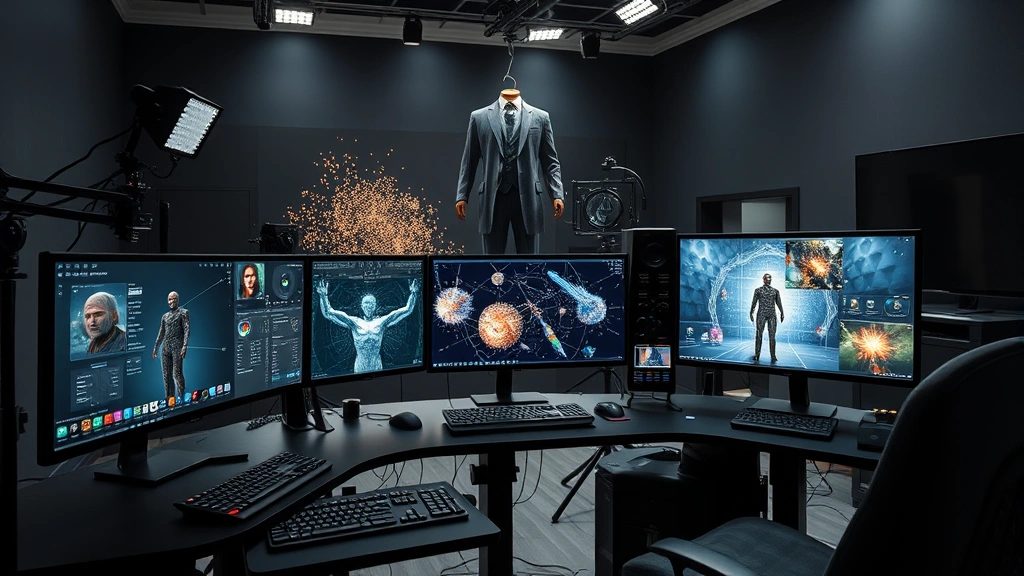
Artificial intelligence has infiltrated virtually every stage of the filmmaking pipeline. Production companies now employ machine learning algorithms to predict box office performance before shooting begins, analyze scripts for commercial viability, and optimize budget allocation across different departments. These tools process vast datasets of historical film performance, audience demographics, and cultural trends to inform creative and financial decisions.
The impact extends beyond the executive boardroom. On set, AI-powered cameras can automatically track actors and adjust focus in real-time, reducing the need for specialized focus pullers. Post-production workflows have been revolutionized by algorithms that can automatically colorgrade footage, stabilize shaky camera work, and even generate missing frames to achieve higher frame rates. These applications represent genuine time-savers that allow crews to concentrate on more nuanced creative decisions.
Major studios have begun establishing dedicated AI divisions. Netflix, for instance, uses machine learning to analyze viewing patterns and determine which original content will resonate with specific audience segments. This data-driven approach influences everything from casting decisions to marketing strategies. Meanwhile, companies like Industrial Light & Magic have integrated AI into their visual effects pipeline, creating hybrid workflows where human artists collaborate with intelligent systems to achieve results that would have been impossible or prohibitively expensive just years ago.
The democratization effect cannot be overstated. Independent filmmakers who previously required six-figure budgets for professional-grade visual effects can now achieve comparable results using AI-assisted tools available at a fraction of the cost. This technological leveling of the playing field has enabled emerging voices to tell stories that major studios might have overlooked, diversifying the cinematic landscape in meaningful ways.
Scriptwriting and Story Development
Perhaps no aspect of filmmaking seems more fundamentally human than scriptwriting, yet AI is making significant inroads here as well. Natural language processing algorithms trained on thousands of successful screenplays can now generate story outlines, suggest plot twists, and even write dialogue. Tools like GPT-based systems can analyze script structure, pacing, and character development to provide feedback that rivals notes from experienced script consultants.
Companies have developed AI systems specifically designed to identify commercially viable story premises. These algorithms analyze emotional arcs, character types, thematic elements, and audience preferences to predict which stories are most likely to succeed in specific markets. Some studios use this technology to identify promising underlying material—novels, articles, or true stories—that have strong commercial potential but haven’t yet been optioned for film adaptation.
However, the role of AI in screenwriting remains contentious. The Writers Guild of America has raised concerns about studios using AI-generated content to replace human writers or undermine negotiating positions. There’s a crucial distinction between AI as a creative tool that enhances human writers’ capabilities and AI as a replacement for human storytelling expertise. The former represents genuine innovation; the latter threatens the livelihoods of professionals whose unique perspectives and emotional intelligence drive compelling narratives.
When exploring how films are discovered and evaluated, understanding the best movie review sites becomes increasingly important, especially as AI-generated content enters the market. Human critics provide essential perspective that algorithms cannot replicate. The subjective judgment of experienced reviewers helps audiences navigate the expanding universe of available content and distinguish genuine artistic achievement from algorithmically optimized mediocrity.
Visual Effects and Animation
The visual effects industry has embraced AI more enthusiastically than perhaps any other sector of filmmaking. Machine learning algorithms can now generate photorealistic backgrounds, create digital characters with unprecedented detail, and simulate complex physical phenomena—fire, water, cloth, hair—with minimal human intervention. These capabilities have accelerated production timelines and reduced the computational power required for rendering.
AI-assisted animation has proven particularly transformative. Motion capture technology combined with machine learning can extrapolate natural movement from limited data, allowing animators to focus on performance rather than technical execution. Tools that automatically remove unwanted objects from footage, fill in missing information, or enhance resolution have become standard in professional post-production workflows. What once required teams of skilled technicians working for weeks can now be accomplished in hours.
The deepfake technology that captured public attention in recent years represents another frontier. While deepfakes have troubling implications for misinformation and consent, they also offer legitimate creative possibilities. The technology has been used to recreate deceased actors for specific scenes—most famously, Peter Cushing’s likeness in Rogue One: A Star Wars Story—raising fascinating questions about legacy, performance, and the boundaries of cinematic realism. When considering the broader landscape of available streaming content, these technological innovations directly impact what stories can be told and how.
Yet visual effects professionals worry that AI automation will eliminate entry-level positions that traditionally trained new generations of artists. The industry risks losing the apprenticeship pipeline that has historically produced innovative visual effects supervisors and directors. Balancing technological efficiency with professional development remains an unresolved challenge.
Personalization and Distribution
Perhaps the most immediate impact of AI on cinema occurs after production concludes, in the realm of distribution and marketing. Streaming platforms use sophisticated algorithms to personalize recommendations, determine which content to promote to which users, and even tailor marketing campaigns based on individual viewing history and demographic data.
These algorithmic curation systems fundamentally change how audiences discover films. Rather than browsing a curated selection or following critical consensus, viewers receive personalized suggestions based on their previous behavior. This creates filter bubbles where users see content increasingly similar to what they’ve already consumed. While personalization improves user satisfaction and platform engagement metrics, it potentially limits exposure to diverse storytelling and unfamiliar perspectives.
AI also influences what gets produced in the first place. Streaming services analyze viewing data to identify gaps in their content libraries and greenlight original productions designed to fill those niches. This data-driven approach to greenlit decisions sometimes contradicts the instincts of experienced producers and creative executives, leading to debates about whether algorithmic decision-making produces better content or merely more predictable content.
The implications extend to film marketing. AI systems can generate targeted advertisements, predict optimal release windows, and even create multiple versions of trailers customized for different audience segments. Some studios experiment with AI-generated promotional content, though this remains controversial given concerns about authenticity and deception. As the industry evolves, understanding how current film trends intersect with technological change becomes essential for informed viewership.
Ethical Challenges and Concerns
The rapid integration of AI into cinema has outpaced meaningful ethical deliberation. Several critical concerns demand serious attention from industry stakeholders, regulators, and audiences.
Creative Authenticity and Homogenization: When algorithms guide creative decisions, there’s inherent pressure toward optimization and conventionality. AI systems trained on commercially successful films may perpetuate patterns that have worked historically rather than encouraging bold experimentation. This could result in increasingly formulaic storytelling that prioritizes algorithmic predictability over artistic vision. The concern isn’t merely aesthetic—it’s about preserving cinema’s capacity to surprise, challenge, and transform audiences through unexpected narratives.
Labor Displacement: Visual effects artists, animators, sound designers, and editors all face potential job displacement as AI automates traditionally human work. The industry has not yet developed adequate retraining programs or economic safety nets for displaced workers. Without proactive intervention, technological advancement risks creating a two-tiered system where a small number of highly skilled professionals work alongside AI, while many mid-level technicians find their expertise obsolete.
Consent and Representation: Deepfake technology raises serious questions about performer consent and rights. Using an actor’s likeness without permission, even for creative purposes, violates fundamental principles of bodily autonomy and professional respect. The industry needs clear ethical guidelines and legal frameworks governing when and how AI-generated representations of real people can be used.
Data Privacy: The algorithmic personalization systems that drive modern distribution rely on extensive data collection about viewer behavior. This raises privacy concerns, particularly regarding how platforms use this data and who has access to it. Regulatory frameworks like GDPR have begun addressing these issues, but the film industry has been slower to implement meaningful privacy protections.
Environmental Impact: Training large AI models requires enormous computational resources and energy consumption. As the industry scales up AI adoption, the environmental footprint of these systems deserves consideration alongside their creative benefits.
The Future of Human Creativity
Despite legitimate concerns, dismissing AI as purely detrimental to cinema would be shortsighted. The technology offers genuine creative possibilities when deployed thoughtfully. The most promising path forward involves human-AI collaboration rather than replacement—using algorithmic tools to enhance human creativity rather than substitute for it.
Some of cinema’s most innovative applications of AI demonstrate this collaborative potential. Directors are experimenting with AI-generated visual concepts to explore aesthetic possibilities during pre-production. Writers use algorithmic feedback to identify structural weaknesses in early drafts. Cinematographers employ AI-assisted tools to achieve specific visual effects more efficiently, freeing time for artistic experimentation. In these contexts, AI functions as an intelligent collaborator that amplifies human creative capacity.
The future likely involves specialization. As routine technical work becomes automated, professionals who can combine technical expertise with creative vision will become more valuable. This suggests the industry should invest in education that develops both AI literacy and artistic sensibility. Filmmakers who understand how algorithms work and can leverage them strategically will have significant advantages over those who ignore the technology entirely.
Looking toward evolving audience preferences, understanding how films are selected and categorized reveals that human judgment remains essential. Audiences value authenticity, emotional resonance, and artistic vision—qualities that depend on human creativity. AI can optimize distribution and enhance technical execution, but it cannot replace the irreducibly human act of storytelling.
There’s also reason for optimism about AI’s democratizing potential. Aspiring filmmakers in underrepresented communities can now access tools and resources previously available only to well-funded studios. This technological democratization could lead to more diverse voices in cinema, telling stories that reflect the full spectrum of human experience. The key is ensuring that AI tools are genuinely accessible and that industry gatekeepers don’t simply replicate existing power structures in digital form.
For those interested in the craft of filmmaking itself, exploring how to develop expertise in film criticism provides valuable perspective on evaluating how AI-assisted and traditionally created content compare. Critical frameworks developed over cinema’s history remain relevant for assessing the artistic merit of AI-influenced work.
The integration of artificial intelligence into cinema will ultimately reflect the choices we make as an industry and society. Technology itself is neutral—the outcomes depend on how we choose to implement and regulate it. By maintaining focus on cinema’s core purpose—telling meaningful stories that move audiences—we can harness AI’s capabilities while preserving the creative authenticity that makes cinema an irreplaceable art form.
FAQ
Can AI write a complete screenplay?
Current AI systems can generate screenplay outlines, dialogue suggestions, and structural analysis, but they cannot yet produce a complete, compelling screenplay without significant human input. AI lacks the emotional intelligence, cultural understanding, and unique perspective that experienced screenwriters bring. The technology works best as a collaborative tool rather than a replacement for human writers.
Will AI eventually replace film directors?
Unlikely in the foreseeable future. Direction requires synthesizing artistic vision, managing human talent, making subjective creative decisions, and responding to unpredictable real-world circumstances. While AI can assist with technical aspects like shot planning or color grading, the core creative and leadership functions of directing depend on distinctly human capabilities.
Is deepfake technology legal in filmmaking?
Legal status varies by jurisdiction and context. Using someone’s likeness without consent is generally problematic, but the industry hasn’t established clear standards. The Writers Guild and other organizations are advocating for regulations that protect performers’ rights while allowing legitimate creative uses. Expect evolving legal frameworks as the technology matures.
How does AI affect independent filmmakers?
AI tools have democratized access to professional-grade production capabilities. Independent filmmakers can now achieve visual effects and technical quality previously requiring major studio resources. This represents genuine opportunity, though it also means independent creators must learn to work with these technologies to remain competitive.
What should audiences know about AI-generated content?
Transparency matters. Knowing whether content was created traditionally or with significant AI assistance helps audiences evaluate what they’re watching. As AI-generated and AI-assisted content becomes more prevalent, media literacy—understanding how cinema communicates meaning across different production methodologies—becomes increasingly important for informed viewing.