Tango & Cash: A Cult Classic? Unpacking the 1989 Action Gem
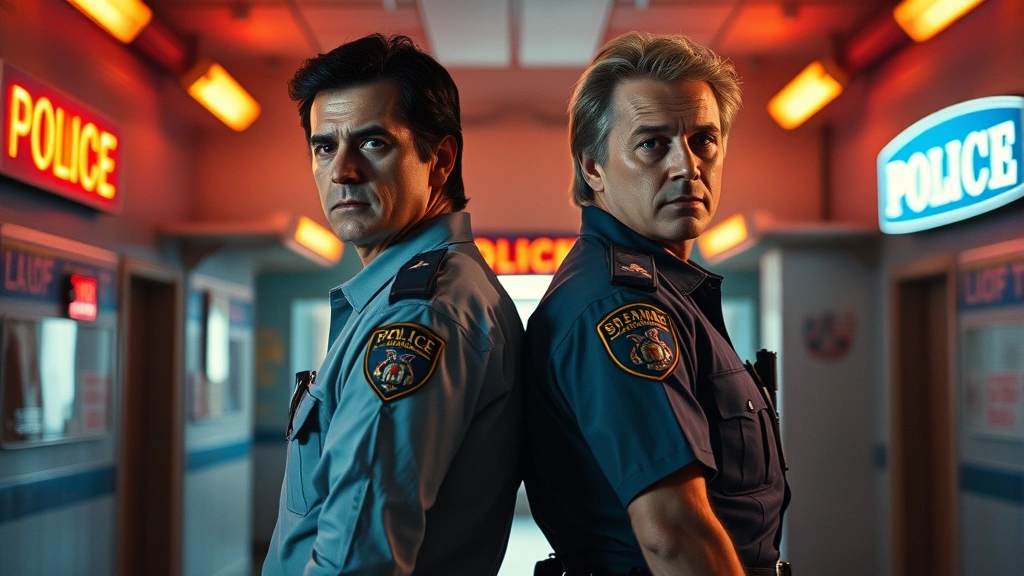
When Tango & Cash premiered in 1989, it arrived as a high-octane buddy cop action film designed to capitalize on the star power of Sylvester Stallone and Kurt Russell. Directed by Albert Magnoli, the film promised explosive action sequences, witty banter, and the kind of over-the-top entertainment that defined the late 1980s cinema landscape. Yet decades later, the question remains: does this film genuinely qualify as a cult classic, or is it merely a nostalgic relic of action cinema’s golden age? This review explores the film’s merits, its cultural significance, and its enduring appeal to both casual viewers and devoted fans.
The trajectory of Tango & Cash the movie through popular culture reveals fascinating insights about how audiences consume action entertainment and what elevates a film from mere blockbuster to cult phenomenon. Whether you’re a longtime admirer or discovering it for the first time, understanding this film’s place in cinema history requires examining its narrative structure, performances, technical achievements, and the broader context of 1980s action cinema.
Plot Synopsis and Story Structure
Tango & Cash follows two elite Los Angeles police detectives who couldn’t be more different if they tried. Raymond Tango (Sylvester Stallone) represents old-school police work—meticulous, by-the-book, and pragmatic. Johnny Cash (Kurt Russell) embodies the opposite: spontaneous, unconventional, and willing to bend rules to achieve results. Despite their contrasting approaches, both maintain impressive arrest records and earn respect within the LAPD.
The inciting incident arrives when both detectives are framed for a major crime they didn’t commit. Imprisoned in the same facility, they must work together to expose the conspiracy orchestrated by the film’s primary antagonist, Yves Perret (Jack Palance), a sophisticated crime lord who engineered their downfall. The plot structure follows a familiar buddy cop template: introduction of contrasting characters, forced partnership through adversity, gradual mutual respect, and ultimate triumph through combined strengths.
What distinguishes the narrative is its willingness to embrace absurdity. The film doesn’t pretend to operate within realistic constraints. Instead, it commits fully to its action-comedy sensibilities, allowing logic to take a backseat to spectacle and entertainment. This tonal commitment is crucial to understanding the film’s appeal and its potential cult status.
The screenplay, credited to Randy Feldman, understands that the plot serves primarily as scaffolding for character interactions and action setpieces. Rather than treating the conspiracy as genuinely complex, it presents it as sufficiently motivating for the protagonists to engage in increasingly elaborate action sequences. This approach proved divisive among critics but resonated with audiences seeking pure entertainment without pretension.
Character Dynamics and Star Chemistry
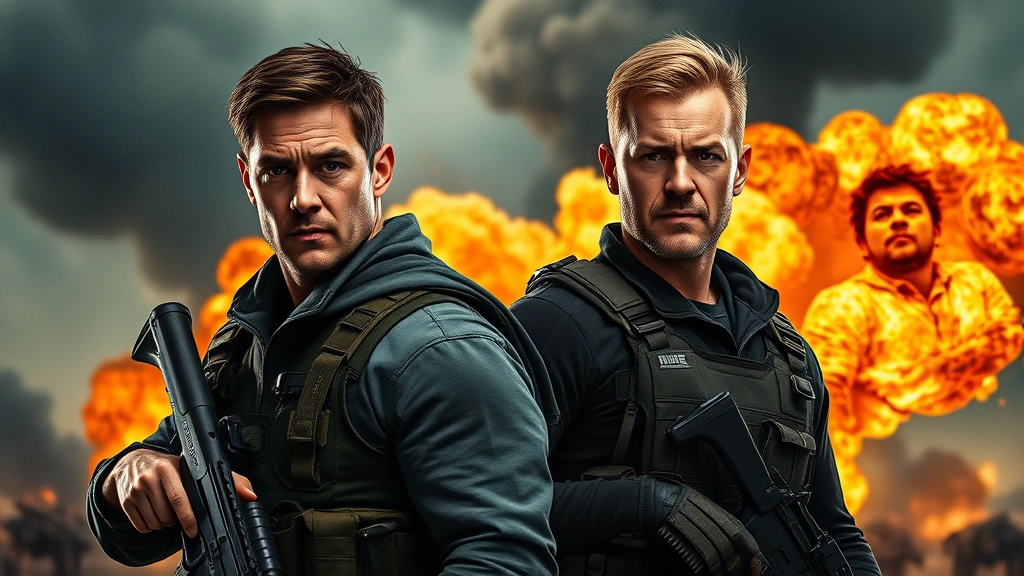
The film’s success largely hinges on the chemistry between Stallone and Russell, and fortunately, both actors committed to making their partnership work. Stallone, fresh from the Rocky and Rambo franchises, brought his established action star credentials and deadpan delivery. Russell, known for his versatility from films like Escape from New York, provided comedic timing and a lighter energy that complemented Stallone’s more grounded approach.
Their dynamic functions as a sophisticated version of buddy cop comedy. Rather than relying on slapstick or crude humor, much of the comedy emerges from their verbal sparring and the contrast between their personalities. Cash’s irreverent attitude frequently clashes with Tango’s methodical approach, creating comedic friction that feels organic rather than forced. When they finally align in purpose, their combined competence becomes impressive precisely because we’ve witnessed their earlier dysfunction.
Jack Palance brings gravitas to the villain role, though the character remains relatively one-dimensional. Perret exists primarily as a catalyst for the heroes’ partnership and a worthy opponent for their combined talents. Supporting characters, including Teri Hatcher as Cash’s love interest and Brion James as a corrupt police official, fill necessary narrative roles without overshadowing the central dynamic.
The character development follows predictable arcs, yet the execution prevents the film from feeling entirely formulaic. Both leads demonstrate genuine commitment to their roles, avoiding the self-aware irony that might have undermined the action sequences. This earnestness, paradoxically, enhances the entertainment value by creating a world where the absurdity feels intentional rather than accidental.
Action Sequences and Technical Direction
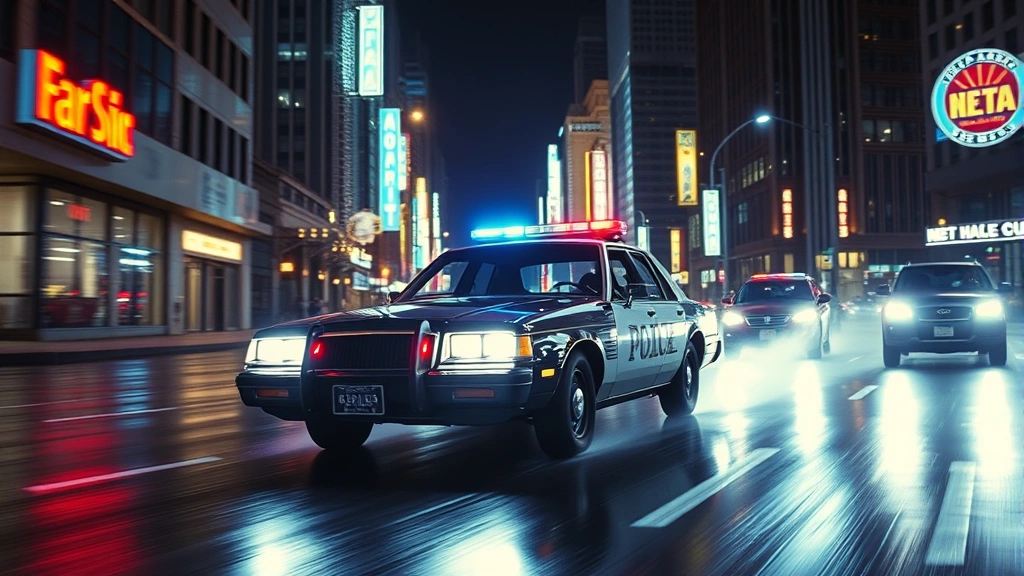
Directed by Albert Magnoli, Tango & Cash showcases impressive action choreography and practical effects work typical of late-1980s Hollywood productions. The film features multiple elaborate setpieces: a vehicular chase involving an impossibly modified police car, a prison breakout sequence, and a climactic confrontation that escalates in both scale and creativity.
The cinematography by Donald Thorin captures the neon-soaked Los Angeles aesthetic that defined 1980s action cinema. The color palette emphasizes cool blues and warm oranges, creating visual contrast that enhances the film’s stylistic identity. Camera movement remains relatively conventional by modern standards, but the composition demonstrates competent technical filmmaking that serves the action rather than distracting from it.
One particularly memorable sequence involves the protagonists’ escape vehicle, which transforms into an increasingly implausible machine equipped with weaponry that seems designed by someone who watched James Bond films and took notes. Rather than playing this for satirical effect, the film presents it matter-of-factly, trusting audiences to accept the escalating absurdity as part of the entertainment contract.
The editing pace moves briskly, maintaining momentum even when the plot falters. Action sequences avoid the choppy, disorienting editing that plagued many contemporary action films. Instead, viewers can follow the spatial geography of combat, understanding how characters move through environments and how their actions affect outcomes. This clarity proves essential for maintaining audience engagement during extended sequences.
Special effects, while dated by modern standards, demonstrate the technical capabilities available in 1989. Explosions, vehicular stunts, and practical destruction feel tangible in ways that CGI sometimes struggles to replicate. The film’s commitment to practical effects contributes to its tactile appeal and may explain why it maintains watchability across decades despite technological advancement.
Dialogue, Humor, and Tone
The screenplay balances action and comedy through dialogue that reveals character while generating laughs. Rather than pausing action for comedic interludes, the humor emerges organically from character interaction and situational irony. When Cash describes Tango’s meticulous approach as overly cautious, or when Tango criticizes Cash’s recklessness, these exchanges simultaneously develop character and provide entertainment.
One-liners populate the script, though they rarely achieve the memorability of top famous movie quotes from more celebrated action films. The humor tends toward mild rather than sharp, accessible rather than clever. This approach broadens appeal but limits quotability, which may partially explain why the film hasn’t generated the same cultural penetration as Die Hard or Lethal Weapon.
The tonal consistency proves remarkable. The film maintains its comedic action-movie sensibility throughout, never devolving into melodrama or excessive violence for its own sake. Even the villain’s motivations, while not complex, receive sufficient explanation to justify his actions within the film’s internal logic. This tonal coherence creates a viewing experience that feels intentional rather than haphazard.
Dialogue occasionally borders on corny, with certain exchanges feeling more appropriate for a Saturday morning cartoon than a theatrical release. Yet this quality contributes rather than detracts from the film’s charm. The earnestness with which both stars deliver potentially groan-worthy lines demonstrates commitment to the material, asking audiences to accept the film on its own terms rather than maintain ironic distance.
Cultural Impact and Legacy
Upon release, Tango & Cash earned respectable box office returns but received mixed critical reception. Critics noted the film’s entertainment value while simultaneously criticizing its thin plot and reliance on spectacle over substance. This critical-commercial divide proved prescient, as the film would develop a devoted following despite never achieving mainstream critical reevaluation.
The 1989 action film landscape included serious competition. Die Hard had redefined action cinema just one year earlier, establishing a template that emphasized character development, wit, and internal logic. Lethal Weapon 2 offered similar buddy cop dynamics with arguably superior chemistry and humor. In this context, Tango & Cash competed for attention with more critically lauded alternatives.
Yet the film maintained visibility through home video, cable television, and eventually streaming platforms. Each technological shift expanded potential audiences, and the film’s accessibility—its lack of pretension and commitment to entertainment—ensured it could find viewers across demographics and generations. This sustained availability contributed significantly to its cult status development.
The film influenced subsequent action comedies by demonstrating that audiences would accept increasingly absurd premises provided the execution maintained entertainment value. Later films borrowed the formula of mismatched partners forced into partnership, though few achieved the specific chemistry that Stallone and Russell generated.
When examining best movie review sites, contemporary assessments of Tango & Cash reveal interesting patterns. Modern reviewers often reassess the film more favorably than original critics, recognizing its entertainment merits within its intended context rather than judging it against more serious action cinema standards.
Cult Classic Status Analysis
Defining cult classic status requires establishing criteria. Typically, cult classics demonstrate several characteristics: initial critical indifference or rejection despite audience appreciation, sustained viewership across decades, passionate fan communities, quotable moments or memorable scenes, and thematic or stylistic distinctiveness that resonates with specific audiences.
Tango & Cash satisfies several of these criteria. The film certainly experienced critical indifference, with reviewers acknowledging entertainment value while dismissing it as inconsequential. The film has maintained viewership, finding new audiences through streaming platforms and cable television rotation. Passionate fans discuss the film positively in online communities, appreciating its specific sensibility.
However, the film falls short in other aspects. It lacks the quotability of genuine cult classics, which often feature memorable dialogue that enters popular lexicon. The film also lacks thematic depth or stylistic innovation that might appeal to film scholars or critics seeking to rediscover overlooked artistry. It’s entertaining precisely because it doesn’t aspire to significance beyond entertainment.
This raises an interesting question: can a film achieve cult classic status through pure entertainment value, or does cult status require additional layers of meaning or innovation? Tango & Cash may represent a different category—a beloved action film with sustained appeal rather than a true cult classic in the traditional sense.
The distinction matters because it affects how the film is discussed and appreciated. Rather than debating whether the film deserves critical reassessment, perhaps the more productive conversation acknowledges it as a successful entertainment product that continues to entertain viewers decades after release. This recognition doesn’t diminish the film’s value; it simply acknowledges the specific nature of its appeal.
Modern Viewing Experience
Watching Tango & Cash in the contemporary context requires adjusting expectations. The film’s visual style, while competent, reflects 1989 aesthetics that newer audiences might find dated. Action choreography, while effective, lacks the precision and innovation of modern action cinema. Dialogue occasionally lands awkwardly by modern standards, though this quality often enhances rather than diminishes entertainment value.
The film’s treatment of certain elements—gender representation, casual violence, and crime—reflects late-1980s sensibilities that contemporary viewers might critique. Yet these elements exist within the film’s internal logic and don’t substantially interfere with entertainment for most modern audiences. The film’s commitment to its own tone provides sufficient context for viewers to understand it as a product of its era.
Streaming availability has democratized access to the film, allowing viewers who might never encounter it in theatrical or home video contexts to discover it. This accessibility contributes to sustained appreciation and introduces new audiences to the specific pleasures it offers. Compared to best movies on Netflix and other platforms, Tango & Cash holds up reasonably well as entertainment, even if it doesn’t showcase the technical achievements of more recent productions.
For viewers approaching the film as historical artifact and entertainment product, the experience proves rewarding. The film delivers exactly what it promises: two charismatic leads engaging in action sequences, witty banter, and increasingly elaborate setpieces. This clarity of purpose and execution of intention creates a satisfying viewing experience that transcends the film’s technical limitations.
If you’re interested in understanding how action films evolved and the specific sensibilities that dominated late-1980s cinema, Tango & Cash provides valuable insights. The film represents a particular moment in action cinema history when spectacle, star power, and entertainment value superseded narrative complexity as primary concerns. Studying the film through this lens reveals much about contemporary filmmaking priorities and audience expectations.
For those considering how to become a film critic, Tango & Cash offers interesting case studies in critical reassessment and the evolution of audience appreciation over time. The film demonstrates how critical reception at release doesn’t necessarily predict long-term cultural significance or sustained viewership.
FAQ
Is Tango & Cash worth watching in 2024?
Yes, if you enjoy 1980s action cinema or appreciate Stallone and Russell’s performances. The film delivers entertainment value and provides historical context for understanding action cinema evolution. Approach it as a product of its era rather than expecting contemporary filmmaking standards.
Why is Tango & Cash considered a cult classic?
Tango & Cash maintains devoted fans who appreciate its specific sensibility: entertaining action, charismatic leads, and commitment to its own absurd premise. While it lacks traditional cult classic markers like thematic depth or critical rediscovery, it sustains viewership and passionate appreciation across decades.
How does Tango & Cash compare to Die Hard?
Die Hard represents superior filmmaking with more complex character development and tighter narrative logic. However, Tango & Cash offers different entertainment—lighter in tone, more comedic, and less concerned with internal logic. They appeal to different sensibilities within action cinema fandom.
What makes the chemistry between Stallone and Russell work?
Both actors committed fully to their contrasting characters and the buddy cop dynamic. Rather than playing for irony or self-awareness, they treated the material earnestly, allowing comedy to emerge organically from character contrast. Their genuine rapport translates to screen chemistry that audiences find engaging.
Does the plot make sense?
The plot functions primarily as scaffolding for character interaction and action sequences rather than as a complex narrative. It provides sufficient motivation for the protagonists’ actions without demanding logical consistency. This approach intentionally prioritizes entertainment over realism.
Should I watch the theatrical or director’s cut version?
The theatrical version offers the most accessible viewing experience. The director’s cut includes additional footage that develops characters slightly more but extends runtime without substantially improving narrative coherence. Your preference depends on whether you value additional character development or tighter pacing.
How has critical opinion of Tango & Cash evolved?
Modern critics and film enthusiasts generally reassess the film more favorably than original reviewers, recognizing its entertainment merits within appropriate context. Rather than judging it against serious action cinema standards, contemporary appreciation acknowledges it as successful entertainment that continues to engage viewers.
What can modern filmmakers learn from Tango & Cash?
The film demonstrates the effectiveness of commitment to tone, the value of charismatic leads, and the entertainment potential of well-executed action sequences. It also illustrates how clarity of purpose and honest execution can create sustained appeal even when technical achievements become dated.


