
Who Voiced Rio’s Characters? Complete Cast Insight
Blue Sky Studios’ Rio franchise captivated audiences worldwide with vibrant animation, infectious music, and an ensemble cast of voice actors who brought the colorful avian characters to life. Released in 2011, the film featured a star-studded voice cast that elevated the comedic timing and emotional depth of this tropical adventure. Understanding the talent behind these beloved characters provides fascinating insight into how voice acting shapes animated storytelling and character development in modern cinema.
The voice acting performances in Rio became instrumental in the film’s commercial and critical success, demonstrating how skilled actors can transform animated characters into memorable personalities. From Jesse Eisenberg’s portrayal of the timid macaw Blu to Anne Hathaway’s spirited performance as Jewel, each voice actor contributed unique dimensions to their roles. This comprehensive guide explores the complete cast, their contributions to the film, and the broader significance of voice acting in animated entertainment.
Main Cast Overview
The voice cast of Rio represents an impressive collection of Hollywood talent, carefully selected to match character personalities and bring authenticity to the animated world. Director Carlos Saldanha assembled performers who could deliver comedic excellence while navigating the emotional arcs required for family entertainment. The casting decisions proved strategic, as each actor’s distinctive vocal characteristics aligned perfectly with their character’s personality traits and story function.
Jesse Eisenberg anchored the film as Blu, the protagonist macaw raised in Minnesota who discovers his true Brazilian heritage. Eisenberg’s somewhat neurotic, anxious delivery perfectly captured Blu’s fish-out-of-water vulnerability and gradual transformation throughout the narrative. His vocal performance conveyed the character’s internal conflict between comfort and adventure, making Blu’s journey resonant with audiences of various ages. The actor’s ability to inject humor into nervous dialogue established Blu as an endearing protagonist rather than an annoying character—a delicate balance crucial for feature-length animated films.
Anne Hathaway voiced Jewel, the spirited female macaw who becomes Blu’s romantic interest and emotional anchor. Hathaway’s warm, confident vocal performance contrasted beautifully with Eisenberg’s anxious delivery, creating natural chemistry between the characters. Her ability to convey Jewel’s independent spirit while maintaining vulnerability demonstrated the nuanced approach required for voice acting in contemporary animated features.
Lead Characters and Voice Actors
Will Smith’s portrayal of the street-smart, wise-cracking parakeet Pedro became one of the film’s most memorable supporting performances. Smith brought his characteristic comedic timing and charisma to the role, delivering rapid-fire jokes while maintaining Pedro’s underlying loyalty and warmth. His performance showcased how established comedy actors can elevate ensemble casts in animated features, often stealing scenes through vocal delivery alone. The pairing of Smith’s exuberant energy with Jesse Eisenberg’s reserved demeanor created comedic contrast that enhanced both characters.
Jamie Foxx voiced Nico, Pedro’s best friend and a canary with infectious enthusiasm. Foxx’s smooth, rhythmic vocal delivery complemented Smith’s performance, establishing an engaging dynamic between the two avian buddies. Their banter sequences became fan favorites, demonstrating how voice actors’ natural chemistry translates effectively in animated contexts. Foxx’s ability to modulate his voice while maintaining character consistency showed the technical skill required for professional voice acting in major studio productions.
Jemaine Clement provided memorable voice work as Nigel, the film’s primary antagonist—a bitter, flightless sulphur-crested cockatoo seeking revenge. Clement’s ability to convey menace while maintaining comedic undertones made Nigel a compelling villain rather than a one-dimensional antagonist. His theatrical delivery and distinctive vocal qualities created an unforgettable performance that demonstrated how voice actors shape antagonist characterization in family entertainment. The comprehensive film analysis of character dynamics often highlights Clement’s contribution to the narrative balance.
Rodrigo Santoro voiced Rafael, the friendly toucan guide who assists Blu and Jewel’s journey. Santoro’s warm, encouraging vocal performance provided emotional grounding amid the film’s comedic chaos. His character served as the wise mentor archetype, and Santoro’s delivery conveyed genuine warmth and protective instinct toward the protagonists. This supporting role demonstrated how secondary characters, when voiced effectively, enhance the overall narrative experience and provide crucial emotional beats.
Supporting Cast Members
The supporting voice cast included numerous talented performers who contributed significantly to the film’s richness and cultural authenticity. Miguel Ferrer voiced Burmeister, the avian smuggler, bringing sinister undertones to a relatively brief but impactful role. Andy Dick provided comedic relief as Marmoset, injecting absurdist humor into specific sequences. The ensemble approach to voice casting reflected contemporary animated filmmaking practices, where even minor characters receive attention from skilled performers.
Wanda Sykes voiced Cla, one of the exotic birds in the film’s vibrant world. Sykes brought her distinctive comedic sensibility to the role, demonstrating how comedians transition successfully into voice acting. Her ability to deliver humor through vocal inflection alone showcased the specific demands of animation performance. Jake T. Austin contributed to the cast as well, showing how younger performers integrate into ensemble voice casts.
The decision to cast performers with diverse comedic and dramatic backgrounds reflected industry trends toward hiring actors based on vocal quality and performance ability rather than exclusively on star power. This approach, while maintaining commercial appeal through recognizable names, also prioritized authentic character embodiment. The analysis of casting decisions in contemporary animation reveals how studios balance commercial and artistic considerations.
Brazilian music integration featured prominent performances by Taio Cruz and other musicians, bridging voice acting and musical performance in the film’s soundtrack-heavy narrative. This hybrid approach to casting—combining traditional voice actors with musical performers—became increasingly common in animated features targeting global audiences.
Voice Acting Process and Performance
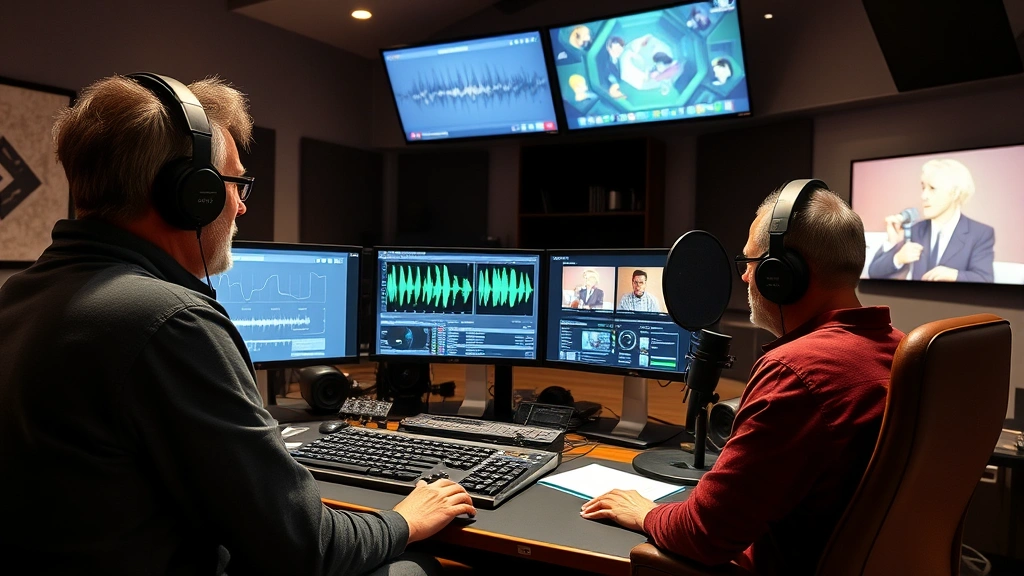
The voice acting process for Rio involved extensive recording sessions where actors performed their lines multiple times, allowing directors to capture various emotional nuances and comedic deliveries. Director Carlos Saldanha worked closely with voice actors to ensure performances aligned with character animation and story pacing. This collaborative process between voice actors, animators, and directors proved crucial for seamless character integration in the final film.
Jesse Eisenberg described his voice acting experience as requiring different technical approaches than live-action performance. Without visual cues from scene partners or physical set context, voice actors must create emotional authenticity through vocal performance alone. This challenge demands heightened emotional awareness and technical vocal control—skills that distinguish professional voice actors from traditional screen performers. Eisenberg’s approach to building Blu’s character involved understanding the macaw’s arc from anxious domesticity to confident adventure, calibrating vocal performance to reflect this transformation.
Anne Hathaway similarly emphasized how voice acting requires actors to trust their vocal abilities to communicate complex emotions. Without facial expressions or body language, voice actors must convey subtle emotional shifts through tone, pacing, and vocal inflection. Her performance as Jewel involved balancing confidence with vulnerability, strength with emotional accessibility—nuances that required sophisticated vocal technique. The professional film criticism of voice acting performances often highlights these technical achievements.
Will Smith’s comedic timing in voice acting differs significantly from live-action performance, requiring precise timing with animated sequences rather than live scene partners. The actor must anticipate animators’ physical comedy while delivering vocal performance that enhances rather than overshadows visual gags. Smith’s experience in comedy films prepared him for this challenge, but voice acting demanded specific adaptations to his performance approach. Recording sessions often extended beyond typical live-action filming, allowing actors to experiment with different comedic deliveries and emotional beats.
Impact on Animation Industry
The success of Rio‘s voice cast influenced subsequent animated feature casting strategies, establishing precedent for hiring established actors in leading voice roles. Studios recognized that audiences respond positively to recognizable voices combined with genuinely skilled vocal performances. This trend shaped the animation industry’s approach to talent acquisition, balancing commercial appeal with performance quality.
Voice acting gained increased recognition as a legitimate performance discipline, with industry awards expanding to honor vocal contributions to animated films. The Academy Awards eventually expanded categories to include animated features, partially reflecting increased artistic recognition for voice actors’ contributions. Rio‘s commercial success demonstrated that voice casting deserved strategic consideration equivalent to live-action casting, influencing how studios approached animated productions.
The film’s international success raised awareness of voice acting’s cultural significance in different markets. Dubbing requirements for international releases involved hiring local voice actors who could replicate the emotional authenticity of original performances while adapting dialogue for cultural relevance. This process highlighted how voice acting transcends simple dialogue delivery, requiring understanding of character psychology and emotional nuance. The exploration of family entertainment increasingly emphasizes voice casting quality as crucial component of film success.
Animation studios began investing more substantially in voice actor compensation and working conditions, recognizing their essential contributions to film quality. This shift reflected broader industry recognition that voice acting demands professional-level skill and deserves corresponding compensation. The precedent established by Rio and similar successful animated features influenced how contemporary studios approach voice casting and actor retention.
Rio Sequels and Cast Evolution
Rio 2 (2014) retained the core voice cast while introducing new characters voiced by additional performers. Jesse Eisenberg, Anne Hathaway, Will Smith, and Jamie Foxx reprised their roles, demonstrating audience attachment to these vocal characterizations. The sequel’s commercial success validated the original casting choices while showing how voice actors could deepen character development across multiple films. Returning voice actors brought accumulated understanding of their characters, allowing for more nuanced performances in sequel narratives.
The sequel introduced Bruno Mars as Roberto, a charismatic macaw from Jewel’s past, adding romantic tension to the narrative. Mars’ smooth vocal performance complemented the established cast while bringing fresh energy to the story. This casting decision showed how sequels could expand voice ensembles while maintaining continuity with original performers. The addition of new voices prevented fatigue while honoring audience investment in established character relationships.
Kristin Chenoweth voiced Gabi, a poison dart frog with comedic charm, demonstrating how sequels cast performers for specific character needs rather than simply expanding existing roles. Her distinctive vocal quality created memorable comedic moments while serving the narrative’s expanded scope. The sequel’s casting reflected industry evolution toward strategic voice actor selection based on character requirements and performance fit.
Rio 3 developments continued this pattern, with original voice actors returning while new performers joined the expanding universe. This approach to franchise voice casting demonstrates how studios maintain continuity while allowing creative expansion. The enduring success of the franchise, partially attributable to consistent voice acting quality, influenced how studios approached animated sequels and franchises.
The memorable dialogue and quotes from the franchise often derive from specific voice actors’ deliveries, showing how vocal performance becomes inseparable from character identity. Audiences remember lines not just for their content but for the specific vocal inflection and comedic timing each actor brought to their roles. This phenomenon demonstrates voice acting’s profound impact on character memorability and franchise appeal.

The evolution of the Rio franchise’s voice cast reflects broader animation industry trends toward sustained performer relationships and character continuity. Unlike live-action franchises where recasting sometimes occurs, animated features benefit from consistent vocal characterization, creating stronger audience connections across multiple films. This stability allows voice actors to deepen their understanding of characters and refine performances with each installment.
Voice Acting Techniques and Industry Standards
Professional voice acting in major animated features requires specific technical skills that distinguish it from other performance disciplines. Voice actors must maintain consistent character vocal quality across multiple recording sessions, sometimes separated by months or years. This consistency proves crucial for animated features where scenes are recorded non-sequentially, requiring actors to access consistent emotional and vocal states regardless of recording order.
The technical requirements of voice acting include microphone technique, breath control, and vocal stamina. Actors record lines multiple times, experimenting with different emotional deliveries and comedic interpretations. This iterative process allows directors and voice actors to discover optimal performances that balance character authenticity with audience engagement. Professional voice actors develop expertise in these technical aspects through training and experience.
Studios employ voice directors who specialize in extracting optimal performances from actors in booth settings. These directors understand how to communicate character motivation and emotional beats without relying on visual scene context. The voice director’s role proves essential in translating written dialogue into vocally embodied character performance. This specialist position reflects voice acting’s recognition as a distinct performance discipline requiring specific directorial expertise.
Union standards govern voice acting compensation, working conditions, and residual payments, reflecting the profession’s established legitimacy. The Screen Actors Guild (SAG-AFTRA) negotiates contracts specifically addressing voice acting work, ensuring performers receive fair compensation for their contributions. These industry standards demonstrate how voice acting has evolved from ancillary performance work to recognized professional discipline warranting contractual protections.
Audience Reception and Character Connection
Audience response to Rio‘s characters demonstrates how voice acting quality directly influences viewer emotional engagement. Viewers formed attachments to characters based partially on vocal performance, creating fan communities dedicated to specific characters and voice actors. This phenomenon shows how voice acting contributes significantly to character identity and audience connection.
Social media discussions about the film frequently highlighted voice acting performances, with audiences praising specific comedic deliveries or emotional moments. This audience engagement with voice acting represented shift from historical periods when voice acting received minimal recognition or discussion. Contemporary audiences increasingly appreciate and articulate the specific contributions voice actors make to character development and film enjoyment.
The film’s success at international box offices demonstrated how voice acting quality transcends language barriers. Audiences in different countries, experiencing dubbed versions with local voice actors, responded similarly to the original English-language cast, suggesting that character fundamentals—established through animation and voice performance—resonate across cultural contexts. This universality reflects how skilled voice acting communicates emotion and personality in ways that connect with diverse audiences.
FAQ
Who voiced Blu in Rio?
Jesse Eisenberg provided the voice of Blu, the protagonist macaw. His neurotic, anxious vocal delivery perfectly captured the character’s journey from domesticated pet to confident adventurer. Eisenberg’s performance became central to the film’s emotional core and audience connection to the main character.
Which actor voiced Jewel in Rio?
Anne Hathaway voiced Jewel, the spirited female macaw and romantic interest. Her warm, confident performance contrasted beautifully with Jesse Eisenberg’s anxious delivery, creating natural vocal chemistry that enhanced the characters’ relationship development throughout the narrative.
Who provided voice acting for the villain Nigel?
Jemaine Clement voiced Nigel, the bitter antagonist cockatoo. His theatrical delivery and distinctive vocal qualities created a memorable villain who balanced menace with comedic undertones, preventing the character from becoming one-dimensional despite his antagonistic role.
Did Will Smith voice a character in Rio?
Yes, Will Smith voiced Pedro, the street-smart, wise-cracking parakeet. His characteristic comedic timing and charisma brought the character to life, with his rapid-fire jokes and vocal energy becoming one of the film’s most memorable performances and fan-favorite elements.
What makes voice acting in Rio successful?
The film’s voice acting success resulted from careful casting that matched actors’ vocal qualities to character personalities, skilled performances that conveyed complex emotions through voice alone, and strong direction that extracted optimal performances from the ensemble cast. The combination of established talent with genuine vocal skill created authentic, memorable characters.
How did Rio’s voice cast influence animation industry trends?
Rio’s commercial and critical success elevated voice acting’s recognition as essential performance discipline, influencing studios to invest more substantially in voice talent and casting decisions. The film established precedent for hiring established actors in voice roles while maintaining performance quality, shaping subsequent animated feature casting strategies.


