Top Dark Romance Movies: Critic’s Choice
Dark romance occupies a fascinating intersection in cinema where passion collides with psychological complexity, moral ambiguity, and emotional intensity. These films reject the sanitized conventions of mainstream romantic narratives, instead exploring relationships forged in shadows, trauma, and danger. The genre has evolved significantly over decades, attracting both acclaimed filmmakers and devoted audiences who crave storytelling that challenges romantic ideals while delivering visceral emotional experiences.
What distinguishes dark romance from conventional love stories is its unflinching examination of human desire stripped of sentimentality. These movies don’t shy away from depicting toxic dynamics, obsession, violence, and the darker impulses that drive human connection. Yet paradoxically, they often contain some of cinema’s most compelling and authentic explorations of intimacy. Whether you’re a seasoned film enthusiast or exploring the genre for the first time, understanding the landscape of dark romance cinema provides valuable insight into how contemporary filmmakers interrogate love, desire, and human nature.
Defining Dark Romance Cinema
Dark romance as a cinematic genre represents a departure from conventional storytelling about relationships. Rather than following the archetypal hero-wins-love narrative arc, these films embrace complexity, ambiguity, and moral compromise. The romance isn’t simply a subplot or reward for the protagonist—it becomes the central engine driving conflict, character development, and thematic exploration.
The psychological dimension separates dark romance from straightforward thrillers or dramas that happen to include romantic elements. Characters in these narratives are often damaged, obsessive, or fundamentally flawed in ways that directly impact their capacity for healthy relationships. The attraction between characters frequently stems from shared darkness rather than complementary strengths. This creates a magnetic, almost gravitational pull that audiences find simultaneously compelling and unsettling.
When exploring film criticism and evaluation standards, dark romance presents unique challenges. Traditional metrics for romantic chemistry or narrative satisfaction don’t necessarily apply. Critics must assess whether the filmmakers successfully balance emotional authenticity with ethical storytelling—whether they’re glorifying dysfunction or thoughtfully examining it.
The genre encompasses several subcategories: psychological thrillers centered on obsessive relationships, gothic narratives infused with supernatural or period elements, crime dramas where criminal partners form intense bonds, and contemporary studies of toxic attraction. Each approach offers distinct advantages for exploring how desire operates outside conventional moral frameworks.
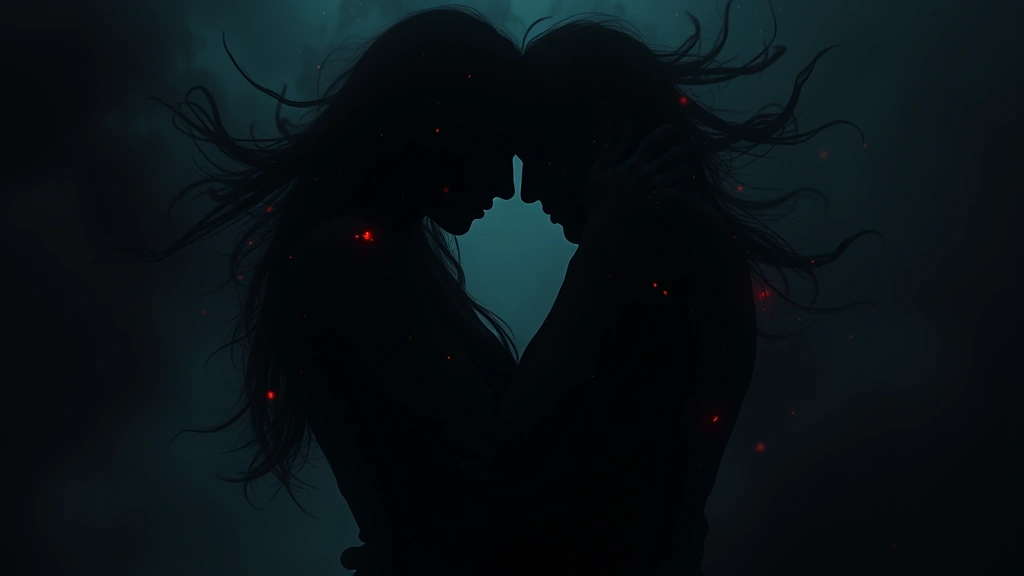
Psychological Thrillers with Romantic Tension
Among the most compelling dark romance offerings are psychological thrillers that place intimate relationships under intense scrutiny. These films dissect trust, manipulation, and the fragile boundaries between love and control. The tension emerges not from external threats but from the fundamental incompatibility or psychological damage of the central couple.
“Gone Girl” (2014) represents a watershed moment for mainstream dark romance cinema. David Fincher’s adaptation of Gillian Flynn’s novel presents marriage as a strategic game where both partners weaponize intimacy. The film’s genius lies in how it systematically dismantles the romantic mythology surrounding relationships, revealing calculated performance beneath declarations of love. Neither character deserves sympathy, yet their toxic union compels fascination.
“Sleeping with the Enemy” (1991) pioneered the modern psychological dark romance by centering female agency within an abusive relationship. While ostensibly a thriller about escape, the film’s emotional core examines how romantic attachment persists even within demonstrably harmful circumstances. Julia Roberts’s performance captures the psychological complexity of loving someone who threatens your safety.
“Phantom Thread” (2017) offers a more subtle but equally disturbing portrait of romantic codependency. Paul Thomas Anderson’s film presents a relationship between a controlling designer and his muse as an intricate dance of power, manipulation, and mutual dependence. The film suggests that some relationships thrive precisely because of their dysfunction—a deeply unsettling proposition that challenges viewers’ assumptions about love.
“Crazy Ex-Girlfriend” (the film elements within the series) deconstructs romantic obsession through a darkly comedic lens, examining how cultural narratives about love enable and romanticize stalking behavior. The work acknowledges audience complicity in consuming romantic narratives that glorify pursuit and obsession.
Gothic and Horror-Tinged Romance
Gothic dark romance channels literary traditions of atmospheric dread and supernatural elements into cinematic form. These films leverage visual and tonal strategies from horror cinema while maintaining focus on romantic relationships as their central concern. The darkness becomes literal as well as metaphorical.
“Crimson Peak” (2015) represents contemporary gothic romance at its finest. Guillermo del Toro crafts a visually sumptuous narrative where a decaying mansion becomes as much a character as the human inhabitants. The film explores romantic attraction complicated by secrets, betrayal, and supernatural presence. Del Toro’s signature visual style transforms the gothic romance into a feast for the senses, where beauty and decay intertwine.
“The Witch” (2015) incorporates dark romantic elements within its horror framework, particularly in its exploration of adolescent female desire and how it’s perceived as threatening within puritan communities. Anya Taylor-Joy’s performance captures the seductive allure of transgression and the dangerous consequences of female agency.
“Nosferatu” (various adaptations, particularly 2024) presents perhaps cinema’s most iconic dark romance—the vampire count’s obsessive desire for a woman as a metaphor for consuming passion. The creature’s monstrosity doesn’t negate his capacity for genuine feeling, creating tragic romantic tension.
“The Shape of Water” (2017) extends gothic romance into science fiction territory. Del Toro again explores how connection transcends conventional categories of beauty, species, and morality. The film argues that love itself becomes transgressive and dark when society denies its legitimacy.
Crime and Passion Narratives
Crime dramas featuring central romantic relationships offer another avenue for dark romance exploration. When characters bond through criminal activity or moral compromise, their relationships become inseparable from their transgressions. The passion between them is often fueled by shared danger and ethical ambiguity.
“Bonnie and Clyde” (1967) established the template for romanticizing criminal couples. Arthur Penn’s film presents the titular pair with genuine affection alongside their violence, asking whether love remains meaningful when built on murder and theft. The film’s influence on subsequent dark romance cannot be overstated.
“Natural Born Killers” (1994) extends the Bonnie and Clyde template into the media age, examining how narrative and spectacle shape our perception of criminal romance. Oliver Stone’s controversial film questions whether media representation of dark romance actually glorifies or critiques the violence at its center.
“In the Mood for Love” (2000) takes a different approach, presenting romantic tension emerging from adultery and secretive passion. Wong Kar-wai’s visual poetry transforms illicit desire into something achingly beautiful, suggesting that romance thrives in constraint and concealment.
“You Were Never Really Here” (2017) presents a more recent and disturbing entry, where romantic connection emerges between damaged, traumatized individuals. The film refuses to sentimentalize their bond, instead presenting it as two broken people seeking solace in each other’s brokenness.
For those interested in understanding critical frameworks for analyzing such films, becoming a film critic requires grappling with how to evaluate morally complex narratives responsibly.
Modern Classics Redefining the Genre
Contemporary filmmakers continue expanding dark romance possibilities, incorporating contemporary concerns while honoring genre traditions. These recent entries demonstrate the genre’s vitality and ongoing evolution.
“Killing Zoe” (1993) presents a heist narrative where romantic attraction develops amid extreme violence. The film’s unflinching depiction of brutality alongside intimate moments creates jarring juxtaposition that defines its dark romance appeal.
“Only God Forgives” (2013) offers Nicolas Winding Refn’s meditation on masculine violence and maternal obsession masquerading as romance. The film’s neon-soaked aesthetic and dreamlike pacing create an hypnotic exploration of damaged desire.
“Uncut Gems” (2019) incorporates dark romantic elements within its frantic thriller framework. Adam Sandler’s character’s relationships—both romantic and familial—are shaped by his compulsive behavior and self-destructive impulses. The film suggests that addiction and obsession poison all intimate connections.
“Suspiria” (2018) reimagines the original horror film with explicitly dark romantic undertones. Luca Guadagnino’s version explores predatory relationships between mentor and student, where artistic passion becomes inseparable from psychological manipulation.
“The Lighthouse” (2019) presents romantic and sexual tension between two men isolated on a remote island, their relationship deteriorating into obsession and madness. The film’s black-and-white cinematography and claustrophobic framing intensify the psychological darkness.
International Perspectives on Dark Romance
Dark romance cinema extends far beyond English-language productions. International filmmakers bring distinct cultural perspectives and storytelling traditions to the genre, enriching its possibilities.
“Oldboy” (2003) represents Korean cinema’s contribution to dark romance, where obsessive desire drives a protagonist through years of revenge and violence. Park Chan-wook’s visual mastery and narrative complexity create a romance emerging from trauma and transgression.
“A Tale of Two Sisters” (2003) blends domestic dark romance with supernatural horror, exploring how family relationships can become twisted and abusive. The film’s ambiguity regarding what’s real and what’s psychological adds layers to its dark romantic content.
“Raw” (2016) presents a French-Belgian entry where cannibalistic desire becomes a metaphor for sexual awakening and transgressive passion. Julia Ducournau’s provocative film uses body horror to explore how desire can be consuming and dangerous.
“The Handmaiden” (2016) offers another Park Chan-wook masterpiece, presenting a romantic con game where authentic passion emerges amid elaborate deception. The film’s exploration of female desire and agency within oppressive systems adds political dimension to its dark romance.
“In My Skin” (2002) presents French cinema’s examination of self-harm and obsession, where romantic relationships become secondary to the protagonist’s destructive relationship with her own body. The film’s unflinching approach to depicting psychological damage influenced subsequent dark romance cinema.
Why Dark Romance Resonates with Audiences
The sustained popularity of dark romance cinema reflects deeper truths about human psychology and contemporary anxieties. These films resonate because they acknowledge aspects of desire and relationship that conventional narratives ignore or sanitize.
According to Pew Research Center studies on media consumption, audiences increasingly seek narratives that reflect psychological complexity and moral ambiguity rather than simplified good-versus-evil frameworks. Dark romance satisfies this appetite by refusing easy answers about love and relationships.
Audiences recognize that real relationships involve power dynamics, compromise, and sometimes destructive patterns. Dark romance cinema validates these experiences rather than dismissing them as failures to achieve idealized love. The genre acknowledges that attraction often emerges from broken places and that intimacy can coexist with danger.
There’s also an intellectual appeal to dark romance. These films demand active interpretation and critical engagement. Viewers must grapple with uncomfortable questions about their own complicity in consuming narratives that romanticize dysfunction. This self-awareness transforms entertainment into examination.
The genre also reflects contemporary skepticism toward institutions and grand narratives. In an era where traditional relationship models face scrutiny, dark romance cinema explores what connection might look like outside conventional frameworks. These films don’t necessarily endorse the relationships they depict, but they take them seriously as worthy of exploration.
For those interested in exploring critical perspectives on cinema, the ScreenVibeDaily blog offers ongoing analysis of how films like these shape cultural conversations about relationships and desire. Additionally, understanding memorable dialogue from dark romance films reveals how these narratives articulate psychological truths about human connection.
The psychological research on attraction supports what dark romance cinema suggests: that humans are drawn to complexity, danger, and psychological intensity. American Psychological Association research indicates that romantic attraction involves factors beyond conscious control, often rooted in early experiences and psychological patterns. Dark romance cinema dramatizes these unconscious drives.
Dark romance also provides safe spaces to explore taboo desires and transgressive fantasies. Watching characters engage in morally questionable relationships allows audiences to examine such scenarios without real-world consequences. This psychological function helps explain the genre’s enduring appeal across demographic groups.
Furthermore, the visual and sonic aesthetics of dark romance cinema contribute significantly to its resonance. Filmmakers use cinematography, production design, and music to create immersive experiences that bypass intellectual analysis and speak directly to emotional centers. The genre’s aesthetic sophistication elevates it beyond exploitation or mere sensationalism.
Media scholars from The Hollywood Reporter and similar publications have noted that dark romance represents a democratization of sophisticated storytelling. What was once confined to literary fiction and arthouse cinema now reaches mainstream audiences through streaming platforms and wide theatrical releases.
FAQ
What distinguishes dark romance from psychological thrillers?
While psychological thrillers may include romantic elements, dark romance centers the intimate relationship as its primary focus. The romance isn’t incidental to the plot—it’s the engine driving character motivation and thematic exploration. Dark romance emphasizes emotional authenticity within morally complex relationships, whereas psychological thrillers prioritize suspense and plot mechanics.
Are dark romance films glorifying toxic relationships?
This question generates legitimate debate among critics and audiences. Some argue that depicting toxic relationships without explicit moral condemnation risks romanticizing them. Others contend that taking such relationships seriously and exploring them unflinchingly offers more honest examination than dismissing them outright. The filmmaker’s approach and the viewer’s critical engagement matter significantly.
Can dark romance films be considered romantic comedies?
Occasionally, dark romance incorporates comedic elements, particularly through irony and dark humor. However, the comedic tone typically serves to deepen rather than lighten the darkness. These aren’t feel-good films designed to end with traditional romantic satisfaction. Any humor emerges from recognizing uncomfortable truths rather than providing escape.
What audiences enjoy dark romance films?
Dark romance appeals to viewers seeking psychological complexity, visual artistry, and narratives that challenge romantic conventions. Audiences appreciate that these films take relationships seriously while refusing sentimentality. Both casual film enthusiasts and serious cinephiles find value in dark romance, though for different reasons.
How has dark romance evolved in recent years?
Contemporary dark romance increasingly incorporates diverse perspectives, particularly regarding gender dynamics and sexual orientation. Modern entries question patriarchal assumptions embedded in earlier films while maintaining psychological complexity. Streaming platforms have democratized access to dark romance cinema, allowing wider audiences to engage with the genre.
Where can I discover more dark romance recommendations?
The best movies on Netflix frequently includes dark romance titles. Additionally, curated film lists and critical publications offer comprehensive recommendations. Film criticism websites and academic journals dedicated to cinema studies provide deeper analytical frameworks for understanding the genre.
Why do some people find dark romance disturbing?
Dark romance deliberately engages with psychological discomfort, depicting relationships that violate conventional moral expectations. This can trigger visceral negative reactions, particularly in viewers who’ve experienced similar dynamics. The genre’s refusal to provide moral clarity or reassuring conclusions intensifies discomfort for some audiences.