
Why Sixteen Candles Endures: Film Critic Insights
John Hughes’ Sixteen Candles premiered in 1984 and immediately captured the hearts of audiences navigating the turbulent terrain of adolescence. More than four decades later, this teen comedy continues to resonate across generations, sparking conversations among film critics, cultural analysts, and devoted fans who return to it repeatedly. The film’s enduring appeal transcends typical nostalgia—it represents a masterclass in character development, authentic dialogue, and the universal emotional landscape of teenage existence that remains remarkably relevant in contemporary cinema.
What makes Sixteen Candles particularly fascinating from a critical perspective is its ability to balance humor with genuine emotional vulnerability. The narrative follows Samantha Baker, portrayed by Molly Ringwald, through her sixteenth birthday as her entire family forgets the occasion due to her sister’s wedding preparations. Rather than relying on cynicism or manufactured drama, Hughes crafts a story that acknowledges teenage feelings as legitimate and worthy of cinematic attention. This approach fundamentally changed how Hollywood approached coming-of-age narratives, establishing a template that countless filmmakers have attempted to replicate.
The film’s technical execution, combined with its cultural specificity and emotional authenticity, explains why critics continue to examine and celebrate it as a cornerstone achievement in American cinema. Understanding the mechanics of its endurance provides valuable insights into storytelling, character development, and the relationship between art and audience memory.
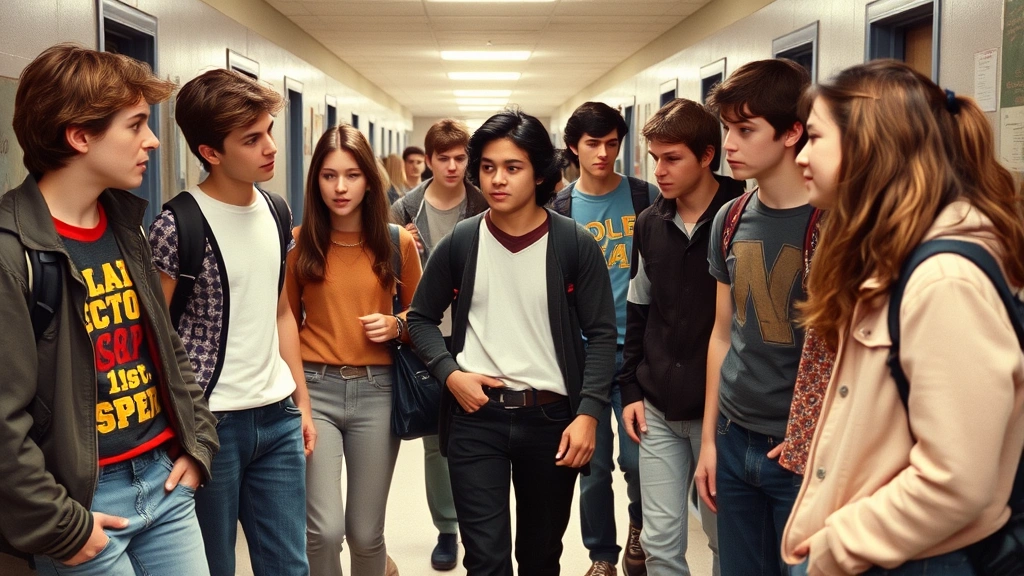
The Hughes Formula: Redefining Teen Cinema
Before John Hughes revolutionized the landscape with films like Sixteen Candles, teen movies typically fell into predictable categories: either saccharine musicals, exploitation films, or condescending narratives where adults played teenagers. Hughes changed this fundamentally by treating adolescents as complex human beings with legitimate concerns, fears, and emotional depths. His directorial vision established what critics now recognize as the Hughes Formula—a methodology emphasizing character psychology over plot mechanics.
The formula operates on several interconnected principles. First, Hughes prioritized internal emotional conflict over external action sequences. Samantha’s journey isn’t about defeating an antagonist or achieving a traditional victory; it’s about navigating social embarrassment, family disappointment, and romantic uncertainty. This inward focus created space for character development that felt authentic rather than manufactured for dramatic effect. Second, Hughes incorporated humor that emerged naturally from character behavior and social situations rather than relying on slapstick or mean-spirited mockery. The comedy in Sixteen Candles stems from recognizable teenage experiences—awkward phone calls, social miscommunications, the terror of parental embarrassment.
Critics analyzing the film’s structure note that Hughes essentially invented a new subgenre. As film scholar research institutions examining media trends have documented, his approach influenced how subsequent filmmakers approached adolescent narratives. The success of Sixteen Candles demonstrated that audiences craved authentic representation of teenage experience, not sanitized versions created for parental consumption. This insight proved commercially viable and artistically significant, validating Hughes’ instinct that teenage emotions deserved serious cinematic treatment.
The film’s opening sequences exemplify this formula in action. Rather than beginning with exposition or plot setup, Hughes plunges viewers directly into Samantha’s emotional state. We experience her disappointment through her perspective, understanding immediately why her forgotten birthday matters profoundly. This narrative choice establishes empathy before introducing complications, ensuring audiences remain invested in her emotional journey throughout the film.

Molly Ringwald’s Performance and Character Authenticity
Molly Ringwald’s portrayal of Samantha Baker represents one of cinema’s most accomplished teenage performances, combining vulnerability with intelligence in ways that elevated the entire film. Critics frequently praise Ringwald’s ability to convey complex emotional states through subtle facial expressions and carefully modulated dialogue delivery. She never plays Samantha as a caricature or stereotype; instead, Ringwald inhabits the character with such authenticity that viewers forget they’re watching an adult portraying a teenager.
What distinguishes Ringwald’s performance is her refusal to either diminish teenage emotions or amplify them for comedic effect. When Samantha experiences disappointment, humiliation, or romantic hope, Ringwald presents these feelings with genuine weight. This approach requires considerable skill—overplaying the emotions would render them absurd, while underplaying them would betray the character’s authentic experience. Ringwald navigates this balance with remarkable precision, creating a character whose emotional journey feels earned and meaningful.
The actress also demonstrates impressive range within the film’s comedic framework. She delivers funny moments without sacrificing character consistency, and she handles romantic scenes with appropriate awkwardness and genuine feeling. When Samantha interacts with Jake Ryan, portrayed by Michael Schoeffling, Ringwald captures the specific quality of teenage attraction—a combination of hope, nervousness, and self-consciousness that feels authentic rather than manufactured. Her performance established Ringwald as a serious young actress capable of carrying a film emotionally, not merely serving as decoration or romantic object.
Film critics examining Sixteen Candles often emphasize how Ringwald’s performance validated the entire Hughes project. Her commitment to authenticity suggested that teen films could achieve artistic merit beyond commercial viability. This realization encouraged subsequent filmmakers to recruit actors capable of delivering nuanced performances in adolescent roles, fundamentally elevating the quality of teen cinema across the industry.
Dialogue That Captures Generational Voice
John Hughes possessed an exceptional gift for dialogue—the ability to write speech patterns that sounded authentically teenage while remaining accessible to broader audiences. Sixteen Candles demonstrates this skill throughout, with conversations that capture how adolescents actually communicate: incomplete sentences, self-interruptions, tangential observations, and the specific rhythm of teenage speech patterns. This attention to linguistic authenticity proved revolutionary in mainstream cinema, where dialogue typically served plot exposition rather than character revelation.
Consider the film’s most memorable exchanges. When Samantha discusses her romantic anxieties with her friend Randy, the conversation unfolds naturally, with both characters interrupting each other, changing subjects, and circling back to concerns with the nonlinear quality characteristic of genuine teenage dialogue. Hughes captures the specific vocabulary of the early 1980s without rendering it dated or ridiculous; the slang feels period-appropriate without dominating the conversation or alienating contemporary audiences unfamiliar with 1980s vernacular.
The dialogue also reveals character through speech patterns and word choices. Samantha’s interior monologue differs significantly from her external conversations, capturing the distinction between authentic teenage thought and the performed version adolescents present to peers and authority figures. This technique allows viewers access to Samantha’s genuine emotional landscape while understanding how social pressures shape her external behavior. Hughes uses dialogue not merely to advance plot but to illuminate psychological complexity and internal conflict.
Critics examining Hughes’ screenwriting frequently note his influence on subsequent dialogue-driven films. Writers working in teen cinema after Sixteen Candles increasingly prioritized authentic speech patterns and character-revealing conversation over exposition-heavy exchanges. This shift represented a fundamental change in how screenwriters approached dialogue, valuing naturalism and character authenticity over mechanical plot delivery. Exploring famous movie quotes reveals how Hughes’ dialogue achieved memorability through authenticity rather than theatrical artifice.
Cultural Specificity and Universal Themes
One of the most intriguing aspects of Sixteen Candles from a critical perspective involves its simultaneous commitment to cultural specificity and universal emotional experience. The film is unmistakably rooted in 1980s American suburban culture—the fashion, technology, social dynamics, and family structures all reflect a particular historical moment. Yet audiences across decades and cultural contexts respond to the film’s emotional core, suggesting Hughes tapped into something fundamentally human about adolescent experience transcending temporal and geographical boundaries.
The suburban setting functions as more than mere backdrop; it shapes character behavior, social hierarchies, and the specific anxieties driving the narrative. Samantha’s concerns about social status, romantic acceptance, and family belonging emerge directly from suburban teenage culture. The film doesn’t apologize for or attempt to universalize this specificity; instead, it embraces the particular while trusting audiences to recognize universal emotional resonance within specific cultural contexts.
This approach contradicts conventional filmmaking wisdom suggesting that specificity limits audience accessibility. Hughes demonstrated that authentic cultural detail actually enhances emotional connection because audiences recognize truth in specific observation. When viewers see their own experiences reflected in particular detail—the awkwardness of family dynamics, the terror of social embarrassment, the intensity of teenage romantic longing—they connect more deeply than they would to generalized, decontextualized scenarios.
Film scholars analyzing the movie’s endurance frequently cite this balance as crucial to its staying power. The film remains culturally specific enough to feel authentic and grounded, yet emotionally universal enough that audiences from different eras recognize themselves in Samantha’s experience. This combination proves remarkably rare in cinema, explaining why Sixteen Candles continues resonating while many contemporary teen films fade into obscurity.
The movie also addresses class dynamics, social hierarchies, and the unspoken rules governing teenage social interaction with unusual sophistication. Hughes captures how high school functions as a complex social ecosystem with its own economics, status systems, and power dynamics. Understanding these systems becomes essential for teenage survival, yet they remain largely invisible to adults. The film illuminates this hidden teenage world without condescension or simplification.
The Supporting Cast and Ensemble Dynamics
While Molly Ringwald anchors the narrative, Sixteen Candles succeeds significantly because of its exceptional supporting cast and the chemistry between ensemble members. Michael Schoeffling brings appropriate charm and vulnerability to Jake Ryan, avoiding the trap of portraying the popular athlete as one-dimensional. Instead, Jake emerges as a genuinely nice person struggling with his own social constraints, creating complexity that elevates the romantic storyline beyond typical teen movie romance.
Paul Reiser’s portrayal of Farmer Ted provides comic relief while maintaining surprising emotional depth. Ted’s desperation and social awkwardness could easily become contemptible or merely ridiculous, yet Reiser plays the character with such earnestness and vulnerability that audiences sympathize with him despite his often-inappropriate behavior. This balance required considerable acting skill—Reiser needed to remain funny while preventing Ted from becoming completely unsympathetic.
The supporting characters surrounding Samantha—her family members, friends, and the various teenagers populating the school—all receive individualized attention and specific character details. Rather than functioning as generic background figures, these characters possess distinct personalities, motivations, and comic timing. This approach reflects Hughes’ fundamental respect for his characters; even minor roles receive enough development to feel like actual people rather than plot functions.
The ensemble dynamics create a rich social world where multiple storylines intersect and interact. This technique allows Hughes to explore different aspects of teenage experience simultaneously—romantic anxiety, family dynamics, social ambition, friendship complications—while maintaining narrative coherence. The result feels expansive and authentic, capturing the complexity of teenage social existence rather than reducing it to a single character’s perspective.
Soundtrack and Sensory Nostalgia
The film’s soundtrack, featuring music by Ira Newborn and various 1980s artists, contributes significantly to its enduring emotional impact. The score doesn’t overwhelm scenes with manipulative emotional cues; instead, it enhances the emotional landscape while remaining subtle enough to feel organic. This restraint reflects Hughes’ overall approach—allowing character and situation to generate emotion rather than relying on technical manipulation.
The specific songs selected for key scenes carry their own emotional weight. When Samantha experiences disappointment or romantic longing, the musical accompaniment validates her feelings without suggesting they’re either trivial or melodramatic. This balanced approach to scoring demonstrates Hughes’ understanding that teenage emotions deserve respectful treatment musically as well as narratively.
Beyond the formal score, the film captures the sensory quality of 1980s teenage life through production design, costume choices, and visual composition. Every element—from the specific aesthetic of school hallways to the details of family homes—creates an immersive period environment. This sensory specificity generates nostalgia for audiences who experienced that era while allowing younger viewers to access a historical moment through authentic visual recreation.
The sensory dimension of Sixteen Candles explains some of its enduring appeal. Audiences don’t merely remember the narrative; they remember how the film made them feel through accumulated sensory details. This multisensory approach to filmmaking creates deeper emotional imprinting than dialogue-driven narratives alone could achieve. When viewers return to the film, they’re not simply recalling plot points but re-experiencing an entire emotional and sensory universe.
Critical Reception Then and Now
Upon its initial 1984 release, Sixteen Candles received generally positive reviews, though not universal critical acclaim. Some critics dismissed it as lightweight entertainment lacking serious artistic merit, while others recognized its achievement in authentically representing teenage experience. Contemporary reviews often emphasized the film’s humor and charm while occasionally suggesting it lacked the depth of more serious coming-of-age narratives.
Over subsequent decades, critical reassessment has elevated Sixteen Candles‘ reputation significantly. Film scholars and critics increasingly recognize the film’s achievement in multiple dimensions—technical filmmaking, screenwriting sophistication, performance quality, and cultural significance. The film now appears regularly on lists of greatest teen movies, most influential 1980s films, and most important American comedies. This critical trajectory reflects changing perspectives on how cinema deserves evaluation; contemporary critics recognize that popular entertainment can simultaneously achieve artistic merit and commercial success.
Modern critical analysis emphasizes the film’s prescient understanding of teenage psychology and social dynamics. Hughes’ insights into adolescent experience proved remarkably accurate, with subsequent psychological research validating many of his observations about teenage emotional development, social anxiety, and identity formation. This alignment between artistic intuition and scientific understanding enhances the film’s credibility and explains its continued relevance.
However, contemporary criticism also acknowledges problematic elements present in the film—specifically certain scenes involving consent and gender dynamics that reflect 1980s attitudes now recognized as problematic. Serious film critics addressing Sixteen Candles in current contexts acknowledge these issues while contextualizing them historically. This nuanced critical approach allows appreciation of the film’s achievements while recognizing how social values have evolved. The best movie review sites increasingly demonstrate this balanced critical methodology when examining older films.
Legacy and Influence on Modern Cinema
The influence of Sixteen Candles on subsequent filmmaking proves difficult to overstate. The film essentially created the template for the modern teen movie—a template that countless filmmakers have followed, modified, and expanded upon in the decades since its release. Directors working in teen cinema frequently cite Hughes as a primary influence, acknowledging how his approach fundamentally changed their understanding of how to approach adolescent narratives.
The most direct influence appears in teen comedies attempting to balance humor with emotional authenticity. Films like The Breakfast Club, Ferris Bueller’s Day Off, and numerous contemporary teen movies employ Hughes’ fundamental methodology—prioritizing character development and emotional authenticity over plot mechanics, utilizing naturalistic dialogue, and treating teenage experiences with respect and seriousness. Even filmmakers who diverge significantly from Hughes’ specific approach acknowledge his influence on their thinking about teen cinema.
Beyond direct stylistic influence, Sixteen Candles demonstrated commercially that audiences desired authentic representation of teenage experience. This insight encouraged studios to invest in teen-oriented films with genuine artistic ambition rather than cynical cash grabs. The film’s success validated the concept that teen movies could achieve both critical respect and commercial viability, inspiring subsequent generations of filmmakers to pursue ambitious projects in the genre.
The film also influenced how the entertainment industry approached casting young actors. The success of Molly Ringwald and the ensemble cast demonstrated the value of recruiting genuinely talented performers capable of delivering nuanced work rather than relying on conventional attractiveness or recognizable names. This shift encouraged more rigorous casting processes for teen-oriented projects, ultimately improving the quality of performances in youth-focused cinema.
Contemporary filmmakers continue engaging with Hughes’ legacy, either through homage, deconstruction, or evolution of his fundamental approach. The journey to becoming a film critic often involves studying Hughes’ films as essential examples of how popular entertainment achieves artistic merit. His influence extends beyond teen cinema into broader conversations about character-driven storytelling, dialogue authenticity, and the relationship between commercial viability and artistic achievement.
Academic film studies programs increasingly incorporate Sixteen Candles into curricula examining American cinema, cultural history, and narrative technique. The film’s accessibility combined with its technical sophistication makes it ideal for educational contexts where students learn to analyze filmmaking while engaging with genuinely entertaining cinema. This educational prominence ensures that new generations encounter the film not merely as entertainment but as a serious object of critical study.
The film also influenced how media industries approach similar projects across platforms. Television writers working on teen-oriented series frequently employ Hughes’ dialogue techniques and character development methodologies. Streaming platforms investing in young adult content recognize the value of authentic representation and emotional authenticity that Hughes pioneered. His influence thus extends beyond theatrical cinema into contemporary media ecosystems.
Understanding Sixteen Candles‘ enduring appeal requires recognizing how the film achieves multiple simultaneous objectives. It entertains through humor and romantic narrative while exploring authentic teenage emotional experience. It remains culturally specific to 1980s American suburbs while addressing universal aspects of adolescence. It demonstrates technical filmmaking sophistication while maintaining accessibility to general audiences. These multiple achievements operating simultaneously explain why the film continues resonating across decades and why critics continue analyzing it as a significant artistic achievement.
FAQ
Why does Sixteen Candles remain popular across generations?
The film’s enduring appeal stems from its authentic representation of teenage emotional experience combined with technical filmmaking sophistication. While culturally specific to the 1980s, the emotional core addressing romantic anxiety, family dynamics, and social belonging resonates across different eras. Audiences appreciate how Hughes treats teenage feelings as legitimate rather than dismissive, creating emotional connection that transcends generational boundaries.
How did Sixteen Candles influence modern teen movies?
The film essentially established the template for contemporary teen cinema by prioritizing character development and emotional authenticity over plot mechanics. Filmmakers working after Hughes adopted his methodology of naturalistic dialogue, complex character development, and respectful treatment of adolescent experience. The film demonstrated commercially that audiences desired genuine representation rather than cynical entertainment, influencing how studios approach teen-oriented projects.
What makes Molly Ringwald’s performance significant?
Ringwald’s portrayal combines vulnerability with intelligence, creating authentic character representation rather than stereotypical teenage caricature. Her performance demonstrated that teen films could feature serious acting work deserving critical respect. Ringwald’s commitment to character authenticity influenced how the industry approached casting for youth-oriented projects, encouraging recruitment of genuinely talented performers capable of delivering nuanced work.
How does the film balance cultural specificity with universal themes?
Hughes embraced 1980s suburban culture authentically while trusting audiences to recognize universal emotional resonance within specific cultural contexts. The film doesn’t apologize for or attempt to universalize its particularity; instead, it demonstrates that authentic cultural detail enhances emotional connection. This balance between specificity and universality explains why the film remains relevant despite its particular historical setting.
What problematic elements exist in Sixteen Candles by contemporary standards?
Modern criticism acknowledges certain scenes involving consent and gender dynamics that reflect 1980s attitudes now recognized as problematic. Serious film critics address these issues while contextualizing them historically, allowing appreciation of the film’s achievements while recognizing how social values have evolved. This nuanced approach demonstrates how to engage with older films critically without dismissing their artistic merit entirely.
How does Sixteen Candles compare to other John Hughes films?
While Hughes directed multiple successful teen films, Sixteen Candles occupies particular significance as an early demonstration of his filmmaking methodology. Subsequent Hughes films like The Breakfast Club and Ferris Bueller’s Day Off expanded upon techniques established in Sixteen Candles, but this film remains foundational to understanding his artistic vision and influence on teen cinema.
For additional context on how films achieve critical longevity, explore ScreenVibe Daily Blog for ongoing film analysis. Understanding the mechanics of enduring cinema helps viewers appreciate both entertainment value and artistic achievement. Consider exploring family movies spanning generations to see how Hughes’ influence appears across contemporary cinema. For deeper exploration of filmmaking craft, comprehensive film databases and encyclopedias provide historical context and critical analysis of cinema history.


