Victor Frankenstein: A Cinematic Review
James McAvoy’s 2015 interpretation of Victor Frankenstein the movie represents a fascinating reimagining of Mary Shelley’s classic Gothic novel, transplanting the mad scientist narrative into a visually stunning steampunk universe. Directed by Paul McGuigan, this film takes considerable creative liberties with the source material, crafting a origin story that prioritizes spectacle and character dynamics over philosophical depth. The result is an ambitious yet divisive entry in the monster movie canon that deserves critical examination for both its innovations and missteps.
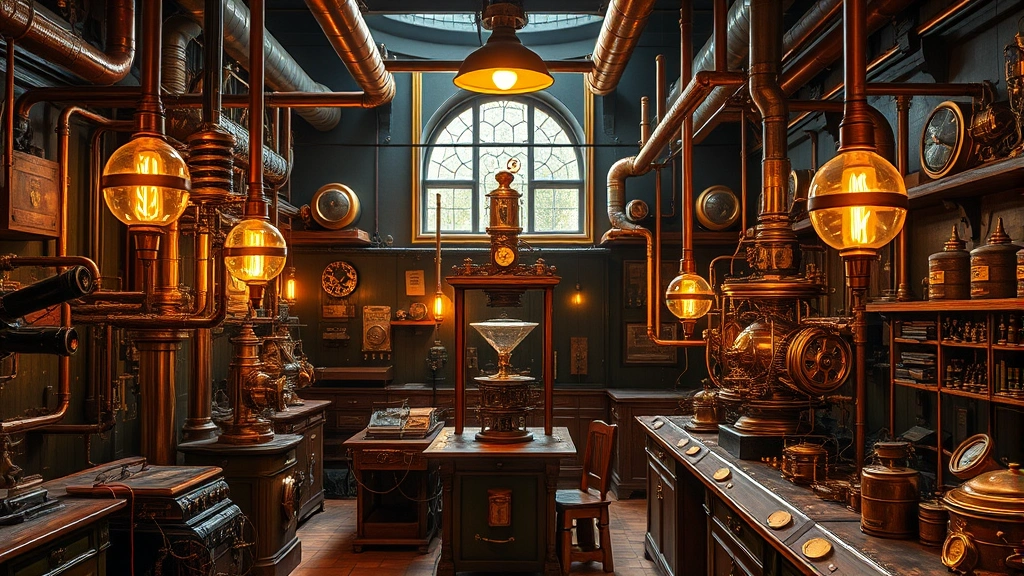
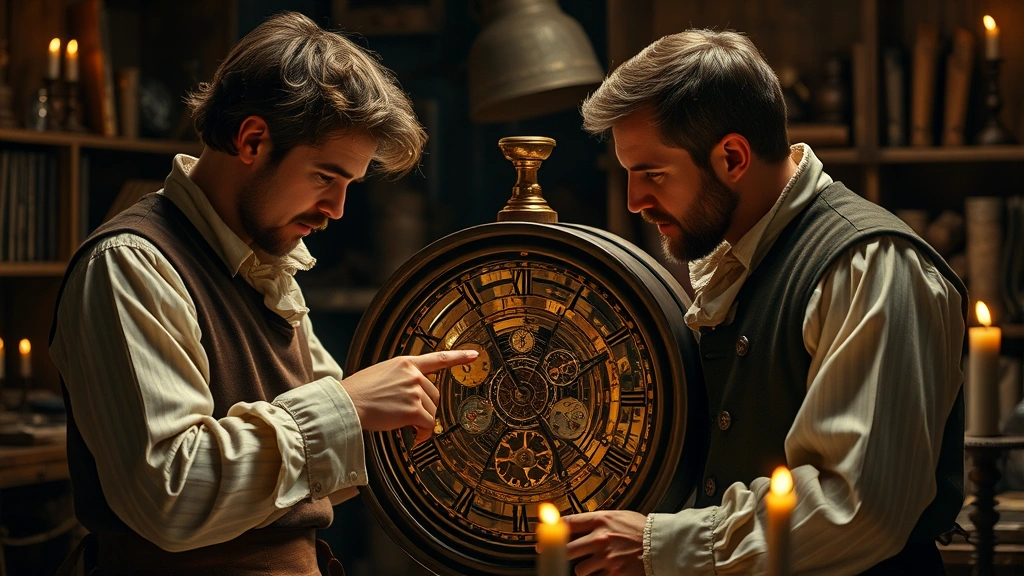
The film’s central premise positions Victor as a brilliant but emotionally damaged nobleman whose obsession with defying death drives him toward increasingly dangerous scientific experiments. Alongside his companion Igor (Daniel Radcliffe), Victor constructs an elaborate laboratory filled with anachronistic Victorian machinery, creating an atmosphere that blends Gothic horror with industrial-age aesthetics. This visual approach fundamentally reshapes how contemporary audiences encounter Shelley’s narrative, making it essential to understand how modern cinema adapts classic literature for the streaming and theatrical markets.
Plot Analysis and Structure
The narrative framework of Victor Frankenstein establishes itself immediately as a character-driven psychological thriller rather than a straightforward monster movie. The film opens with Igor imprisoned in a circus, where he encounters the aristocratic Victor, who recognizes his companion’s hidden intellectual potential. This unconventional origin point allows the screenplay to explore themes of redemption, friendship, and the corruption that accompanies unchecked ambition—elements that resonate with contemporary audiences familiar with character-focused storytelling in prestige television and independent cinema.
Victor’s motivation stems from a traumatic childhood experience involving his mother’s death, a plot device that humanizes his obsession with conquering mortality. Rather than presenting the scientist as a purely megalomaniacal villain, the film constructs him as a deeply flawed protagonist driven by grief and desperation. This psychological complexity mirrors trends in modern movie review methodologies that emphasize character development and emotional arcs over plot mechanics.
The second act transitions into laboratory sequences where Victor and Igor conduct increasingly elaborate experiments, ultimately culminating in the creation of the creature. The pacing here becomes problematic, as the film attempts to balance exposition about scientific methods with character development and romantic subplot complications. The creature’s emergence feels rushed, undermining the gravitational weight that such a transformative moment should carry. This structural weakness becomes apparent when compared to classic horror film presentations that allow tension to build methodically.
Visual Direction and Cinematography
Paul McGuigan’s directorial vision shines most brightly in the film’s visual presentation, which creates an immersive steampunk aesthetic that feels both fantastical and grounded. The production design combines Victorian architecture with elaborate mechanical contraptions, suggesting a world where scientific advancement has spiraled into obsessive excess. Cinematographer John Schwartzman employs warm amber lighting in laboratory sequences, contrasting sharply with cold blue tones in exterior scenes, creating a visual vocabulary that reinforces the emotional journey.
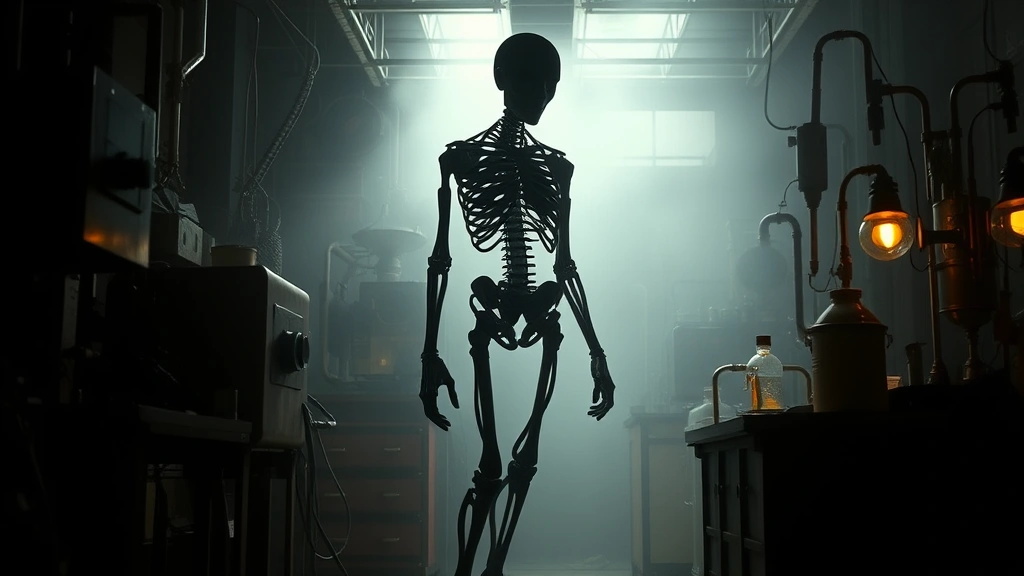
The creature design itself represents a significant departure from traditional Frankenstein interpretations. Rather than presenting a flat-headed, bolt-necked monster, this version offers a more anatomically coherent being—a human form reconstructed from multiple sources with visible scarring and surgical precision marks. This design choice reflects contemporary special effects capabilities while also suggesting a more scientifically plausible approach to the mad scientist narrative. The creature’s CGI rendering occasionally strains credibility, particularly in action sequences where weight and physics feel inconsistent with practical sets.
Cinematically, the film employs dynamic camera movement and rapid editing during action sequences, creating a frenetic energy that contrasts with the slower, more deliberate pacing of intimate scenes. This stylistic variation serves the narrative well during early laboratory work, but becomes excessive during the climactic confrontation, where clarity suffers from overly complicated shot composition. The visual ambition occasionally outpaces narrative necessity, resulting in sequences that prioritize spectacle over emotional resonance.
Cast Performances and Chemistry
James McAvoy’s portrayal of Victor Frankenstein demonstrates remarkable range, oscillating between charming mentorship and unhinged obsession with surprising fluidity. McAvoy brings theatrical intensity to the role, emphasizing Victor’s theatrical nature and emotional volatility. His performance occasionally borders on camp, particularly in scenes where he articulates his philosophical justifications for defying natural law, yet this tonal choice aligns with the film’s overall aesthetic of gothic excess.
Daniel Radcliffe’s Igor presents a more grounded counterpoint to McAvoy’s theatrical excess. The actor infuses Igor with vulnerability and intelligence, transforming the character from traditional servant archetype into genuine protagonist. Radcliffe’s performance anchors the film’s emotional core, providing audience identification through Igor’s perspective of wonder and moral concern. The chemistry between McAvoy and Radcliffe sustains the film through its slower sequences, though their dynamic occasionally feels underdeveloped given the screenplay’s apparent investment in their relationship.
Jessica Brown Findlay’s Elizabeth represents the obligatory romantic interest, though her character receives surprisingly little development or agency. The actress performs admirably within these constraints, but the screenplay fails to provide her meaningful arc or purpose beyond motivation for male characters. This represents a significant missed opportunity for film critics examining gender representation in contemporary adaptations of classic literature.
Andrew Scott’s Inspector Rodley functions as the antagonistic authority figure, though his character remains thinly sketched throughout. Scott’s performance demonstrates professional competence without memorable distinction, suggesting that the role was conceived primarily to provide external conflict rather than thematic complexity. The resulting dynamic between Victor and Rodley lacks the philosophical tension that might elevate their opposition from simple good-versus-evil dichotomy.
Adaptation Choices and Source Material
The relationship between Victor Frankenstein the movie and Mary Shelley’s original 1818 novel reveals how contemporary filmmaking interprets classic literature through modern sensibilities. The film abandons the epistolary narrative structure of the source material, replacing Shelley’s philosophical inquiries with action-oriented plotting and visual spectacle. While this transformation reflects inevitable differences between literary and cinematic storytelling, it also suggests a fundamental shift in how mainstream entertainment approaches intellectual property.
Shelley’s novel emphasizes the creature’s capacity for language, emotion, and moral reasoning—elements that generate horror through the protagonist’s recognition of his creation’s humanity. The 2015 film largely abandons this psychological dimension, instead presenting the creature as a volatile force requiring containment. This choice simplifies the narrative’s thematic complexity but enables more straightforward action sequences and visual effects showcases.
The film’s addition of Igor as a co-protagonist substantially alters the novel’s structure and thematic concerns. Shelley’s narrative centers on Victor’s isolation and the consequences of his hubris, whereas McGuigan’s adaptation emphasizes friendship and companionship as redemptive forces. This tonal shift reflects contemporary storytelling preferences for ensemble dynamics and emotional support systems, evident in popular franchises and streaming platform originals that prioritize character relationships.
The steampunk aesthetic represents perhaps the most visible departure from source material, transforming Shelley’s early nineteenth-century setting into a heightened alternate reality. This design choice enables elaborate visual sequences while simultaneously distancing the film from the novel’s grounded, historically-situated narrative. The resulting temporal ambiguity creates interesting visual possibilities but undermines the story’s emotional authenticity and thematic resonance with historical scientific advancement.
Technical Production Elements
The film’s technical execution demonstrates considerable sophistication in costume design, with period-appropriate clothing modified through subtle steampunk elements that enhance without overwhelming the visual aesthetic. Costume designer Lisy Christl creates silhouettes that feel historically grounded while suggesting technological advancement, particularly in Victor’s elaborate laboratory attire and the creature’s scarred physiology.
The musical score by Craig Armstrong provides orchestral accompaniment that reinforces emotional beats and thematic concerns. Armstrong’s composition emphasizes string instruments and dramatic crescendos during key moments, though the score occasionally overwhelms dialogue and intimate scenes with unnecessary grandiosity. The sonic landscape supports the film’s gothic atmosphere while occasionally undermining subtlety in character interactions.
Sound design contributes significantly to the film’s immersive quality, with mechanical noises, electrical hums, and atmospheric ambience creating a rich auditory environment. The creature’s introduction benefits particularly from thoughtful sound design that emphasizes its artificial nature and unsettling physicality. However, dialogue mixing occasionally suffers from unclear prioritization, with ambient sound competing with character speech during crucial exposition sequences.
The editing by Juliette Welfling maintains generally coherent pacing despite the screenplay’s structural inconsistencies. Action sequences receive crisp, dynamic editing that enhances kinetic energy, while intimate scenes often employ longer takes that allow performances to breathe. The editing rhythm supports tonal shifts between laboratory sequences and external conflict, though some transitions feel abrupt and undersell emotional stakes.
Cultural Impact and Reception
Upon theatrical release, Victor Frankenstein received mixed critical reception, with reviewers acknowledging visual ambition while criticizing narrative shortcomings and thematic superficiality. Major publications questioned whether the film justified its substantial budget through compelling storytelling, noting that spectacle alone proved insufficient for sustained audience engagement. The film’s box office performance reflected critical ambivalence, grossing approximately $35 million against a reported $40 million production budget.
The film’s reception illuminates broader conversations about adaptation fidelity and creative reinterpretation within contemporary cinema. Critics and audiences debated whether the substantial departures from Shelley’s source material represented bold reimagining or misguided deviation from thematic foundations. This discourse mirrors ongoing discussions in media research regarding how audiences evaluate adaptation choices and their relationship to original source material.
In retrospect, Victor Frankenstein occupies an interesting position within the broader landscape of classic literature adaptations. The film demonstrates how contemporary filmmaking prioritizes visual innovation and character-driven narratives while occasionally sacrificing philosophical depth and thematic complexity. The movie functions as a case study in how blockbuster cinema approaches intellectual property, balancing commercial considerations with artistic ambition.
The film has found more appreciative audiences in retrospective viewing, particularly among viewers who approach it as a distinct artistic vision rather than strict adaptation. Streaming platforms and home video releases have provided alternative distribution channels that allow the film to reach audiences with different expectations and viewing contexts. This phenomenon reflects how media consumption patterns influence reception and critical reevaluation of theatrical releases.
For cinematic discourse and memorable dialogue, the film contributes several quotable moments that articulate its philosophical concerns, though none achieve the cultural resonance of lines from more acclaimed adaptations. McAvoy’s delivery of Victor’s justifications for his scientific pursuits provides thematic anchoring, even when the screenplay itself lacks substantive exploration of these ideas.
FAQ
Is Victor Frankenstein a faithful adaptation of Mary Shelley’s novel?
No, the film represents a significant reimagining rather than faithful adaptation. It adds Igor as co-protagonist, introduces steampunk aesthetic, and emphasizes action and spectacle over philosophical inquiry. While these changes depart substantially from source material, they reflect deliberate creative choices designed to appeal to contemporary audiences through visual innovation and character-driven storytelling.
What is the film’s central theme?
The primary thematic concern involves friendship, redemption, and the consequences of unchecked ambition. The film explores how grief and trauma drive obsession, and how companionship provides moral grounding. Victor’s journey from emotionally isolated genius to someone capable of connection forms the emotional arc, though this theme receives uneven development throughout the narrative.
How does the creature compare to other Frankenstein’s monster portrayals?
This version presents a more anatomically coherent and articulate creature than many classic interpretations, though it abandons the philosophical sophistication of Shelley’s original creation. The CGI rendering allows for physical sophistication but sometimes lacks the practical authenticity that practical effects provide. The creature functions more as antagonistic force than sympathetic character, representing significant tonal departure from the source material’s emphasis on the creature’s humanity.
Why did the film underperform commercially?
The film’s box office underperformance likely resulted from mixed critical reception, lack of clear audience identification, and competition from established franchises. The steampunk aesthetic and character-driven approach may have alienated audiences expecting traditional monster horror, while the narrative’s structural inconsistencies undermined critical credibility necessary for word-of-mouth promotion.
Where can I watch Victor Frankenstein?
The film is available on various streaming platforms and home video formats. Check current streaming availability guides for updated information regarding which services currently offer the film, as licensing agreements change frequently.
What is the runtime and rating?
Victor Frankenstein has a runtime of 110 minutes and received a PG-13 rating, making it accessible to younger audiences while limiting explicit content. The rating reflects the film’s emphasis on spectacle over graphic violence, supporting its positioning as adventure-oriented entertainment rather than horror-focused narrative.
Victor Frankenstein represents an ambitious attempt to revitalize classic literature through contemporary cinematic language. While the film’s visual innovation and character performances demonstrate technical sophistication, narrative inconsistencies and thematic superficiality prevent it from achieving the resonance of more acclaimed adaptations. The movie succeeds most fully when emphasizing character relationships and emotional stakes, yet frequently abandons these elements for elaborate action sequences and visual spectacle. For audiences seeking a visually engaging reimagining of Shelley’s novel that prioritizes entertainment value over philosophical inquiry, the film delivers adequate satisfaction. However, viewers seeking faithful adaptation or substantive exploration of the source material’s thematic concerns will find the film disappointing. Ultimately, Victor Frankenstein the movie occupies valuable space within contemporary cinema’s ongoing dialogue regarding how classic literature should be adapted for modern audiences, offering both compelling examples of visual innovation and cautionary tales regarding the limits of spectacle without substantive narrative foundation.


