Bee Movie’s Voices: Star-Studded Cast Insight
When DreamWorks Animation released Bee Movie in 2007, audiences were introduced to one of the most memorably voiced animated films in cinema history. The film’s success wasn’t solely dependent on its quirky premise about a bee who becomes a lawyer—it was fundamentally built on the vocal performances of an impressive ensemble cast. The voice acting in Bee Movie represents a fascinating intersection of comedy, celebrity culture, and animation artistry, where A-list talent brought their distinctive personalities to anthropomorphic insects navigating a human world.
The casting decisions made by directors Steve Hickner and Simon J. Smith created a perfect storm of comedic timing and vocal chemistry. Jerry Seinfeld, known for his observational humor and deadpan delivery, anchored the film as Barry B. Benson, the protagonist bee with unconventional ambitions. His casting wasn’t accidental—Seinfeld’s comedy sensibilities aligned perfectly with the film’s absurdist humor, and his experience in voice direction (he consulted extensively during production) ensured authenticity in Barry’s character arc. Beyond Seinfeld, the supporting cast included industry veterans, rising stars, and comedians whose voices became inseparable from their animated counterparts.
Understanding the vocal landscape of Bee Movie requires examining how each performer shaped their character, the collaborative process behind the scenes, and the lasting impact these performances have had on animated voice acting. This exploration reveals not just who voiced the characters, but how their contributions elevated the entire production and influenced audience perception of the film.
Jerry Seinfeld as Barry B. Benson: The Comedic Anchor
Jerry Seinfeld’s involvement in Bee Movie extended far beyond simply recording voice lines. As the lead voice actor and executive producer, Seinfeld wielded significant creative influence over the film’s comedic direction. His casting as Barry B. Benson was particularly inspired because Seinfeld’s entire career has been built on finding humor in the mundane—examining the peculiar logic of everyday situations, much like Barry does when he questions why bees are expected to work in hives.
Seinfeld’s vocal performance captures Barry’s earnest naïveté and growing frustration with societal expectations. The comedian’s delivery style relies heavily on rhythm and inflection rather than broad vocal characterization. This approach works brilliantly for Barry, who serves as the audience’s surrogate—a character questioning the logic of his world in ways that feel relatable despite the absurdist premise. When Barry declares “I’m going to go to law school,” Seinfeld’s deadpan delivery makes the ridiculousness of a bee pursuing law feel almost reasonable.
The performance also showcases Seinfeld’s understanding of timing, crucial in animation where voice actors must match pre-recorded dialogue to animated movements. His comedic instincts helped shape scenes, with Seinfeld often suggesting alternative phrasings or comedic beats during recording sessions. This collaborative approach influenced how other cast members approached their own performances, establishing a tone of creative flexibility throughout the production.
Seinfeld’s involvement in Bee Movie also reflects broader trends in celebrity voice casting. Check out our guide on best movie review sites for professional analysis of voice acting in contemporary animated films. The decision to cast A-list comedians in voice roles became increasingly common in the 2000s, with studios recognizing that recognizable voices and comedic sensibilities could elevate animated properties.
Supporting Cast Excellence: From Renée Zellweger to Matthew Brock
While Seinfeld provided the comedic foundation, the supporting cast brought remarkable depth and versatility to Bee Movie‘s world. Renée Zellweger voiced Vanessa Bloome, the human florist who becomes Barry’s love interest and confidante. Zellweger’s performance is notably grounded, providing an emotional anchor to the film’s more absurdist elements. Her character serves as the bridge between the bee world and human world, and Zellweger’s warm, genuine delivery makes Vanessa feel like a real person despite the film’s surreal premise.
John Lithgow brought gravitas to Layton T. Montgomery, the antagonistic mosquito lawyer representing the honey industry in court. Lithgow’s booming voice and theatrical delivery create a formidable opponent for Barry, and his performance demonstrates how accomplished dramatic actors can excel in voice work. The courtroom scenes gain significant weight from Lithgow’s commitment to the role, treating the absurd premise with the seriousness of a real legal thriller.
Chris Rock provided the voice for Mushu—no, wait, that’s not right. Rock voiced Mooseblood, a tough-talking mosquito character whose brief appearances provide comic relief. Rock’s recognizable cadence and comedic timing shine through, even in limited screen time. His performance exemplifies how even smaller voice roles benefit from casting established comedians who understand timing and delivery.
Patrick Warburton voiced Ken, Vanessa’s human boyfriend, bringing a perfect blend of obliviousness and charm to the character. Warburton’s deep, distinctive voice made Ken immediately memorable, and his comedic underplaying in scenes where Ken remains blissfully unaware of Vanessa’s attraction to a bee demonstrates sophisticated comedic acting. For more information about ensemble casts in animated films, explore our ScreenVibe Daily Blog for detailed reviews and casting analysis.
Matthew Brock voiced Adam Flayman, Barry’s best friend, providing the emotional grounding for many scenes. Brock’s lesser-known status as a voice actor highlights how Bee Movie balanced celebrity casting with talented performers from the voice acting community. This mixture created a more authentic ensemble, where star power complemented rather than dominated the production.
The Voice Direction and Recording Process
The vocal performances in Bee Movie didn’t emerge spontaneously—they resulted from meticulous direction and a collaborative recording process. Voice director Tom Sito worked extensively with each actor to develop their character’s vocal identity. Sito, an accomplished animator and director himself, understood both the technical requirements of voice work and the artistic aspirations of the performers.
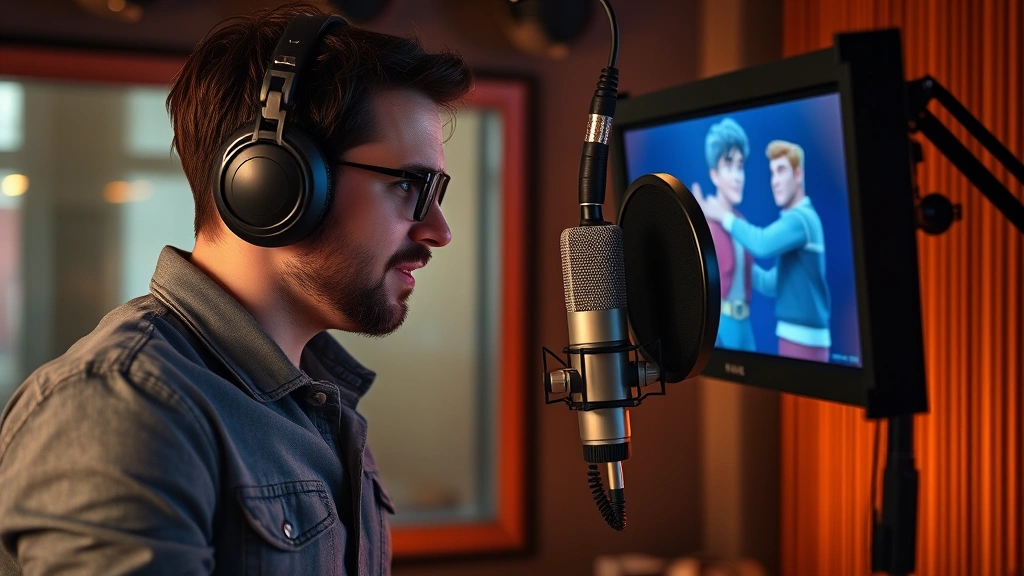
Recording sessions for Bee Movie typically involved actors working alone in soundproof booths, reading dialogue while watching animatic sequences (rough animated storyboards) on screens before them. This process differs significantly from live-action filming, where actors interact physically and emotionally with scene partners. Voice actors must generate authentic emotional responses and comedic timing without the benefit of physical interaction, relying instead on imagination, direction, and their professional experience.
Seinfeld’s involvement in directing and producing meant he participated actively in shaping these recording sessions. Reports from the production indicate that Seinfeld and Sito encouraged multiple takes of scenes, exploring different comedic approaches and emotional beats. This iterative process resulted in performances that feel spontaneous and naturalistic, qualities often difficult to achieve in voice work.
The recording process also involved significant post-production work. Sound engineers layered multiple vocal takes, sometimes combining different performances to create the final character voice. This technique, common in animated filmmaking, allows directors to cherry-pick the best comedic moments from various takes, assembling performances that might not exist in any single recording session.
” alt=”Professional voice actor in recording booth wearing headphones, speaking into high-end microphone with animated character reference displayed on monitor, warm studio lighting highlighting concentration and technical precision of voice acting work”>
Vocal Chemistry and Character Dynamics
One of Bee Movie‘s greatest strengths lies in the vocal chemistry between its characters. Despite recording separately, the voice actors created authentic-feeling relationships and comedic dynamics that drive the narrative. Seinfeld and Matthew Brock’s scenes as Barry and Adam showcase natural comedic timing and genuine friendship, suggesting the actors understood their characters’ relationship deeply.
The romantic tension between Barry and Vanessa, voiced by Seinfeld and Zellweger respectively, carries emotional weight precisely because both actors committed fully to their characters’ emotional arcs. Zellweger’s performance grows increasingly conflicted as Vanessa grapples with her attraction to a bee, and Seinfeld’s Barry evolves from self-assured to genuinely uncertain about his feelings. This emotional progression makes the relationship feel earned rather than forced.
The courtroom scenes demonstrate how vocal performances can create tension and conflict. John Lithgow’s Layton T. Montgomery and Jerry Seinfeld’s Barry engage in verbal sparring that feels genuinely adversarial. The actors understood the stakes of their characters’ conflict—not just winning a case, but fundamentally different worldviews about bee rights and human responsibility. This thematic depth elevates what could have been simple comedic exchanges into scenes with genuine dramatic weight.
Supporting characters enhance these dynamics through contrast. Chris Rock’s Mooseblood provides crude comic relief that highlights Barry’s earnestness. Renée Zellweger’s grounded Vanessa emphasizes Barry’s naïveté. Patrick Warburton’s oblivious Ken underscores the genuine connection between Barry and Vanessa. These vocal contrasts create a rich tapestry where each character’s voice serves a specific narrative and comedic function.
Impact on Voice Acting Standards
The voice acting in Bee Movie influenced how studios approached animated casting in subsequent years. The film demonstrated that celebrity voices could work effectively when matched with appropriate characters and supported by strong direction. However, it also revealed potential pitfalls—the heavy reliance on recognizable voices sometimes prioritized star power over vocal suitability.
Professional voice actors observed how Bee Movie‘s casting choices affected their industry. The film’s success with celebrity voices increased competition for roles, as studios increasingly sought A-list talent. Simultaneously, the film’s lasting cultural impact (often mocked for its absurdist premise) created awareness that voice acting demands genuine skill beyond mere celebrity recognition.
Contemporary animated productions learned from Bee Movie‘s example, balancing celebrity casting with voice actors who brought specialized training and experience. Films like quality animated features now typically feature mixed casts of celebrities and professional voice actors, leveraging each group’s strengths.
The film also influenced voice direction practices. Sito’s collaborative approach, influenced by Seinfeld’s creative involvement, became a model for how voice directors could work with actors to develop character voices organically rather than imposing predetermined vocal characteristics. This philosophy emphasized that voice acting, like all acting, benefits from exploration and experimentation.
Behind-the-Scenes Casting Decisions
Understanding how specific actors came to voice particular characters reveals the strategic thinking behind Bee Movie‘s casting. Jerry Seinfeld’s involvement was unique—he didn’t audition like other actors but rather co-created the project. DreamWorks approached Seinfeld with a concept, and he shaped it into a film that reflected his comedic sensibilities. This top-down casting approach differs from traditional animated productions where voice directors audition numerous performers for each role.
Renée Zellweger’s casting as Vanessa likely appealed to producers seeking an actress known for emotional authenticity. Zellweger’s Oscar-winning performances in films like Cold Mountain demonstrated her ability to convey complex emotions, qualities valuable in voice work where facial expressions cannot support the performance. Her casting elevated Vanessa from potential love-interest cliché to a character with genuine emotional depth.
John Lithgow’s involvement reflected a broader strategy of casting accomplished theatrical actors in antagonistic roles. Lithgow’s Shakespearean training and decades of dramatic work informed his portrayal of Layton T. Montgomery, bringing unexpected sophistication to a villain in an animated comedy. This casting choice signaled that Bee Movie aspired to more than simple children’s entertainment.
The inclusion of younger actors like Matthew Brock (as Adam) and less-established comedians created generational diversity in the cast. This approach ensured the film appealed across age groups and comedy styles—from Seinfeld’s observational humor to Rock’s more aggressive comedic style to younger actors’ contemporary sensibilities.
Research from Pew Research Center on media consumption patterns reveals that animated films with recognizable voices attract broader audiences, particularly when celebrities span different demographics. Bee Movie‘s casting strategy reflected understanding of these audience dynamics, selecting voices that would resonate across age groups and comedy preferences.
” alt=”Diverse group of professional voice actors in modern recording studio, standing before large window overlooking city skyline, holding scripts and smiling, representing collaborative creative environment and professional camaraderie”>
Lasting Cultural Impact and Legacy
The voices of Bee Movie have transcended the film itself, becoming cultural touchstones referenced in memes, parodies, and internet culture. Seinfeld’s deadpan delivery of absurdist dialogue has been sampled and remixed countless times. The film’s quotability—lines like “According to all known laws of aviation, there’s no way a bee should be able to fly”—relies entirely on the vocal delivery and comedic timing Seinfeld brought to the role.
The film’s voice cast became inseparable from their characters in audience consciousness. When people reference Bee Movie, they’re often invoking specific vocal moments or comedic deliveries. This phenomenon demonstrates how powerful voice acting can be in creating lasting cultural impressions, sometimes eclipsing the film’s actual narrative or thematic concerns.
Contemporary voice actors studying Bee Movie find valuable lessons in how established actors approached animated work. The film showcases Seinfeld’s understanding of comedy and timing, Lithgow’s ability to lend gravitas to absurd situations, and Zellweger’s emotional authenticity in voice work. These performances provide case studies in how different acting styles and sensibilities translate to animation.
The film also sparked discussions about voice casting equity and representation in animation. While Bee Movie featured a relatively diverse cast (for 2007), subsequent conversations about animated film casting have emphasized the importance of including voice actors from underrepresented communities and providing opportunities beyond celebrity casting. The film’s success with A-list voices didn’t preclude these conversations; rather, it established a baseline from which the industry could evolve.
For those interested in exploring how voice acting has evolved since Bee Movie, our coverage of best movies on Netflix includes analysis of contemporary animated features and their voice casts. Similarly, understanding casting trends in modern cinema requires examining how studios approach voice talent recruitment differently than they did in 2007.
FAQ
Who voiced Barry B. Benson in Bee Movie?
Jerry Seinfeld provided the voice for Barry B. Benson, the film’s protagonist bee who pursues a career in law. Seinfeld also served as executive producer and had significant creative input on the film’s direction and comedic approach.
What other major actors voiced characters in Bee Movie?
The film featured an impressive ensemble cast including Renée Zellweger as Vanessa Bloome, John Lithgow as Layton T. Montgomery, Patrick Warburton as Ken, Matthew Brock as Adam Flayman, and Chris Rock as Mooseblood. Each brought distinctive vocal qualities to their characters.
How did voice actors record their performances for Bee Movie?
Voice actors recorded their dialogue separately in soundproof booths while watching animatic sequences on screens. They worked with voice director Tom Sito, who guided their performances and encouraged multiple takes to explore different comedic and emotional approaches.
Did the voice actors work together during recording sessions?
Most voice recording for animated films occurs individually, with actors recording separately rather than performing scenes together. However, voice directors ensure vocal chemistry through careful direction and post-production assembly of performances.
Why was Jerry Seinfeld chosen to voice the main character?
Seinfeld was chosen because his comedic sensibilities—particularly his observational humor about mundane situations—aligned perfectly with Barry B. Benson’s character and the film’s absurdist premise. His involvement extended beyond voice acting to creative producing and direction.
How has Bee Movie’s voice cast influenced animated casting since 2007?
The film demonstrated that celebrity voices could effectively support animated features when properly matched to characters and professionally directed. However, it also established industry discussions about balancing celebrity casting with professional voice actors and ensuring diverse representation in voice work.


