Movie Popcorn Calories: Nutritionist Insights on Theater Snacking
Movie theater popcorn has become synonymous with cinema experiences, yet few moviegoers pause to consider what they’re actually consuming. A single large bucket of buttered popcorn can contain more calories than an entire meal, with some servings exceeding 1,200 calories before you’ve even settled into your seat. Understanding the nutritional reality of movie popcorn is essential for anyone seeking to balance entertainment enjoyment with health-conscious choices.
The allure of theater popcorn extends beyond taste—it’s deeply embedded in cinema culture. The aroma, the tradition, the social aspect of sharing snacks during film experiences create powerful psychological associations. However, nutritionists increasingly recognize that informed consumers can make strategic decisions about portion sizes, preparation methods, and complementary snack choices that allow them to enjoy movies without derailing their dietary goals. This comprehensive guide explores the caloric content, nutritional breakdown, and practical strategies for enjoying movie popcorn responsibly.
Calorie Breakdown of Movie Theater Popcorn
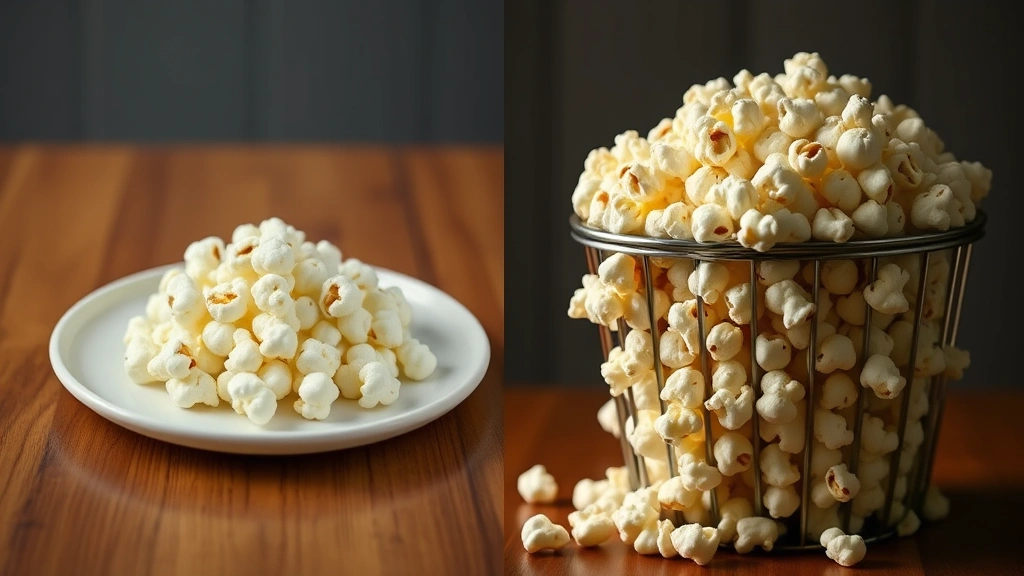
The caloric content of movie theater popcorn varies significantly depending on size and preparation method. A small popcorn typically contains 200-400 calories, a medium ranges from 400-700 calories, and a large can reach 900-1,200 calories or more. These figures represent the popcorn alone, without considering the buttery topping that theaters liberally apply.
According to Pew Research Center studies on consumer behavior, Americans consume billions of servings of popcorn annually, with movie theaters representing the largest consumption venue. The caloric density of movie popcorn stems from multiple factors: the cooking oil used, the quantity of butter flavoring applied, and the salt content that enhances palatability and encourages continued consumption.
A large bucket of movie theater popcorn with butter topping often contains:
- Approximately 1,000-1,200 calories from the popcorn base
- An additional 400-600 calories from butter flavoring and oil
- Up to 1,500 milligrams of sodium
- Minimal protein content (typically 10-15 grams)
- Negligible fiber despite popcorn’s whole-grain foundation
The discrepancy between the caloric content of plain popcorn and theater popcorn reveals how preparation methods dramatically impact nutritional value. Plain air-popped popcorn contains approximately 30-35 calories per cup, while theater popcorn can contain 60-80 calories per cup, representing a 100-150% increase in caloric density.

The Butter and Oil Impact
Theater butter represents perhaps the most significant nutritional wildcard in movie popcorn consumption. The yellow liquid dispensed from pumps at concession stands isn’t actual butter—it’s typically a mixture of vegetable oil, butter flavoring, and various additives designed to create the appearance and taste of butter while maintaining stability in warming equipment.
This butter substitute contains approximately 120 calories per tablespoon, with most theater employees applying 3-5 tablespoons to a large popcorn serving. The cumulative effect means that butter alone can contribute 360-600 calories to a single serving, representing nearly 20-30% of a typical daily caloric intake for many adults.
Beyond calories, the butter flavoring raises additional nutritional concerns. Many theater butter products contain diacetyl, a chemical formerly used to create butter flavoring in microwave popcorn before regulatory scrutiny. Additionally, the trans fats present in some butter substitutes contribute to elevated cholesterol levels and increased cardiovascular disease risk, concerns that American Heart Association dietary guidelines specifically address.
The sodium content deserves particular attention. A large buttered popcorn serving can contain 1,500-2,000 milligrams of sodium, approaching or exceeding the entire daily recommended intake of 2,300 milligrams for adults. This excessive sodium consumption contributes to hypertension, fluid retention, and increased cardiovascular strain—particularly concerning for individuals with existing health conditions.
Understanding Portion Sizes
Theater portion sizes have expanded dramatically over recent decades, reflecting broader trends in American food consumption. What constituted a large popcorn in the 1990s would barely qualify as a medium by contemporary standards. Understanding actual portion sizes helps contextualize the caloric impact of theater snacking.
A small movie theater popcorn typically weighs 3-4 ounces, a medium weighs 5-6 ounces, and a large weighs 8-10 ounces. These weights translate to dramatically different caloric loads, yet pricing structures incentivize consumers to purchase larger sizes. A small popcorn might cost $6-7, while a large costs $8-9, creating a perceived value proposition that encourages overconsumption.
Nutritionists recommend evaluating whether you genuinely want an entire large serving or whether sharing a medium with a companion provides adequate satisfaction. The psychology of portion size significantly influences consumption patterns—research demonstrates that individuals consume more food when presented with larger portions, regardless of actual hunger levels.
Consider these practical portion-size strategies:
- Purchase a small and share with one other person rather than buying individual large servings
- Request light butter or no butter topping, reducing caloric content by 40-50%
- Eat slowly and mindfully rather than consuming the entire serving without awareness
- Stop eating when satisfied rather than finishing the container simply because it’s present
- Combine popcorn with water or unsweetened beverages to increase satiety
Healthier Snacking Alternatives
While movie theater snacking traditions run deep, emerging options provide nutritionally superior alternatives that don’t require sacrificing the cinema experience. Many theaters now offer entertainment and lifestyle content discussing modern cinema culture, including evolving snack selections.
Fresh fruit options like apple slices, grapes, or berries provide natural sweetness, fiber, and essential nutrients with minimal caloric density. A cup of grapes contains approximately 60 calories while delivering vitamins, antioxidants, and hydration. Many theaters increasingly accommodate outside snacks, making fruit a viable alternative to concession stand options.
Nuts and seeds offer satisfying crunch with superior nutritional profiles. A small handful of almonds (approximately 1 ounce) contains 160 calories but provides protein, healthy fats, and micronutrients that promote sustained satiety. Unlike popcorn, nuts contain substantial protein content—essential for maintaining energy levels during extended films.
Some theaters now offer air-popped popcorn without butter, reducing caloric content to 100-150 calories for a large serving. Requesting this option requires asking specifically, as standard service includes the buttery topping. Bringing your own seasoning—nutritional yeast, herbs, or minimal salt—allows flavor customization without the caloric burden of theater butter.
Beverage choices significantly impact overall snacking nutrition. Sugary sodas can contain 140-180 calories per 12-ounce serving, while unsweetened iced tea or water provides hydration without caloric addition. Some theaters offer flavored water or sparkling beverages with minimal calories, providing refreshment without the sugar and sodium overload of traditional soft drinks.
Nutritionist Strategies for Theater Snacking
Registered dietitians offer evidence-based strategies for enjoying movie experiences while maintaining nutritional goals. The key principle involves making conscious choices rather than mindlessly consuming whatever the theater offers.
Eat a balanced meal before attending the movie rather than arriving hungry. When you’re genuinely hungry, concession stand snacks become irresistible, and portion control becomes significantly more difficult. A satisfying pre-movie meal containing protein, complex carbohydrates, and healthy fats establishes satiety that allows for more measured snacking decisions.
Consider popcorn as a complement to your meal rather than the meal itself. If you choose to purchase popcorn, pair it with protein-rich options available at the concession stand—cheese, nuts, or other options—to create nutritional balance. This approach prevents the blood sugar spikes and energy crashes associated with consuming refined carbohydrates alone.
Practice the “half-serving” strategy. Purchase a large popcorn and consume approximately half during the film, reserving the remainder for later or discarding it. This approach satisfies the desire for theater popcorn while reducing total consumption by 50%. The initial satisfaction comes from taste and tradition rather than finishing the entire container.
Implement mindful eating practices during film viewing. Rather than continuous hand-to-mouth consumption, deliberately pause between handfuls, savoring the flavor and texture. This conscious consumption approach often results in decreased total intake while increasing satisfaction with the eating experience.
Track your typical theater snacking patterns to establish baseline understanding of your consumption habits. How often do you attend movies? What do you typically purchase? How much do you actually consume versus discard? This awareness enables targeted modifications that align with your health objectives.
Popcorn vs Other Theater Snacks
Understanding how movie popcorn compares nutritionally to other theater offerings provides context for informed snacking decisions. While popcorn contains substantial calories, alternative concession items often present greater nutritional challenges.
Candy selections typically contain 200-400 calories per serving with minimal nutritional value beyond simple sugars. A large candy package can easily exceed 500 calories while providing no protein, fiber, or micronutrients. The rapid sugar absorption causes energy spikes followed by crashes, potentially affecting film enjoyment and post-movie energy levels.
Hot dogs and nachos represent protein-rich alternatives but often exceed 600-800 calories per serving while containing excessive sodium and saturated fat. These items provide more sustained satiety than candy but contribute to elevated daily caloric intake when combined with beverage selections.
Soft drinks deserve particular scrutiny. A large soda contains 300-400 calories from high-fructose corn syrup, representing a significant caloric burden without any satiety benefit. The sugar content contributes to weight gain, dental health concerns, and metabolic dysfunction. Substituting water or unsweetened beverages can eliminate 300+ calories from your theater visit.
Comparing these options reveals that plain popcorn without butter represents a relatively reasonable choice among theater offerings—approximately 150-200 calories for a small serving provides satisfying crunch and oral sensation without excessive calories. The problem emerges when butter topping and large portion sizes transform this moderate choice into a caloric excess.
For those seeking to balance cinema tradition with health goals, small buttered popcorn represents a compromise option. A small serving with moderate butter provides approximately 300-400 calories—significant but manageable within daily nutrition plans. This approach acknowledges the cultural significance of theater popcorn while exercising portion control.
Theater chains increasingly recognize consumer interest in healthier options. Major media outlets covering food and nutrition trends report growing demand for transparent caloric labeling and alternative snack selections. Requesting these options signals demand to concession managers and encourages broader menu evolution.
FAQ
How many calories are in a large movie theater popcorn with butter?
A large movie theater popcorn with butter typically contains 1,000-1,500 calories total, depending on the theater chain and butter application amount. The popcorn base contains approximately 600-800 calories, with butter and oil contributing an additional 400-700 calories. This represents 50-75% of many adults’ daily caloric requirements in a single snack.
Is movie theater popcorn actually unhealthy?
Movie theater popcorn isn’t inherently unhealthy—popcorn itself is a whole grain with nutritional value. The problems emerge from preparation methods: excessive oil, butter flavoring, and salt dramatically increase caloric density and sodium content. Plain air-popped popcorn remains a reasonable snack choice; theater preparation methods transform it into a caloric excess.
Can I bring my own snacks to the movie theater?
Most major theater chains permit outside snacks, though policies vary by location. Many theaters explicitly allow outside beverages and snacks to accommodate dietary restrictions, allergies, and health-conscious consumers. Calling ahead or checking the theater’s website clarifies specific policies. Bringing your own snacks provides complete control over nutritional content.
What’s the best way to reduce popcorn calories?
Request no butter or light butter topping, reducing caloric content by 40-60%. Purchase a small size and share with others, or consume half and discard the remainder. Alternatively, bring your own air-popped popcorn with minimal seasoning. These strategies maintain the popcorn tradition while significantly reducing caloric impact.
How does movie popcorn compare to home-popped popcorn?
Home-popped popcorn contains 25-35 calories per cup when air-popped without oil or butter. Theater popcorn contains 60-80 calories per cup, representing a 100-150% increase in caloric density. A large home-popped serving might contain 200-300 calories total, compared to 1,000+ calories for theater equivalents.
Why does theater popcorn taste so different from homemade?
Theater popcorn uses commercial-grade equipment, different popcorn varieties, specific oil types, and proprietary butter flavoring that home equipment cannot replicate. The combination of these factors—along with salt, diacetyl compounds, and other additives—creates the distinctive theater popcorn flavor. Replicating this taste at home requires purchasing similar ingredients and equipment.
Is the butter flavoring in movie popcorn real butter?
No. Theater butter is typically a mixture of vegetable oil, butter flavoring compounds, and various additives. Real butter would spoil under heat lamps and wouldn’t maintain the consistency required for automated dispensing systems. The butter flavoring creates the taste and aroma of butter without using actual butter.
How can I enjoy popcorn without exceeding calorie goals?
Eat a satisfying meal before attending the movie, establishing baseline satiety. Purchase a small popcorn or share a medium with others. Request minimal or no butter. Practice mindful eating by pausing between handfuls and truly savoring the experience. Combine popcorn with water or unsweetened beverages. These strategies allow enjoyment while maintaining nutritional goals.
What movie snacks contain fewer calories than popcorn?
Fresh fruit like apples, grapes, or berries contain 50-100 calories per serving. Nuts provide 150-200 calories per ounce with superior nutritional profiles. Many theaters now offer trail mix, pretzels, or other options with caloric content comparable to or lower than popcorn when butter is excluded.
Does popcorn have nutritional value despite the calories?
Plain popcorn is a whole grain containing fiber and various micronutrients. However, theater preparation methods—oil, butter, and salt—diminish these nutritional benefits while dramatically increasing caloric content. The nutritional value of popcorn depends entirely on preparation method and portion size.