Chained Movie Review: A Critical Analysis of Jennifer Kent’s Disturbing Psychological Thriller
Jennifer Kent’s Chained stands as one of contemporary cinema’s most uncompromising explorations of trauma, captivity, and the psychological aftermath of abuse. Released in 2012, this independent horror-thriller has sparked considerable debate among critics, filmmakers, and audiences regarding its artistic merit, ethical boundaries, and the line between exploitation and meaningful commentary. The film presents a harrowing portrait of a young boy held captive by a serial killer, forcing viewers to confront uncomfortable truths about violence in cinema and its psychological impact.
Rather than relying on conventional jump scares or gore for entertainment, Kent constructs a methodical, character-driven narrative that examines the complex relationship between captor and captive. This approach has divided the critical community, with some praising its unflinching commitment to emotional authenticity while others question whether such graphic depictions of child abuse serve any legitimate artistic purpose. Understanding Chained requires examining both its technical achievements and its controversial subject matter through a lens of serious film criticism.

Plot Summary and Narrative Structure
Chained follows Tim, a nine-year-old boy whose mother is murdered by a serial killer named Bob. Rather than killing the child immediately, Bob chains Tim in his basement, subjecting him to years of psychological and physical torture. The narrative unfolds across multiple time periods, revealing both Tim’s present circumstances and fragmented memories of his former life. Kent deliberately avoids traditional thriller pacing, instead favoring a slow-burn approach that prioritizes psychological depth over plot momentum.
The film’s structure mirrors the fractured consciousness of its protagonist, utilizing non-linear storytelling to reflect how trauma disrupts normal temporal perception. This narrative choice, while artistically ambitious, demands significant patience from viewers. Kent refuses to provide the cathartic release typical of revenge narratives or conventional escape stories. Instead, she maintains focus on the psychological deterioration and adaptation of a child forced into an impossible situation. For those interested in understanding diverse approaches to film criticism and review methodologies, Chained presents a particularly challenging case study.
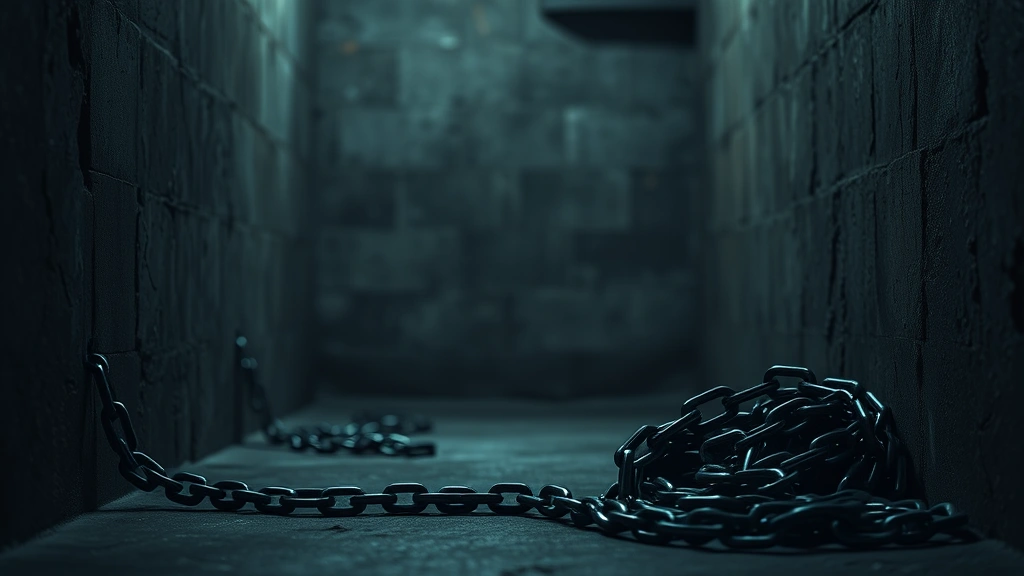
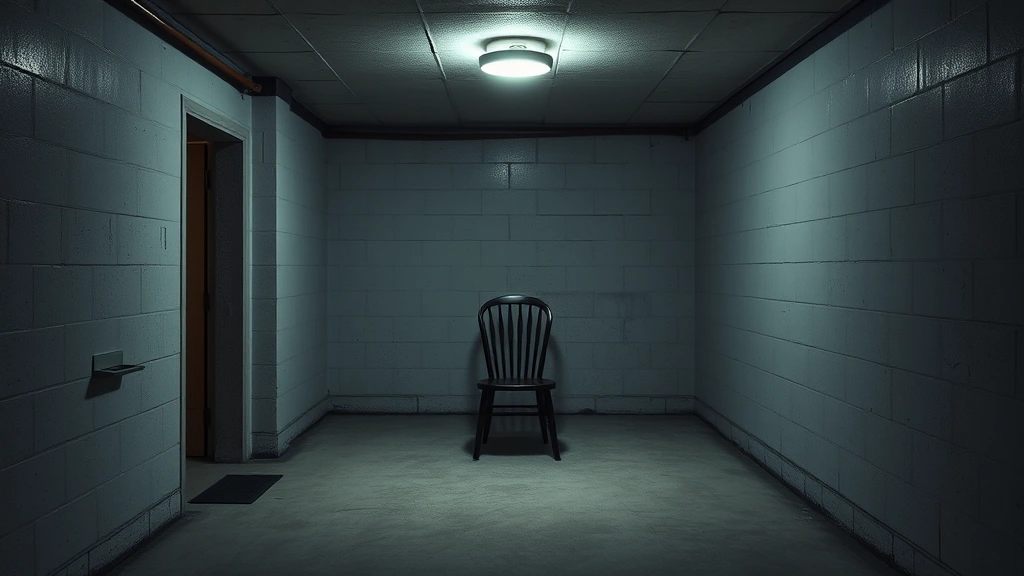
The captivity setting itself becomes a character, with the basement transformed into a prison that gradually reveals its geography and inhabitants. Bob maintains an unsettling domesticity within this space, attempting to establish routines and rules that Tim must navigate. This normalization of horror—the juxtaposition of everyday domestic rituals against the backdrop of captive abuse—creates a uniquely disturbing atmosphere that lingers far longer than conventional jump-scare horror.
Jennifer Kent’s Directorial Vision
Jennifer Kent’s debut feature demonstrates remarkable control and intentionality despite its controversial subject matter. Her background in short filmmaking prepared her for the intimate scale and psychological focus required by Chained. Kent approaches the material with the sensibility of a documentarian documenting trauma rather than an exploitation filmmaker capitalizing on violence. Every frame, every sound design choice, every editing decision appears carefully considered to maximize psychological impact rather than visceral shock.
Kent’s directorial approach emphasizes restraint and implication over graphic display. When violence occurs, she often cuts away or obscures the action, forcing viewers to construct the horror in their minds. This technique proves far more effective at generating lasting psychological discomfort than explicit depiction would achieve. Her use of negative space within the frame—empty corridors, blank walls, confined spaces—reinforces the suffocating atmosphere of captivity. The camera rarely moves dramatically; instead, it observes with clinical detachment, positioning viewers as uncomfortable witnesses rather than voyeurs seeking entertainment.
The director’s commitment to authenticity extends to her casting decisions and performance direction. She extracts nuanced, deeply vulnerable performances from her actors, particularly from young lead Evan Bird. Kent’s background studying trauma and psychology clearly informed her approach, as the film demonstrates sophisticated understanding of how prolonged captivity and abuse reshape personality and psychological development. This intellectual foundation distinguishes Chained from typical exploitation horror, grounding it in legitimate psychological inquiry. Those seeking additional context on contemporary horror filmmaking may find value in exploring ongoing discussions about horror cinema trends.
Performances and Character Development
Evan Bird’s portrayal of Tim represents one of cinema’s most demanding child performances. The young actor navigates emotional extremes—terror, resignation, adaptation, subtle rebellion—with remarkable maturity and authenticity. Bird conveys the psychological complexity of a child learning to survive through compliance and psychological manipulation, gradually developing coping mechanisms that blur the line between adaptation and Stockholm syndrome. His performance avoids melodrama, instead favoring quiet moments of internal struggle that reveal the psychological toll of captivity.
Bill Buell’s portrayal of Bob presents a particularly complex characterization. Rather than depicting the killer as a one-dimensional monster, Kent directs Buell to reveal Bob’s humanity alongside his monstrosity. This creates an unsettling dynamic where viewers glimpse the killer’s own psychological damage and delusional worldview. Bob genuinely believes he’s providing care and guidance to Tim, creating a twisted father-son dynamic that explores how abusers rationalize their behavior. This psychological complexity makes the abuse more disturbing, not less, as it illustrates the insidious ways trauma perpetuates itself across relationships.
The film’s exploration of how Tim’s personality adapts to captivity demonstrates sophisticated understanding of child psychology. Over time, Tim develops strategies for managing his captor’s moods, learning to anticipate Bob’s needs and desires to minimize violence. This adaptation, while serving as a survival mechanism, also represents a form of psychological damage. The film never presents this as redemptive or positive; instead, it documents the tragic cost of survival under such extreme circumstances. The performances collectively create a claustrophobic emotional environment that mirrors the physical confinement of the narrative.
Technical Cinematography and Sound Design
Cinematographer Uta Briesewitz creates a visual language perfectly suited to the film’s psychological focus. The color palette emphasizes muted tones—grays, browns, sickly greens—that evoke sickness and decay. Lighting remains deliberately flat and naturalistic, avoiding dramatic chiaroscuro that might introduce aesthetic appeal to the nightmare scenario. The framing frequently emphasizes Tim’s small stature within the larger environment, using negative space and compositional choices to reinforce his vulnerability and isolation.
The sound design proves equally crucial to the film’s psychological impact. Rather than relying on orchestral scores or manufactured tension, Kent employs ambient sound and silence as primary tools. The sound of chains, breathing, footsteps, and environmental noise creates an oppressive sonic environment. Long stretches of near-silence amplify the viewer’s awareness of minor sounds, replicating the heightened sensory awareness that captives develop. This minimalist approach to sound design proves far more effective than conventional thriller scoring would achieve, creating genuine unease rather than manufactured suspense.
The film’s editing patterns reinforce the fragmented nature of trauma. Cuts between past and present remain deliberately jarring, refusing smooth transitions that might provide narrative comfort. This editing strategy mirrors how trauma disrupts normal memory formation and temporal perception. The pacing remains deliberately slow, with extended takes that force viewers to remain present with uncomfortable moments rather than providing the relief of quick cuts. Every technical choice serves the film’s commitment to psychological authenticity over entertainment value.
Critical Reception and Controversy
Since its premiere at the Sundance Film Festival, Chained has generated intense critical debate. Some critics, particularly those writing for prestige publications, have praised the film’s artistic integrity and psychological depth. They argue that Kent’s unflinching approach to depicting trauma serves legitimate artistic and educational purposes, offering insights into the psychological reality of captive abuse. These defenders emphasize that the film’s difficulty stems from its honesty rather than exploitative intent.
Conversely, critics and advocacy groups have questioned whether depicting child abuse in such graphic detail serves any legitimate purpose. They argue that regardless of artistic intent, the film’s content potentially traumatizes viewers and risks normalizing the depiction of child abuse in cinema. This perspective emphasizes ethical boundaries in filmmaking, suggesting that certain subject matter—particularly involving children—warrants restraint regardless of artistic ambition. The debate surrounding Chained reflects broader questions about the responsibilities of filmmakers when depicting vulnerable populations.
Major film festivals and institutions have remained divided on the film’s merit. While some programming committees have championed Chained as an important artistic statement, others have rejected it as exploitative. This institutional divide reflects the genuine tension between artistic freedom and ethical responsibility. The controversy has actually enhanced the film’s cultural impact, making it essential viewing for serious film students and critics engaged with contemporary cinema’s boundaries and possibilities. For additional perspective on how critical analysis shapes our understanding of cinema, the Chained case study provides invaluable material.
Thematic Analysis: Trauma and Survival
Chained explores trauma not as a discrete event but as an ongoing psychological condition that reshapes identity and behavior. The film documents how prolonged captive abuse fundamentally alters a person’s relationship to autonomy, trust, and self-conception. Tim’s psychological adaptation to captivity—his learned compliance, his internalization of Bob’s worldview, his development of Stockholm syndrome—illustrates how trauma operates not merely through physical violence but through psychological manipulation and control.
The film examines the question of whether survival under such circumstances constitutes victory or merely extended suffering. Tim’s physical survival comes at enormous psychological cost. The film refuses to provide redemptive narrative arcs or suggest that trauma can be easily overcome through willpower or therapeutic intervention. Instead, it presents survival as a complex, ambiguous outcome that leaves permanent psychological damage. This thematic honesty distinguishes Chained from conventional narratives that often provide false comfort through neat resolution.
Additionally, the film explores how captivity erodes the boundary between captor and captive, particularly in cases involving children. Tim’s developing consciousness becomes shaped by Bob’s presence and influence. The killer becomes the primary figure in the child’s psychological world, regardless of the abuse. This dynamic illustrates how trauma bonds can form even—or especially—in abusive relationships. The film presents these psychological complexities without judgment, documenting how human psychology adapts to extreme circumstances in ways that defy moral simplification.
Comparative Context in Horror Cinema
Chained occupies a particular niche within contemporary horror cinema, distinct from mainstream horror’s emphasis on entertainment and distinct from torture-porn films that prioritize graphic violence. The film exists in conversation with other serious explorations of captivity and abuse, including works like Room, Captive, and The Bunker. However, Kent’s unflinching commitment to depicting childhood trauma distinguishes her work from these comparative texts.
The film also engages with a tradition of psychological horror cinema that prioritizes internal states over external threats. Directors like Michael Haneke, Lars von Trier, and Gaspar Noé have similarly created films that challenge viewers through psychological discomfort rather than conventional scares. Chained belongs to this tradition of cinema that treats viewers as intellectually and emotionally sophisticated enough to engage with difficult material. This positioning as serious art cinema rather than entertainment horror explains both the film’s critical defenders and its detractors.
Within the broader landscape of contemporary film discourse, Chained demonstrates how horror cinema can engage with serious psychological and social issues. The film proves that horror need not default to either entertainment or exploitation; it can function as legitimate artistic medium for exploring trauma’s psychological reality. This positioning has influenced subsequent independent horror filmmakers to pursue similarly ambitious psychological investigations.
Ethical Considerations in Filmmaking
The most significant question surrounding Chained concerns the ethics of depicting child abuse in cinema, regardless of artistic intent. This debate reflects broader questions about filmmaker responsibility, audience protection, and the line between artistic expression and exploitation. Several ethical frameworks emerge from this discussion.
One perspective argues that filmmakers possess absolute artistic freedom to explore any subject matter, and that imposing restrictions on artistic expression ultimately harms cinema as a medium. From this viewpoint, Chained represents legitimate artistic inquiry into trauma’s psychological reality. Restricting such depictions would prevent cinema from engaging with authentic human experience. This absolutist position emphasizes that artistic merit should determine acceptability rather than subject matter alone.
Conversely, other ethical frameworks suggest that certain depictions—particularly those involving children—warrant restraint regardless of artistic ambition. This perspective argues that filmmakers bear responsibility for how their work affects audiences and society. Depicting child abuse in graphic detail potentially traumatizes viewers, normalizes such depictions in cinema, and risks being used as grooming material by predators. From this viewpoint, artistic ambition does not justify content that causes demonstrable harm.
A third perspective suggests that ethical filmmaking requires transparency and intentionality. Filmmakers should clearly articulate their purposes in depicting sensitive material and should employ techniques that respect audience autonomy in deciding whether to engage with such content. From this viewpoint, Kent’s approach—restraint in depiction combined with clear artistic intention—represents responsible filmmaking even when addressing deeply disturbing subject matter. This middle position acknowledges both artistic freedom and filmmaker responsibility.
The debate surrounding Chained ultimately reflects cinema’s ongoing struggle to balance artistic expression with ethical responsibility. The film’s existence challenges viewers and critics to articulate their own ethical frameworks regarding representation, violence, and the purposes of cinema. This conversation, while uncomfortable, proves essential for film culture’s continued development.
For those interested in exploring how critical perspectives shape film evaluation, contemporary film discourse increasingly emphasizes contextual analysis alongside aesthetic evaluation. Chained exemplifies how modern film criticism must engage with both artistic merit and ethical implications.
FAQ
Is Chained based on a true story?
Chained draws inspiration from real cases of captive abuse, though it remains a fictional work rather than direct adaptation. Jennifer Kent conducted extensive research into the psychological dynamics of captivity and abuse, incorporating authentic elements into her narrative while creating an original fictional scenario.
What rating does Chained receive?
The film received an R rating for violence, language, and disturbing thematic content involving a child. However, the MPAA rating system does not fully capture the film’s psychological intensity, which exceeds what the rating typically indicates.
Where can viewers watch Chained?
Chained has limited theatrical distribution but remains available through various streaming platforms and physical media. Viewers should be aware of the film’s content warnings and prepare themselves for its psychological intensity before engaging with the material.
How does Chained compare to other kidnapping films?
Chained differs significantly from mainstream kidnapping thrillers through its psychological focus, slow pacing, and refusal to provide conventional narrative resolution. Films like Room or Captive explore similar themes but with different narrative approaches and tonal sensibilities.
What awards did Chained receive?
While Chained received critical recognition at various film festivals, it did not achieve major awards recognition. Its limited theatrical distribution and controversial content likely contributed to its exclusion from major award consideration.
Is Chained appropriate for all audiences?
Absolutely not. Chained contains graphic depictions of child abuse and remains unsuitable for general audiences. Viewers should carefully consider their psychological resilience before engaging with this material and should avoid watching alone or in vulnerable emotional states.