Amarillo’s Film Scene: Local Expert Insights
Amarillo, Texas has quietly cultivated a vibrant film culture that extends far beyond the typical multiplex experience. This West Texas city, nestled in the heart of the Panhandle, has become an unexpected hub for independent filmmakers, dedicated cinephiles, and emerging talent who are reshaping how communities engage with cinema. From grassroots film festivals to local production initiatives, Amarillo’s movie landscape tells a compelling story about regional arts development and the power of passionate advocates to build cultural infrastructure.
The evolution of movies in Amarillo reflects broader national trends in how audiences consume content, discover new voices, and support local creators. What makes this Texas city particularly fascinating is how traditional theatrical exhibition coexists with digital platforms, streaming services, and intimate community screenings. Local experts—including filmmakers, theater operators, critics, and festival organizers—offer invaluable perspectives on what’s driving growth in regional film ecosystems and why Amarillo matters in the contemporary media landscape.
Amarillo’s Film Foundation and History
Understanding Amarillo’s current film scene requires examining its historical relationship with cinema. For decades, Amarillo operated within the standard American exhibition model—major studio releases screened in commercial multiplexes, with limited programming diversity. However, the city’s cultural institutions gradually began recognizing cinema’s artistic and educational potential beyond entertainment commodification.
Local universities, particularly West Texas A&M University, began incorporating film studies into their curricula during the 1980s and 1990s. This academic foundation created a cohort of educated viewers who understood cinema as an art form worthy of serious analysis. The Amarillo College media program similarly contributed to developing local expertise and fostering critical appreciation for diverse filmmaking approaches.
What distinguishes Amarillo’s development is how institutional support translated into community infrastructure. Rather than remaining confined to academic settings, film appreciation expanded into public spaces. Local libraries began hosting film screenings. Community centers recognized cinema’s potential for cultural dialogue. Museums incorporated film into exhibitions exploring regional identity and history.
The Panhandle’s landscape itself became cinematically significant. Amarillo’s distinctive geography—vast plains, dramatic sunsets, authentic Western architecture—attracted independent filmmakers seeking authentic locations without the expense of traveling to established production hubs. This geographic advantage inadvertently positioned Amarillo as an emerging destination for regional production, creating economic and cultural ripple effects throughout the community.

Independent Filmmaking Movement
The democratization of filmmaking technology fundamentally transformed Amarillo’s creative landscape. Digital cameras, affordable editing software, and accessible distribution platforms eliminated traditional gatekeepers who previously controlled who could make and exhibit films. Local creators seized these opportunities, launching independent productions that reflected West Texas perspectives often absent from mainstream cinema.
Amarillo-based independent filmmakers have produced documentaries examining Panhandle history, regional music heritage, and contemporary social issues. These projects demonstrate how local storytellers can leverage cinema to document community narratives with authenticity and nuance. Several productions have premiered at regional film festivals and achieved limited theatrical distribution, validating the commercial and artistic viability of locally-rooted content.
The independent sector also attracted filmmakers from outside the region who recognized Amarillo’s potential as a production location. Lower costs compared to traditional hubs, cooperative local communities, and available locations created favorable conditions for independent productions. This influx of external creative talent cross-pollinated the local scene, introducing new techniques, networks, and professional standards.
Networking among independent creators became increasingly formalized through production meetups, collaborative projects, and mentorship relationships. Experienced filmmakers began actively supporting emerging talent, sharing technical knowledge, and facilitating connections to distribution opportunities. This ecosystem development transformed Amarillo from a passive consumption market into an active production center.
Exploring how to become a film critic reveals how Amarillo’s independent scene also generated local criticism and analysis. Emerging critics documented the work of regional filmmakers, providing essential feedback and promotional support that helped productions reach wider audiences.
Festival Landscape and Community Events
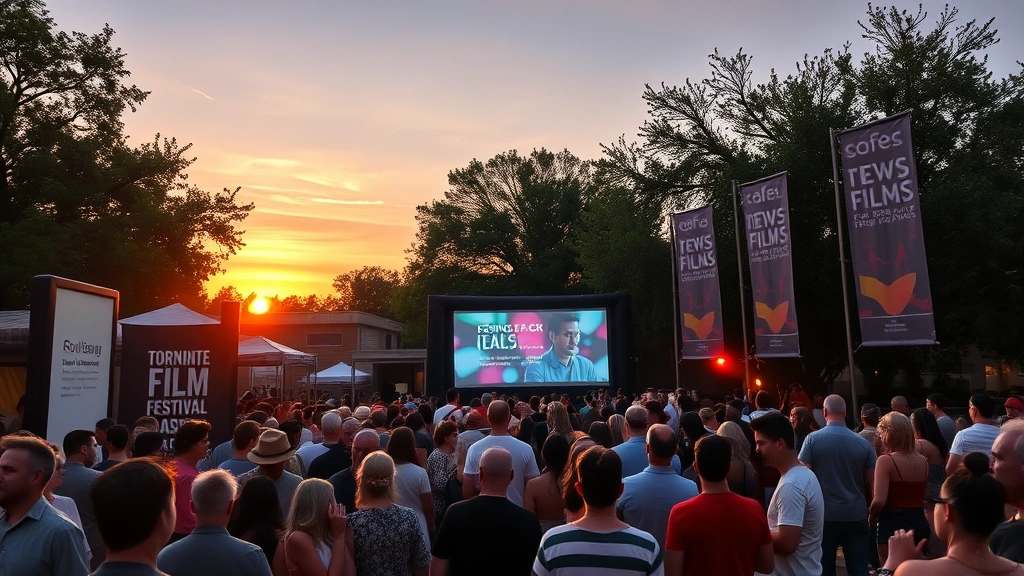
Film festivals function as crucial infrastructure for independent cinema ecosystems. Amarillo recognized this principle and invested in developing festival programming that celebrates regional work while attracting national attention. The city’s festival calendar expanded significantly over the past two decades, creating multiple opportunities for filmmakers to premiere work and for audiences to discover cinema beyond mainstream releases.
The Amarillo Film Festival emerged as the city’s flagship event, programming documentary, narrative, and experimental films from regional and national creators. The festival structure prioritizes emerging filmmakers, offering competitive opportunities alongside established professionals. This inclusive programming philosophy reflects Amarillo’s commitment to nurturing local talent while maintaining artistic credibility through rigorous selection standards.
Beyond the primary festival, Amarillo hosts specialized programming events focused on specific genres, themes, or demographic interests. Horror film nights, Western cinema retrospectives, international film celebrations, and documentary showcases create diverse entry points for different audience segments. This programming diversity ensures that Amarillo’s film culture accommodates varied tastes and interests.
Community partnerships amplified festival reach and impact. Local businesses provided sponsorship and promotional support. Educational institutions integrated festival programming into academic curricula. Arts organizations collaborated on cross-promotional initiatives. These partnerships transformed festivals from isolated annual events into integrated community experiences that permeated cultural consciousness throughout the year.
Virtual and hybrid festival formats, accelerated by pandemic-related adaptations, expanded Amarillo’s festival reach beyond geographic limitations. Filmmakers from across North America and internationally can now participate in Amarillo festivals without traveling to the city, while local audiences access festival programming remotely. This digital expansion democratized participation while maintaining the community-centered ethos that defines Amarillo’s festival approach.
Theatrical Exhibition Evolution
The theatrical exhibition sector in Amarillo has undergone substantial transformation as digital projection technology, changing audience demographics, and streaming competition reshaped cinema economics. Local theater operators confronted critical decisions about how to remain viable in an evolving marketplace while maintaining cinema’s cultural significance.
Traditional multiplex operators recognized that competing solely on blockbuster releases proved unsustainable. Several theaters diversified programming by incorporating independent films, classic cinema retrospectives, live performances, and alternative content. This programming expansion transformed theaters from mere exhibition venues into cultural community centers offering experiences unavailable through streaming platforms.
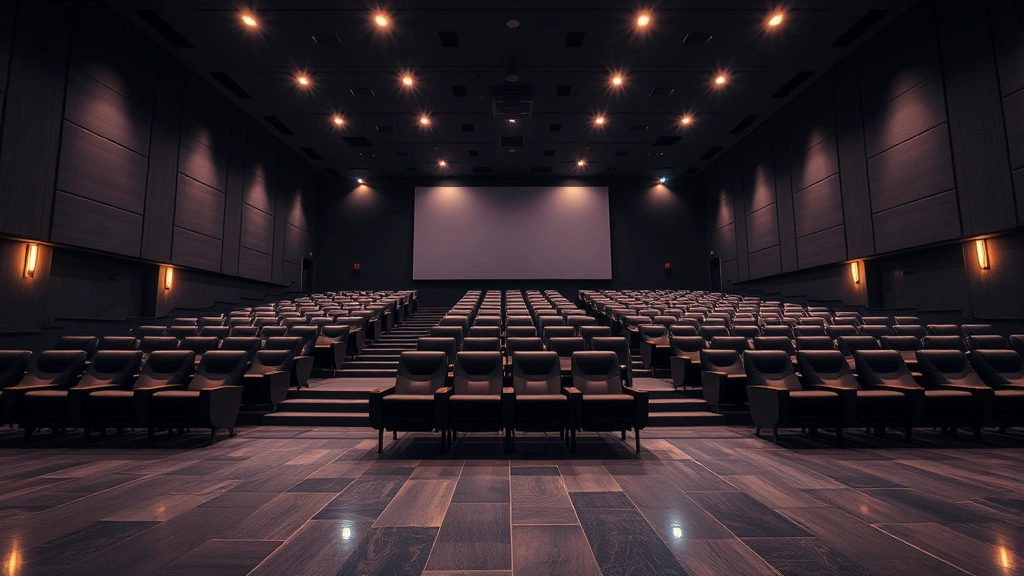
The Amarillo movie theater landscape now encompasses both commercial multiplexes and specialized venues. Smaller, independent theaters embraced curated programming philosophies that emphasize artistic merit and audience engagement over pure commercial calculus. These venues often feature superior sound and projection quality, comfortable seating, and intimate atmospheres that distinguish theatrical experiences from home viewing.
Pricing strategies evolved to reflect changing market conditions. Dynamic pricing, loyalty programs, and package deals attracted diverse audience segments. Early matinee showings appealed to families and seniors. Late-night programming targeted younger audiences. Weekday discounts captured price-sensitive viewers. These strategic pricing approaches acknowledged that theatrical viability required serving multiple market segments rather than pursuing single demographic strategies.
Theater operators increasingly invested in ancillary revenue streams—premium concessions, private event rentals, educational programming partnerships. These initiatives reduced dependence on ticket sales while deepening community connections. Theaters became venues for film education, professional networking, and cultural celebration beyond traditional moviegoing.
The relationship between theatrical exhibition and streaming services became increasingly complementary rather than exclusively competitive. Theaters programmed content from streaming platforms’ theatrical releases, recognizing that prestige productions with theatrical windows could attract audiences. Some platforms negotiated exclusive theatrical windows for select releases, creating deliberate scarcity that drove theatrical attendance.
Streaming Services and Digital Distribution
Streaming platforms fundamentally altered how Amarillo audiences access and consume cinema. Services including Netflix, Amazon Prime Video, Hulu, and specialized platforms like Criterion Channel and MUBI democratized access to vast film libraries previously available only through physical media or theatrical exhibition. This accessibility shift transformed casual viewers into engaged cinephiles capable of exploring cinema history and international cinema from home.
The availability of best movies on Netflix and competing platforms created educational opportunities for audiences interested in understanding cinema’s evolution and diversity. Curated collections, algorithmic recommendations, and editorial features guided viewers toward films they might never encounter through traditional theatrical distribution.
Streaming’s impact extended to production. Platforms began financing original films and documentaries, creating alternative funding pathways for creators who struggled securing traditional investment. Amarillo-based filmmakers gained access to production financing and distribution infrastructure previously available only through established studios or well-capitalized independent producers.
However, streaming’s dominance raised concerns about theatrical cinema’s future. As audiences shifted to home viewing, theatrical attendance declined, particularly for smaller independent films. This market shift threatened the viability of specialized theaters and reduced theatrical exhibition opportunities for regional filmmakers. Local industry advocates emphasized that streaming and theatrical exhibition served different cultural functions and that both required support.
The conversation around streaming’s impact on cinema quality, filmmaker compensation, and cultural diversity became increasingly sophisticated in Amarillo as elsewhere. Industry professionals debated whether streaming platforms’ production models encouraged artistic risk-taking or merely replicated commercial formulas at higher budgets. These debates reflected broader national conversations about streaming’s role in cinema’s evolution.
Amarillo audiences increasingly adopted hybrid consumption patterns—watching prestige films theatrically while exploring catalog titles at home through streaming. This behavioral shift required local industry stakeholders to position theatrical exhibition as offering distinct value propositions rather than competing directly with streaming convenience.
Building a Local Talent Pipeline
Sustainable film ecosystems require developing local talent across multiple roles—directors, cinematographers, editors, producers, and technical specialists. Amarillo invested in educational and mentorship infrastructure designed to cultivate emerging filmmakers and media professionals.
Film education programs expanded significantly, with community colleges, universities, and independent workshops offering technical training and artistic development opportunities. These programs provided accessible entry points for individuals interested in filmmaking careers without requiring relocation to traditional industry hubs. Hands-on instruction in cinematography, editing, sound design, and production management equipped students with marketable professional skills.
Mentorship relationships between established filmmakers and emerging talent created informal knowledge-transfer systems complementing formal education. Experienced directors, cinematographers, and producers actively involved emerging creators in their projects, providing practical training impossible to replicate in classroom settings. These apprenticeship relationships built professional networks while transmitting craft knowledge and industry standards.
Amarillo’s relatively small creative community fostered collaborative rather than competitive dynamics. Filmmakers regularly partnered across projects, shared equipment and locations, and cross-promoted each other’s work. This collaborative ethos reduced production costs while accelerating skill development through shared problem-solving and mutual feedback.
Career pathway development became increasingly intentional. Industry leaders identified skill gaps in the local workforce and advocated for educational programming addressing those needs. Technical specialists trained in specialized roles—color grading, sound mixing, visual effects—elevated production quality while creating employment opportunities for locally-trained professionals.
The relationship between ScreenVibe Daily Blog and local filmmaking communities demonstrates how media coverage and industry analysis can validate emerging talent while educating audiences about regional production. Critical attention from respected sources legitimized local work and expanded its reach beyond immediate community circles.
Industry Challenges and Opportunities
Despite Amarillo’s film scene growth, substantial challenges persist. Economic constraints limit production budgets compared to established hubs. Talent recruitment remains difficult—emerging professionals often relocate to larger industry centers after developing skills locally. Distribution barriers continue limiting theatrical exhibition opportunities for regional films.
Funding represents the most persistent obstacle. While grant programs and crowdfunding offer alternatives to traditional financing, securing sufficient capital for quality productions remains difficult. Local investors often lack confidence in film projects’ financial viability. State incentive programs, while helpful, remain modest compared to competing regions.
The relationship between Movies HD platforms and traditional theatrical distribution creates strategic tensions. Filmmakers must navigate decisions about theatrical versus direct-to-streaming releases, considering both artistic aspirations and commercial realities. This landscape complexity requires sophisticated industry knowledge that local creators continue developing.
Despite challenges, substantial opportunities exist. Amarillo’s lower cost structure provides competitive advantages for independent producers. Regional authenticity increasingly appeals to audiences seeking cinema reflecting diverse American experiences. Remote production capabilities enable distributed teams to collaborate across geographic distances. Educational demand for best movie review sites and analysis creates opportunities for local critics to establish professional reputations.
Tourism potential remains underdeveloped. Amarillo could leverage its film-friendly characteristics to attract productions through dedicated incentive programs and infrastructure development. Film tourism—attracting visitors interested in visiting filming locations and engaging with local film culture—offers economic diversification opportunities for the community.
Technology continues democratizing production and distribution. Emerging creators require less capital and infrastructure than predecessors, enabling more voices to participate in filmmaking. Digital distribution platforms create opportunities for direct audience engagement, reducing dependence on traditional theatrical gatekeepers.
Amarillo’s film scene reflects broader national trends toward decentralized production and diverse storytelling. As audiences increasingly demand cinema reflecting varied perspectives and experiences, regional production centers offering authentic local narratives gain strategic importance. Amarillo’s continued investment in film culture positions the city favorably within this evolving landscape.
The top famous movie quotes often emphasize cinema’s power to illuminate human experience and connect audiences across differences. Amarillo’s filmmakers increasingly embrace this mission, creating work that reflects Panhandle perspectives while addressing universal themes.
FAQ
What major film festivals does Amarillo host?
Amarillo hosts the Amarillo Film Festival as its primary event, alongside specialized programming including documentary festivals, genre-specific celebrations, and international cinema showcases. These festivals create opportunities for regional filmmakers while attracting national industry attention.
How has streaming affected Amarillo’s theatrical exhibition?
Streaming has reduced theatrical attendance for certain content types while encouraging theaters to diversify programming and enhance the theatrical experience. Many Amarillo venues now emphasize curated selections, special events, and alternative content to differentiate from streaming platforms.
What educational opportunities exist for aspiring filmmakers in Amarillo?
West Texas A&M University, Amarillo College, and independent workshops offer film education programs covering technical skills and artistic development. Mentorship relationships with established filmmakers provide practical training complementing formal education.
How can independent filmmakers distribute their work in Amarillo?
Distribution options include theatrical exhibition through local and regional venues, streaming platform releases, festival submissions, and direct-to-audience marketing through social media and independent platforms. Many filmmakers pursue hybrid strategies combining multiple distribution channels.
What advantages does Amarillo offer for film production?
Amarillo provides lower production costs, distinctive locations reflecting authentic West Texas environments, cooperative communities, and increasingly sophisticated technical infrastructure. These advantages attract independent productions and regional filmmakers seeking to establish production operations.
How does Amarillo’s film scene compare to other regional hubs?
Amarillo’s relatively young but rapidly developing scene reflects commitment to supporting independent filmmaking and audience education. While smaller than established hubs, Amarillo’s collaborative ethos and lower costs create distinctive advantages for emerging creators.


