Movies in 2023: Industry Experts Weigh In
The film industry in 2023 reached a critical inflection point, marked by unprecedented challenges and remarkable creative resilience. As streaming platforms continued their aggressive expansion and theatrical releases faced ongoing uncertainty, industry professionals navigated a landscape fundamentally transformed by technological disruption, changing consumer preferences, and evolving content distribution models. This year proved particularly significant for what it revealed about the future direction of cinema itself.
Expert analysis from leading film critics, studio executives, and media analysts painted a nuanced picture of an industry in transition. Rather than a simple narrative of decline or recovery, 2023 demonstrated that cinema’s future would depend on how stakeholders adapted to hybrid viewing ecosystems, audience fragmentation, and the persistent challenge of theatrical relevance in an age of at-home entertainment options.
The Streaming Wars and Theatrical Survival
By 2023, the streaming wars had evolved beyond simple market competition into a battle for sustainable business models. Netflix, Disney+, Amazon Prime Video, and newer competitors like Max and Paramount+ faced mounting pressure to achieve profitability while simultaneously competing for theatrical releases. Industry analysts noted that the traditional windowing model—where films had exclusive theatrical runs before streaming release—was becoming increasingly flexible and negotiable.
Major studios recognized that simultaneous or accelerated release strategies could serve different audience segments without cannibalizing theatrical revenue. According to research from Pew Research Center, approximately 68% of American adults maintained active streaming subscriptions by 2023, fundamentally altering exhibition expectations. This statistic underscored why theatrical releases increasingly required either spectacle-driven narratives, franchise recognition, or prestige credentials to justify cinema attendance.
The Screen Vibe Daily Blog documented how independent theaters adapted to this reality by programming niche content, hosting special events, and creating community experiences that streaming could not replicate. Exhibitors who thrived focused on experiential differentiation rather than competing directly with home viewing convenience.
Box Office Recovery and Market Segmentation
2023 marked a significant rebound for theatrical box office performance, though recovery remained uneven across different film categories. Blockbuster tentpoles demonstrated remarkable resilience, with franchise films, superhero narratives, and high-concept action movies consistently outperforming expectations. However, mid-budget dramas and conventional comedies continued their migration toward streaming platforms or direct-to-audience digital releases.
Industry experts identified clear market segmentation patterns: audiences returned to theaters for experiences they valued specifically as theatrical events. Visual spectacle, immersive sound design, and franchise narratives commanded premium pricing and justified theatrical attendance. Conversely, character-driven narratives, intimate dramas, and experimental cinema found enthusiastic audiences through streaming platforms or film festival circuits.
Data from leading entertainment analytics firms revealed that opening weekend performance became increasingly concentrated among blockbuster releases. The top 10% of theatrical releases generated approximately 45% of total box office revenue, representing significant industry consolidation. This concentration reflected how studios allocated marketing budgets, theatrical availability, and release timing strategically.
The implications for best movie review sites and critical discourse shifted accordingly, as critics increasingly needed to evaluate films within their intended distribution contexts rather than applying universal theatrical standards.
Content Quality and Prestige Productions
Despite widespread industry anxiety, 2023 demonstrated that high-quality storytelling and production values remained central to audience engagement across all platforms. Major streaming services invested billions in prestige productions, attracting acclaimed directors, award-winning screenwriters, and established actors seeking creative freedom and global audience reach.
A notable trend emerged where streaming platforms pursued theatrical releases for select prestige productions, recognizing that awards recognition and critical acclaim could drive subscription growth. This strategy proved particularly effective for biographical dramas, historical epics, and visually ambitious narratives that benefited from theatrical exhibition and critical attention.
Leading critics and industry observers emphasized that the quality divide between streaming and theatrical content had largely disappeared. What remained were differences in production budgets, marketing strategies, and distribution approaches rather than inherent creative quality limitations. The Hollywood Reporter documented how streaming services increasingly competed for the same creative talent, award recognition, and audience prestige as traditional studios.
Professionals pursuing careers in this evolving landscape benefited from understanding these dynamics. Resources on how to become a film critic emphasized the importance of evaluating content across multiple platforms and distribution models, recognizing that critical expertise now required broader media literacy than traditional theatrical criticism alone.
Emerging Technologies and Audience Experience
Technological innovation continued reshaping how audiences experienced cinema in 2023. Premium format theaters utilizing IMAX, Dolby Cinema, and immersive sound systems demonstrated significant attendance advantages, justifying premium ticket pricing and encouraging theatrical attendance for compatible content.
Virtual production techniques, advanced visual effects, and AI-assisted post-production tools transformed filmmaking economics and creative possibilities. Studios reported that emerging technologies could reduce production timelines and budgets while enabling more ambitious visual narratives. However, industry experts cautioned that technological capability did not automatically translate to compelling storytelling or audience satisfaction.
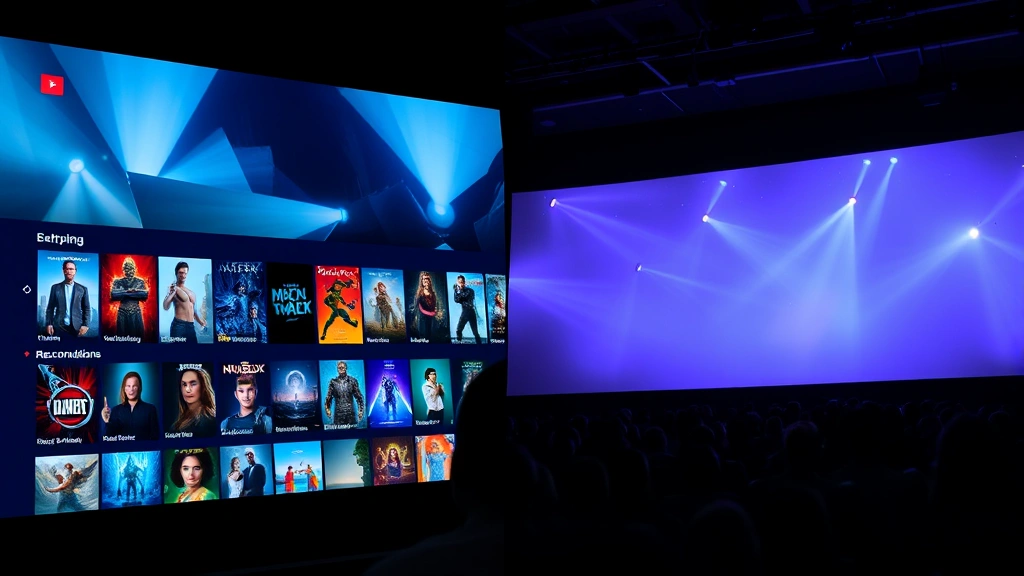
The integration of interactive elements, personalized content recommendations, and algorithmic curation on streaming platforms created fundamentally different viewing experiences compared to theatrical exhibition. Audiences increasingly expected tailored content discovery, algorithmic suggestions, and seamless platform navigation. These expectations influenced how films were conceived, marketed, and distributed across different channels.
According to research from McKinsey & Company, approximately 71% of streaming subscribers reported using platform recommendation algorithms as primary content discovery mechanisms. This statistic revealed how thoroughly algorithmic curation had integrated into audience media consumption patterns, fundamentally altering how films reached viewers.
Independent Cinema and Distribution Challenges
Independent filmmakers faced particularly acute challenges in 2023’s bifurcated market. The traditional independent film distribution model—relying on festival premieres, limited theatrical runs, and subsequent streaming or home video releases—became increasingly untenable for mid-budget productions.
Successful independent filmmakers adapted by pursuing direct-to-audience strategies, hybrid release models, and niche platform partnerships. Some leveraged social media communities, genre-specific platforms, and international distribution networks to reach audiences without relying on traditional theatrical infrastructure. Documentary filmmakers, in particular, found thriving audiences through specialized platforms and event-based releases.
Resources examining celebrity documentary films and music documentaries highlighted how documentary cinema thrived through innovative distribution approaches, cultural moment alignment, and platform-specific strategies that traditional theatrical distribution could not accommodate.
Industry experts emphasized that independent filmmakers required sophisticated understanding of distribution economics, platform algorithms, and audience psychology. Success increasingly depended on creative adaptation rather than adherence to traditional distribution playbooks. Emerging filmmakers benefited from learning multiple distribution channels, understanding audience analytics, and developing direct relationships with viewers.
Global Markets and International Cinema
International cinema demonstrated remarkable resilience and growth in 2023, with non-English language films achieving unprecedented global audience reach. Streaming platforms’ international expansion created opportunities for regional filmmakers to access global audiences without depending on traditional theatrical distribution networks or English-language dubbing.
The success of international content on global platforms indicated that cultural specificity and authentic regional storytelling resonated across diverse audience demographics. Subtitled content, which traditionally faced theatrical exhibition limitations, found enthusiastic audiences through streaming platforms. This shift democratized global cinema, enabling diverse voices and perspectives to reach worldwide audiences.
Leading media analysts noted that international co-productions, regional platform investment, and cross-cultural content strategies became increasingly central to studio planning. American studios recognized that global markets represented essential revenue sources, requiring culturally sensitive production strategies and localized marketing approaches.
According to data from Statista, international box office revenue exceeded domestic American revenue by approximately 58% in 2023, underscoring how thoroughly global markets dominated theatrical economics. This reality influenced studio decision-making, talent recruitment, and creative development strategies fundamentally.
The implications extended to family entertainment programming, where studios increasingly developed content with international appeal, cultural inclusivity, and multilingual accessibility as core production considerations rather than afterthoughts.
FAQ
How did streaming platforms impact theatrical box office in 2023?
Streaming platforms created both competition and complementary opportunities for theatrical releases. While some audiences substituted streaming viewing for theatrical attendance, blockbuster spectacles and franchise narratives continued drawing audiences to theaters. The relationship between streaming and theatrical became increasingly symbiotic rather than purely competitive, with studios developing sophisticated windowing strategies and hybrid release approaches.
What types of films performed best theatrically in 2023?
Franchise sequels, superhero narratives, high-concept action films, and visual spectacles dominated theatrical performance. Conversely, intimate dramas, experimental cinema, and character-driven narratives increasingly found primary audiences through streaming platforms. This segmentation reflected audience preferences for theatrical experiences offering visual or audio elements that justified premium ticket pricing.
Did independent filmmakers find success in 2023?
Independent filmmakers who adapted to hybrid distribution models, leveraged direct-to-audience strategies, and pursued platform partnerships achieved notable success. However, traditional independent film distribution models proved increasingly challenging. Documentary filmmakers and genre specialists demonstrated particular adaptability to evolving distribution landscapes.
How did international cinema perform globally?
International cinema achieved unprecedented global reach through streaming platforms, with non-English language films finding enthusiastic audiences across diverse markets. International box office revenue exceeded domestic American revenue significantly, influencing studio production strategies, talent recruitment, and creative development approaches substantially.
What role did technology play in 2023’s film industry?
Emerging technologies including virtual production, advanced visual effects, AI-assisted post-production, and premium theatrical formats transformed filmmaking economics and audience experiences. These innovations enabled more ambitious visual narratives while reducing production timelines, though industry experts cautioned that technological capability did not automatically ensure compelling storytelling or audience satisfaction.
What should aspiring filmmakers understand about 2023’s industry?
Emerging filmmakers benefited from understanding multiple distribution channels, platform algorithms, audience analytics, and hybrid release strategies. Traditional theatrical distribution no longer represented the only or necessarily primary path to audience reach. Success increasingly required direct audience relationships, cultural moment awareness, and sophisticated platform literacy.