Tim Curry’s Impact: Film & TV Career Highlights
Tim Curry stands as one of entertainment’s most versatile and unforgettable character actors, whose career spans five decades of transformative performances across film, television, and theater. From his early theatrical triumphs to his iconic screen roles, Curry has consistently delivered performances that captivate audiences and challenge conventional characterization. His ability to inhabit complex, often eccentric characters with theatrical flair and emotional depth has made him a cultural touchstone for multiple generations of viewers.
The British-American performer’s journey through entertainment demonstrates the power of distinctive talent and creative commitment. Whether playing villains, comedic characters, or dramatic leads, Curry brings an unmistakable presence to every project. His influence on character-driven storytelling remains significant in contemporary cinema and television, inspiring actors and creators who recognize the value of bold, uninhibited performances. This comprehensive exploration examines the defining moments and memorable roles that shaped Tim Curry’s legendary career.
Theatrical Foundations and Early Success
Tim Curry’s career trajectory began not on screen but on the theatrical stage, where his extraordinary vocal range and commanding stage presence first gained recognition. His breakthrough came in the 1973 original London production of “The Rocky Horror Show,” a musical that would fundamentally alter the landscape of cult entertainment. This theatrical success established Curry as a performer capable of blending rock music, comedy, and dramatic intensity into a singular, mesmerizing experience.
Before achieving international recognition, Curry honed his craft in British theater productions, developing the distinctive theatrical sensibility that would define his screen work. His training in classical theater provided him with technical skills and emotional intelligence that elevated every character he portrayed. The stage became his laboratory for experimentation, allowing him to develop the fearless approach to characterization that would later distinguish his film and television performances.
The transition from stage to screen proved natural for Curry, though his theatrical intensity initially challenged some conventional film aesthetics. His willingness to commit fully to characters, employing exaggerated gestures and vocal inflections when appropriate, created a distinctive performance style that didn’t conform to naturalistic screen acting traditions. This theatrical DNA remained evident throughout his career, distinguishing him from peers who adopted more subdued screen techniques.
The Rocky Horror Picture Show: Cultural Phenomenon
“The Rocky Horror Picture Show” (1975) represents the defining role of Tim Curry’s career, establishing him as a cultural icon whose influence extends far beyond traditional film criticism. His portrayal of Dr. Frank N. Furter, the flamboyant, sexually ambiguous mad scientist, created a character that resonated with audiences seeking representation of unconventional sexuality and theatrical self-expression. The film’s cult status transformed Curry into a symbol of theatrical rebellion and queer cultural expression.
Curry’s performance in this film showcases extraordinary vocal ability, comedic timing, and willingness to embrace controversial material. His rendition of “Sweet Transvestite” became an anthem for generations of viewers, while his overall characterization demonstrated how a single performance could transcend the film itself to become a broader cultural statement. The film’s midnight movie circuit success created unprecedented audience engagement, with viewers adopting costumes and participating in the narrative alongside the screen action.
The cultural significance of Curry’s work in “The Rocky Horror Picture Show” extended beyond entertainment into social discourse. The film provided visibility for LGBTQ+ themes during a historically repressive cultural moment, with Curry’s unapologetic portrayal contributing to broader conversations about identity, sexuality, and self-expression. His commitment to the role’s theatrical excess created a performance artifact that continues inspiring performers, creators, and audiences decades later.
For those interested in understanding influential film performances, examining famous movie quotes from this era reveals how Curry’s work shaped memorable cinema dialogue. The film’s quotability demonstrates how powerful character work translates into cultural currency and lasting audience memory.
Film Career Evolution and Diverse Roles
Following “The Rocky Horror Picture Show,” Tim Curry pursued a diverse film career that demonstrated his range across multiple genres and character types. Rather than becoming typecast in theatrical or campy roles, Curry strategically selected projects that challenged audiences’ perceptions of his capabilities. His filmography reveals an actor committed to exploring different facets of character development and storytelling approaches.
In “Amadeus” (1984), Curry delivered a powerful supporting performance as the jealous court composer, contributing to the film’s exploration of artistic ambition and rivalry. His theatrical background enriched scenes requiring emotional intensity and vocal projection, creating moments of genuine dramatic weight. The film’s success at the Academy Awards validated Curry’s presence in prestigious dramatic cinema, demonstrating that his theatrical approach could enhance rather than diminish serious dramatic material.
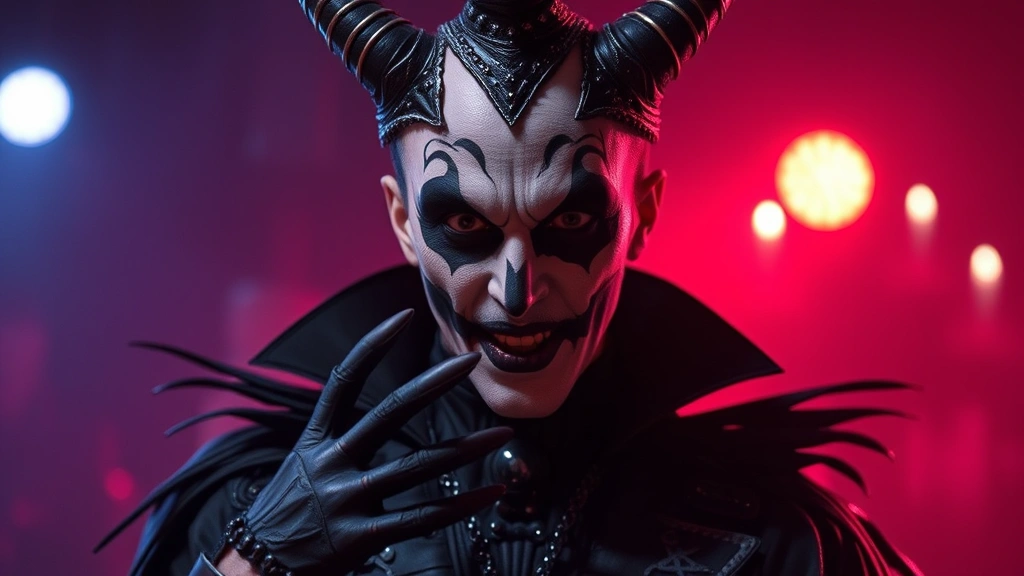
Curry’s work in “Legend” (1985) showcased his ability to embody fantastical, otherworldly characters. As the Lord of Darkness, Curry created a villain whose theatrical malevolence and supernatural presence dominated scenes through sheer force of performance. The character’s elaborate makeup and costuming provided visual spectacle, but Curry’s vocal work and physical performance ensured the character transcended mere visual effects to become a genuinely threatening dramatic presence.
The actor’s collaborative work with director John Hughes in “Clue” (1985) demonstrated his mastery of comedic timing and ensemble dynamics. His portrayal of the nervous butler Wadsworth combined physical comedy with vocal precision, creating a character whose vulnerability and competence alternated for maximum comedic effect. The film’s multiple endings provided opportunities for Curry to explore different comedic approaches, showcasing his adaptability within character.
Curry continued expanding his film presence through the 1980s and beyond, appearing in diverse projects ranging from horror to family entertainment. His willingness to work across genres and budgets reflected a performer more interested in character exploration than maintaining particular industry status. This democratic approach to role selection contributed to his sustained presence in entertainment while allowing him to explore varied creative opportunities.
Television Prominence and Serial Success
Television became increasingly important to Tim Curry’s career, providing opportunities for extended character development and sustained audience engagement. His television work demonstrated how his particular talents could flourish in serial formats, where character development extended across multiple episodes and seasons. The medium’s demands for consistency and repetition suited his theatrical approach to character creation.
Curry’s appearances in “Clue” (the television series adaptation) extended his engagement with characters and storytelling formats. His ability to anchor ensemble casts and elevate material through committed character work made him valuable to television producers seeking distinctive performers. His television guest appearances in series ranging from “Muppet Babies” to “Loaded” showcased his versatility and willingness to work across different production scales and contexts.
The actor’s voice work in animated television series expanded his presence in family entertainment while allowing him to explore character work without physical performance constraints. His vocal performances demonstrated how theatrical training translates into animation work, where vocal precision and character differentiation through voice alone become paramount. This work introduced him to younger audiences while maintaining his presence in entertainment culture.
Television also provided opportunities for Curry to explore dramatic material with sustained character arcs. His guest star and recurring roles in dramatic series demonstrated his capacity for serious emotional work, counterbalancing his theatrical and comedic reputation. These performances revealed depths in his acting capabilities that film roles sometimes obscured, providing audiences with multidimensional understanding of his abilities.
Those interested in understanding how performers build sustainable television careers may find value in exploring resources examining performance analysis, which frequently discuss how actors navigate different media formats and audience expectations.
Voice Acting and Animation Work
Tim Curry’s voice acting work represents a significant dimension of his career often overlooked in discussions of his film and television prominence. His distinctive voice, combined with his theatrical background and character commitment, made him ideal for animated projects requiring distinctive vocal performances. Voice work allowed Curry to explore character without visual performance constraints, challenging him to create fully realized characters through vocal work alone.
Curry’s participation in animated features and series introduced his work to audiences who might never encounter his theatrical or dramatic film performances. His voice work in “Muppet Treasure Island” and other family entertainment projects demonstrated his ability to create accessible, entertaining characters suitable for younger audiences. This work expanded his cultural footprint while introducing new generations to his distinctive performance style.
The actor’s voice work in video games and animated features expanded entertainment media possibilities, contributing to projects where his theatrical vocal approach enhanced fantastical or comedic material. His willingness to pursue voice work reflected understanding that character work transcends specific media, and that performance excellence matters regardless of whether audiences see the performer’s physical presence.
Voice acting also provided opportunities for Curry to work consistently despite physical challenges that later affected his career. The medium’s flexibility allowed him to continue contributing creatively to entertainment projects when other work might prove more demanding. His ongoing voice work demonstrates commitment to his craft extending beyond traditional performance opportunities.
Legacy and Influence on Modern Entertainment
Tim Curry’s influence on contemporary entertainment extends across multiple dimensions, from performance style to character representation to creative risk-taking. His willingness to commit fully to eccentric, unconventional characters provided permission for performers to embrace theatrical excess and character specificity. Modern actors frequently acknowledge Curry’s influence on their approaches to distinctive characterization and committed performance.
The actor’s cultural significance transcends traditional film and television metrics, encompassing broader conversations about identity, representation, and artistic expression. His early work in “The Rocky Horror Picture Show” contributed to LGBTQ+ visibility during historically challenging cultural moments, creating lasting impact on social discourse and community identity. This cultural work extended beyond entertainment into activism and representation.
Curry’s career trajectory influenced how entertainment industries conceptualize character actors and distinctive performers. His sustained success demonstrated market value for performers who refused to conform to conventional attractiveness standards or performance approaches. His example encouraged casting directors and producers to prioritize character fit over conventional leading man aesthetics, contributing to more diverse entertainment landscapes.
For those interested in understanding how performers develop distinctive careers, resources examining performance criticism frequently analyze how actors like Curry create lasting cultural impact through committed character work. His example demonstrates how distinctive artistic voices create enduring cultural significance.
The actor’s influence on horror and science fiction entertainment remains particularly evident, as contemporary creators frequently reference his work and acknowledge his impact on their creative approaches. His willingness to embrace genre material seriously, treating fantastical characters with emotional commitment, elevated entertainment categories often dismissed by mainstream critics. This respectful approach to genre work influenced how contemporary creators approach similar material.
Tim Curry’s resilience and adaptability throughout his career, navigating industry changes and personal health challenges while maintaining creative engagement, provides inspiration for performers and audiences alike. His commitment to craft over commercial calculation, and to character specificity over mass appeal, created a body of work that rewards repeated engagement and deepens with time.
Modern entertainment continues benefiting from Curry’s influence on performance culture and character commitment. His example demonstrates that distinctive, committed performances create lasting cultural resonance, transcending specific films or television programs to become broader cultural touchstones. Performers, creators, and audiences continue engaging with his work, finding new meaning and appreciation as cultural contexts shift.
For those exploring the broader landscape of film performance and character work, contemporary entertainment analysis frequently examines how performers like Curry create distinctive careers through committed character work. His example remains relevant to ongoing conversations about performance excellence and creative authenticity.
FAQ
What is Tim Curry’s most iconic role?
Tim Curry’s portrayal of Dr. Frank N. Furter in “The Rocky Horror Picture Show” (1975) remains his most iconic and culturally significant role. The character became a symbol of theatrical rebellion, sexual fluidity, and artistic self-expression, with Curry’s performance transcending film to become a cultural artifact influencing generations of performers and audiences.
Did Tim Curry perform in horror films?
Yes, Curry appeared in several horror and horror-adjacent films. His role as the Lord of Darkness in “Legend” (1985) represents his most prominent horror film appearance, though he also appeared in other genre films throughout his career. His theatrical approach to menacing characters elevated these performances beyond conventional horror tropes.
What voice acting work has Tim Curry done?
Curry has contributed voice work to numerous animated projects, including “Muppet Treasure Island,” “Muppet Babies,” and various video games. His distinctive voice and theatrical background made him valuable for animated entertainment, allowing him to create memorable characters through vocal performance alone.
How did Tim Curry’s theater background influence his film work?
Curry’s extensive theatrical training shaped his distinctive performance style, characterized by theatrical commitment, vocal precision, and willingness to embrace eccentric characterization. His stage background provided technical skills and emotional intelligence that elevated his film and television work, distinguishing him from performers with purely screen-based training.
What are some of Tim Curry’s most acclaimed film performances?
Beyond “The Rocky Horror Picture Show,” Curry delivered notable performances in “Amadeus” (1984), “Legend” (1985), and “Clue” (1985). Each performance demonstrated different facets of his capabilities, from serious dramatic work to comedic ensemble acting to fantastical character portrayal.
Has Tim Curry’s work influenced contemporary performers?
Absolutely. Many contemporary performers acknowledge Curry’s influence on their approaches to distinctive characterization and committed performance. His example demonstrated that unconventional performers could build sustained, respected careers through character specificity and artistic commitment rather than conventional leading man aesthetics.
For those interested in exploring how distinctive performances influence entertainment culture, examining resources analyzing character-driven adaptations reveals how committed actors shape literary and theatrical material into memorable cinema.