Percy Jackson Movie Reboot: What Fans Expect?
The announcement of a Percy Jackson movie reboot has sent shockwaves through the fanbase, reigniting conversations about one of literature’s most beloved young adult franchises. After the disappointment of the original film adaptations that deviated significantly from Rick Riordan’s source material, fans are cautiously optimistic about a fresh start. The new project promises to honor the books while delivering cinematic storytelling that resonates with both longtime readers and newcomers to the demigod universe.
With Disney+ greenlighting the series and creative teams committed to fidelity, the Percy Jackson movie reboot represents a critical moment in adaptation history. Fans have spent years articulating what went wrong with previous attempts and what could make this version succeed. This comprehensive analysis explores the expectations, hopes, and concerns that define the fanbase’s relationship with this iconic property and its cinematic future.
Why the Original Films Failed Fans
The 2010 film The Lightning Thief and its 2013 sequel Sea of Monsters remain cautionary tales in adaptation history. Despite having a substantial budget and talented cast, these films fundamentally misunderstood the source material’s appeal. The original movies compressed storylines, omitted crucial characters, altered mythological elements, and prioritized action sequences over character development. Fans specifically cite the removal of important supporting characters, the aging up of protagonists, and the dilution of mythology as primary grievances.
What made these failures particularly painful was that the books had already proven their commercial viability. Rick Riordan’s Percy Jackson and the Olympians series had sold millions of copies worldwide, creating a passionate, engaged fanbase hungry for quality adaptations. The films treated the source material as a loose inspiration rather than a blueprint, making changes that alienated the core audience while failing to attract casual viewers unfamiliar with the books. This experience taught the fanbase that book-to-film adaptations require respect for the original vision.
Industry analysts have documented how these failures became textbook examples of what happens when studios prioritize their own creative instincts over established narrative structures. The lessons learned from the original Percy Jackson movie failures directly inform current expectations for the reboot.
Fidelity to Source Material
At the core of fan expectations lies a single, unwavering demand: stay true to the books. This isn’t merely nostalgia speaking; it’s a recognition that Rick Riordan crafted a sophisticated narrative architecture across five main novels. The mythology is meticulously researched, the character arcs are deliberate, and the humor is integral to the storytelling experience. Fans expect the reboot to honor this foundation.
Specific plot points and character moments that the original films omitted have become rallying points for the fanbase. The absence of Ares, the altered relationship dynamics between characters, and the completely different climax of The Lightning Thief represented unforgivable departures. For the reboot, fans have created detailed wishlists of what must be included: the full Camp Half-Blood experience, the correct quest narrative, faithful character introductions, and authentic mythological elements.
This expectation extends beyond plot details to thematic content. The books explore identity, belonging, disability representation, and found family—themes that resonated deeply with young readers. The Percy Jackson movie reboot must capture these emotional cores alongside the adventure elements. best movies based on books succeed because they understand that fidelity means capturing essence, not merely reproducing scenes.
Recent commentary from media analysts suggests that streaming platforms like Disney+ have advantages in this regard, as they can allocate episodes to fully develop storylines without theatrical runtime constraints. This structural difference from the original films represents a significant advantage for the reboot.
Character Casting and Representation
Casting decisions will make or break audience reception. Fans have spent years imagining their ideal Percy Jackson, and expectations are extraordinarily high. The protagonist must embody the character’s essential qualities: his sarcastic humor, his underlying insecurity, his loyalty, and his reluctant heroism. The actor selected must capture the internal conflict of a teenager discovering extraordinary abilities while grappling with ADHD and dyslexia—aspects that the original films completely ignored.
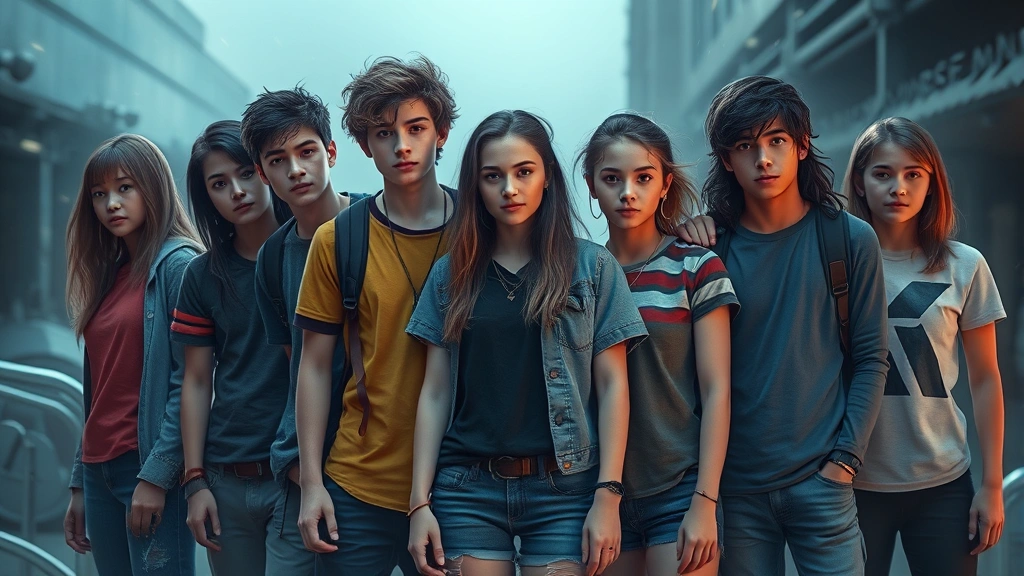
Beyond the protagonist, the supporting cast requires equal attention. Annabeth Chase must be portrayed as the strategic, intelligent warrior she is in the books, not as a romantic interest defined by her relationship to Percy. Grover Underwood deserves authentic representation as a satyr with genuine agency and depth. The demigod friends, gods, and monsters all require actors who understand their roles’ significance within the larger narrative.
Representation matters profoundly to the fanbase. The books feature diverse characters and mythological interpretations from various cultures. The reboot must reflect this diversity authentically, casting actors who bring their full selves to these roles. This expectation aligns with broader industry conversations about inclusive casting in major film and television productions.
According to Pew Research studies on media consumption, younger audiences particularly value representation in entertainment media, and this demographic comprises a significant portion of the Percy Jackson movie fanbase. Casting choices will be scrutinized through this lens.
World-Building and Visual Style
The Percy Jackson movie universe demands immersive world-building. Camp Half-Blood must feel like an actual place—a sanctuary where demigods train, develop relationships, and discover their identities. The original films reduced this crucial setting to a few brief scenes, missing opportunities to establish atmosphere and community. The reboot must invest in creating a fully realized world where audiences believe in the mythology.
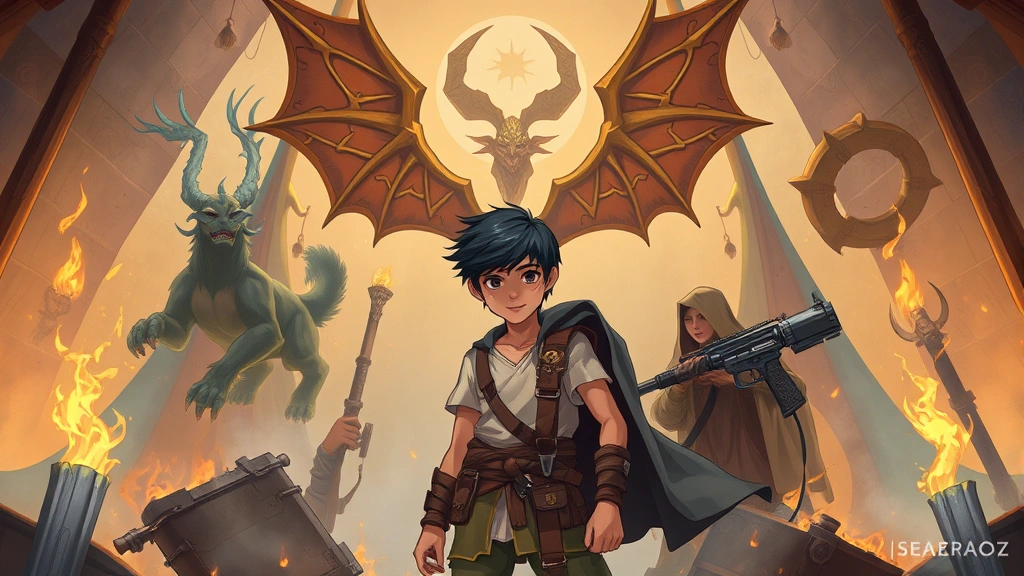
Visual style carries equal importance. The books contain vivid descriptions of mythological creatures, divine locations, and magical phenomena. The reboot’s cinematography and special effects should bring these elements to life with authenticity rather than generic fantasy aesthetics. Fans expect creature design that respects classical mythology while creating cinematic impact. The visual palette should reflect the books’ tone—a blend of contemporary realism and fantastical elements.
The gods themselves present particular challenges. In Riordan’s mythology, deities manifest in modern contexts—Poseidon as a father figure, Athena as a warrior goddess with contemporary relevance. The reboot must visually distinguish divine beings from mortals while making them feel integrated into the modern world rather than anachronistic. This balance between classical and contemporary defines the franchise’s unique appeal.
Practical effects combined with digital enhancement could create more authentic visuals than the original films’ heavy reliance on CGI. Fans appreciate filmmaking that demonstrates craftsmanship and attention to detail—qualities visible in successful fantasy adaptations like The Lord of the Rings trilogy.
Tone and Humor Balance
The books succeed partly because they balance genuine danger with humor. Percy’s internal monologue contains witty observations, sarcastic commentary, and laugh-out-loud moments that make the narrative engaging beyond the action sequences. The original films attempted humor but often landed awkwardly, relying on slapstick and forced comedic moments rather than the character-driven wit that defines Riordan’s writing.
The reboot must capture the specific flavor of the books’ humor—intelligent, self-aware, and grounded in character perspective. This requires writers who understand that comedy serves the story rather than distracting from it. The demigods face genuine peril and real consequences, making the humor more impactful through contrast. Fans expect this tonal sophistication rather than a consistently comedic or serious approach.
The books also contain moments of genuine emotion—friendship, loss, self-discovery, and belonging. The reboot must honor these emotional beats with the same commitment it gives to action sequences. A Percy Jackson movie that prioritizes spectacle over heart will disappoint fans regardless of technical execution. The balance between adventure, humor, and emotional authenticity defines the franchise’s essence.
Pacing and Story Structure
Theatrical films compress narratives into two-hour windows, creating pacing challenges that the original movies handled poorly. The streaming format offers advantages—multiple episodes allow for character development, world-building, and subplot exploration without sacrificing main narrative momentum. Fans expect the reboot to use this structural advantage effectively.
The quest structure of the original novel provides natural pacing: journey stages, character encounters, revelations, and escalating stakes. The reboot should honor this structure rather than reimagining it for perceived cinematic efficiency. Each major plot point deserves proper development rather than rushing toward climactic action sequences.
Episode structure matters significantly. Each installment should balance forward momentum with character moments, creating episodes that function independently while contributing to the larger season arc. This approach differs fundamentally from theatrical film pacing and represents a key advantage of the streaming format. Fans who have consumed complex television narratives expect sophisticated storytelling that respects audience intelligence.
Fan Community Engagement
The Percy Jackson movie fanbase comprises passionate communities across social media platforms, fan fiction sites, and dedicated forums. The reboot’s success depends partly on engaging these communities throughout production and release. Fans expect transparency about creative decisions, opportunities for input, and acknowledgment of their investment in the property.
Social media engagement patterns reveal that fans want behind-the-scenes content, cast interviews, and regular updates. The original films largely ignored fan community feedback, treating the adaptation as a studio project rather than a collaborative cultural moment. The reboot offers an opportunity to build community investment through strategic engagement.
Fan-created content—artwork, videos, analyses, and theories—constitutes a form of free marketing and cultural validation. The reboot’s creative team should recognize this value and foster community participation. Platforms like TikTok and Instagram have become primary spaces where young audiences discuss entertainment media, and the reboot should establish presence in these spaces authentically.
According to Hollywood Reporter analysis of fan influence on productions, franchises that actively engage fan communities experience stronger viewership and cultural impact. The reboot has opportunity to leverage this dynamic effectively.
Box Office and Streaming Expectations
Unlike the original theatrical films that needed to generate massive box office returns, the Percy Jackson movie reboot operates under different financial models. As a Disney+ series, success metrics include subscriber acquisition, retention, and platform engagement rather than theatrical box office performance. This structural difference actually benefits the project, reducing pressure for blockbuster opening weekends.
However, expectations for quality remain extraordinarily high. Disney invests significant budgets in prestige television productions, and fans expect production values that reflect this investment. Visual effects, cinematography, costume design, and set construction should demonstrate premium craftsmanship throughout.
The reboot’s success will influence the broader landscape of book-to-screen adaptations. A high-quality Percy Jackson movie series could validate streaming platforms as viable homes for beloved literary properties, potentially attracting other major franchises to similar projects. Conversely, failure could reinforce skepticism about adapting cherished books for screen. This broader cultural significance adds weight to fan expectations.
Industry observers note that the first season’s reception will significantly impact renewal prospects and potential spin-off development. Fans recognize this reality and expect the creative team to approach the material with appropriate seriousness and commitment. family entertainment landscape continues evolving, and the reboot arrives at a moment when quality young adult content commands premium attention.

FAQ
What makes fans skeptical about the Percy Jackson movie reboot?
The original theatrical films’ significant departures from source material created deep skepticism. Fans worry that despite promises of fidelity, production pressures and creative differences could again compromise the adaptation. This skepticism is healthy—it reflects fans’ desire to protect a property they love from another disappointing interpretation.
Will the reboot include all five books or just the first novel?
Current announcements suggest the reboot will adapt the complete Percy Jackson and the Olympians series across multiple seasons, unlike the original films that only attempted the first two books. This multi-season approach allows comprehensive storytelling that fans expect.
How important is casting to the reboot’s success?
Casting proves absolutely critical. The right actors can elevate mediocre material, while miscast leads can undermine excellent scripts. Fans have specific expectations for how their favorite characters should look and sound, and casting decisions will significantly impact reception regardless of other quality factors.
Should the reboot follow the books exactly or allow creative interpretation?
Fans expect fidelity to core elements—plot, character arcs, thematic content, and tone—while allowing creative interpretation in execution details. Adaptation doesn’t mean slavish scene-by-scene reproduction; it means capturing the essential spirit while translating literature into visual storytelling. The reboot should respect source material while embracing cinematic possibilities.
How will the reboot differentiate itself from the original films?
The reboot differentiates primarily through commitment to accuracy and quality. It should demonstrate that the books’ material deserves respectful adaptation, not dismissal. Strategic casting, proper pacing through multiple episodes, authentic world-building, and skilled writing will naturally create distinction from the original films’ approach.
What role will Rick Riordan play in the reboot?
Author involvement matters significantly to fans. Rick Riordan’s creative control and executive producer role provide assurance that the adaptation will honor his vision. Fans expect ongoing consultation between the creative team and the author to ensure fidelity while navigating adaptation challenges.