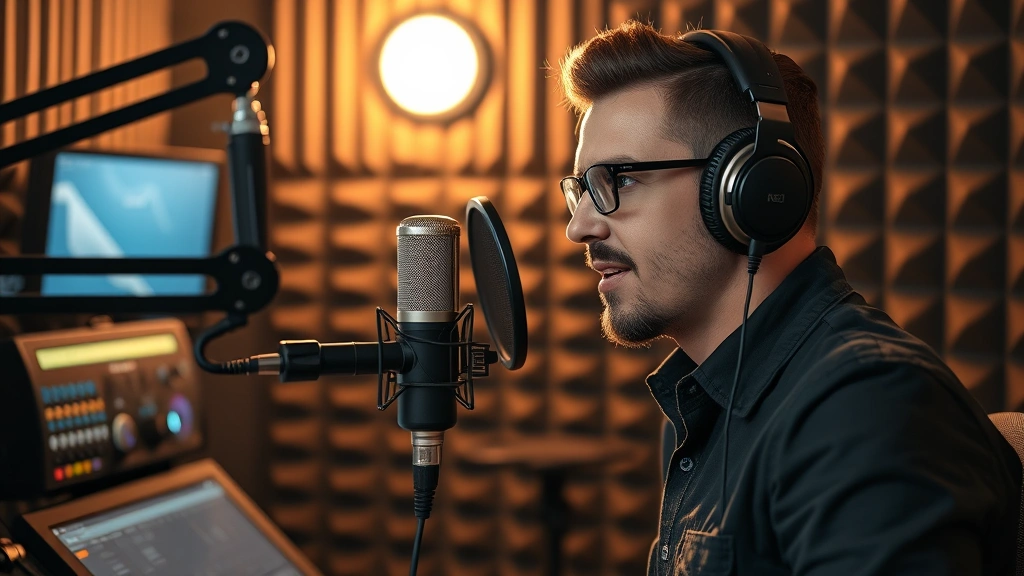
Bee Movie Cast: A Comprehensive Analysis of Voice Actors and Character Performances
DreamWorks Animation’s Bee Movie (2007) remains one of the most distinctive animated films in cinema history, largely due to its stellar ensemble voice cast. The film’s success hinges not only on its unconventional premise about a bee lawyer but also on the caliber of talent that brought its characters to life. This comprehensive analysis examines the voice actors who shaped the film’s cultural impact, their career trajectories, and how their performances contributed to the movie’s enduring legacy in animation and popular culture.
The casting of Bee Movie represented a strategic choice by DreamWorks to secure recognizable Hollywood talent for voice roles, a practice that has become standard in major animated productions. By analyzing the cast composition, we can understand how voice acting functions as a critical component of animated filmmaking, comparable in importance to live-action casting. The ensemble brought together comedians, dramatic actors, and established Hollywood figures to create a rich vocal landscape that enhanced the film’s narrative and comedic timing.
Jerry Seinfeld as Barry B. Benson: The Comedic Foundation
Jerry Seinfeld’s casting as Barry B. Benson, the protagonist bee-lawyer, was undoubtedly the anchor of Bee Movie‘s voice acting ensemble. Seinfeld, already a legendary figure in comedy and television through his groundbreaking sitcom Seinfeld, brought his signature observational humor and distinctive delivery to the character. His voice work demonstrates how established comedians can translate their comedic sensibilities into animated performances, where timing and inflection become even more critical without physical comedy to support the humor.
Seinfeld’s portrayal of Barry combines earnestness with deadpan humor, creating a character who serves as the audience’s entry point into the film’s absurdist world. The actor’s commitment to the role extends beyond simple line delivery; he embodies Barry’s idealism, frustration, and eventual transformation throughout the narrative. His comedic background allows him to find humor in mundane details and awkward social situations, elements that define Barry’s character arc as he navigates both bee society and the human world.
The chemistry between Seinfeld’s voice and the animation proves crucial to Barry’s believability as a protagonist. His vocal performance complements the character design and animation choices, creating a cohesive presentation that audiences find relatable despite the fantastical premise. When examining how to become a film critic, one quickly learns that voice acting analysis requires understanding these subtle layers of performance that extend beyond dialogue.
Seinfeld’s decision to voice Barry also reflected broader industry trends where A-list celebrities increasingly lent their names and talents to animated projects. This casting strategy served multiple purposes: it attracted adult audiences alongside family viewers, provided marketing appeal through star power, and ensured that the lead character possessed a distinctive vocal identity that would resonate throughout the film’s runtime.
Supporting Cast and Notable Voices
Beyond Seinfeld, Bee Movie assembled an impressive roster of voice talent that contributed significantly to the film’s character development and comedic success. Renée Zellweger voiced Vanessa Bloom, the human love interest, bringing warmth and genuine emotion to a character that could have easily become one-dimensional. Zellweger’s performance grounds the film’s more absurd elements by providing a human perspective on Barry’s world, creating the emotional stakes necessary for the romantic subplot.
Matthew Brock voiced Adam Flayman, Barry’s best friend and the voice of reason throughout much of the narrative. Brock’s vocal performance captures the anxiety and exasperation of a character caught between his friend’s ambitions and the realities of bee society. The dynamic between Seinfeld and Brock creates the film’s emotional core, with their friendship providing continuity and relatability amidst the increasingly surreal plot developments.
John Lithgow’s portrayal of Layton T. Montgomery, the antagonistic lawyer, exemplifies how veteran character actors enhance animated films. Lithgow brings theatrical gravitas to the role, creating a villain whose villainy stems from principle rather than malice. His vocal performance—complete with dramatic inflections and commanding presence—elevates what could have been a simple antagonist into a complex character with understandable motivations. This complexity reflects the sophistication that established actors bring to voice work, as demonstrated in our guide to best movie review sites where critics often praise nuanced character performances.
Phil Lamarr, a prolific voice actor known for extensive animation work, contributed multiple character voices throughout the film, showcasing the technical skill required for voice acting. Lamarr’s ability to differentiate between characters through vocal modulation demonstrates the craft behind animated character creation. Similarly, other supporting voice actors brought their specialized skills to create the rich auditory environment of the film’s bee hive scenes and courtroom sequences.
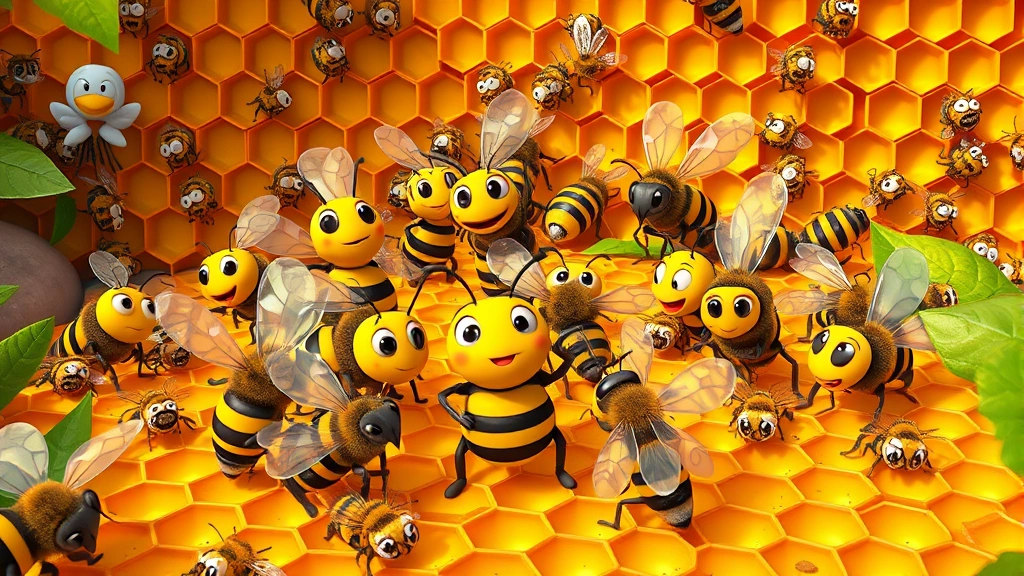
Voice Acting Impact on Animation
The Bee Movie cast exemplifies how voice acting functions as a cornerstone of animated filmmaking, influencing everything from character design to narrative pacing. Voice actors collaborate with animators, directors, and writers to create cohesive characters that resonate with audiences. The recording sessions for Bee Movie involved careful direction and multiple takes to capture the precise emotional nuances required for each scene.
Voice acting in animation differs fundamentally from live-action performance. Actors must convey emotion, physicality, and character through vocal performance alone, without relying on facial expressions or body language to communicate subtext. This constraint actually liberates voice actors to explore extreme vocal ranges and exaggerated deliveries that would seem unnatural in live-action contexts. Seinfeld’s performance as Barry demonstrates this principle, with his comedic timing enhanced rather than constrained by the animated medium.
The casting process for animated films involves considerations distinct from live-action productions. Directors must identify voice actors whose vocal qualities match character designs and whose comedic or dramatic sensibilities align with the film’s tone. For Bee Movie, the decision to cast primarily recognizable actors rather than specialized voice actors reflected DreamWorks’ commitment to creating a film with broad appeal across demographic categories. This strategy contrasts with studios like Pixar, which often emphasizes voice acting talent alongside celebrity status.
Professional voice actors bring technical expertise that celebrities sometimes lack, including microphone technique, breath control, and the ability to layer multiple vocal performances. The Bee Movie cast, while primarily composed of celebrities, benefited from working with experienced voice directors and producers who guided their performances toward the specific requirements of animation. This collaborative process reveals how animated character creation extends far beyond simple dialogue recording.
Character Development Through Performance
The voice cast of Bee Movie demonstrates how vocal performance directly influences character development and audience perception. Barry’s journey from idealistic law graduate to disgruntled bee to environmental activist gains dimension through Seinfeld’s vocal choices. His inflections shift throughout the film, reflecting Barry’s emotional and psychological evolution. Early scenes capture Barry’s enthusiasm and naïveté, while later sequences reveal frustration, determination, and eventual moral conviction.
Zellweger’s performance as Vanessa similarly evolves across the narrative. Her initial dismissiveness toward Barry gradually transforms into respect and affection, a character arc communicated primarily through vocal tone and delivery. The actress modulates her performance to reflect Vanessa’s changing perspective on the bee world and her relationship with Barry, creating emotional authenticity within the animated framework.
The villain’s characterization through voice work proves equally important. Lithgow’s Layton T. Montgomery begins as a seemingly straightforward antagonist but reveals complexity through performance nuance. His vocal delivery suggests intelligence, conviction, and even moments of vulnerability, preventing the character from devolving into simple good-versus-evil dynamics. This character complexity reflects the sophistication possible within animated storytelling when supported by skilled voice acting.
Supporting characters gain personality and memorability through distinctive vocal performances. Each bee in the hive possesses a unique vocal identity, making them feel like individuals rather than background elements. This attention to vocal characterization extends the world-building beyond visual design, creating an immersive environment where even minor characters feel authentic and purposeful. Readers interested in understanding how such performances contribute to overall film quality might explore our discussion of ScreenVibeDaily Blog for additional critical perspectives.
Industry Recognition and Awards
While Bee Movie did not receive major awards recognition for its voice acting, the performances contributed to the film’s commercial success and cultural impact. Voice acting in animated films remains underrepresented in major awards ceremonies, a disparity that reflects historical biases toward live-action performances. However, the film’s box office success and enduring popularity demonstrate audience appreciation for the cast’s work, even without formal industry accolades.
The film received an Academy Award nomination for Best Animated Feature, acknowledging DreamWorks’ overall achievement in animation. This recognition encompasses the contributions of the voice cast, whose performances formed the foundation for the film’s character-driven narrative. The casting choices, while sometimes debated by animation enthusiasts who prefer specialized voice actors, proved commercially successful and culturally resonant.
Voice acting recognition has evolved considerably since 2007, with increasing acknowledgment of the discipline’s importance within animation. Industry organizations and critics now regularly celebrate voice performances in animated films, a shift that might have resulted in greater recognition for the Bee Movie cast had the film been released in contemporary times. This evolution reflects broader changes in how animation itself has gained critical legitimacy and respect.
Legacy of the Bee Movie Cast
The voice cast of Bee Movie has left an indelible mark on animation history and popular culture. Seinfeld’s commitment to the project, despite the film’s mixed critical reception, demonstrated how A-list talent could meaningfully engage with animated storytelling. The film’s subsequent cultural phenomenon status—particularly through internet meme culture—has paradoxically increased appreciation for the cast’s earnest performances, which audiences now celebrate for their sincerity amid the film’s increasingly absurdist narrative.
The cast’s work contributed to a broader trend in Hollywood where established actors increasingly accepted voice roles as legitimate and creatively fulfilling opportunities. This shift opened doors for future animated projects to attract top-tier talent, elevating the overall quality of voice performances across the industry. Seinfeld’s participation in Bee Movie, while not his most critically acclaimed work, demonstrated the viability of animated features as vehicles for established comedians and actors.
Subsequent animated films have built upon the template established by Bee Movie‘s casting strategy, combining celebrity voices with specialized voice actors to create ensemble casts that appeal across demographics. The film’s approach to voice casting has influenced how studios now approach animated projects, with consideration for both star power and vocal suitability becoming standard practice. For those interested in understanding broader trends in entertainment media, exploring best family movies 2025 reveals how voice casting continues to shape animated entertainment.
The film’s internet meme status has granted the cast’s performances a second life in popular culture. Scenes featuring the cast’s dialogue have been remixed, recontextualized, and celebrated online, introducing the original performances to new audiences and creating ongoing engagement with the material. This phenomenon highlights how voice acting performances can transcend their original context and gain new meaning through contemporary media consumption patterns.
FAQ
Who voiced Barry B. Benson in Bee Movie?
Jerry Seinfeld provided the voice for Barry B. Benson, the protagonist bee-lawyer. Seinfeld’s comedic background and distinctive vocal delivery shaped the character’s personality and humor throughout the film.
What other notable actors were in the Bee Movie voice cast?
The cast included Renée Zellweger as Vanessa Bloom, Matthew Brock as Adam Flayman, and John Lithgow as Layton T. Montgomery. The ensemble also featured contributions from professional voice actors like Phil Lamarr who provided multiple character voices.
Did the Bee Movie cast receive award recognition?
While the film received an Academy Award nomination for Best Animated Feature, individual voice performances were not specifically recognized by major awards organizations. Voice acting recognition in animation has evolved significantly since 2007.
How does voice acting differ from live-action acting?
Voice actors must convey emotion, physicality, and character through vocal performance alone, without relying on facial expressions or body language. This requires distinct technical skills and often allows for more exaggerated deliveries appropriate to animated contexts.
Why did DreamWorks cast celebrities for Bee Movie?
Casting recognizable Hollywood talent served multiple purposes: attracting adult audiences alongside family viewers, providing marketing appeal, and creating distinctive vocal identities for main characters. This strategy reflected broader industry trends toward celebrity-driven animated films.
How has the Bee Movie cast’s legacy evolved?
The film’s internet meme status has granted the cast’s performances new cultural significance. Scenes featuring their dialogue have been remixed and recontextualized online, introducing the original performances to new audiences and creating ongoing engagement with the material.
Understanding the Bee Movie cast requires appreciation for how voice acting functions as a creative discipline equal in importance to live-action performance. The ensemble’s work demonstrates that animated character creation depends fundamentally on vocal performance, with each actor contributing to the film’s overall success. From Seinfeld’s comedic foundation to Lithgow’s dramatic depth, the cast created memorable characters that continue resonating with audiences nearly two decades after the film’s release. For deeper exploration of how performance quality influences film reception, consider reviewing Pew Research Center studies on media consumption and American Press Institute resources on entertainment analysis. The Bee Movie cast ultimately exemplifies how voice acting excellence elevates animated storytelling, creating characters that transcend their medium and achieve cultural permanence through both critical appreciation and popular celebration.


