Alvin & The Chipmunks 2: Sequel Success? Box Office Insights and Cultural Impact
The release of Alvin and the Chipmunks: The Squeakquel in 2009 marked a pivotal moment in family entertainment cinema. Following the unexpected box office triumph of the original film, studios faced a critical question: could lightning strike twice with computer-animated rodent pop stars? This analysis explores the financial performance, critical reception, and lasting legacy of the sequel that dominated the family film landscape during its theatrical run.
The Chipmunks franchise represents a fascinating case study in intellectual property adaptation and audience engagement. When the first film earned over $200 million globally, it signaled a lucrative market for nostalgic properties reimagined for contemporary audiences. The sequel arrived with heightened expectations, increased budgets, and amplified marketing campaigns. Understanding its box office performance requires examining multiple factors: audience demographics, release timing, competitive landscape, and the evolving preferences of family entertainment consumers.
Box Office Performance and Financial Success
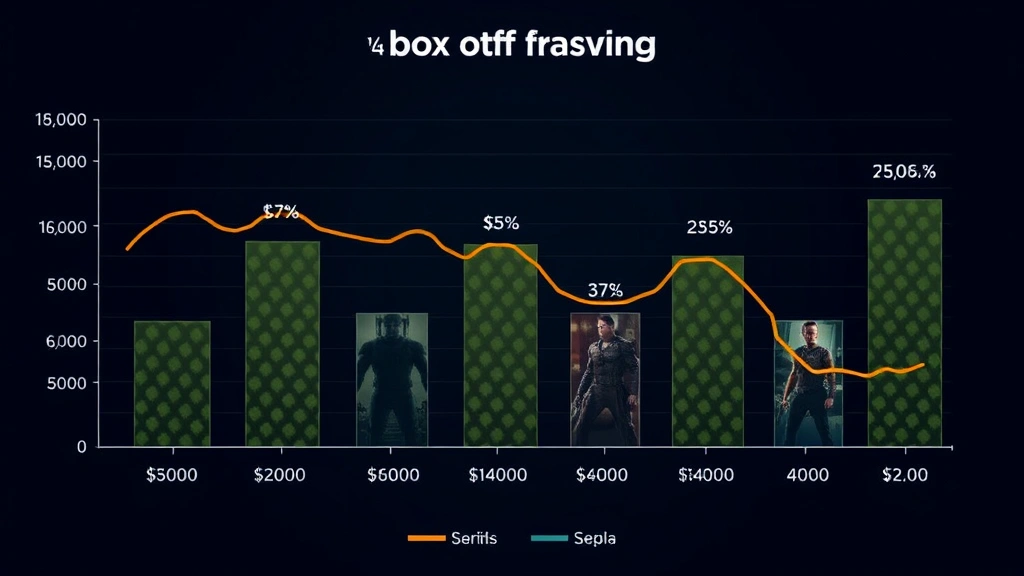
Alvin and the Chipmunks: The Squeakquel opened during the lucrative holiday season in December 2009, a strategic timing decision that proved instrumental to its commercial viability. The film earned approximately $443.1 million worldwide, making it one of the highest-grossing family films of its era. Domestically, it accumulated roughly $219.6 million, while international markets contributed significantly to the total gross.
These figures represent substantial success, though they also reveal nuanced patterns about sequel economics. While the worldwide total exceeded the original film’s performance, the domestic box office actually demonstrated slight decline—a common trajectory for sequels even when they maintain strong absolute numbers. The film’s opening weekend domestically reached approximately $21.6 million, a respectable figure for family entertainment but not the record-breaking performance some industry analysts had predicted.
The sequel’s longevity in theaters proved more impressive than its opening impact. The Squeakquel maintained theatrical presence for an extended run, benefiting from strong word-of-mouth among family audiences and repeat viewings. This staying power reflected the demographic composition of its audience: parents accompanying young children who were willing to see the film multiple times throughout the holiday season and winter months.
According to Box Office Mojo and industry analyses, the film’s performance demonstrated the viability of established intellectual property in the family entertainment space. The franchise proved it could sustain audience interest across multiple installments, a critical consideration for studios planning long-term franchise strategies.
Production Budget and Return on Investment
Understanding The Squeakquel‘s financial success requires examining its production and marketing expenditures. The film’s production budget was estimated at approximately $75 million, a significant investment that reflected the technical demands of computer animation and the celebrity voice talent assembled for the project.
Marketing budgets for major studio releases typically match or exceed production costs, suggesting the film’s total investment approached $150 million or higher. Against this substantial expenditure, the $443.1 million worldwide gross generated substantial profit margins, particularly when accounting for the film’s theatrical run and subsequent ancillary revenue streams including home video, streaming rights, and television licensing.
The return on investment exceeded reasonable studio expectations, validating the decision to greenlight a sequel and justify the increased budget allocation. This financial success had cascading effects on the industry: it encouraged studios to continue mining nostalgic intellectual property for family audiences and demonstrated that sequels could achieve profitability even when they didn’t surpass their predecessors’ opening weekends.
When examining profitability in the context of family movies, The Squeakquel exemplified how broad audience appeal and multiple viewing occasions could generate substantial returns. The film’s performance influenced studio greenlight decisions for years to come, contributing to the proliferation of family franchise sequels throughout the 2010s.
Audience Demographics and Market Positioning
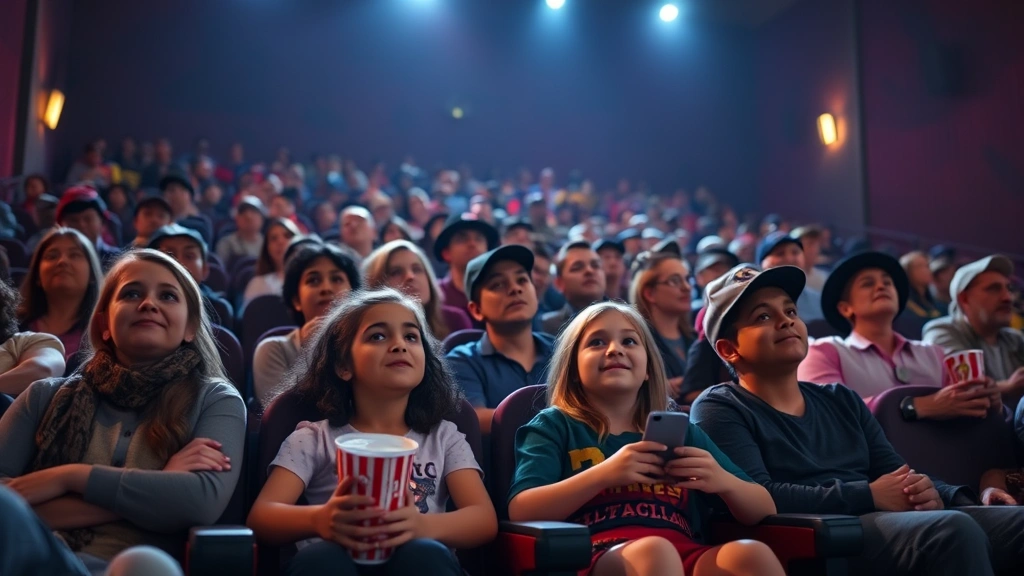
The primary audience for Alvin and the Chipmunks: The Squeakquel consisted of children aged 5-12, accompanied by parents or guardians. This demographic concentration offered both advantages and constraints. The advantage lay in the predictability of family film audiences during holiday periods and school breaks, when parents actively seek theatrical entertainment for their children.
Secondary audiences included nostalgic adults who grew up with the original Chipmunks cartoon series and music catalog. These viewers provided additional ticket sales and helped drive word-of-mouth promotion through social networks. The film’s marketing emphasized this dual-audience appeal, featuring both contemporary pop music and references to classic Chipmunks content.
The sequel’s market positioning directly targeted the family entertainment niche, a segment that demonstrated remarkable resilience and profitability during economic downturns. Unlike adult-oriented films that experienced attendance fluctuations based on discretionary spending patterns, family films benefited from parents’ consistent willingness to purchase entertainment for their children as an experiential gift.
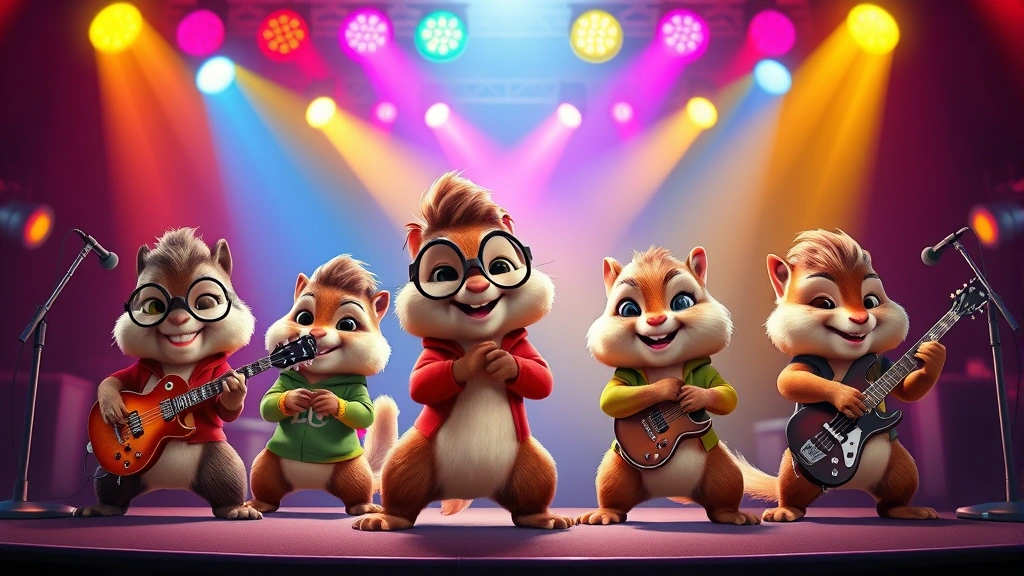
Gender dynamics also played a role in the film’s appeal. While animated films traditionally attracted mixed-gender audiences, The Squeakquel incorporated romantic subplot elements and expanded female character development through the introduction of the Chipettes, which broadened its appeal to female viewers and created additional merchandising opportunities.
Critical Reception vs. Commercial Appeal
A significant disconnect emerged between critical reception and commercial performance for The Squeakquel. Professional film critics offered mixed-to-negative assessments, with many citing formulaic plotting, shallow character development, and reliance on slapstick humor over substantive storytelling. The film’s Rotten Tomatoes score reflected this critical ambivalence, yet audience scores demonstrated substantially higher satisfaction levels.
This divergence illustrates fundamental differences between critical and commercial evaluation frameworks. Critics assessed the film against standards of artistic merit, originality, and sophisticated humor—standards that family entertainment often fails to meet by design. Audiences, conversely, evaluated the film based on entertainment value, engagement of their children, and overall theatrical experience quality.
The critical dismissal of the film proved largely irrelevant to its commercial success. Parents and children made purchasing decisions based on marketing exposure, franchise familiarity, and peer recommendations rather than critical reviews. This pattern has become increasingly common in franchise filmmaking, where established intellectual property and target demographic loyalty can overcome critical skepticism.
Industry analysts noted that The Squeakquel‘s performance validated a strategic shift in studio decision-making: for family entertainment, commercial viability often depended more on market positioning and audience targeting than on critical acclaim. This insight influenced greenlight decisions across the industry and contributed to the proliferation of franchise sequels in the family entertainment space.
Competitive Landscape During Release
The December 2009 release positioned Alvin and the Chipmunks: The Squeakquel within a crowded holiday marketplace. Competing releases included Avatar, which dominated the premium large-format theater landscape, and other family-oriented films seeking the same demographic audiences. Despite this competition, the film carved out substantial market share through strategic positioning and timing.
Avatar‘s massive success during this period might have canibalized family film attendance, yet The Squeakquel demonstrated that multiple films could thrive simultaneously by targeting different audience segments and theater formats. The Chipmunks film occupied traditional 2D theaters where families with young children felt most comfortable, while Avatar dominated premium 3D experiences.
The competitive analysis reveals important insights about theatrical economics and audience segmentation. Rather than direct competition, these films occupied complementary market niches. Family audiences with young children typically avoided intense science fiction spectacles, while adult audiences seeking cutting-edge visual effects gravitated toward Avatar. This segmentation allowed both films to achieve substantial box office success without directly cannibalizing each other’s revenue.
Understanding the theatrical landscape of 2009 provides context for evaluating The Squeakquel‘s performance. The film succeeded not despite competition but through effective market positioning that acknowledged audience preferences and theatrical capacity constraints.
International Markets and Global Reach
International box office performance constituted a critical component of The Squeakquel‘s overall success. Approximately 50% of the film’s worldwide gross derived from international markets, a proportion that reflects the growing importance of global audiences to studio profitability calculations. Key markets included the United Kingdom, Canada, Australia, Mexico, and various European territories.
The Chipmunks franchise possessed inherent advantages for international expansion. The characters’ appeal transcended cultural boundaries through their reliance on physical comedy and music rather than dialogue-dependent humor. Voice acting could be adapted for different language markets, allowing studios to maintain cultural relevance while preserving the core entertainment experience.
China and other emerging markets represented underutilized opportunities during the 2009 release period. As these territories subsequently developed robust theatrical exhibition infrastructure, later installments in the franchise benefited from expanded international distribution. The Squeakquel‘s strong international performance validated the franchise’s global commercial potential and influenced sequel greenlight decisions.
Currency fluctuations and international market dynamics added complexity to global box office analysis. The strong dollar during 2009-2010 affected reported international revenues when converted to USD, yet the underlying audience demand remained substantial. International theatrical runs typically extended beyond domestic releases, generating additional revenue during subsequent quarters.
Franchise Trajectory and Long-term Impact
The commercial success of Alvin and the Chipmunks: The Squeakquel established the franchise as a durable property capable of sustaining multiple theatrical releases. This validation led to two additional theatrical sequels: Alvin and the Chipmunks: Chipwrecked (2011) and Alvin and the Chipmunks: The Road Chip (2015), followed by a reboot in 2024.
Each subsequent installment demonstrated declining box office performance, a pattern consistent with franchise fatigue and audience saturation. However, the initial success of The Squeakquel provided the financial foundation and market proof necessary for studios to continue investing in the property. This illustrates how individual sequel performance cascades through franchise planning decisions across multiple years.
The franchise’s evolution reflects broader industry trends in intellectual property management. Studios increasingly recognize that established properties with strong brand recognition and loyal audiences provide more predictable returns than original concepts. The Squeakquel‘s success contributed to this strategic orientation, influencing greenlight decisions for similar franchise properties throughout the 2010s.
Long-term franchise analysis reveals that The Squeakquel represented the franchise’s commercial peak, though this recognition only emerged in retrospect. At the time of release, industry observers anticipated sustained growth across multiple installments. Subsequent performance data demonstrated the reality of audience fatigue and the difficulty of maintaining franchise vitality across extended theatrical runs.
Marketing Strategy and Media Saturation
The marketing campaign for The Squeakquel exemplified sophisticated audience targeting and multi-platform promotional strategies. The campaign featured television advertising during children’s programming blocks, integrated product placement partnerships, social media engagement, and celebrity voice talent promotional appearances. This integrated approach maximized brand exposure across the demographic target audience’s media consumption patterns.
The film’s marketing budget represented a substantial investment in awareness generation and audience cultivation. Television spots emphasized comedic moments and character charm, while print advertising in family-oriented publications targeted parents. The campaign’s messaging balanced nostalgia appeals for adult audiences with contemporary references designed to resonate with younger viewers.
Product integration extended beyond traditional advertising into merchandise partnerships, fast-food promotions, and cross-studio collaborations. These ancillary marketing channels generated consumer awareness and purchase intent while generating additional revenue streams. The comprehensive marketing strategy contributed directly to the film’s opening weekend performance and sustained theatrical engagement.
When considering how to find the perfect movie reviews, audiences in 2009 encountered extensive marketing saturation that frequently overshadowed critical perspectives. The marketing investment created such substantial brand visibility that critical reviews became secondary to consumer awareness and franchise familiarity in driving purchasing decisions.
Media saturation strategies proved particularly effective for family entertainment, where children’s exposure to marketing materials directly influenced parental purchasing decisions. Television advertising during animated programming blocks ensured that target demographics encountered promotional content during their regular media consumption patterns, creating multiple impression opportunities that reinforced brand awareness.
The marketing strategy’s success demonstrated that for franchise films targeting family audiences, comprehensive multi-platform promotion could overcome critical skepticism and establish substantial audience demand. This insight influenced marketing approaches for subsequent family franchise releases and contributed to the increasing prominence of integrated marketing campaigns in studio strategy.
Looking back at the theatrical landscape of 2009, the Alvin and the Chipmunks: The Squeakquel marketing campaign represented a sophisticated deployment of available promotional channels to maximize audience reach and conversion. The campaign’s effectiveness contributed directly to the film’s box office success and established benchmarks for family entertainment marketing strategies throughout the subsequent decade.
FAQ
How much money did Alvin and the Chipmunks 2 make worldwide?
Alvin and the Chipmunks: The Squeakquel earned approximately $443.1 million worldwide, including approximately $219.6 million domestically and substantial international revenues. This made it one of the highest-grossing family films of 2009 and demonstrated the commercial viability of franchise sequels targeting family audiences.
Did the Squeakquel outperform the original Chipmunks film?
The Squeakquel exceeded the original film’s worldwide gross, earning more total revenue globally. However, the domestic box office showed slight decline compared to the first film, a pattern common for sequels. The international market growth compensated for domestic performance, resulting in higher overall profitability.
What was the production budget for The Squeakquel?
The film’s production budget was estimated at approximately $75 million, reflecting the technical requirements of computer animation and celebrity voice talent. Marketing budgets likely matched or exceeded this amount, suggesting total investment approached $150 million.
Why was The Squeakquel successful at the box office?
Success factors included strategic holiday season release timing, established franchise brand recognition, effective multi-platform marketing, appeal to family audiences seeking theatrical entertainment, and the film’s positioning in a market niche distinct from competing releases like Avatar.
How did critical reception affect The Squeakquel’s box office performance?
Critical reviews were mixed-to-negative, yet this had minimal impact on commercial success. Family audiences made purchasing decisions based on franchise familiarity and marketing exposure rather than critical assessments. This disconnect between critical and commercial evaluation has become increasingly common for franchise family entertainment.
What was the international box office contribution?
Approximately 50% of the film’s $443.1 million worldwide gross derived from international markets. Key territories included the United Kingdom, Canada, Australia, Mexico, and European markets. International performance validated the franchise’s global commercial potential and influenced subsequent sequel planning.
Did The Squeakquel’s success lead to additional sequels?
Yes, the film’s commercial success directly led to two additional theatrical sequels: Chipwrecked (2011) and The Road Chip (2015). Each subsequent installment experienced declining box office performance, illustrating franchise fatigue despite initial strong returns. A reboot was released in 2024.
How did The Squeakquel compare to other family films released in 2009?
The Squeakquel represented one of the top-performing family films of 2009, competing effectively despite the massive success of Avatar. The films occupied complementary market niches rather than directly competing, with Avatar targeting adult audiences and premium 3D experiences while The Squeakquel served families with younger children in traditional 2D theaters.
For additional insights into family entertainment trends, explore our comprehensive guide to the best family movies and contemporary industry analysis. Understanding franchise performance requires examining ongoing industry trends and box office dynamics that continue shaping studio decision-making.
The Alvin and the Chipmunks: The Squeakquel case study provides valuable lessons for understanding sequel economics, audience targeting, and the intersection of critical reception and commercial viability. As aspiring film critics and industry observers evaluate franchise performance, this film’s trajectory offers practical examples of how market positioning, audience segmentation, and strategic release timing combine to determine commercial outcomes. The franchise’s evolution demonstrates both the potential and limitations of intellectual property-driven filmmaking in an increasingly competitive theatrical marketplace.