Top Fall Movies to Watch: Critic’s Picks
As summer blockbusters fade into memory, the fall film season emerges as one of cinema’s most prestigious and diverse periods. Studios strategically release their awards contenders, indie darlings find wider distribution, and streaming platforms compete aggressively for viewers settling into cooler months. This season represents a fascinating intersection of commercial ambition and artistic merit, where filmmakers showcase their most ambitious projects and critics begin their annual deliberations about excellence in cinema.
The fall movie landscape has transformed dramatically over the past decade. Where theatrical releases once dominated, today’s viewing ecosystem includes theatrical premieres, simultaneous streaming releases, and platform-exclusive content that shapes cultural conversations. Understanding where and how to watch these films—whether through Netflix’s latest offerings or Apple TV’s curated selections—has become essential for serious cinephiles. This guide synthesizes critical consensus, audience reception data, and emerging trends to identify the must-watch films defining fall cinema in 2024.
The Fall Film Season Phenomenon
The fall movie season occupies a unique position in Hollywood’s annual calendar. Beginning in late August and extending through November, this period bridges summer entertainment and the December holiday blockbuster rush. Industry analysts consistently identify fall as the second-most important release window, trailing only the holiday season in terms of prestige projects and major studio investments.
According to Pew Research Center studies on media consumption patterns, fall viewing habits differ significantly from other seasons. Audiences increasingly shift toward narrative-driven content, character studies, and thematically ambitious films as weather changes encourage longer indoor leisure time. The season’s cultural significance extends beyond box office performance—fall releases disproportionately influence awards season conversations, critical discourse, and year-end lists that define cinematic legacies.
Streaming services have fundamentally altered fall’s competitive dynamics. Platforms now schedule major releases strategically around theatrical windows, creating hybrid release models that simultaneously serve cinema enthusiasts and convenience-seeking home viewers. This democratization of access has paradoxically increased fall’s cultural prominence, as simultaneous releases generate broader social media engagement and critical attention spanning multiple consumption platforms.
The rise of professional film criticism has particularly emphasized fall’s importance. Critics use this season to establish their annual perspectives, develop thematic essays, and position themselves within broader cultural conversations. Major publications dedicate substantial resources to fall coverage, recognizing that this season’s critical consensus often reverberates throughout the year’s remaining awards discourse.

Award Season Contenders
Fall inevitably launches the awards season machinery. Studios strategically position prestige projects for October and November release, timing visibility to maximize impact during Golden Globe, BAFTA, and Academy Award voting windows. Understanding these dynamics helps viewers identify which films will likely dominate critical conversation and cultural relevance through winter months.
This year’s contenders span diverse genres and production scales. Major studio releases compete alongside independent productions and international films, reflecting industry recognition that excellence transcends budget size or distribution model. The complexity of modern awards races—with multiple voting bodies, changing eligibility rules, and platform-specific considerations—makes fall releases increasingly significant for shaping competitive narratives.
Key contenders demonstrate remarkable thematic diversity. Character-driven dramas explore identity, legacy, and transformation with nuance that resonates with academy voters. Biopics examine historical figures through contemporary lenses, inviting reflection on how we construct cultural memory. Ensemble pieces showcase ensemble acting caliber that has become increasingly valued in awards consideration. Genre films—particularly elevated thrillers and psychological dramas—challenge traditional prestige hierarchies, suggesting expanding definitions of awards-worthy cinema.
Industry tracking from Variety and The Hollywood Reporter demonstrates how fall releases disproportionately dominate awards conversations. Films released during this window benefit from proximity to voting periods while maintaining cultural freshness. Strategic release timing, combined with aggressive promotional campaigns and critics’ screening schedules, creates compounding advantages for fall releases in awards races.
Streaming Platform Releases
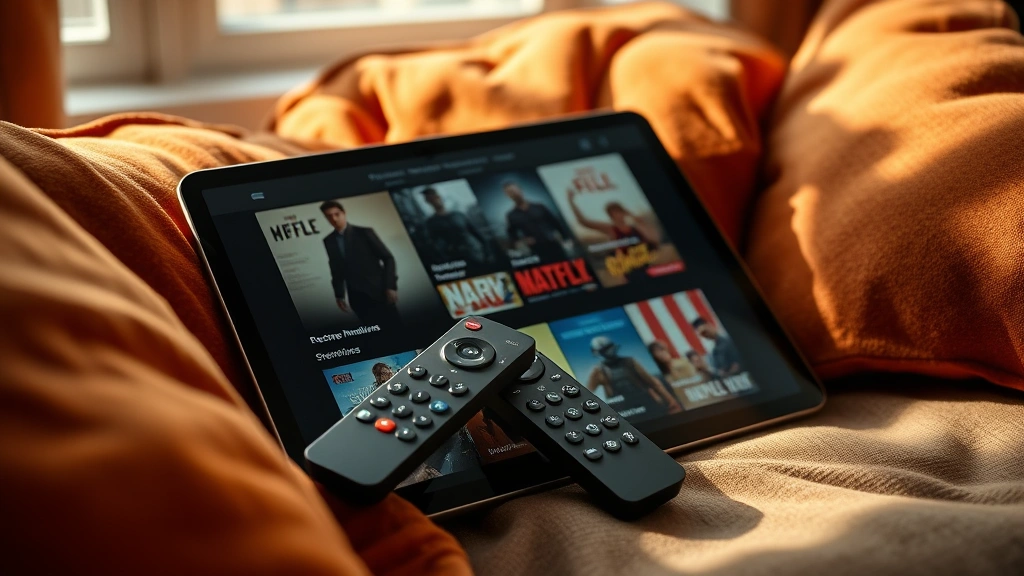
Streaming platforms have emerged as fall’s most aggressive content competitors. Netflix, Apple TV+, Amazon Prime Video, and specialty services schedule prestige releases throughout the season, often positioning them as awards contenders despite historical skepticism from traditional academy voters. This evolution reflects fundamental shifts in how audiences access premium content and how platforms establish cultural authority.
The best movies on Netflix this fall include ambitious original films alongside acquired international features, creating programmatic diversity that appeals to varied audience segments. Apple TV+ continues investing in prestige drama, while Amazon Studios pursues genre innovation and international co-productions. This competitive intensity ensures fall streaming releases receive critical attention and promotional support rivaling theatrical releases.
Streaming release strategies have evolved beyond simply uploading content. Platforms now employ theatrical windows before streaming debuts, create limited-release film festival premieres, and coordinate with critical communities to build awards momentum. This hybrid approach acknowledges that prestige and accessibility need not conflict—audiences value both theatrical experiences and convenient home viewing options.
The data on streaming consumption patterns reveals fascinating fall trends. Broadband usage studies show increased evening streaming activity as seasons change, with viewers spending more time on narrative content and longer-form experiences. This behavioral shift aligns perfectly with fall’s prestige release calendar, creating natural synergy between platform strategies and audience availability.
Examining Apple TV’s fall slate reveals sophisticated curation combining original productions with prestigious acquisitions. The platform’s commitment to filmmaker partnerships and limited theatrical releases demonstrates confidence in awards potential while maintaining platform-exclusive content windows. This balanced approach positions Apple TV as a legitimate player in prestige cinema distribution.
International Cinema Highlights
Fall’s global release calendar brings exceptional international films to wider audiences, particularly in English-speaking markets. Film festivals throughout September and October—Venice, Toronto, New York—premiere acclaimed international works that subsequently receive expanded distribution during fall months. This timing advantage allows international films to build critical momentum before competing in global awards races.
European cinema dominates fall’s international offerings. French, German, Italian, and Spanish productions showcase distinct national cinema traditions while addressing universal human concerns. These films often feature innovative narrative structures, distinctive visual languages, and cultural perspectives that enrich global cinematic discourse. Fall’s prestige positioning ensures international films receive serious critical attention rather than marginalization in specialty circuits.
Asian cinema represents another crucial fall component. Japanese, South Korean, Chinese, and Indian productions increasingly secure major festival positions and expanded theatrical releases. The international success of Korean cinema in particular—driven by films like “Parasite” and “Minari”—has elevated industry recognition of Asian filmmaking excellence. Fall releases capitalize on this momentum, positioning acclaimed Asian directors alongside Western counterparts in prestige hierarchies.
Latin American cinema brings additional diversity, with Mexican, Argentine, and Brazilian productions increasingly receiving international recognition. Fall’s global release windows provide crucial access points for audiences seeking cinema beyond English-language markets. The accessibility of international films through quality movie review sites has expanded dramatically, allowing viewers to discover acclaimed international work before major releases reach theatrical distribution.
Genre Deep Dives
Prestige Drama dominates fall’s critical landscape. Character-driven narratives exploring identity, relationships, and existential questions attract acclaimed directors and award-caliber performances. These films prioritize emotional authenticity and thematic depth, often employing restrained cinematography and deliberate pacing that contrasts with summer’s kinetic energy. Fall’s introspective mood aligns perfectly with drama’s psychological interiority.
Psychological Thrillers capitalize on fall’s darker atmosphere. These films exploit seasonal associations—isolation, vulnerability, hidden truths—while delivering sophisticated plot mechanics and unreliable narrator structures. The genre’s elevation through prestige releases demonstrates audience appetite for intelligent suspense that combines genre satisfaction with artistic ambition.
Biopics and Historical Films consistently feature prominently in fall releases. These projects leverage substantial production investments, ensemble casts, and awards-friendly subject matter. Historical films provide contemporary audiences with cultural anchors while inviting reflection on how present moments will be remembered and interpreted by future generations.
Science Fiction and Fantasy receive renewed fall attention as summer tentpoles fade. Thoughtful science fiction exploring philosophical questions, dystopian futures, or technological implications attracts prestige filmmakers and discerning audiences. These films prove that genre work can achieve artistic excellence while entertaining diverse audiences.
Documentary Films experience significant fall release momentum. Feature documentaries exploring cultural phenomena, historical events, or intimate personal stories find audiences during fall’s reflective season. The documentary form’s increasing prominence in awards races reflects recognition that non-fiction filmmaking deserves equal consideration with narrative cinema.
Hidden Gems Worth Discovering
Beyond obvious critical darlings and major releases, fall harbors exceptional films that deserve wider attention. Independent productions, international acquisitions, and specialty releases often provide the season’s most rewarding discoveries. These hidden gems frequently emerge from film festivals, smaller distributors, and platform exclusives that receive less mainstream promotion but exceptional critical appreciation.
Identifying hidden gems requires engagement with critical communities, film festival coverage, and dedicated film blogs that track releases beyond major studio publicity. Critics’ year-end lists frequently highlight overlooked fall releases that gained momentum through word-of-mouth and festival success. This democratic critical process rewards attentive viewers who venture beyond obvious choices.
Fall’s abundance creates genuine discovery opportunities. With dozens of quality films competing for attention, viewers inevitably encounter unexpected favorites while seeking recommendations. The season’s diversity ensures varied tastes find compelling options—whether seeking challenging art cinema, genre entertainment, international perspectives, or documentary insight.
Streaming platforms inadvertently facilitate hidden gem discovery. Algorithm-driven recommendations, curated collections, and platform exclusives introduce viewers to productions they might otherwise miss. The Pew Research Center’s media studies demonstrate how streaming discovery mechanisms differ from theatrical distribution, often elevating lesser-known productions through algorithmic visibility.
Strategic platform exploration reveals exceptional content. Sorting films by critics’ ratings, examining festival premiere pedigrees, and reading detailed critical analyses helps identify quality productions regardless of promotional visibility. Fall’s sheer abundance rewards dedicated curation, offering patient viewers access to cinema’s genuine treasures alongside mainstream successes.
FAQ
When does the fall movie season officially begin?
The fall movie season typically begins in late August and extends through November. However, the most significant releases cluster between mid-September and early November, with October representing peak prestige release season. This timing strategically positions films for awards consideration while capitalizing on fall’s cultural mood and audience availability.
Why do so many award contenders release in fall?
Fall timing maximizes awards visibility while maintaining freshness during voting periods. Films released during this window remain culturally prominent through winter awards ceremonies, benefit from festival premiere prestige, and avoid the crowded December theatrical marketplace. Industry strategy recognizes that fall positioning provides competitive advantages in awards races.
How do streaming releases differ from theatrical fall films?
Streaming releases prioritize accessibility and immediate availability, while theatrical releases emphasize cinematic experience and cultural prestige. Many fall releases now employ hybrid strategies—limited theatrical windows followed by streaming debuts—combining both advantages. The distinction between theatrical and streaming increasingly blurs as platforms invest in prestige content and theatrical releases acknowledge streaming’s cultural significance.
What makes fall an ideal season for specific genres?
Fall’s darker, more introspective cultural mood aligns naturally with psychological dramas, thrillers, and character studies. The season’s association with change and reflection encourages audiences toward narrative-driven content over action spectacle. Seasonal associations—isolation, vulnerability, memory—resonate thematically with many fall releases, creating natural cultural synchronicity.
How can I stay updated on fall movie releases?
Consistent engagement with film criticism, following festival coverage, monitoring platform release calendars, and reading dedicated film blogs ensures awareness of fall releases. Major publications dedicate substantial fall coverage to emerging films, making regular critical reading essential for staying informed about acclaimed releases.
Are fall movies better than summer releases?
Fall and summer films serve different purposes and audiences. Summer emphasizes spectacle and entertainment, while fall prioritizes narrative depth and artistic ambition. Quality exists across seasons—the distinction reflects different creative intentions and audience expectations rather than inherent superiority. Fall’s prestige positioning reflects industry and awards body preferences rather than objective quality hierarchies.