Table of Contents
Introduction
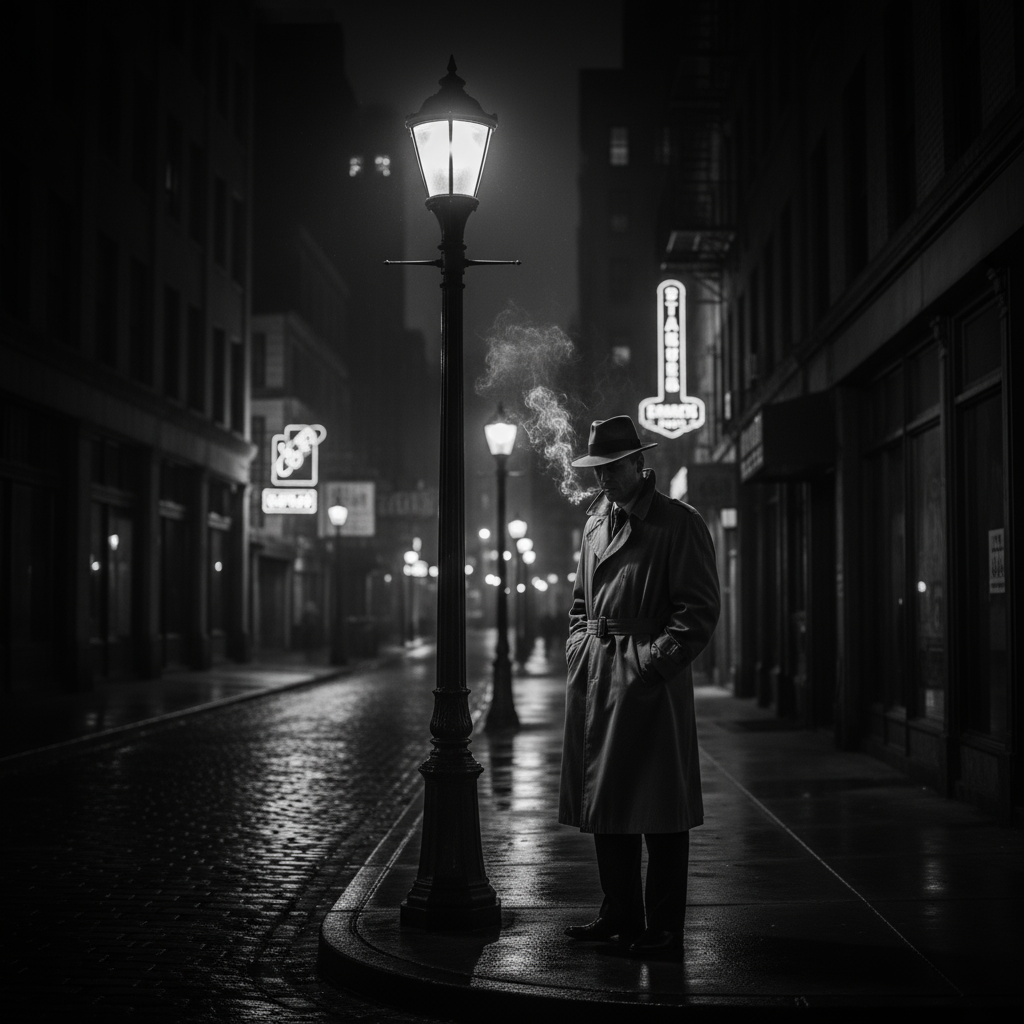
Picture this: shadows dancing across rain-slicked streets, cigarette smoke curling through venetian blinds, and a femme fatale whose smile promises trouble. Welcome to film noir—cinema’s darkest, most seductive genre. These movies didn’t just entertain audiences in the 1940s and 50s; they grabbed viewers by the collar and dragged them into a world where good guys weren’t always good, and bad guys? Well, sometimes they were the most interesting characters in the room.
What makes film noir so special? It’s like looking into a funhouse mirror of post-war America—everything’s familiar yet twisted, reflecting anxieties and vulnerabilities that people were just beginning to understand. When you dive into the essential elements of film noir style, you’ll see why classics like “Double Indemnity” and “The Maltese Falcon” still give modern thrillers a run for their money. (Seriously, try watching “Double Indemnity” and not feeling like you need a cold shower afterward.) And here’s something cool—the psychological complexity that defines noir has fascinating connections to celebrity documentary films that explore the darker sides of fame and human nature.
Let’s rewind to where it all began. The 1940s and 50s weren’t just about post-war optimism—there was a darker undercurrent flowing through American culture. World War II had ended, but it left scars. Enter filmmakers like Billy Wilder and John Huston, who channeled this cultural shift into something extraordinary. They created movies about crime, sure, but also about deception, urban decay, and characters who lived in moral gray areas. Want to understand how they pulled off that signature noir magic? Check out these production techniques of landmark films—it’s fascinating how they used lighting and camera angles to make you feel like you were walking through those shadowy streets yourself.
Now, let’s talk about what makes noir so visually striking. Those stark black-and-white contrasts aren’t just pretty—they’re doing heavy emotional lifting. Every shadow tells a story. Every shaft of light cutting through darkness reveals (or hides) something crucial about our morally ambiguous heroes. These aren’t your typical good-guy-saves-the-day stories. We’re talking about protagonists who make questionable choices and antagonists you might actually root for. The urban landscapes feel almost like additional characters, grimy and unforgiving. It’s no wonder modern audiences still get hooked—there’s something timelessly compelling about stories that don’t tie everything up with a neat bow. Speaking of timeless storytelling, even today’s popular family movies often borrow noir’s archetypal narratives, proving these themes work across all genres.
What You’ll Learn in This Guide
Ready to become a film noir expert? Whether you’re already a movie buff or just curious about what all the fuss is about, this guide will change how you watch these films forever.
- Understanding Film Noir Origins: We’ll explore how the cultural chaos and hope of the 1940s and 1950s birthed this genre, looking at the societal influences and pioneering filmmakers who basically invented a whole new way to tell stories.
- Classic Film Noir Essentials: Get ready to meet the films and directors that built the noir foundation—from “Double Indemnity” to “The Maltese Falcon,” these are the movies that still make filmmakers jealous decades later.
- Modern Film Noir Evolution: See how noir refused to die, instead evolving into neo-noir with films like “Chinatown” and “Blade Runner” that take classic themes and give them a contemporary twist (and sometimes color!).
- Appreciating Noir Today: Learn the insider secrets to watching noir like a pro—how to spot the visual cues, decode the complex themes, and where to find both classic gems and modern masterpieces.
In the pages ahead, we’re going to break down everything that makes film noir tick. First, we’ll dig into those defining elements and classic films that turned noir into a cinematic powerhouse. Then we’ll fast-forward to see how modern filmmakers have reinvented these dark themes for today’s audiences. And because I want you to actually watch these incredible films, I’ll point you toward comprehensive movie guides and streaming resources that’ll help you discover both hidden gems and the big-name classics. This isn’t just about entertainment—it’s about understanding a whole different way of storytelling.
Here’s what really gets me excited about noir: it’s all in the details. Those signature crime narratives with their twisted plots and morally complex characters aren’t just entertaining—they’re masterclasses in storytelling. As we work through this guide together, you’ll start noticing connections everywhere. Even resources like entertainment hit lists showcase how music and storytelling intersect with noir’s dramatic sensibilities, creating cultural ripple effects that are still happening today.
By the time you finish this guide, you won’t just know about film noir—you’ll feel it. You’ll understand why these movies continue to influence filmmakers decades later and why audiences can’t get enough of stories set in those shadowy moral gray areas. Ready to step into the darkness? Trust me, once you do, you’ll never look at movies the same way again.

So we’ve talked about film noir’s timeless appeal—but what makes these movies so damn captivating? Let’s dig into the DNA of this genre. Film noir isn’t just about shadows and cigarette smoke (though there’s plenty of both). It’s a whole universe of moral complexity, stunning visuals, and stories that grab you by the throat and don’t let go. These films emerged from classic Hollywood but dared to be different. They challenged everything audiences thought they knew about heroes, villains, and the thin line between them.
The Definition and Origins of Film Noir
“Black film” or “dark film”—that’s what film noir means, and honestly? Perfect name. This genre exploded onto screens in the 1940s and 1950s, mostly in American cinema, and boy, was the timing everything. Picture this: World War II just ended, soldiers are coming home to a country that feels different, cities are growing fast, and everyone’s wondering what the hell happens next. Film noir captured that anxiety perfectly.
Here’s where it gets interesting. The style didn’t just appear out of nowhere. German Expressionism (think creepy shadows and tilted camera angles) mixed with hard-boiled crime novels to create something entirely new. Those stark contrasts between light and dark? They’re not just pretty to look at—they’re showing you exactly how murky the moral landscape has become. Want to understand how these films were actually made? Check out this guide on classic storytelling and production context. It’ll give you the foundation for appreciating film noir’s unique cinematic language.
But there’s more to the story. America in the 1940s was wrestling with some serious stuff—rapid urbanization, changing social norms, and the psychological aftermath of war. Film noir didn’t just reflect these tensions; it amplified them. These weren’t just movies anymore. They became cultural snapshots of a nation trying to figure itself out. The film noir’s societal impact shows why these films still resonate today—they captured something universal about human nature in uncertain times.
Key Characteristics of Film Noir
Alright, let’s break down what makes film noir… well, film noir. These elements work together like a perfect crime:
- Shadowy, High-Contrast Visuals: Those venetian blind shadows slicing across faces? The way a single streetlight cuts through pitch-black darkness? That’s chiaroscuro lighting, and it’s film noir’s secret weapon for creating tension you can practically taste.
- Themes of Crime and Moral Ambiguity: Forget clear-cut heroes and villains. In film noir, everyone’s got dirty hands. The “good guy” might be taking bribes, the criminal might have a point, and nobody—and I mean nobody—makes purely ethical choices.
- Urban Settings and Nighttime Scenes: These stories live in the city’s dark corners. Rain-slicked streets, neon signs reflecting in puddles, and alleyways where deals go wrong. Daytime? That’s for other genres.
- Complex Characters and Femme Fatales: Meet the femme fatale—beautiful, dangerous, and impossible to read. She might save the hero or destroy him (or both). Meanwhile, the protagonist is usually as flawed as they come. Perfect people don’t belong in film noir.
These pieces fit together to create something magical. You’re not just watching a movie—you’re stepping into a world where nothing is certain except that someone’s going to get burned.
Now here’s what’s really cool: film noir didn’t just fade away when the 1950s ended. Instead, it evolved, adapted, and found new ways to mess with our heads.
Modern Film Noir and Neo-Noir: Evolution and Notable Directors
Film noir refused to die—it just got a makeover. Enter neo-noir, the genre’s rebellious younger sibling. Directors like Ridley Scott and David Fincher took everything that made classic noir compelling and filtered it through modern sensibilities. Same moral complexity, same gorgeous shadows, but now with contemporary anxieties and cutting-edge filmmaking techniques.
Think about it: “Chinatown,” “Blade Runner,” “Se7en”—these films prove that darkness never goes out of style. They tackle modern nightmares like technology run amok, identity crises in the digital age, and ethical dilemmas that would make classic noir detectives’ heads spin. The tools have changed (hello, digital cinematography), but the core remains the same: exploring what happens when ordinary people face extraordinary moral choices. Understanding modern storytelling and directing techniques reveals how today’s filmmakers create that same spine-tingling suspense that made the originals so addictive.
Key Aspects of Modern Film Noir and Neo-Noir
Neo-noir proves that some things never get old—they just get more sophisticated:
- Contemporary Settings and Complex Narratives: Welcome to the modern city, where surveillance cameras watch your every move and moral choices come with digital footprints. These stories layer psychological depth onto already twisted plots.
- Visual Innovation and Stylistic Flair: CGI meets classic lighting techniques. Digital cameras capture shadows the old masters could only dream of. The result? Visuals that honor tradition while pushing boundaries.
- Exploration of Social and Ethical Issues: Privacy, identity, corporate corruption, existential dread—neo-noir tackles the anxieties keeping us awake at night. Same human struggles, updated for the 21st century.
- Distinctive Director Signatures: Each filmmaker brings their own obsessions to the table. Fincher’s meticulous precision, Scott’s epic scope—these personal touches keep the genre fresh and unpredictable.
What makes this evolution so brilliant? Neo-noir respects its roots while fearlessly experimenting. It’s why film noir isn’t just surviving in modern cinema—it’s thriving. Because apparently, we never get tired of stories about people making terrible decisions in beautiful shadows.
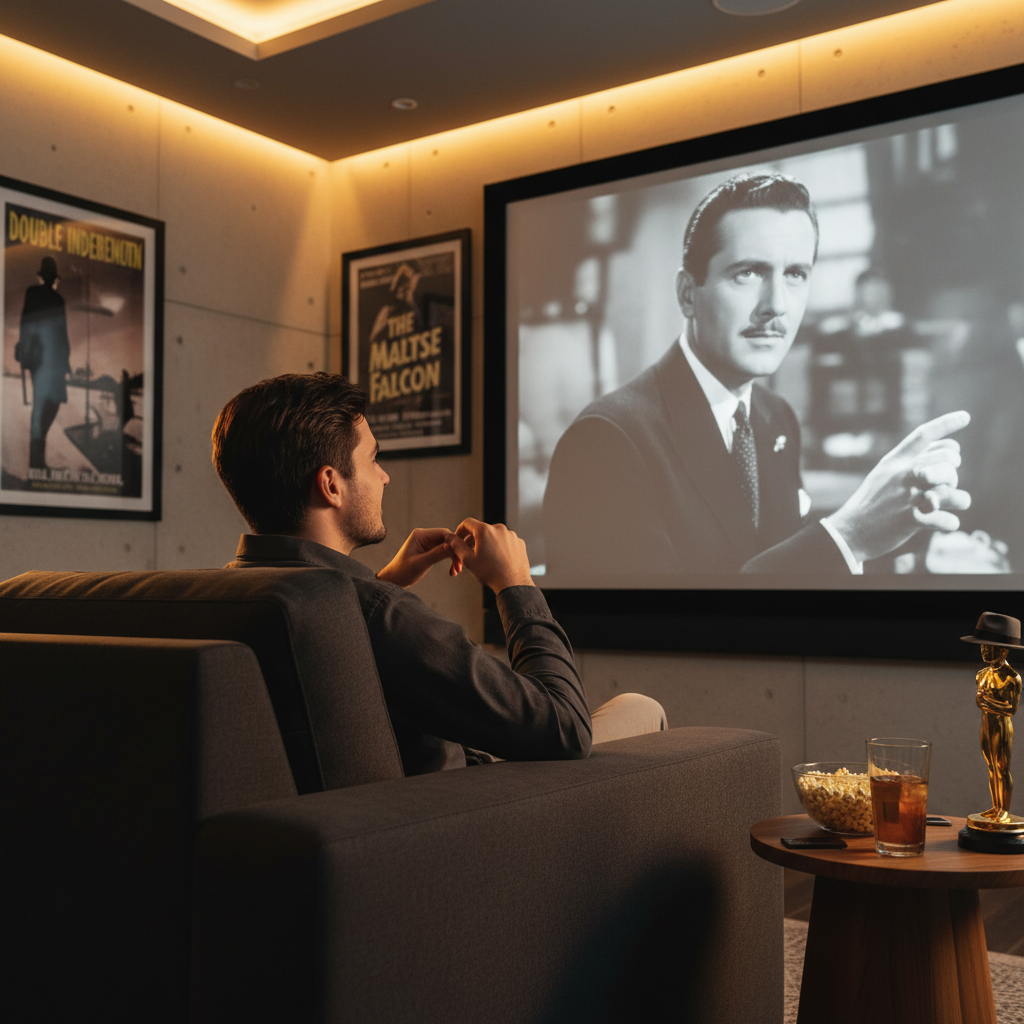
There’s something magnetic about film noir that just won’t let go. Maybe it’s those stark shadows cutting across desperate faces, or the way every character seems to be hiding something dark. Born from the gritty reality of 1940s and 1950s America, noir didn’t just entertain—it held up a mirror to society’s underbelly. Movies like “Double Indemnity,” “The Maltese Falcon,” and “Out of the Past” weren’t just crime stories. They were psychological deep dives into what makes people tick (and what makes them break). Directors like Billy Wilder and John Huston? They knew exactly how to use light and shadow to get under your skin.
Here’s what’s fascinating: noir never really died. It just got a makeover. Enter neo-noir, where filmmakers like Ridley Scott and David Fincher took those classic themes and gave them a modern twist. Think “Chinatown,” “Blade Runner,” “Se7en”—same moral complexity, same urban decay, but with contemporary settings and cutting-edge visuals. The result? Stories that feel both familiar and completely fresh. It’s like meeting an old friend who’s learned some new tricks.
Want to really appreciate what makes these films tick? You’ve got to understand the craft behind them—the way lighting creates mood, how complex characters drive the story, the narrative tricks that keep you guessing. Whether you’re dreaming of making films yourself or just love great cinema, learning the mechanics makes everything more rewarding. If filmmaking sparks your interest, check out practical guides like how to produce a short film and tips on voice acting—they’ll show you how stories move from ideas to screen. And if you’re curious about storytelling’s real-world impact, exploring celebrity documentary films reveals how powerful authentic narratives can be.
Film noir pulls you into worlds where nothing is black and white—only shades of gray. Every choice matters. Every shadow hides a secret. That’s why these stories still captivate us decades later. So go ahead, explore both the classics and their modern descendants. Embrace the complexity, the style, the way these films make you question everything. Your journey into noir’s shadowy world won’t just entertain you—it’ll change how you see stories, characters, and maybe even people. Step into the darkness. You might be surprised by what you find there.
Frequently Asked Questions
-
What defines a film noir movie?
- Film noir is characterized by dark visuals, crime themes, and moral complexity, originating mainly in the 1940s-50s.
-
What are some classic film noir examples?
- Popular classic film noirs include “Double Indemnity,” “The Maltese Falcon,” and “Out of the Past.”
-
How does neo-noir differ from classic noir?
- Neo-noir updates classic noir themes with modern settings, technology, and storytelling techniques.
-
Where can I watch film noir movies?
- Many classic and neo-noir films are available on popular streaming platforms and special film collections.
-
Why are film noir movies still relevant?
- Themes of moral ambiguity and stylish storytelling continue to resonate with modern audiences.