Creed Cast Insights: Actor Interviews & Reviews
The Creed franchise has become a cultural phenomenon, revitalizing the Rocky universe with fresh perspectives and compelling character arcs. Since the first film’s release in 2015, the cast of Creed has captivated audiences worldwide, bringing authenticity and emotional depth to the boxing drama genre. Michael B. Jordan’s portrayal of Adonis “Donnie” Creed, paired with Sylvester Stallone’s mentoring presence as Rocky Balboa, created a dynamic that resonated far beyond typical sports cinema. The ensemble cast—including Tessa Thompson, Wood Harris, and others—has consistently delivered performances that elevate the narrative beyond predictable tropes.
This comprehensive exploration delves into the cast dynamics, behind-the-scenes interviews, critical reception, and the evolution of these characters across multiple films. Understanding the cast of Creed requires examining not just their on-screen chemistry, but also their individual journeys, preparation methods, and the personal stories they brought to their roles. The franchise’s success hinges significantly on casting choices that balanced star power with authentic emotional storytelling, creating a legacy that continues to influence contemporary sports cinema.
Michael B. Jordan: The Heart of Creed
Michael B. Jordan emerged as the franchise’s cornerstone, delivering a career-defining performance as Adonis Creed. His casting was both strategic and transformative—Jordan brought a contemporary sensibility to the protagonist role while honoring the established legacy of the Rocky universe. The actor’s commitment to the character extended far beyond memorizing lines; he underwent rigorous physical training to authentically portray a professional boxer, gaining approximately 40 pounds of muscle for the role.
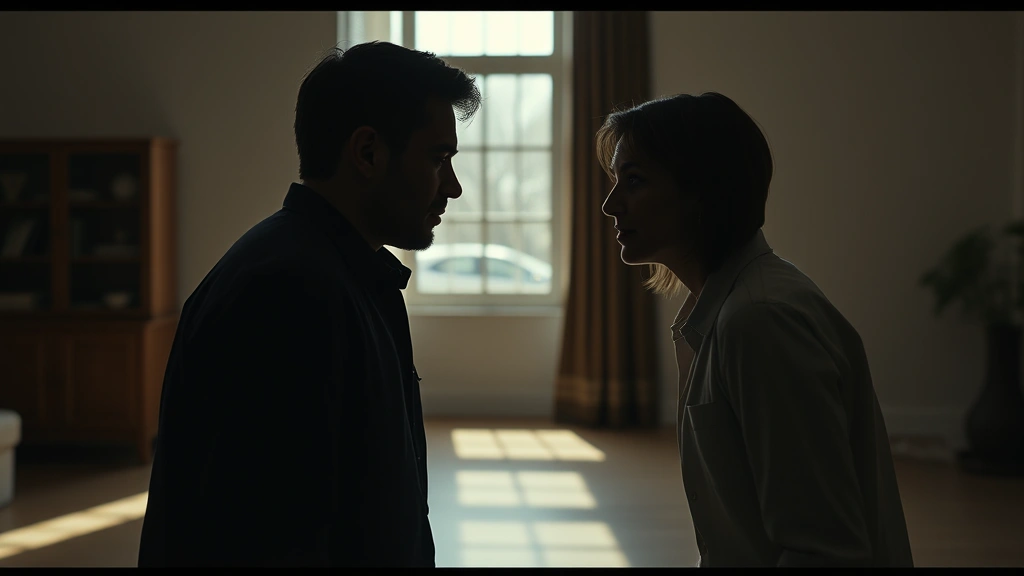
In multiple interviews, Jordan discussed the emotional complexity of playing a character burdened by his father’s legacy—Apollo Creed, the legendary boxer from the original Rocky films. This paternal connection added layers of psychological depth that elevated Creed beyond typical sports drama territory. Jordan’s portrayal captured Adonis’s internal conflict: the desire to forge his own identity while simultaneously carrying the weight of generational expectation. The actor’s nuanced performance in quieter scenes—particularly conversations with Tessa Thompson’s character Bianca—demonstrated his range and commitment to authentic character work.
Jordan’s subsequent appearances in Creed II and Creed III showcased his evolution as both actor and producer. He took on directorial duties for the third installment, marking a significant career milestone. This progression reflected the cast’s growing investment in the franchise’s narrative direction, moving beyond hired performers to creative stakeholders shaping the story’s trajectory.
Sylvester Stallone’s Rocky Legacy Continuation
Sylvester Stallone’s return as Rocky Balboa in Creed represented a masterclass in legacy continuation. Rather than resting on his original franchise’s laurels, Stallone crafted a mentor character that felt earned, weathered, and deeply human. His Rocky—now aging, cancer-stricken, and retired from boxing—provided emotional gravitas that grounded the film’s narrative. Stallone’s performance earned him widespread critical acclaim, including an Academy Award nomination for Best Supporting Actor, validating his interpretation of the character in a new era.
The actor’s interviews revealed his thoughtful approach to the role. Stallone emphasized that Creed wasn’t about Rocky reclaiming glory; instead, it explored mortality, legacy, and the responsibility of passing wisdom to the next generation. This thematic shift distinguished the film from typical franchise sequels. Stallone’s chemistry with Jordan felt authentic—part coach-student relationship, part father-son dynamic—creating emotional beats that resonated with audiences across demographics.
Stallone’s involvement declined in subsequent sequels, with his final appearance in Creed III being brief and symbolic. This graceful exit allowed Jordan’s character to fully assume the protagonist mantle while honoring Stallone’s foundational contribution. The casting decision to gradually phase out the original franchise star demonstrated mature storytelling choices, prioritizing narrative coherence over nostalgia-driven cameos.
Supporting Cast Excellence
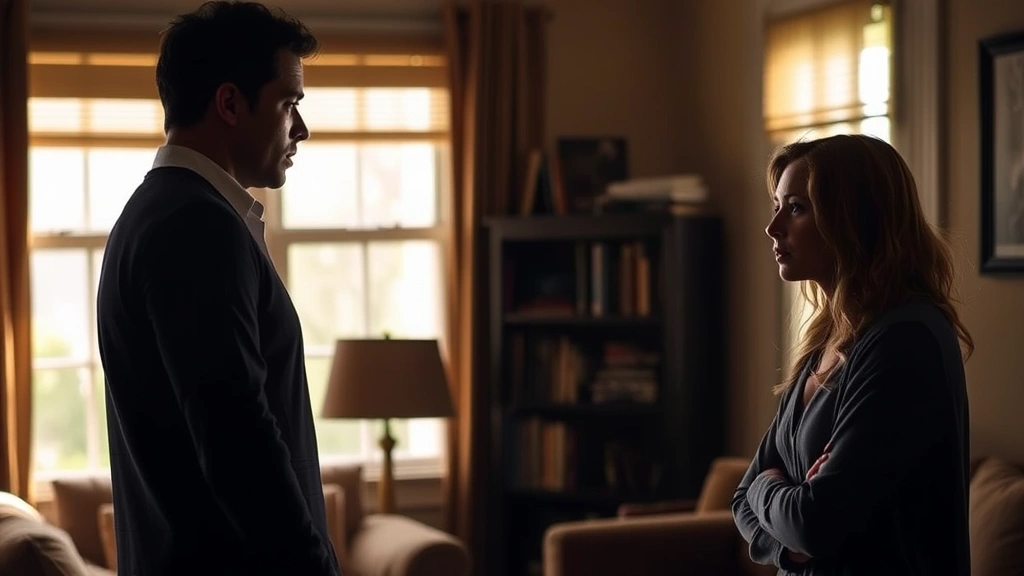
The supporting cast of the Creed franchise deserves substantial recognition for elevating ensemble performances. Tessa Thompson, as Bianca, delivered a breakout role that transcended typical romantic interest stereotypes. Her character—a hearing-impaired musician with her own artistic ambitions—existed as a fully realized person rather than a plot device. Thompson’s nuanced portrayal of vulnerability and strength created genuine emotional stakes in Adonis’s personal journey.
Wood Harris portrayed Donnie’s stepfather, Dante “Dame” Julian, bringing gravitas and complexity to a role that could have been one-dimensional. Harris’s performance captured the frustration of a man trying to protect someone from self-destructive impulses, grounding the film’s emotional core in family dynamics beyond the boxing ring. His scenes with Jordan crackled with tension that felt earned rather than manufactured.
Other notable cast members included:
- Phylicia Rashad as Mary Anne Creed, bringing maternal warmth and strength to Adonis’s family foundation
- Tony Bellew as “Pretty” Ricky Conlan, delivering an antagonist with surprising depth and motivation
- Jonathan Majors in Creed III, bringing charismatic menace as rival boxer Damian Anderson
- Muthoni Drummer Knight as Amara, adding emotional complexity to Adonis’s personal life
The franchise’s casting strategy emphasized hiring actors capable of delivering layered performances rather than relying solely on name recognition. This approach created an ensemble that elevated the entire production, making supporting roles feel consequential rather than perfunctory.
Cast Chemistry and On-Set Dynamics
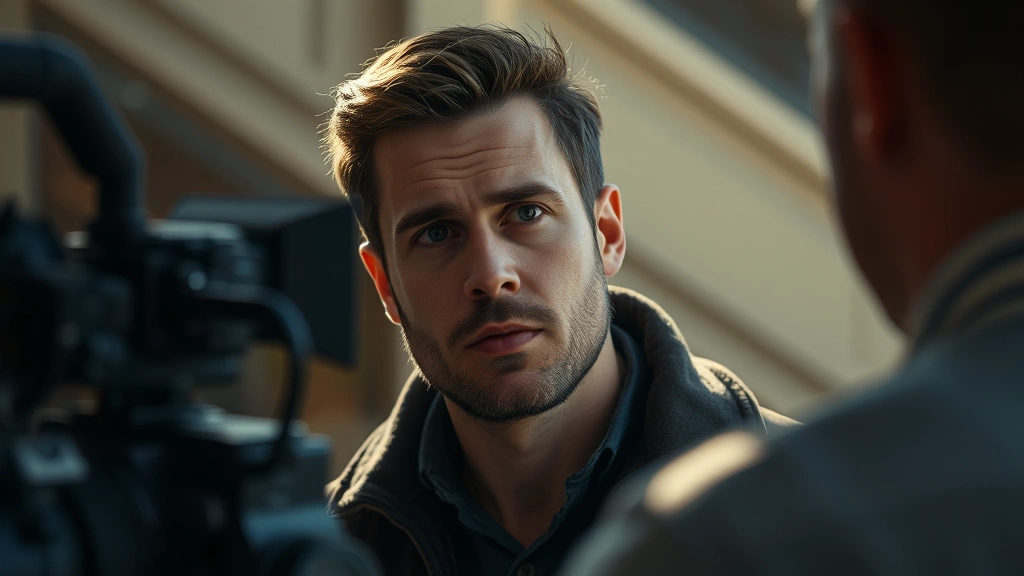
Behind-the-scenes accounts revealed genuine camaraderie among the cast of Creed. Director Ryan Coogler fostered an environment where actors felt empowered to collaborate and improvise within their scenes. Jordan and Thompson’s chemistry developed naturally through rehearsal sessions where they explored their characters’ emotional vulnerabilities. Multiple interviews highlighted how Thompson’s hearing impairment, which she incorporated into her character’s portrayal, created authentic representation that resonated with deaf and hard-of-hearing audiences.
Stallone’s mentorship extended beyond his character’s role. The veteran actor reportedly offered guidance to Jordan about navigating franchise expectations and maintaining creative integrity. This real-world mentor-student dynamic mirrored the on-screen relationship, creating synergy between performance and interpersonal reality. Cast members frequently praised Stallone’s professionalism and generosity, noting his commitment to making the younger actors shine rather than hoarding screen time.
The boxing training sequences created natural bonding opportunities. Cast members worked together with professional trainers, building the physical literacy necessary for convincing fight choreography. This shared physical challenge fostered genuine connections that translated into more authentic emotional scenes. The cast’s willingness to engage in demanding physical work earned respect from audiences who recognized the authenticity of their performances.
Interview Insights and Character Development
Extensive cast interviews revealed the thoughtful approach to character development across the franchise. In conversations with major media outlets, Jordan discussed how he consulted with professional boxers to understand the sport’s mental dimensions—not just physical techniques. He emphasized that Creed explored boxing as metaphor for personal struggle, making the sport’s technical aspects secondary to emotional authenticity.
Thompson’s interviews highlighted her commitment to authentic representation. She worked extensively with deaf consultants to ensure her portrayal of Bianca avoided stereotypical depictions while celebrating deaf culture. Her character’s storyline—pursuing music despite hearing loss—challenged conventional narratives about disability, presenting it as a characteristic rather than a limitation. This thoughtful representation earned praise from disability advocacy organizations and contributed to the franchise’s cultural significance.
Director Ryan Coogler’s interviews provided context for casting decisions. He emphasized selecting actors capable of bringing complexity to every role, regardless of screen time. Coogler’s vision transformed Creed from potential cash-grab sequel into genuine artistic endeavor, attracting serious actors committed to meaningful work. This directorial clarity influenced casting choices that prioritized character depth over marketability.
The cast’s interviews across press tours revealed evolving perspectives on their characters. Jordan’s reflections on playing Adonis shifted subtly between films—from youthful determination in the first Creed to seasoned champion consciousness in later installments. These interviews documented not just promotional obligations but genuine artistic growth and character evolution.
Critical Reception of Cast Performances
The cast of Creed received widespread critical acclaim, with particular praise for ensemble work rather than individual star performances. Major film critics highlighted how the ensemble elevated predictable sports movie formulas into something more emotionally resonant. Rotten Tomatoes aggregations reflected strong critical consensus about the cast’s authenticity and commitment.
Michael B. Jordan’s performance earned Golden Globe nominations and widespread recognition as a breakthrough role. Critics praised his ability to convey vulnerability without sacrificing masculinity, challenging conventional action hero archetypes. His work in quieter, dialogue-heavy scenes received particular commendation, demonstrating range beyond physical performance.
Sylvester Stallone’s Academy Award nomination for Best Supporting Actor legitimized the franchise as serious cinema. Major publications like Variety and The Hollywood Reporter recognized his nuanced portrayal of aging mortality and mentorship. This recognition elevated the entire franchise’s critical profile, distinguishing it from typical sequels.
Tessa Thompson’s performance as Bianca earned particular praise for breaking stereotypical love interest casting. Critics highlighted how her character possessed independent agency, artistic ambition, and emotional complexity. Her portrayal of hearing-impaired representation received specific commendation from cultural critics and disability advocacy organizations, establishing the character as culturally significant.
Jonathan Majors’s entry into the franchise in Creed III received mixed critical response, with reviewers praising his charisma while debating character motivation. His performance demonstrated the franchise’s commitment to casting rising talent rather than recycling established names. This approach maintained the series’ vitality and prevented creative stagnation.
Training and Physical Preparation
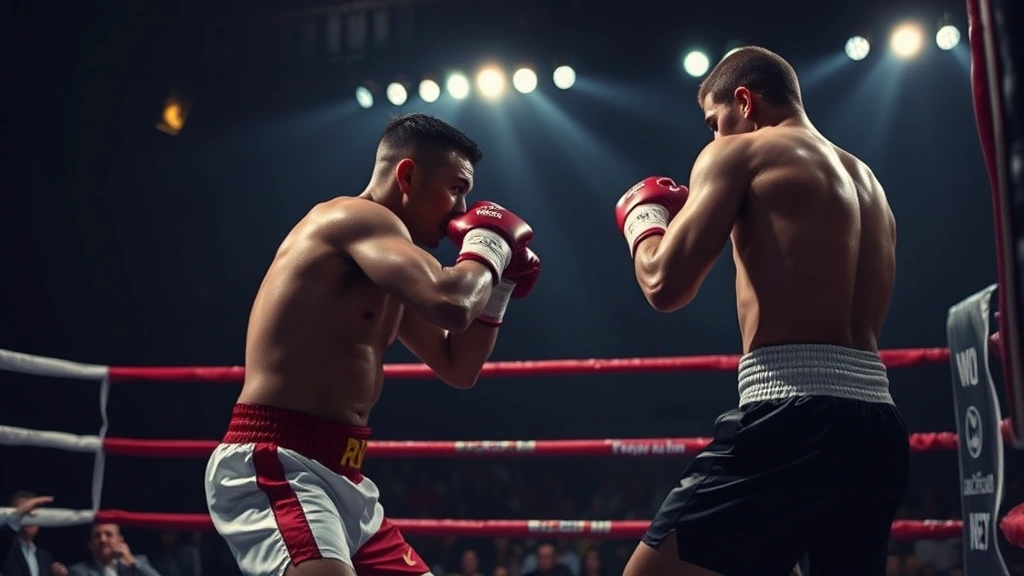
The cast’s physical preparation represented a crucial component of their performances. Unlike typical action films where stunt doubles handle demanding sequences, Creed demanded that principal actors demonstrate genuine boxing competency. Jordan’s training regimen included working with professional boxers, learning authentic footwork, combinations, and ring psychology. This preparation allowed him to perform extensive fight choreography without obvious stunt doubling, creating visual authenticity that audiences recognized subconsciously.
The franchise’s commitment to authentic boxing sequences influenced casting decisions. Producers prioritized actors willing to undergo months of intensive training rather than hiring established stars unwilling to invest in physical preparation. This philosophy meant the cast of Creed consisted of actors genuinely committed to their roles beyond contractual obligations.
Thompson’s training extended beyond boxing, incorporating movement work that reflected her character’s professional dance background. Her physical literacy—developed through years of actual movement training—brought authenticity to scenes where Bianca moved through space with musician’s awareness. This attention to physical detail across the entire ensemble elevated the film’s overall credibility.
The training process created bonding experiences that influenced on-set chemistry. Cast members faced shared physical challenges, building camaraderie that translated into more authentic emotional performances. Multiple cast interviews referenced their training experiences as foundational to understanding their characters’ perspectives and struggles.
FAQ
Who plays Adonis Creed in the Creed franchise?
Michael B. Jordan plays Adonis “Donnie” Creed throughout the franchise, from the 2015 original film through subsequent sequels. Jordan’s performance evolved from the determined underdog in the first film to seasoned champion in later installments, showcasing significant character development across the series.
Does Sylvester Stallone appear in all Creed films?
Sylvester Stallone appears prominently in the first two Creed films as Rocky Balboa, earning an Academy Award nomination for his role in the original. His presence diminishes significantly in Creed III, with only a brief appearance that allows Michael B. Jordan’s character to fully assume the protagonist mantle.
What is Tessa Thompson’s character in Creed?
Tessa Thompson plays Bianca, a hearing-impaired musician and Adonis’s love interest. Her character transcends typical romantic roles, possessing independent artistic ambitions and emotional complexity. Thompson’s portrayal earned significant critical acclaim for breaking stereotypical casting patterns and providing authentic deaf representation.
How did the cast prepare for boxing scenes?
The cast of Creed underwent extensive physical training with professional boxers, learning authentic techniques and ring psychology. Rather than relying on stunt doubles, principal actors developed genuine boxing competency, allowing them to perform much of the fight choreography themselves. This commitment to authenticity significantly enhanced the films’ credibility.
Who directed the Creed films?
Ryan Coogler directed the first Creed film, establishing the franchise’s artistic direction and casting philosophy. Steven Caple Jr. directed Creed II, and Michael B. Jordan directed Creed III, marking the actor’s transition into directorial roles and increasing creative control over the franchise’s narrative direction.
Where can I watch Creed movies?
The Creed franchise is available on various streaming platforms. Check our guides on best movies on Netflix and best movies on Apple TV for current availability, as streaming rights vary by region and change periodically.
What makes the Creed cast special compared to other sports films?
The cast of Creed distinguished itself through commitment to authentic physical preparation, willingness to explore emotional complexity, and ensemble work that elevated supporting roles beyond typical sports movie archetypes. Rather than relying on star power alone, the franchise cast actors capable of delivering layered performances that transcended genre expectations. This approach created a legacy that influenced contemporary sports cinema.