Chasing Secrets: A Must-Watch Thriller Review
In an era where streaming platforms overflow with derivative spy thrillers and predictable mystery narratives, Chasing Secrets emerges as a refreshingly intelligent entry into the genre. This film transcends conventional thriller mechanics by weaving together intricate plotting, morally ambiguous characters, and a narrative structure that challenges viewers to question their own assumptions about truth and deception. The movie doesn’t merely chase surface-level secrets—it excavates the psychological foundations of why people lie, what they protect, and the devastating consequences when those protective walls crumble.
The brilliance of Chasing Secrets lies in its refusal to offer easy answers. Rather than presenting a straightforward cat-and-mouse game between protagonist and antagonist, the film constructs a labyrinthine narrative where every character harbors their own hidden agenda. This complexity, paired with exceptional cinematography and a haunting score, creates an immersive experience that lingers long after the credits roll. For those seeking something beyond the typical Netflix thriller formula, this film demands your attention.
Plot Analysis and Narrative Structure
Chasing Secrets opens with a seemingly straightforward premise: a seasoned investigative journalist receives an anonymous tip about government corruption. What unfolds, however, is far more intricate than a simple expose narrative. The film employs a non-linear storytelling approach, fragmenting the timeline across multiple timelines and perspectives. This structural choice initially disorients viewers, but by the film’s climax, every fragment clicks into place with remarkable precision.
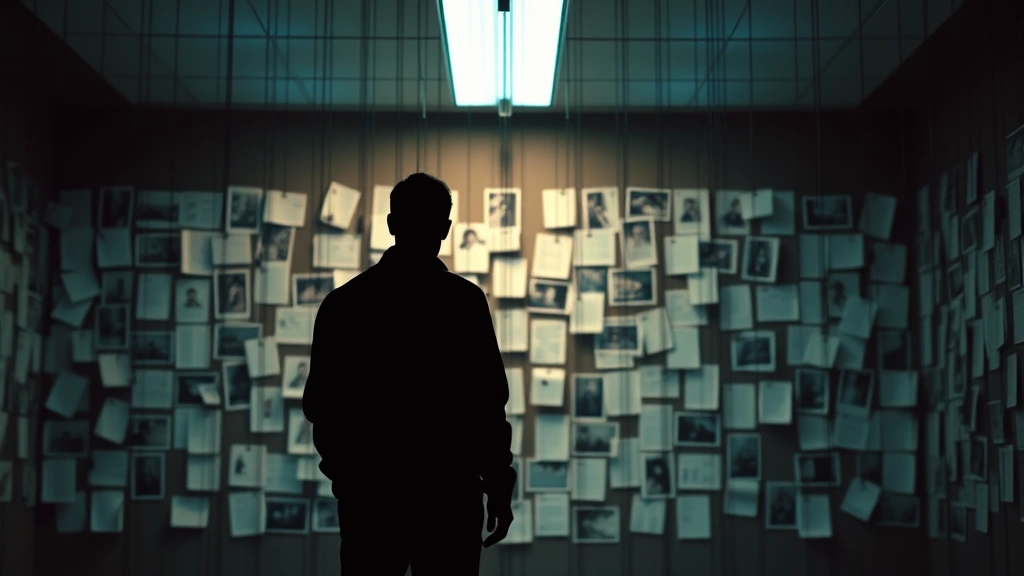
The screenplay masterfully constructs red herrings without feeling manipulative. Each false lead serves a narrative purpose, revealing character motivations and thematic concerns rather than simply padding runtime. The central secret—what everyone is chasing—transforms throughout the film. What begins as a political scandal evolves into a deeply personal family tragedy, then expands once more into something far more sinister. This evolution prevents the narrative from becoming stale or predictable.
The pacing deserves particular commendation. Rather than relying on action sequences or cheap jump scares, the film builds tension through dialogue, visual composition, and strategic information reveals. Scenes that might feel static in lesser hands become unbearably tense here. A conversation in a parking garage becomes as gripping as any car chase, primarily because the stakes—both external and internal—feel genuinely dire.
For those interested in understanding how effective thriller construction works, the best movie review sites often highlight narrative architecture as crucial to genre success. Chasing Secrets exemplifies this principle flawlessly.
Character Study: Moral Ambiguity
The film’s greatest strength lies in its refusal to present morally binary characters. The protagonist isn’t a noble truth-seeker but a damaged individual driven by personal trauma and professional ambition in equal measure. Supporting characters exist in various shades of gray—some ostensibly antagonistic figures reveal themselves as tragic victims, while seemingly sympathetic characters harbor dangerous secrets of their own.
This moral complexity reflects real-world complexity far more accurately than typical thriller narratives. People don’t act based on simple good-versus-evil frameworks but rather navigate competing loyalties, self-preservation instincts, and competing moral systems. Chasing Secrets trusts its audience to engage with this nuance without requiring clear heroes and villains.
The supporting cast particularly excels at portraying characters caught between loyalty and conscience. A police detective must choose between departmental loyalty and personal integrity. A family member must decide whether protecting loved ones justifies concealing truth. These dilemmas feel earned rather than contrived, grounded in the specific circumstances the narrative establishes.

Cinematography and Visual Storytelling
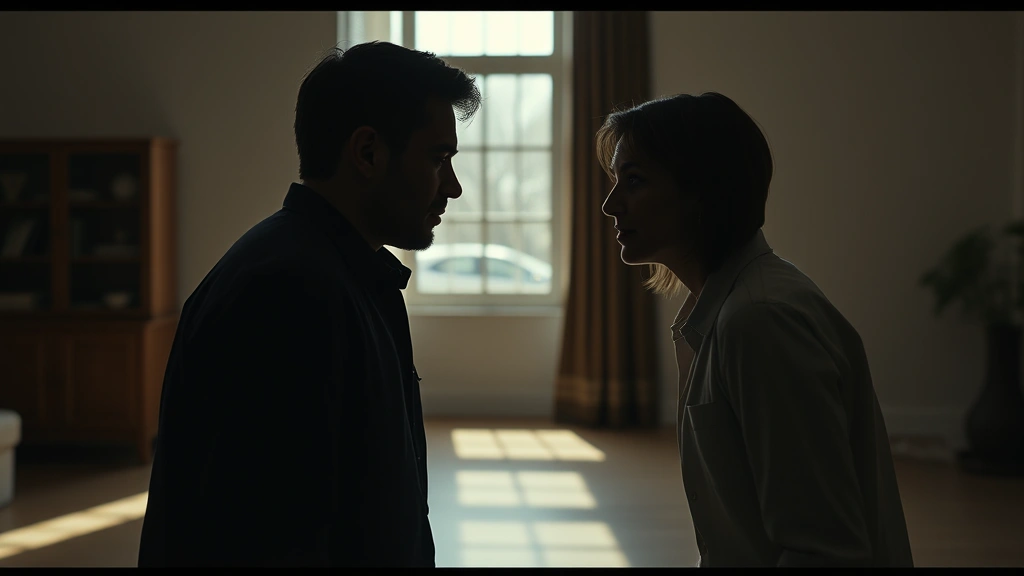
Director of photography work here demonstrates how visual language can communicate subtext without exposition. The film employs cool color palettes—grays, blues, silvers—that reinforce themes of emotional coldness and hidden depths. Lighting often obscures faces partially, literally visualizing how characters conceal their true selves from one another.
Camera movement remains deliberately restrained. Rather than flashy techniques, the cinematography employs static shots and slow tracking movements that create psychological discomfort. When the camera does move rapidly, these moments carry disproportionate weight, signaling narrative importance. This restraint reflects the film’s broader philosophical approach: less is more, and what remains hidden often matters more than what’s revealed.
The production design similarly supports thematic concerns. Locations feel deliberately sterile—corporate offices, government buildings, anonymous hotel rooms. This aesthetic choice emphasizes how institutional systems create environments where deception flourishes and human connection withers. Even intimate scenes set in homes feel cold, suggesting emotional distance between characters despite physical proximity.
Interested in understanding how visual language functions in contemporary cinema? Exploring Screen Vibe Daily Blog often features detailed analysis of cinematographic choices and their narrative implications.
Performances That Elevate the Material
The cast delivers performances of remarkable subtlety. The lead actor navigates the complex emotional terrain of their character—wounded yet dangerous, sympathetic yet potentially unreliable—with impressive nuance. Rather than playing obvious emotional beats, they suggest internal turmoil through minimal physical gestures and carefully modulated vocal delivery. A slight hesitation before answering a question communicates doubt; a held gaze suggests recognition of shared complicity.
The supporting cast matches this intensity. A veteran character actor portrays a government official with apparent confidence masking deep anxiety. Their scenes crackle with tension because we sense the character calculating what to reveal and conceal in real-time. Another actor playing a family member brings genuine pathos to what could have been a one-note victim role, creating a character whose emotional journey parallels the protagonist’s arc in surprising ways.
Chemistry between leads feels authentically strained—they share history, attraction, and mutual distrust simultaneously. Rather than resolving into conventional romance or antagonism, their relationship remains complicated throughout, reflecting how real people often relate to those who’ve hurt them deeply.
Thematic Depth and Social Commentary
Chasing Secrets operates on multiple thematic levels. On the surface, it examines institutional corruption and governmental accountability. Deeper examination reveals meditation on how trauma shapes perception and decision-making. Most profoundly, the film interrogates the nature of truth itself—whether objective truth exists, whether pursuing it always proves worthwhile, and what costs accompany revelation.
The film’s treatment of information and its dissemination feels particularly relevant in contemporary media landscapes. How do we evaluate claims? What evidence do we trust? How do personal biases shape interpretation of facts? These questions resonate beyond the film’s narrative into viewers’ actual lives, particularly given contemporary debates about misinformation and epistemological uncertainty.
Recent research on media literacy and trust in institutions provides context for understanding why Chasing Secrets resonates so powerfully. According to Pew Research Center studies, public trust in media and institutions has declined significantly, making narratives exploring institutional opacity and information manipulation particularly timely. The film taps into genuine contemporary anxieties about who controls information and whose interests such control serves.
The film also explores how institutional systems perpetuate themselves through complicity and shared investment in maintaining official narratives. Characters who might otherwise act ethically remain silent because speaking truth threatens their careers, relationships, and sense of self. This systemic dimension elevates the narrative beyond individual moral failing into examination of structural corruption.
How It Compares to Modern Thrillers
Contemporary thriller cinema often prioritizes spectacle over substance, employing elaborate action sequences and plot twists designed to generate social media discussion. Chasing Secrets represents a different approach—one valuing psychological complexity and thematic resonance over manufactured shock value.
Compared to typical best movies on Netflix, which often sacrifice character development for plot momentum, Chasing Secrets invests substantially in understanding why characters behave as they do. The film trusts viewers to maintain engagement through character and thematic investment rather than constant plot momentum.
Yet the film isn’t slow or boring—it maintains consistent tension through intelligent pacing and strategic information reveals. It proves that psychological tension can rival action-based excitement when executed with skill. The climactic sequences generate genuine stakes not through elaborate choreography but through emotional investment in character outcomes.
The film also compares favorably to other recent intelligent thrillers in its refusal toward easy resolution. The ending doesn’t wrap everything neatly or provide complete closure. Instead, it offers a resolution that feels earned and true to character while leaving certain questions unanswered. This approach respects audience intelligence and reflects how real life rarely provides definitive answers.
For those interested in understanding how contemporary thrillers function as cultural texts, Hollywood Reporter frequently publishes analysis of genre trends and their relationship to broader cultural anxieties. Chasing Secrets exemplifies how genre films can engage seriously with contemporary concerns.
The film’s approach to gender and power also distinguishes it from conventional thrillers. Female characters possess agency and complexity rather than functioning as supporting players or romantic interests. They make morally questionable choices, demonstrate competence in dangerous situations, and pursue their own agendas independent of male characters. This representation feels progressive without becoming didactic or sacrificing narrative authenticity.
When considering how to become a film critic, understanding how films like Chasing Secrets represent significant evolution in genre conventions becomes essential. The film demonstrates how genre filmmaking can be both commercially viable and artistically ambitious.
FAQ
Is Chasing Secrets appropriate for all audiences?
The film contains adult themes including violence, sexual content, and psychological manipulation. It carries an R rating and proves most appropriate for mature audiences comfortable with morally complex narratives and unsettling psychological content. Parents should review content warnings before allowing younger viewers to watch.
Does the film require prior knowledge of the actors or director?
No prior knowledge proves necessary. The film stands independently without requiring familiarity with the cast or director’s previous work. However, appreciating the performances benefits from understanding how effectively the actors convey subtext through minimal physical expression.
What makes Chasing Secrets different from other spy thrillers?
Chasing Secrets prioritizes psychological complexity and thematic depth over plot mechanics and action sequences. Rather than presenting clear heroes and villains, it explores moral ambiguity and institutional corruption. The non-linear narrative structure and refusal toward easy resolution distinguish it from conventional genre entries.
Does the film explain everything clearly?
The film deliberately maintains some mystery and ambiguity. While the central plot resolves satisfyingly, certain character motivations and details remain deliberately opaque. This approach reflects the film’s thematic concerns with truth’s elusiveness and perception’s unreliability.
Where can I watch Chasing Secrets?
Availability varies by region and changes regularly. Check Movies HD for current streaming options, or consult JustWatch for comprehensive platform availability in your location.
Is there a sequel planned?
No official sequel announcements exist currently. The film’s narrative reaches sufficient closure that additional installments seem unnecessary, though the thematic material could support expansion into different contexts or character perspectives.