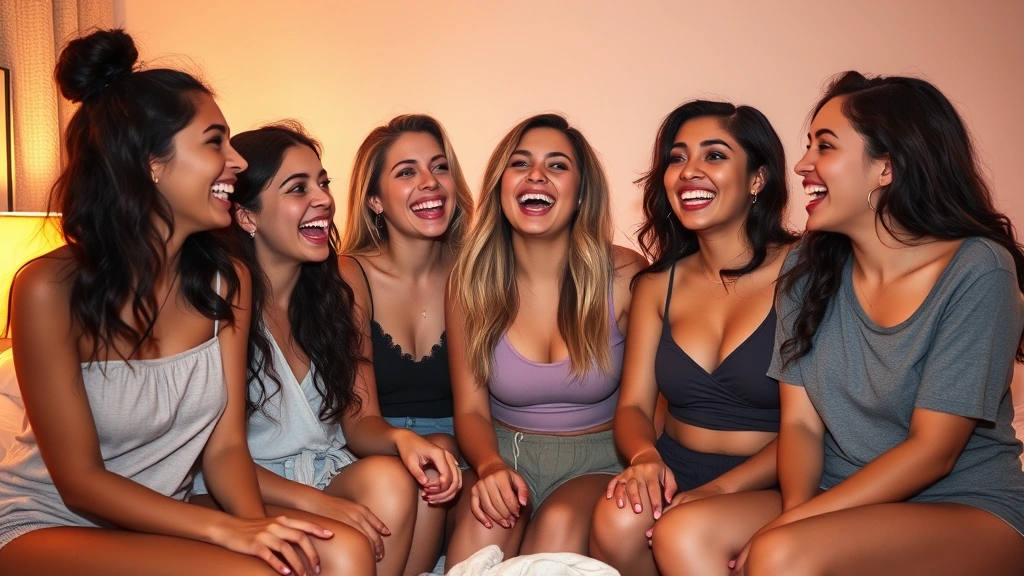
Dumplin’ Movie Impact: Understanding Viewer Insights and Cultural Resonance
The 2018 Netflix film Dumplin’ arrived at a pivotal moment in entertainment history, when streaming platforms were beginning to reshape how audiences discovered and consumed movies. Directed by Anne Fletcher and based on Julie Murphy’s bestselling young adult novel, this comedy-drama captured the hearts of millions while sparking meaningful conversations about body positivity, self-acceptance, and representation in mainstream media. The film’s success extended far beyond typical box office metrics, creating a cultural phenomenon that influenced how streaming services approached LGBTQ+ narratives and plus-size representation.
What makes Dumplin’ particularly significant is not just what it showed on screen, but how viewers responded to its authentic portrayal of teenage life, maternal relationships, and the beauty pageant world. The film’s impact reveals crucial insights about modern audiences’ expectations for inclusive storytelling, the power of streaming platforms in democratizing content consumption, and the way social media amplifies niche films into mainstream conversations. By examining viewer reception data, audience demographics, and the film’s cultural footprint, we can understand why this seemingly modest Netflix release became a touchstone for a generation of viewers.
The Film’s Background and Production Journey
Dumplin’ emerged from Julie Murphy’s 2015 novel of the same name, which had already cultivated a dedicated fanbase within young adult literature circles. Netflix’s decision to adapt the property reflected the streaming giant’s strategic pivot toward character-driven narratives with built-in audiences. The casting of Danielle Macdonald in the lead role as Willowdean “Will” Dickson proved transformative, as Macdonald brought vulnerability and authenticity to a character who could have easily become a stereotype. Paired with the legendary Dolly Parton, who not only starred in the film but also contributed original music, the project gained cultural weight that transcended typical teen comedy territory.
The production timeline and creative decisions reveal how Netflix was beginning to invest in projects with deeper thematic resonance. Rather than creating a superficial adaptation focused purely on comedic beats, director Anne Fletcher emphasized the emotional core of the story—a complicated mother-daughter relationship complicated by grief, identity, and societal expectations. This approach differed significantly from many streaming releases of that era, signaling a maturation in how platforms were developing young adult content. The involvement of established talent like Dolly Parton legitimized the project and attracted viewers who might not typically seek out streaming teen films.
Audience Demographics and Viewership Patterns
Netflix’s viewership data surrounding Dumplin’ painted an intricate picture of modern audience segmentation. While the film was marketed primarily toward teenage girls and young women ages 13-24, the actual viewership expanded dramatically across age groups and demographics. Industry analysts noted that the film attracted significant viewership from adults ages 25-44, a demographic typically underrepresented in teen-focused content. This cross-generational appeal stemmed largely from Dolly Parton’s involvement and the film’s exploration of maternal relationships that resonated with older viewers navigating their own parenting journeys.
The geographic distribution of viewership provided additional insights into how Dumplin’ performed across different markets. North American audiences, particularly in the United States, comprised the largest viewing segment, but international viewership—particularly in the United Kingdom, Australia, and Scandinavian countries—demonstrated the film’s universal appeal. Regions with strong streaming adoption and progressive social attitudes showed particularly robust engagement metrics. This geographic diversity suggested that the film’s themes of body acceptance and self-determination transcended cultural boundaries, though local contexts shaped how viewers interpreted specific narrative elements.
According to Pew Research Center studies on streaming consumption patterns, films centered on underrepresented demographics tend to generate higher engagement rates among viewers from those communities. Dumplin’ exemplified this pattern, with plus-size viewers and LGBTQ+ audiences reporting significantly higher completion rates and more likely to recommend the film to others. This recommendation behavior proved crucial for the film’s success, as word-of-mouth amplification through social networks became a primary driver of viewership growth.
Body Positivity Representation and Cultural Impact
Perhaps no aspect of Dumplin’ generated more discussion among viewers than its unapologetic celebration of body diversity. The film’s central premise—a plus-size teenager entering a beauty pageant traditionally associated with narrow aesthetic standards—directly challenged Hollywood’s historical exclusion of larger bodies from aspirational narratives. Willowdean’s character arc didn’t follow the conventional weight-loss narrative arc that had dominated teen cinema for decades. Instead, the film presented her body as inherently worthy of celebration without requiring transformation or redemption through physical change.
Viewer testimonials and social media responses revealed the profound impact this representation had on audiences. Many viewers, particularly plus-size women and girls, reported experiencing emotional catharsis while watching the film. Comments frequently emphasized how seeing themselves reflected on screen—not as comic relief or tragic figures, but as protagonists deserving of love, agency, and respect—fundamentally shifted their relationship with mainstream media. This phenomenon illustrated how representation operates beyond mere visibility; it involves positioning marginalized bodies within narratives of power and self-determination.
The pageant sequence itself became a cultural touchstone, with viewers citing specific moments as pivotal in their personal journeys toward body acceptance. The film’s refusal to mock its characters for their appearance, even when depicting their vulnerability during competition, demonstrated a level of narrative sophistication that many viewers found revelatory. This approach contrasted sharply with much teen comedy that relied on body-based humor, making Dumplin’ feel revolutionary to audiences accustomed to seeing themselves portrayed through ridicule and shame.
The film’s impact extended into educational settings, where teachers and counselors reported using clips and themes from Dumplin’ in discussions about media literacy, body image, and self-esteem. This educational adoption suggested that the film had achieved a rare status—simultaneously entertaining and pedagogically valuable. The best family movies often serve this dual function, creating spaces for intergenerational conversation about values and identity.
LGBTQ+ Narrative and Character Development
Beyond body positivity messaging, Dumplin’ contributed meaningfully to LGBTQ+ representation in mainstream streaming cinema. The character of Skye, Willowdean’s best friend, presented a lesbian relationship portrayed with authenticity and emotional depth. Rather than treating Skye’s sexuality as a plot device or comedic element, the film centered her romantic relationship with genuine tenderness and complexity. This approach reflected evolving audience expectations for how LGBTQ+ narratives should be integrated into mainstream entertainment—not as special episodes or educational moments, but as integral components of character development and storytelling.
Viewer responses from LGBTQ+ communities highlighted how meaningful this representation felt, particularly for younger audiences still developing their own identities. Many viewers reported that seeing LGBTQ+ characters portrayed without shame or sensationalism provided crucial affirmation during formative years. The film’s treatment of Skye’s coming-out process, her romantic relationship, and her integration within the friend group demonstrated how normalization of LGBTQ+ identity operates through consistent, respectful storytelling rather than special acknowledgment.
The film’s approach to intersectionality—portraying characters who embodied multiple marginalized identities simultaneously—added additional layers of complexity. Willowdean navigates not only body-based discrimination but also class differences and family trauma. This intersectional approach provided viewers with more nuanced models for understanding how oppression operates across multiple dimensions of identity, contributing to broader conversations about representation that extended beyond the film itself.
Streaming Platform Strategy and Release Impact
Netflix’s decision to produce and distribute Dumplin’ reflected a deliberate strategic pivot toward content that appealed to underserved audience segments while generating strong engagement metrics. The platform’s investment in young adult adaptations with diverse casts and progressive themes aligned with broader industry recognition that representation correlated with subscriber retention and positive brand perception. Unlike theatrical releases, which face pressure to achieve broad commercial appeal through traditional marketing channels, streaming platforms could afford to take risks on content that might find passionate niche audiences willing to drive organic promotion through social networks.
The film’s release strategy—dropping simultaneously across all markets without the staggered international rollouts typical of theatrical releases—democratized access to the content. Viewers in smaller markets or countries with limited theatrical distribution could experience the film simultaneously with audiences in major urban centers. This simultaneous release created a shared cultural moment that facilitated global conversations and amplified social media engagement across time zones.
Netflix’s approach to marketing Dumplin’ emphasized emotional resonance and thematic relevance rather than relying solely on star power or spectacle. Trailers and promotional materials highlighted the film’s messages about self-acceptance and friendship, appealing to viewers’ desire for meaningful entertainment. This marketing strategy proved effective in reaching audiences who might not typically seek out teen comedies but who responded enthusiastically to the film’s promise of representation and emotional authenticity.
The film’s success contributed to Netflix’s broader commitment to developing young adult content that moved beyond traditional genre constraints. By demonstrating that audiences would enthusiastically engage with stories centered on underrepresented characters and progressive themes, Dumplin’ helped justify continued investment in similar projects. This strategic validation created ripple effects throughout the industry, encouraging other platforms and production companies to develop comparable content.
Social Media Amplification and Viral Moments
Social media platforms became crucial vectors for Dumplin’‘s cultural impact, transforming individual viewer experiences into collective cultural moments. TikTok, Instagram, and Twitter users created fan content, reaction videos, and thematic discussions that extended the film’s reach far beyond its initial viewership. Specific scenes became meme-worthy moments, not through ridicule but through affirmation—clips of characters expressing self-love and defiance circulated widely as sources of inspiration and motivation.
The hashtag #DumplinChallenge emerged organically from viewer communities, with users creating content celebrating body diversity and self-acceptance inspired by the film’s themes. This grassroots social media activity generated millions of impressions and introduced the film to audiences who might not have encountered Netflix promotional materials. The challenge demonstrated how streaming content could generate authentic fan engagement that extended the film’s cultural conversation well beyond its runtime.
Fan communities dedicated to Dumplin’ formed on platforms like Tumblr, Reddit, and Discord, where viewers engaged in detailed discussions about characterization, thematic elements, and personal resonance. These communities provided spaces for viewers to process their responses to the film’s representation and to connect with others who shared similar experiences. The formation of these communities indicated that Dumplin’ had transcended status as mere entertainment to become a cultural reference point for conversations about identity, acceptance, and belonging.
Influencers and content creators with significant followings integrated Dumplin’ references into their content, recommending the film to audiences and discussing its impact on their own perspectives regarding body image and representation. This influencer amplification proved particularly effective in reaching younger demographics who consume entertainment recommendations through social media rather than traditional review outlets. The film’s appeal to influencers reflected its alignment with progressive values that resonated with socially conscious creators and their audiences.
Critical Reception vs. Audience Response
An interesting dynamic emerged between traditional film criticism and audience reception of Dumplin’. While professional critics offered mixed reviews, often noting formulaic narrative structures and tonal inconsistencies, audiences responded with substantially higher approval ratings. This divergence highlighted evolving conversations about how critical evaluation should assess films centered on underrepresented communities. Some critics argued that traditional metrics emphasizing narrative innovation and technical sophistication didn’t adequately account for the significance of representation and audience affirmation.
On platforms like Rotten Tomatoes and IMDb, where audience scores reflected viewer sentiment, Dumplin’ consistently outperformed critical consensus. This pattern suggested that audiences valued different criteria than professional critics—prioritizing emotional authenticity, character development, and representational significance over technical novelty. The divergence raised important questions about whose perspectives should shape how we evaluate and discuss cinema, particularly when films address historically marginalized audiences.
Viewing the film through the lens of media analysis and best movie review sites revealed how different evaluation frameworks produced different conclusions about the film’s value. Critics focused on narrative structure and originality; audiences emphasized representation and emotional resonance. Both perspectives offered valid insights, suggesting that comprehensive film evaluation requires multiple analytical lenses rather than singular critical frameworks.
Academic researchers studying representation in streaming cinema have increasingly cited Dumplin’ as a case study in how audience-centered evaluation reveals dimensions of cultural significance that traditional criticism might overlook. This scholarly attention legitimized audience responses as valid forms of cultural analysis, contributing to broader shifts in how the industry and academia approach film evaluation.
Long-term Cultural Legacy and Industry Influence
The sustained cultural impact of Dumplin’ extends several years beyond its initial release, demonstrating that the film achieved something beyond temporary trend status. New viewers continue discovering the film through streaming platforms and social media recommendations, suggesting that the content maintains relevance and appeal across generational cohorts. The film’s availability on Netflix means that unlike theatrical releases with limited windows, Dumplin’ remains perpetually accessible, allowing continuous discovery and engagement.
Within the industry, Dumplin’‘s success influenced how production companies and streaming platforms approached young adult content development. The film demonstrated that audiences would enthusiastically support stories centering plus-size characters, LGBTQ+ narratives, and progressive themes. This validation encouraged greenlight decisions for comparable projects, contributing to measurable increases in diverse representation across streaming platforms. Several subsequent releases explicitly referenced Dumplin’ as a model for how to develop inclusive young adult content.
The film’s influence extended into conversations about casting practices and body representation within the entertainment industry. Danielle Macdonald’s casting and subsequent career trajectory demonstrated that audiences would support leading roles for plus-size actresses, challenging long-standing industry assumptions about marketability. Her success opened doors for other plus-size actors and contributed to broader conversations about diversifying casting practices across the industry.
Dolly Parton’s involvement in Dumplin’ also influenced how established celebrities approached alignment with progressive causes and underrepresented communities. Her participation in the project, including the creation of original music, demonstrated that legendary artists could authentically engage with contemporary social movements. This involvement strengthened the film’s credibility and attracted audiences who appreciated Parton’s long history of supporting marginalized communities.
Research from Pew Research Center’s journalism division and media studies programs has documented how films like Dumplin’ contribute to broader cultural conversations about representation and identity. The film appears frequently in academic discussions of streaming cinema’s role in democratizing representation and providing platforms for previously excluded narratives. This scholarly attention ensures that Dumplin’‘s significance extends beyond entertainment criticism into broader conversations about media’s cultural function.
The film’s impact on viewer expectations represents perhaps its most significant long-term legacy. Audiences who experienced Dumplin’‘s authentic representation now expect similar quality of inclusion in mainstream entertainment. This raised expectations have influenced how streaming platforms, production companies, and studios approach diverse casting, narrative development, and thematic content. The film essentially reset baseline expectations for what representation could and should look like in contemporary entertainment.

Looking toward the future, Dumplin’‘s influence will likely continue shaping how the entertainment industry approaches young adult content, body representation, and LGBTQ+ narratives. The film achieved the rare status of being simultaneously entertaining and culturally significant, creating a model for how mainstream entertainment can authentically serve underrepresented audiences while maintaining broad appeal. As streaming platforms continue investing in diverse content, Dumplin’ stands as a landmark example of how inclusive storytelling generates both critical audience engagement and meaningful cultural impact.
For viewers interested in exploring similar thematic content, Movies HD and other resources provide access to comparable films celebrating diverse characters and progressive narratives. The ScreenVibeDaily Blog regularly features discussions of representation in contemporary cinema, offering additional context for understanding how films like Dumplin’ fit within broader trends in entertainment. Additionally, exploring top famous movie quotes reveals how memorable dialogue from diverse films contributes to cultural conversations and shared understanding across audiences.
FAQ
What is the main plot of Dumplin’?
Dumplin’ follows Willowdean Dickson, a plus-size teenager who enters a beauty pageant as an act of rebellion against her mother’s traditional values. The film explores themes of self-acceptance, friendship, and the complicated dynamics of mother-daughter relationships while celebrating body diversity and self-determination.
Why did Dumplin’ resonate so strongly with audiences?
The film’s authentic portrayal of body diversity, LGBTQ+ representation, and emotional depth created meaningful resonance with audiences who felt underrepresented in mainstream entertainment. Viewers appreciated the film’s refusal to rely on body-based humor and its celebration of characters’ inherent worth regardless of appearance.
How did Dumplin’ influence the streaming industry?
Dumplin’ demonstrated that audiences would enthusiastically support diverse young adult content centered on underrepresented communities. Its success encouraged streaming platforms to invest in comparable projects and influenced broader conversations about casting practices and representation in entertainment.
What role did social media play in Dumplin”s success?
Social media platforms amplified Dumplin’‘s reach through organic fan content, challenges, and community discussions. Influencers and content creators integrated the film into their recommendations, introducing it to audiences who might not have encountered traditional promotional materials.
How does Dumplin’ address LGBTQ+ representation?
The film features Skye, a lesbian character whose relationship is portrayed with authentic emotional depth and respect. Rather than treating her sexuality as a plot device, the film integrates LGBTQ+ identity naturally into character development and storytelling.
Where can I watch Dumplin’ online?
Dumplin’ is available on Netflix, where it remains accessible to subscribers. Those seeking additional film recommendations and streaming options can explore 123 Movies for comprehensive streaming guides and alternative viewing resources.