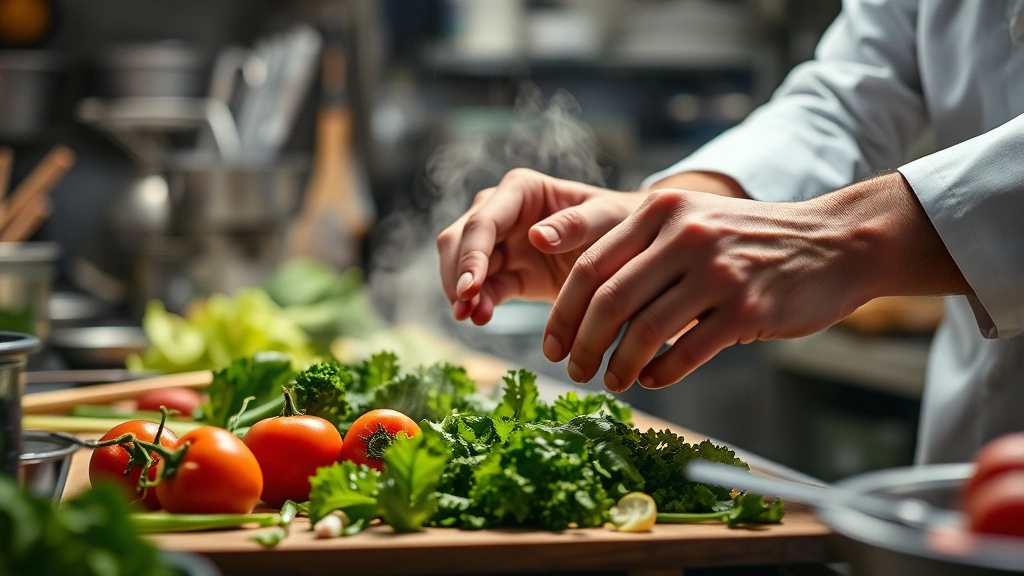
The intersection of food culture and cinema has become one of the most compelling storytelling mechanisms in modern filmmaking. As audiences increasingly seek immersive entertainment experiences, the film industry has recognized that eateries—whether as narrative settings, character development tools, or thematic anchors—serve as powerful visual and emotional conduits. This trend reflects broader shifts in how cinema engages with lifestyle content, cultural authenticity, and the sensory dimensions of storytelling that extend beyond dialogue and plot mechanics.
From intimate diner scenes that define character arcs to elaborate restaurant sequences that drive narrative tension, food-centric locations have evolved from mere background elements to integral components of cinematic language. The rise of food-focused films and the strategic placement of eateries in mainstream productions signal a fundamental change in how filmmakers approach world-building and audience connection. This phenomenon intersects with broader media trends, consumer behavior patterns, and the democratization of culinary content across digital platforms.
The Evolution of Eateries as Cinematic Settings
Eateries have functioned as cinematic spaces for nearly a century, but their role has undergone significant transformation. Early Hollywood films featured diners and restaurants primarily as transitional locations—places where characters could be observed in brief conversations or where plot exposition could be delivered efficiently. The visual language was standardized: chrome fixtures, checkered floors, and waitresses in uniform served as shorthand for American authenticity.
The 1970s and 1980s marked a turning point. Films like Five Easy Pieces demonstrated how restaurant scenes could encapsulate character psychology and social commentary simultaneously. The famous diner scene became a template for exploring class tensions, personal agency, and the friction between individual desire and social conformity. This evolution reflected broader changes in cinema—the shift toward character-driven narratives and the recognition that seemingly mundane spaces could generate profound dramatic potential.
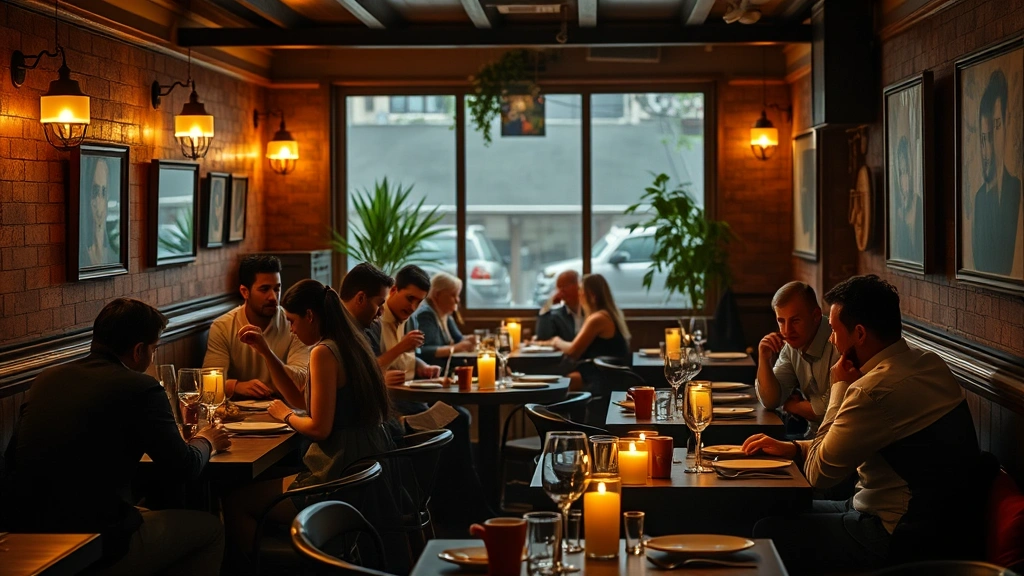
Contemporary filmmaking has elevated eatery settings to unprecedented prominence. Modern directors understand that restaurants, cafes, and food establishments offer rich visual palettes, built-in social dynamics, and symbolic resonance that audiences recognize intuitively. The kitchen has become a legitimate dramatic arena, the dining table a stage for human conflict and connection. This shift parallels the rise of food culture in broader media—the explosion of cooking shows, food blogs, and culinary content has trained audiences to read food environments with sophisticated cultural literacy.
Consider how Dumplin’ approaches the diner aesthetic—not as nostalgic decoration but as a living, breathing space where community identity is constructed and negotiated. The eatery becomes more than setting; it becomes character itself, with its own emotional arc and thematic significance.
Narrative Functions of Restaurant Scenes
Restaurant and eatery scenes serve multiple narrative functions that have become increasingly sophisticated. At the most fundamental level, they provide controlled environments where character interactions can unfold with built-in social rules and spatial constraints. The formality of dining—the rituals of ordering, waiting, consuming—creates natural pacing mechanisms that filmmakers exploit for dramatic effect.
The power dynamics inherent in restaurant spaces generate narrative tension automatically. A server-customer relationship mirrors hierarchies explored throughout cinema. Who orders? Who pays? Who controls the conversation? These questions become visual and dramatic, allowing filmmakers to explore character relationships without explicit exposition. A scene where a character orders confidently versus hesitantly reveals psychological states that might require pages of dialogue to articulate.
Food itself functions as a narrative tool with remarkable flexibility. Consuming particular dishes can signal character background, cultural identity, economic status, and emotional state. Refusing food carries different weight than enthusiastically consuming it. Sharing meals creates intimacy; eating alone emphasizes isolation. The sensory specificity of food—its taste, smell, texture—engages audiences through multiple channels simultaneously, creating memorable scenes that linger in viewer consciousness.
Restaurant scenes also facilitate what screenwriting theorists call “productive waiting.” Characters waiting for food, waiting for a table, or waiting for a server create natural spaces for dialogue and character development. The Screen Vibe Daily Blog has documented how contemporary screenwriters leverage these spaces to deepen character relationships and advance plot without feeling forced or artificial.
The social nature of eateries allows filmmakers to introduce secondary characters, establish community context, and create visual richness through background activity. A crowded restaurant scene contains multiple story possibilities—the couple arguing in the corner, the solitary diner at the counter, the server navigating complex social dynamics. This layered storytelling creates cinematic depth and reflects real human experience more authentically than sterile, controlled environments.
Food-Centric Films and Cultural Storytelling
A distinct category of films has emerged where food and eateries function as primary thematic and narrative engines rather than supporting elements. These films use culinary culture as a lens for exploring identity, belonging, tradition, and change. Jiro Dreams of Sushi, Ratatouille, Babette’s Feast, and Tampopo exemplify how food can carry the entire emotional and philosophical weight of a narrative.
These food-centric narratives often explore the tension between tradition and innovation, individual expression and collective expectation, passion and practicality. A chef’s relationship to their craft mirrors an artist’s relationship to their medium. The kitchen becomes a creative laboratory where human values are tested and refined. The restaurant becomes a space where strangers transform into community through the shared experience of eating.
Cultural specificity enhances these narratives. Films that center on particular culinary traditions—Indian, Mexican, Italian, Japanese, Thai—become vehicles for cultural storytelling and cross-cultural understanding. Food carries cultural memory, family history, and ancestral connection in ways that other narrative elements cannot replicate. When a film depicts traditional cooking methods, indigenous ingredients, or culturally specific dining rituals, it validates these practices as worthy of cinematic attention and cultural preservation.
The success of food-centric narratives reflects audience hunger for authentic cultural representation and sensory engagement. family-oriented films increasingly incorporate food culture as a mechanism for intergenerational storytelling and emotional connection. Grandmothers teaching grandchildren family recipes, parents sharing cultural dishes with children who’ve assimilated into different food cultures—these scenarios resonate powerfully because they reflect real human experience and universal desires for connection and continuity.
Production Design and Eatery Authenticity
The visual authenticity of eatery settings has become a crucial component of filmmaking craft. Production designers invest significant resources in researching, sourcing, and constructing restaurant environments that feel genuinely lived-in and culturally specific. This attention to detail reflects audience sophistication—viewers recognize authentic details and respond negatively to generic or inaccurate representations.
Contemporary production design for eatery scenes often involves collaboration with culinary consultants, historians, and community members who ensure cultural accuracy and respect. A film depicting a traditional family restaurant needs more than surface-level decoration; it requires understanding the philosophy behind the space, the history of its recipes, the community it serves. This research-intensive approach elevates food film production beyond entertainment into cultural documentation.
Lighting design takes on particular importance in eatery scenes. The warmth or coolness of light can transform a restaurant from welcoming to alienating, from intimate to sterile. Cinematographers use food preparation and consumption as opportunities for visual storytelling—steam rising from pots, the sizzle of ingredients hitting hot surfaces, the careful plating of finished dishes. These visual moments engage viewers sensory imagination and create memorable images that extend beyond dialogue or plot mechanics.
Set decoration in restaurant scenes requires meticulous attention to period detail, cultural authenticity, and thematic coherence. Menus become historical documents; table settings reveal character and class status; wall decorations communicate the restaurant’s identity and values. Every visual element contributes to world-building and character development, creating immersive environments that audiences recognize as genuine rather than constructed.
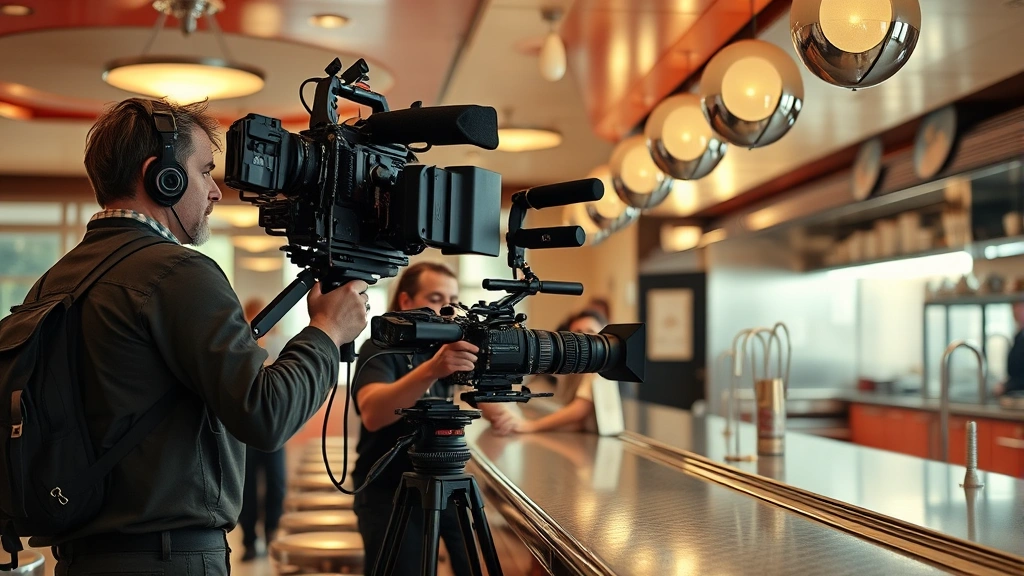
The rise of location-based filmmaking has also emphasized authentic eatery settings over constructed sets. Filmmakers increasingly shoot in real restaurants, working with actual establishments to incorporate genuine spaces into narratives. This approach offers aesthetic authenticity while supporting real businesses and communities. The collaboration between film production and local eateries creates mutual benefits—filmmakers gain authentic settings, while restaurants receive exposure and cultural validation.
Marketing and Brand Synergy in Food Films
The commercial intersection of food culture and cinema has created new marketing opportunities and brand synergies. Studios recognize that food-centric films appeal to multiple audience segments—film enthusiasts, food culture enthusiasts, and audiences seeking lifestyle content. This crossover appeal makes food films particularly attractive for marketing partnerships and brand collaborations.
Product placement in food films operates differently than traditional advertising. When a character eats a particular brand of ingredient or dines at a recognizable restaurant, the placement feels organically integrated rather than gratuitously promotional. Audiences accept food product placement more readily than other advertising because eating is inherently part of the narrative world. A film depicting authentic culinary culture naturally incorporates real ingredients, real restaurants, and real brands that practitioners actually use.
Real eateries benefit enormously from film visibility. Restaurants featured in widely distributed films experience increased customer traffic, enhanced cultural prestige, and expanded audience reach. This phenomenon has created a symbiotic relationship where filmmakers seek authentic locations and restaurants actively court film production. Some establishments have become pilgrimage destinations for film enthusiasts, transforming geographical tourism through cinematic representation.
Marketing campaigns for food films leverage culinary content across multiple platforms. Studios coordinate film releases with cookbook publications, restaurant tie-ins, and culinary event partnerships. Social media campaigns featuring food content generate engagement rates that exceed typical film promotion, as audiences share visually appealing images of dishes and dining scenes. This cross-platform marketing strategy extends film reach beyond traditional cinema audiences into food culture communities.
The ecosystem of movie review platforms now frequently incorporates culinary criticism alongside traditional film analysis, recognizing that food-centric narratives merit specialized critical attention. This evolution reflects broader changes in how audiences evaluate and discuss films—increasingly considering cultural representation, culinary authenticity, and sensory engagement as legitimate critical criteria.
The Streaming Era’s Impact on Food Content
Streaming platforms have fundamentally altered how eatery culture appears in visual media. Unlike theatrical releases with fixed runtimes and commercial structures, streaming content can dedicate extended sequences to food preparation, consumption, and cultural exploration without narrative pressure to justify every scene. Series can develop restaurant settings across multiple episodes, allowing audiences to develop deeper relationships with eatery spaces and characters.
The rise of documentary series focused on food culture—from chef profiles to ingredient explorations—has created new audiences primed to appreciate food-centric narratives in fiction. Streaming platforms offer curated content collections that group food-focused films and series, making this content more discoverable and establishing food culture as a legitimate content category. This curation trains algorithms and recommendation systems to connect viewers with food-related narratives, amplifying the visibility of eatery-centric content.
Streaming’s global reach has also democratized access to international food films and culinary narratives. Audiences worldwide can now encounter films depicting specific culinary traditions, regional eatery cultures, and food-based storytelling from diverse geographical contexts. This accessibility has expanded the audience for food-centric cinema beyond traditional film festival circuits and specialized theatrical releases.
Production budgets for streaming content allow for greater attention to culinary detail than some theatrical productions. Streaming series can invest in authentic food preparation, genuine culinary expertise, and detailed kitchen environments without the box office pressure that sometimes constrains theatrical productions. This creative freedom has resulted in streaming content that rivals or exceeds theatrical releases in culinary authenticity and food-focused storytelling sophistication.
Future Trends and Industry Evolution
The trajectory of eatery representation in cinema suggests several emerging trends that will shape future filmmaking. Virtual reality and immersive media technologies promise to create dining experiences that transcend traditional cinema, allowing audiences to virtually inhabit restaurant spaces and engage with food preparation in unprecedented ways. These technologies could transform how food-centric narratives are experienced and remembered.
Sustainability and ethical food sourcing are increasingly becoming thematic elements in food films. Contemporary audiences recognize that food production involves environmental and social implications, and filmmakers are incorporating these concerns into narratives. Future food-centric films will likely explore agricultural practices, labor conditions, and environmental impact alongside culinary tradition and personal narrative.
The integration of interactive elements into food-focused content represents another frontier. Streaming platforms are experimenting with interactive narratives where audience choices influence plot outcomes, and food-focused content offers particular potential for this format. Viewers could make decisions about ingredient selection, cooking methods, or dining choices that affect narrative direction.
Hyperlocal storytelling centered on specific eateries and food communities will likely expand. As audiences increasingly seek authentic cultural representation and community-based narratives, filmmakers will focus on documenting and celebrating specific restaurants, food traditions, and culinary communities. This approach validates local food culture while creating compelling narratives grounded in genuine human experience.
The professionalization of culinary consulting in film production will continue expanding. Studios increasingly employ food historians, culinary experts, and cultural consultants to ensure authenticity and respect in food-centric narratives. This professionalization elevates the entire field, ensuring that food representation receives the same careful attention as other aspects of production design and narrative development.
Cross-platform storytelling that integrates film, television, podcasts, and digital media will increasingly center on food culture. A film might connect to a podcast series exploring the history of particular dishes, a documentary following real chefs, and interactive digital content allowing audience participation in culinary exploration. This integrated approach maximizes engagement and extends narrative reach across multiple formats and platforms.
According to Pew Research Center analysis of media consumption patterns, younger audiences demonstrate particular affinity for food-focused content across platforms, suggesting that culinary narratives will increasingly dominate entertainment production. The Hollywood Reporter’s coverage of industry trends confirms that studios are investing heavily in food-centric projects, recognizing both artistic merit and commercial viability.
FAQ
Why have eateries become more prominent in contemporary cinema?
Eateries offer rich visual environments, built-in social dynamics, and symbolic resonance that audiences recognize intuitively. The rise of food culture in broader media—cooking shows, food blogs, culinary content—has trained audiences to read food environments with sophisticated cultural literacy. Modern filmmakers recognize that restaurants and food establishments provide opportunities for character development, thematic exploration, and sensory engagement that extend beyond traditional dialogue-driven narratives.
How do food-centric films differ from films that simply feature restaurant scenes?
Food-centric films use culinary culture as primary narrative and thematic engines, exploring identity, belonging, tradition, and change through food and cooking. Films that feature restaurant scenes may use eateries as settings for character interactions but don’t necessarily center on food culture itself. Food-centric narratives treat cooking, eating, and food traditions as worthy of cinematic attention in themselves, not merely as backdrop for other stories.
What role does cultural authenticity play in eatery representation?
Cultural authenticity in eatery representation validates particular food traditions and communities as worthy of cinematic attention and cultural preservation. Authentic representation requires collaboration with culinary consultants, historians, and community members who ensure accuracy and respect. Audiences recognize authentic details and respond negatively to generic or inaccurate representations, making cultural authenticity both an ethical and commercial imperative.
How have streaming platforms changed food-focused content?
Streaming platforms allow extended sequences dedicated to food preparation and cultural exploration without narrative pressure to justify every scene. They’ve created new audiences through documentary series focused on food culture, democratized access to international food films, and allowed greater attention to culinary detail through flexible production budgets. Streaming’s global reach has expanded the audience for food-centric cinema beyond traditional film festival circuits.
What future developments might shape food-centric cinema?
Emerging trends include virtual reality and immersive experiences that allow audiences to inhabit restaurant spaces, increased focus on sustainability and ethical sourcing, interactive narratives where audience choices influence plot, hyperlocal storytelling celebrating specific eateries and communities, and cross-platform storytelling integrating film, television, podcasts, and digital media. These developments will likely expand culinary narratives’ reach and sophistication.
How do films like Dumplin’ represent eatery culture?
Dumplin’ uses the diner aesthetic not as nostalgic decoration but as a living space where community identity is constructed and negotiated. The eatery functions as character itself, with its own emotional arc and thematic significance, demonstrating how contemporary films integrate food establishments into core narrative and character development.
What is the relationship between film and real eateries?
Real eateries benefit enormously from film visibility, experiencing increased customer traffic and enhanced cultural prestige. Filmmakers increasingly shoot in real restaurants rather than constructing sets, creating symbiotic relationships where filmmakers gain authentic settings while restaurants receive exposure. Some establishments have become pilgrimage destinations for film enthusiasts, transforming geographical tourism through cinematic representation.
How does food representation connect to broader film criticism?
The ecosystem of movie review platforms now frequently incorporates culinary criticism alongside traditional film analysis, recognizing that food-centric narratives merit specialized critical attention. This evolution reflects broader changes in how audiences evaluate films, increasingly considering cultural representation, culinary authenticity, and sensory engagement as legitimate critical criteria.
Why do audiences respond strongly to food-focused narratives?
Food carries cultural memory, family history, and ancestral connection in ways that other narrative elements cannot replicate. Eating is universal human experience that audiences recognize intuitively, while specific culinary traditions carry cultural specificity and identity significance. Food engages multiple senses simultaneously, creating memorable scenes that linger in viewer consciousness. Additionally, contemporary audiences increasingly seek authentic cultural representation and sensory engagement, making food-centric narratives particularly appealing.