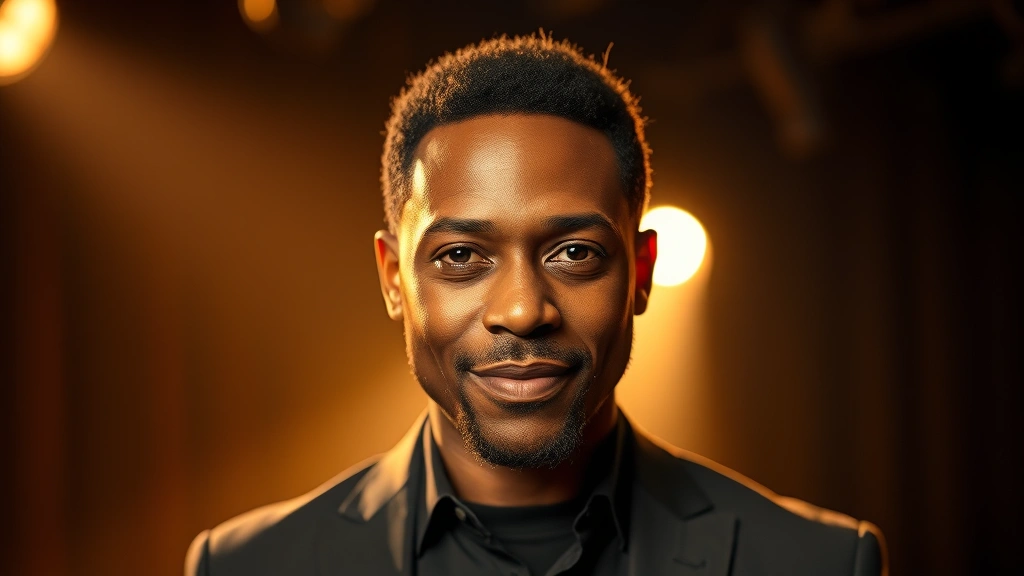
Garrett Morris’ Impact on TV: A Retrospective
Garrett Morris stands as a pioneering figure in American television history, whose career trajectory reflects decades of transformative entertainment evolution. From his groundbreaking tenure on Saturday Night Live to memorable appearances across sitcoms, dramas, and films, Morris carved out a unique space in the medium that transcended typical casting boundaries. His work during critical periods of television’s development shaped how audiences consumed comedy and how the industry approached representation in the 1970s and beyond.
As a performer who entered television during a pivotal moment of social change, Morris brought authenticity and comedic timing to roles that might have otherwise been relegated to stereotypical portrayals. His longevity in the entertainment industry—spanning more than five decades—demonstrates not merely survival in a competitive field, but active contribution to the medium’s cultural landscape. This retrospective examines his most significant television and film contributions, analyzing how his work influenced casting practices and comedy writing while exploring the broader context of his career achievements.
The SNL Years and Breakthrough Success
When Garrett Morris joined the original cast of Saturday Night Live in 1975, he became the first Black cast member of the legendary sketch comedy show. This distinction carried enormous weight beyond simple statistics—it represented a watershed moment for late-night television and comedy writing. During his five-season tenure (1975-1980), Morris appeared in hundreds of sketches, delivering performances that ranged from absurdist comedy to character-driven pieces that showcased his theatrical background and musical training.
Morris’ SNL work established several key elements of his performance style that would define his entire career. His ability to commit fully to characters, regardless of how ridiculous the premise, created memorable moments that transcended the sketch format’s inherent ephemerality. Unlike some sketch performers who relied primarily on physical comedy or impersonation, Morris brought dramatic depth to comedic characters. His training in theater—he had studied at the Juilliard School and performed with the Negro Ensemble Company—manifested in a sophisticated approach to character work that elevated the material.
The impact of Morris’ presence on SNL extended beyond his individual performances. His integration into the cast forced the show’s writing staff to expand their comedic perspectives and consider how established sketch formats could accommodate different voices and experiences. This creative tension resulted in some of the show’s most culturally significant sketches from that era. Morris’ versatility meant he could anchor sketches or provide crucial support, making him an invaluable ensemble player during the show’s most formative years.
His SNL tenure also provided visibility that translated into film and television opportunities. The show’s national platform and cultural cachet meant that Morris’ face and comedic sensibility became familiar to millions of viewers. This recognition would fuel subsequent casting decisions and guest appearances across the entertainment landscape. More importantly, his success on SNL demonstrated to industry decision-makers that casting decisions based on traditional boundaries were unnecessarily limiting both creatively and commercially.
Transitioning to Film and Dramatic Roles
Following his departure from SNL, Morris successfully navigated the challenging transition from sketch comedy to film and dramatic television. This transition proved difficult for many SNL alumni, but Morris’ theatrical training and diverse skill set provided a foundation for varied dramatic work. His film appearances included roles in movies that ranged from comedy to drama, showcasing his ability to inhabit characters beyond comedic archetypes.
One of Morris’ most significant film appearances came in Coming to America (1988), where he played Reverend Brown alongside Eddie Murphy and Arsenio Hall. The film’s comedy derived partly from character-based humor rather than relying solely on physical gags, allowing Morris to deploy his full range of comedic and dramatic capabilities. His performance contributed to the film’s commercial success and demonstrated that his SNL-era fame could sustain a film career.
Beyond comedy films, Morris pursued dramatic television roles that allowed him to explore more serious material. These appearances on dramatic series revealed dimensions of his performance capability that sketch comedy couldn’t fully utilize. His willingness to pursue diverse roles—both comedic and dramatic—positioned him as a working actor rather than a one-note performer defined exclusively by his SNL legacy. This career strategy proved remarkably effective in extending his professional longevity.
Morris’ approach to film and television work during the 1980s and 1990s reflected broader industry shifts regarding representation and casting. As television evolved and audiences demanded more complex characters, Morris’ experience and skill set became increasingly valuable. His ability to move fluidly between genres and character types made him a reliable performer whom producers and directors could trust with diverse material. This versatility created consistent work opportunities across multiple platforms and formats.

Notable Television Appearances Beyond SNL
Morris’ television work extended far beyond his iconic SNL run, encompassing appearances on numerous series that reflected the medium’s evolution across several decades. His guest appearances and recurring roles on television programs demonstrated his continued relevance and industry respect. These roles often showcased his ability to elevate material and create memorable characters within the constraints of episodic television.
His appearances on sitcoms throughout the 1980s and 1990s positioned him as a reliable character actor capable of delivering both comedic and dramatic moments. Series appearances allowed him to develop characters across multiple episodes, providing opportunities for more nuanced performance than sketch comedy permitted. These television roles often paired him with established stars and ensembles, reflecting his status as a respected performer rather than a novelty act or guest star primarily valued for name recognition.
Morris also appeared in television movies and made-for-TV dramas that demonstrated his range beyond comedy. These dramatic roles allowed him to work with serious material and collaborate with performers and directors approaching television from a dramatic rather than comedic perspective. His willingness to pursue these opportunities indicated an actor invested in craft development rather than simply maximizing earning potential through comedy appearances.
Visiting our ScreenVibe Daily Blog provides additional context on how performers like Morris navigated television’s transformation across multiple decades. The platform offers analysis of television history and performer careers that contextualize Morris’ work within broader industry trends.
His recurring roles on series demonstrated his ability to create distinctive characters that audiences remembered and anticipated. Rather than playing variations of the same character across different shows, Morris’ television work reflected genuine character development and creative range. This approach to television acting contributed to his reputation as a serious performer rather than an entertainer primarily known for sketch comedy antics.
Comedy Writing and Performance Innovation
Throughout his career, Morris contributed to comedy writing and sketch development, particularly during his SNL tenure. His background in theater and ensemble performance informed his understanding of how sketch comedy functioned as a collaborative medium. His contributions to the writing process—both through improvisation and direct input—helped shape the show’s comedic sensibility during a crucial period of its development.
Morris’ approach to comedy reflected sophisticated understanding of performance technique and audience psychology. Rather than relying on shock value or offensive stereotypes, his comedy derived from character specificity, timing, and the juxtaposition of incongruous elements. This approach influenced how sketch comedy evolved during and after his SNL tenure, contributing to a broader industry recognition that intelligent comedy could prove more durable and impactful than material dependent on shock or offensive characterization.
His musical background—Morris trained as a singer and musician—added another dimension to his performance capabilities. During SNL, he occasionally performed musical pieces that showcased his vocal abilities, creating memorable moments that integrated music into the sketch comedy format. This willingness to deploy diverse performance skills within the sketch format expanded possibilities for how SNL could construct comedy segments.
The innovation Morris brought to sketch comedy performance influenced how subsequent performers approached the medium. His example demonstrated that sketch comedy could accommodate theatrical sophistication and dramatic depth without sacrificing comedic impact. This legacy contributed to gradual evolution in sketch comedy standards and audience expectations regarding performer capabilities.
For those interested in understanding comedy’s evolution, our guide on how to become a film critic includes discussion of comedy analysis and performance evaluation frameworks that apply to understanding Morris’ work within larger comedic traditions.
Cultural Impact and Industry Recognition
Garrett Morris’ cultural impact extended beyond entertainment metrics and ratings data. His presence on SNL during the show’s most culturally influential period represented a significant moment in television history. His integration into the cast challenged existing industry assumptions about casting and demonstrated that diverse casting decisions could enhance rather than compromise creative quality.
Research from Pew Research Center has documented shifting industry practices regarding representation in media. Morris’ early career achievements occurred before these trends became industry standard, positioning him as a pioneer whose work contributed to eventual industry-wide transformation. His success demonstrated commercially viable alternatives to traditional casting approaches.
The recognition Morris received from peers and industry professionals reflected respect for his work quality rather than appreciation for symbolic representation. While his position as SNL’s first Black cast member carried cultural significance, his continued employment and opportunity derived from genuine performance excellence. This distinction proved crucial—it established that Morris earned his position through talent and professionalism rather than quota fulfillment or symbolic gestures.
Industry publications and entertainment analysts have noted Morris’ influence on subsequent casting decisions and comedy writing approaches. His example provided evidence that expanding casting boundaries could yield creative benefits alongside social progress. This practical demonstration of mutually beneficial outcomes influenced industry decision-making in ways that purely ideological arguments might not achieve.
Morris’ longevity in the entertainment industry—continuing to work consistently across multiple decades—demonstrated the sustainability of careers built on genuine talent and professional reliability. His continued availability for projects and consistent quality of work made him a valuable resource for producers and directors seeking experienced performers capable of elevating material.

Later Career and Continued Relevance
As Morris progressed through his career into later decades, he maintained active involvement in entertainment projects despite changing industry conditions and evolving audience preferences. His continued work on television and film demonstrated that performers with established track records and genuine talent could sustain careers beyond initial breakthrough periods. His later roles often involved guest appearances on contemporary series, allowing new generations of viewers to encounter his work.
Morris’ appearances on television programs during the 2000s and 2010s reflected his status as an entertainment institution. Younger audiences encountering his work for the first time could appreciate his performances without necessarily understanding his historical significance. Simultaneously, viewers familiar with his SNL legacy could recognize the continuity of his performance style and professional commitment across decades.
The digital era and expansion of content distribution platforms created new opportunities for older performers’ work to reach audiences. Morris’ SNL appearances, preserved through various platforms and streaming services, became accessible to viewers who never experienced the original broadcasts. This archival availability extended his cultural reach and allowed contemporary audiences to evaluate his contributions within their original context.
Check out the best movies on Netflix for contemporary content recommendations, as streaming platforms continue evolving how audiences access both classic and contemporary entertainment. These platforms often include classic television content alongside current releases, providing context for understanding entertainment history.
Morris’ continued relevance in entertainment discourse reflects broader industry recognition of his contributions to television history. Film historians and television scholars frequently reference his work when discussing representation, sketch comedy evolution, and late-night television development. This academic and critical attention ensures that his contributions receive serious analytical consideration beyond nostalgia or historical curiosity.
His later career decisions—including voice work, guest appearances, and occasional returning roles—demonstrated flexibility and willingness to adapt to changing industry conditions. Rather than attempting to recreate his SNL-era success, Morris pursued opportunities that suited his current professional circumstances while maintaining creative integrity. This pragmatic approach to career management extended his working life and allowed him to remain visible within entertainment culture.
For those interested in exploring how performers navigate career transitions and industry changes, our guide to best movie review sites includes resources analyzing performer careers and entertainment industry trends. These critical resources provide frameworks for understanding individual careers within larger industry context.
Morris’ example provides valuable lessons for understanding performer longevity, career strategy, and the relationship between talent, opportunity, and professional persistence. His willingness to pursue diverse roles, maintain professional standards, and adapt to changing industry conditions created a sustainable career spanning multiple decades and entertainment formats.
FAQ
What was Garrett Morris’ most famous role?
Garrett Morris is best known for his tenure as the first Black cast member on Saturday Night Live (1975-1980), where he performed in hundreds of sketches and became an integral part of the show’s most formative period. While his SNL work remains his most iconic contribution, his role in Coming to America (1988) also achieved significant recognition and demonstrated his ability to sustain a film career beyond sketch comedy.
How did Garrett Morris influence television casting practices?
Morris’ success on SNL and subsequent television appearances demonstrated that expanding casting beyond traditional boundaries could enhance creative quality and commercial viability. His integration into the SNL cast challenged industry assumptions and provided practical evidence that diverse casting decisions benefited productions. His professional excellence and reliability made him a valuable performer whom producers sought repeatedly, establishing patterns that eventually influenced broader industry practices.
What television shows featured Garrett Morris as a guest star?
Throughout his career, Morris appeared on numerous television series including sitcoms, dramas, and made-for-TV movies. His guest appearances and recurring roles spanned several decades and demonstrated his versatility across different television genres. These appearances kept him visible within the entertainment industry and allowed him to work with diverse casts and creative teams.
Did Garrett Morris pursue film work after SNL?
Yes, Morris successfully transitioned to film following his SNL departure. His filmography includes appearances in comedy films like Coming to America and various other projects spanning multiple decades. His ability to move between television and film work reflected his diverse skill set and professional flexibility.
How has Garrett Morris’ legacy been recognized?
Morris’ contributions to television history have received recognition from industry professionals, film historians, and cultural scholars. His pioneering role on SNL is frequently cited when discussing representation in media and sketch comedy evolution. His work continues to be studied and discussed in contexts examining television history and entertainment industry development.
Is Garrett Morris still working in entertainment?
Morris has maintained periodic involvement in entertainment projects throughout his later career, including guest appearances and voice work. His continued visibility in entertainment culture reflects his status as an established performer whose talent and professional reputation remain valued by producers and directors.
For upcoming entertainment releases and current projects, our guide to movies coming out in 2025 and 2026 provides information about contemporary entertainment developments. This resource helps audiences stay informed about current industry trends and releases.


