George Lucas Films: Impact on Cinema History
George Lucas fundamentally transformed filmmaking through technological innovation, narrative storytelling, and franchise building that continues to dominate entertainment decades after his breakthrough works. His vision extended beyond individual films to reshape how stories are told, how audiences engage with cinema, and how studios approach blockbuster filmmaking. From practical effects to digital cinematography, Lucas’s influence permeates modern production across every major studio.
The director’s career trajectory reveals a pattern of revolutionary thinking applied to practical filmmaking challenges. When Lucas encountered limitations in existing technology, he created solutions that became industry standards. This problem-solving approach, combined with his understanding of mythological storytelling and visual language, positioned him as one of cinema’s most influential figures. His impact extends across narrative structure, visual effects, merchandising strategies, and the entire ecosystem of modern blockbuster production.
Early Innovation and American Graffiti
Before Star Wars became a cultural phenomenon, George Lucas demonstrated his directorial prowess with American Graffiti (1973), a film that established his understanding of cinematic language and audience engagement. The film captured 1960s Americana with nostalgic precision, employing a multi-narrative structure that influenced countless filmmakers. Lucas’s approach to editing, music selection, and character development showed a director comfortable with complex storytelling techniques that could appeal to mainstream audiences.
American Graffiti earned Lucas significant critical recognition and proved he could navigate commercial success without compromising artistic vision. The film’s technical achievements included innovative use of available light cinematography and a soundtrack that became integral to the narrative experience. Its box office performance validated Lucas’s instincts about audience preferences while establishing him as a director capable of handling substantial budgets and multiple storylines.
The success of American Graffiti positioned Lucas to pursue his long-gestating space opera concept. Studios were more willing to finance his ambitious vision after witnessing his ability to create commercially viable, critically respected cinema. This foundation proved essential when pitching Star Wars, a project that seemed commercially risky to most industry executives. Lucas’s track record with American Graffiti provided the credibility necessary to secure funding for what would become the most transformative franchise in cinema history.
The Star Wars Revolution
Star Wars: A New Hope (1977) fundamentally altered the landscape of commercial filmmaking and audience expectations. Lucas synthesized mythological frameworks from Joseph Campbell with contemporary special effects technology, creating a narrative structure that resonated across demographic boundaries. The film’s opening crawl, practical effects sequences, and world-building established a template that influenced blockbuster filmmaking for generations. Every major franchise attempting to build expansive universes owes conceptual debt to Lucas’s approach.
The original trilogy’s success stemmed partly from Lucas’s willingness to collaborate with talented filmmakers while maintaining creative control over the overall vision. Directors Irvin Kershner and Richard Marquardt brought their own sensibilities to The Empire Strikes Back and Return of the Jedi, creating stylistic variation within a cohesive universe. This collaborative structure, established by Lucas, became the model for modern franchise management, where lead architects work alongside specialized directors to maintain consistency while allowing creative flexibility.
Lucas’s understanding of visual storytelling in Star Wars transcended dialogue-dependent narrative. The films communicated complex emotional and thematic content through cinematography, production design, and editing. This emphasis on visual language influenced how contemporary filmmakers approach world-building and character development. The fantasy movies that followed consistently attempted to replicate the immersive world-building Lucas established, though few achieved comparable success.
The merchandising strategy accompanying the original trilogy introduced a new revenue model for film studios. Lucas retained merchandising rights, creating an ancillary revenue stream that exceeded theatrical earnings. This business innovation forced studios to reconsider how they approached franchise development and intellectual property management. Today’s integrated marketing campaigns and extensive merchandise ecosystems directly descend from Lucas’s pioneering approach.
Industrial Light & Magic and Effects Evolution
George Lucas’s founding of Industrial Light & Magic (ILM) in 1975 represented a watershed moment in special effects history. Frustrated by existing effects capabilities, Lucas created a facility specifically designed to achieve his visual vision for Star Wars. ILM’s innovations in motion control photography, practical effects engineering, and compositing techniques established new industry standards that persisted for decades.
The facility’s technical achievements extended beyond individual films. ILM developed proprietary techniques and equipment that became foundational to effects work across the industry. The company’s approach to problem-solving—creating custom solutions for specific creative challenges—influenced how effects studios worldwide approached complex sequences. When examining best movie review sites, discussions of technical achievement frequently reference ILM’s pioneering work as a benchmark for practical effects excellence.
ILM’s evolution paralleled technological advancement in the industry. The facility transitioned from practical effects dominance to digital effects leadership during the 1990s, developing computer graphics capabilities that revolutionized visual effects. Films like Jurassic Park and Terminator 2: Judgment Day, enhanced by ILM’s digital contributions, demonstrated how computer-generated imagery could complement practical effects to create unprecedented realism. This hybrid approach became the industry standard, with ILM maintaining leadership throughout the digital revolution.
The facility’s organizational structure and technical philosophy influenced how other effects studios approached training and innovation. ILM’s emphasis on hiring talented problem-solvers and encouraging experimental approaches created a culture of innovation that persisted across leadership changes. Contemporary effects facilities continue adopting ILM’s collaborative methodologies and commitment to pushing technical boundaries.
The Prequel Trilogy and Digital Cinema
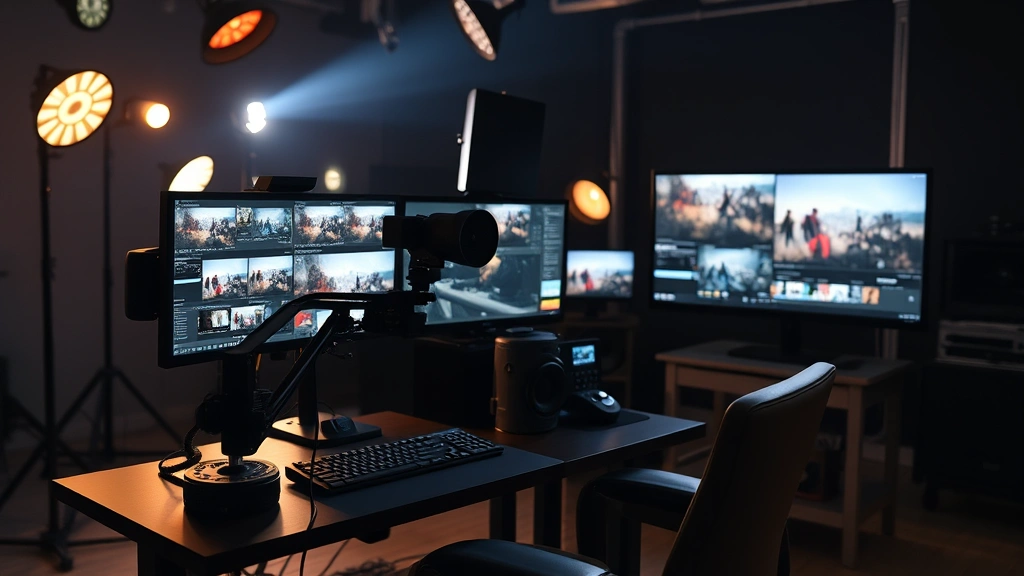
The prequel trilogy—The Phantom Menace (1999), Attack of the Clones (2002), and Revenge of the Sith (2005)—represented Lucas’s most ambitious technical undertaking and his most divisive creative decision. While critical reception remained mixed, the prequels’ technical achievements proved invaluable to digital cinema’s development. Lucas’s commitment to digital cinematography on Attack of the Clones made it the first major theatrical film shot entirely on digital cameras, accelerating the industry’s transition from film stock.
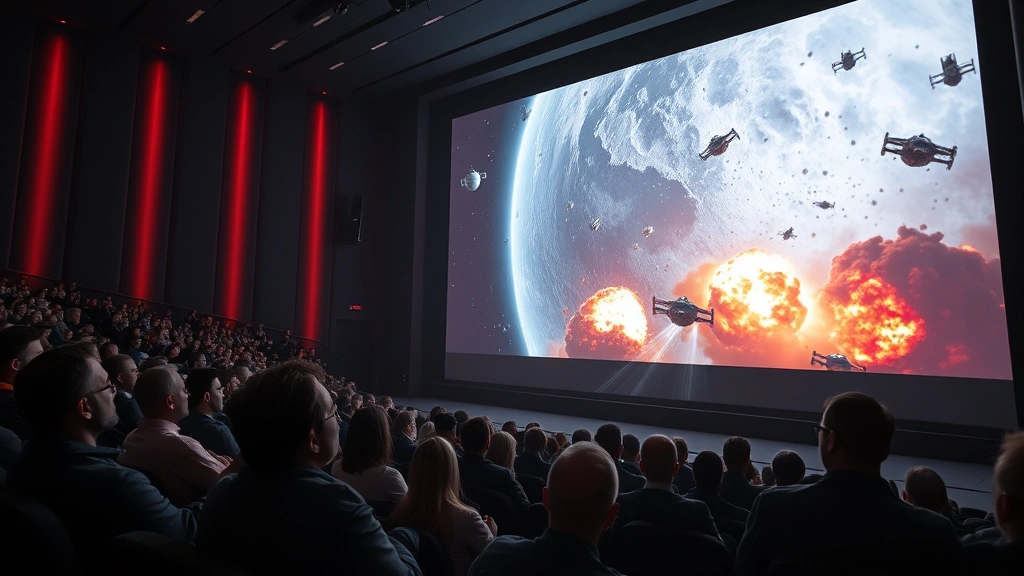
The prequel trilogy’s visual effects represented the cutting edge of digital technology. Sequences involving clone armies and space battles demonstrated computer graphics capabilities that seemed impossible a decade earlier. These technical achievements, regardless of narrative reception, established digital effects as the primary tool for creating fantastical worlds. Studios worldwide adopted the technical approaches pioneered during prequel production.
Lucas’s approach to digital cinematography in the prequels influenced broader industry adoption of digital cameras. Directors who initially resisted digital formats reconsidered after witnessing the technical capabilities Lucas demonstrated. The prequels’ cinematography showcased digital formats’ advantages for color grading, visual effects integration, and post-production flexibility. These technical advantages eventually made digital cinematography the industry standard, making Lucas’s prequel-era decisions historically significant despite mixed creative reception.
The prequel trilogy also demonstrated the challenges of balancing cutting-edge technology with narrative storytelling. Critical discussions frequently noted how technical sophistication occasionally overshadowed character development and dialogue. These critiques influenced how subsequent filmmakers approached technology integration, emphasizing that visual innovation should serve narrative purposes rather than existing as technical demonstration. This lesson, learned through prequel reception, shaped blockbuster filmmaking philosophy throughout the 2000s and beyond.

” alt=”Film director in modern studio with digital monitoring equipment and cinematography technology”/>
Legacy and Industry Influence
George Lucas’s influence on contemporary cinema extends beyond specific techniques to fundamental assumptions about how blockbuster films are conceived and produced. The franchise model he pioneered, emphasizing world-building and audience investment in fictional universes, became the dominant business strategy for major studios. Every contemporary franchise attempting to build multi-film universes operates within the template Lucas established with Star Wars.
The relationship between filmmakers and technology companies shifted through Lucas’s innovations. When studios recognized that technological limitations could be overcome through dedicated development, they began investing in research and development alongside content creation. This integration of technology development and filmmaking continues today, with major studios maintaining research facilities and partnerships with technology companies. Lucas demonstrated that technological innovation could provide competitive advantages in the marketplace.
Contemporary directors studying ScreenVibeDaily Blog discussions of filmmaking technique frequently encounter Lucas references. His emphasis on visual storytelling, world-building consistency, and audience engagement through spectacle established principles that modern blockbuster directors continue applying. Even filmmakers who reject some of Lucas’s specific choices operate within frameworks he established.
The executive producer model that Lucas pioneered through his involvement with directors like Steven Spielberg influenced how studios approached franchise management. Rather than directors maintaining complete creative control, the model of an overseeing creative authority working alongside specialized directors became standard. This structure allowed for consistent quality and vision while accommodating director-specific contributions. Modern franchises from Marvel to Star Wars itself employ variations of this model.
Lucas’s approach to intellectual property rights and creator compensation influenced industry negotiations. His retention of merchandising rights for Star Wars demonstrated the value of ancillary revenue streams and encouraged creators to negotiate for participation in multiple revenue categories. This shift in compensation structures benefited subsequent creators who leveraged Lucas’s precedent when negotiating with studios.
Narrative Structure and Mythological Framework
George Lucas’s integration of Joseph Campbell’s monomyth structure into Star Wars demonstrated how classical narrative frameworks could enhance contemporary storytelling. The hero’s journey structure, outlined in Campbell’s The Hero with a Thousand Faces, provided the narrative skeleton for A New Hope. This application of mythological structure to modern science fiction influenced how subsequent filmmakers approached complex narratives requiring emotional resonance across diverse audiences.
The archetypal character structures Lucas employed—the mentor, the shadow, the ally, the herald—created immediately recognizable character dynamics that audiences intuitively understood. These archetypal relationships transcended cultural boundaries, contributing to Star Wars‘ global appeal. Filmmakers worldwide adopted Lucas’s approach to character construction, recognizing that archetypal structures provided emotional shortcuts that enhanced audience connection.
Lucas’s narrative philosophy emphasized spectacle serving story rather than existing independently. While critics sometimes accused his later work of privileging visual effects over character development, his fundamental principle remained that technical innovation should enhance narrative communication. This philosophy influenced how blockbuster directors balanced technical sophistication with emotional storytelling, establishing expectations that visual effects should deepen rather than distract from narrative purposes.
The expanded universe concept that Lucas developed through licensed materials established how franchises could extend narratives across multiple media formats. This transmedia storytelling approach, where stories continued across films, television, novels, and comics, became standard practice for major franchises. Lucas’s willingness to expand the Star Wars universe beyond theatrical films created expectations that audiences could engage with fictional worlds across multiple entry points.
When discussing top famous movie quotes, Lucas’s dialogue frequently appears despite critical commentary about his dialogue writing. Quotes like “May the Force be with you” achieved cultural penetration through their integration into archetypal narrative structures. The memorability of Lucas’s dialogue often derived from its mythological resonance rather than naturalistic speech patterns, a stylistic choice that influenced how blockbuster filmmakers approached dialogue in genre films.
” alt=”Cinema audience in modern theater experiencing large-scale projection during action-heavy blockbuster sequence”/>
FAQ
How did George Lucas change filmmaking technology?
Lucas founded Industrial Light & Magic to solve specific technical challenges for Star Wars, developing innovations in motion control photography and practical effects that became industry standards. He later championed digital cinematography through the prequel trilogy, accelerating the industry’s transition from film stock to digital cameras. His approach of creating technological solutions for creative problems influenced how studios approach effects work and equipment development.
What is George Lucas’s most significant film contribution?
Star Wars: A New Hope fundamentally altered blockbuster filmmaking by demonstrating how spectacle, narrative, and world-building could combine for massive commercial and cultural success. The film’s approach to franchise building, merchandising, and audience engagement established templates that dominated cinema for subsequent decades. While other Lucas films achieved critical acclaim, Star Wars‘ cultural and industrial impact remains unmatched.
How did the prequel trilogy influence digital cinematography?
Attack of the Clones became the first major theatrical film shot entirely on digital cameras, demonstrating digital cinematography’s viability for large-scale productions. The technical capabilities Lucas showcased in the prequels accelerated industry adoption of digital formats. Despite mixed creative reception, the prequels’ technical achievements proved invaluable to the cinema industry’s digital transition.
What narrative techniques did Lucas pioneer?
Lucas integrated Joseph Campbell’s monomyth structure into contemporary science fiction, demonstrating how classical narrative frameworks could enhance modern storytelling. His emphasis on archetypal character structures and visual storytelling over dialogue-dependent narrative influenced how blockbuster filmmakers approached world-building. His transmedia storytelling approach, expanding narratives across multiple formats, established expectations for contemporary franchise development.
How does Lucas’s influence appear in contemporary filmmaking?
Modern blockbuster directors operate within frameworks Lucas established regarding spectacle, world-building, and franchise development. The executive producer model overseeing multiple directors, the integration of cutting-edge technology with narrative purposes, and the emphasis on visual storytelling all descend from Lucas’s innovations. Even filmmakers rejecting specific Lucas choices work within paradigms he fundamentally shaped. Check resources like Pew Research Center for broader media trend analysis that frequently references Lucas’s influence on entertainment industry structure.
What impact did Star Wars merchandising have on the film industry?
Lucas’s retention of merchandising rights for Star Wars created an ancillary revenue stream that exceeded theatrical earnings. This success demonstrated merchandising’s value to studios and influenced how subsequent franchises approached licensing and product development. Modern franchise strategy assumes merchandising and ancillary revenue streams as essential components of overall profitability. This business innovation, established by Lucas, fundamentally altered how studios evaluate and develop intellectual properties.
How did George Lucas influence franchise filmmaking?
Lucas’s approach to Star Wars—emphasizing consistent world-building, archetypal narratives, and expanded universe storytelling—established the template for contemporary franchise development. The model of a lead creative authority working alongside specialized directors became standard practice. Studios worldwide adopted Lucas’s philosophy that franchises require consistent vision across multiple films while accommodating director-specific contributions. His influence on franchise strategy remains evident in how Marvel, Star Wars itself under new leadership, and other major franchises operate.


