Hide and Seek Horror: Comprehensive Film Critic Review
Hide and Seek stands as a pivotal entry in early 2000s psychological horror, a film that redefined how mainstream cinema approaches childhood trauma and unreliable narration. Released in 2005 and directed by John Polson, this thriller starring Robert De Niro and Dakota Fanning captivated audiences with its atmospheric dread and jaw-dropping narrative twist. The film’s exploration of grief, mental illness, and the fragility of perception continues to resonate with horror enthusiasts and casual viewers alike, making it essential viewing for anyone interested in understanding how genre films can tackle deeply psychological subject matter with commercial appeal.
This comprehensive review examines Hide and Seek’s narrative structure, thematic depth, performances, and lasting cultural impact. Whether you’re revisiting this modern classic or discovering it for the first time, our analysis provides critical perspective on what makes this film a standout horror achievement.

Plot Synopsis and Narrative Structure
Hide and Seek follows David Callaway, a prominent psychiatrist played by Robert De Niro, who relocates to a secluded upstate New York home with his young daughter Emily following his wife’s tragic suicide. Attempting to provide a fresh start and healing environment, David hopes the rural isolation will help Emily process her grief and trauma. However, Emily quickly develops an imaginary friend named Charlie, a presence that initially seems like a harmless coping mechanism but gradually reveals sinister undertones.
The film’s narrative structure operates on multiple levels of deception. What begins as a straightforward story about a grieving child and her invisible companion evolves into something far more complex and disturbing. Director John Polson masterfully manipulates audience expectations, employing classic horror conventions—creeping dread, environmental isolation, and unsettling imagery—while simultaneously laying groundwork for a twist ending that fundamentally recontextualizes everything viewers have witnessed. This narrative architecture demonstrates sophisticated screenwriting that balances psychological horror with genuine scares, creating an experience that satisfies both cerebral and visceral audiences.
The pacing proves crucial to the film’s effectiveness. Early scenes establish normalcy and parental concern, gradually introducing supernatural elements through Emily’s increasingly disturbing behavior and Charlie’s apparent influence. Polson resists the temptation to overexplain or rush toward revelation, instead building tension through suggestion and implication. This measured approach allows audiences to form their own theories about what’s actually happening, making the eventual twist feel earned rather than arbitrary.
Character Analysis and Performance
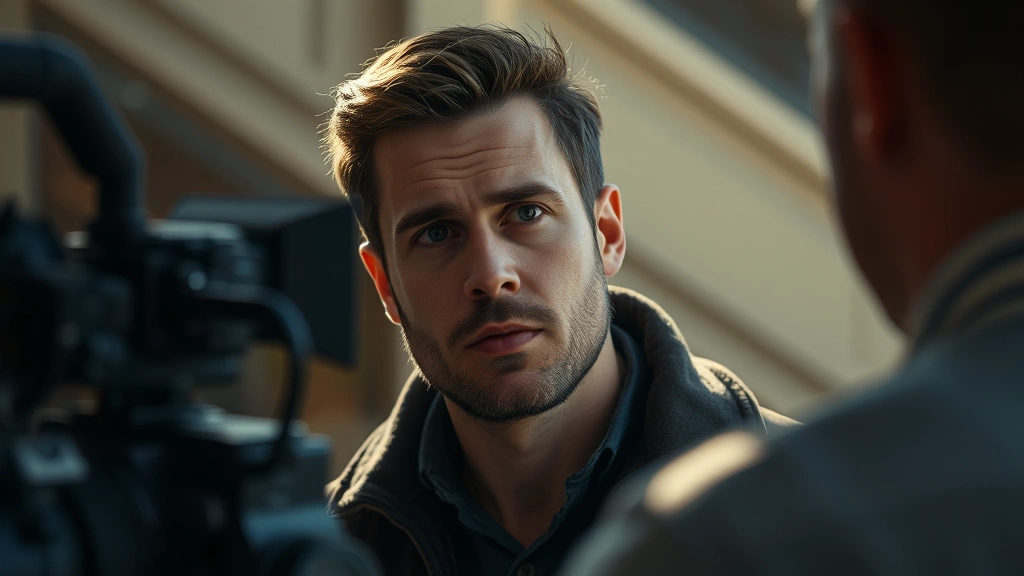
Robert De Niro delivers a nuanced performance as David Callaway, embodying the archetype of the concerned parent while simultaneously projecting underlying instability that viewers only recognize upon reflection. His portrayal requires remarkable restraint—De Niro must convey genuine paternal love while hinting at deeper psychological disturbance without ever tipping his hand. The actor’s extensive experience with complex, morally ambiguous characters served him well here, allowing him to navigate the character’s dual nature with credibility.
Dakota Fanning, then a child actor of remarkable talent, provides the emotional anchor for the entire film. Her performance as Emily oscillates between vulnerability and unsettling eeriness, capturing the confusion and pain of a traumatized child while also suggesting something darker lurking beneath her innocent facade. Fanning’s ability to shift from sympathetic victim to potential threat demonstrates why she emerged as one of the most respected young actresses of her generation. Her scenes with the imaginary Charlie—essentially acting against empty space—showcase technical skill and emotional authenticity that elevates the material.
The supporting cast, including Famke Janssen as a neighbor and Elisabeth Shue as a school counselor, provides grounding perspectives that reflect audience skepticism about Emily’s behavior. These characters serve as rational voices questioning whether Emily’s issues stem from genuine supernatural intervention or psychological disturbance, mirroring the uncertainty viewers experience while watching. The ensemble approach prevents the film from becoming a two-character study, instead creating a community of witnesses to the unfolding psychological horror.
Directorial Vision and Cinematography
John Polson’s directorial approach emphasizes visual storytelling over exposition, using cinematography to convey psychological states and emotional truth. The film’s color palette shifts throughout its runtime—early scenes feature warmer, more natural tones associated with hope and healing, while later sequences adopt cooler, more saturated hues that suggest corruption and decay. This visual progression mirrors David’s psychological deterioration, using the environment itself as an expression of internal mental states.
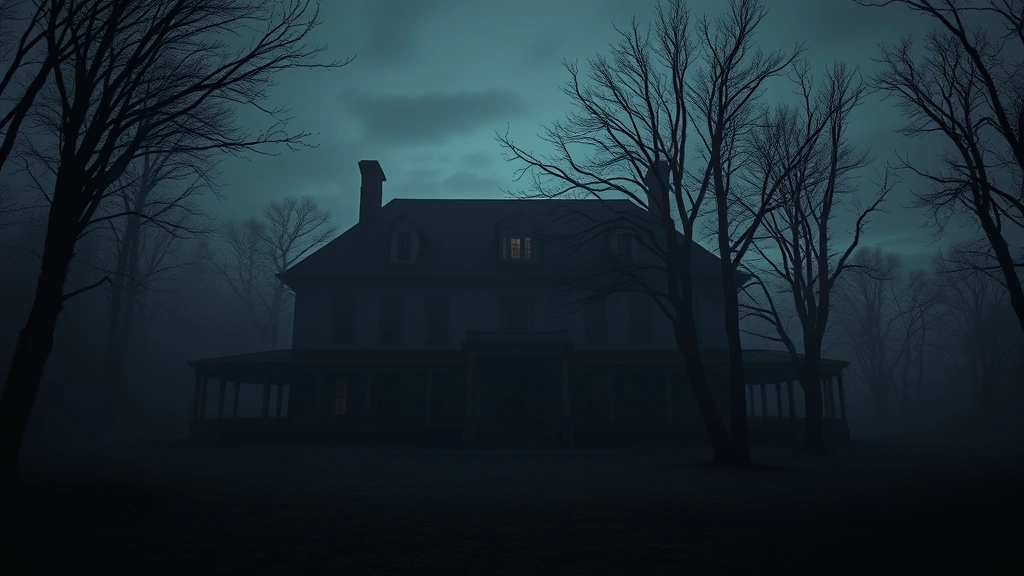
Cinematographer Bojan Bazelli employs thoughtful framing that frequently positions characters in isolation within expansive spaces, emphasizing psychological distance even during moments of physical proximity. Wide shots of the sprawling mansion and surrounding landscape reinforce the family’s isolation while suggesting that external beauty masks internal horror. Interior spaces often feature shadowy corners and obscured backgrounds, creating visual uncertainty that keeps audiences constantly scanning the frame for threats.
The film’s use of sound design deserves particular recognition. The soundtrack, composed by John Debney, incorporates unsettling ambient textures alongside more traditional orchestral horror elements. Silence frequently proves more effective than musical stings, allowing diegetic sounds—creaking floors, distant voices, water running—to generate tension. This sophisticated audio approach demonstrates how horror operates beyond visual spectacle, engaging multiple sensory channels to create comprehensive psychological discomfort.
Psychological Themes and Symbolism
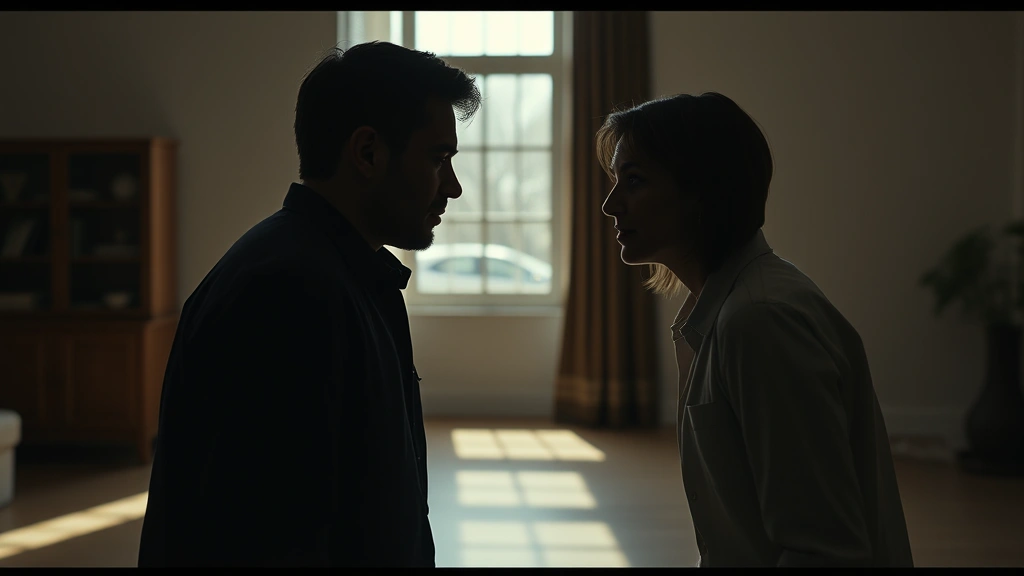
At its core, Hide and Seek explores grief, mental illness, and the masks people wear to function within society. The titular hide-and-seek game becomes a metaphor for the psychological hiding that both parent and child engage in—David hiding his deteriorating mental state behind professional competence and parental devotion, Emily hiding her confusion and pain behind the persona of childhood innocence. The game itself represents the fundamental human tendency to conceal truth, to present false selves to the world while harboring darker impulses beneath the surface.
The imaginary friend Charlie functions as more than a typical invisible companion. In the context of the film’s twist, Charlie represents the fragmentation of personality, the emergence of alternate identity that allows suppressed trauma and rage to manifest. This exploration of dissociative identity disorder and psychological fragmentation places Hide and Seek within a tradition of sophisticated psychological horror that uses genre conventions to examine mental health with surprising depth and nuance.
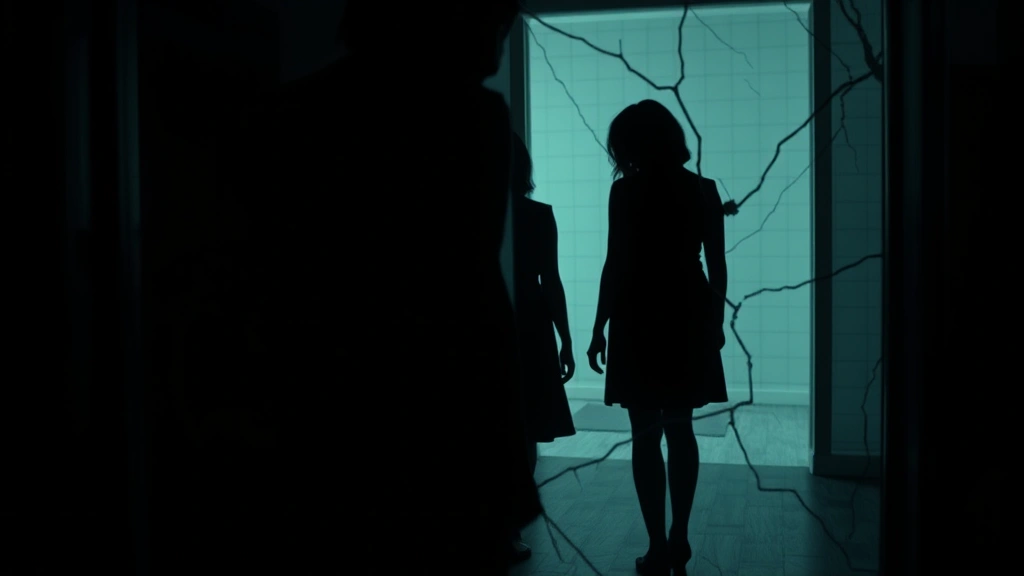
Water imagery permeates the film, particularly references to David’s wife’s drowning suicide. Pools, bathtubs, and water-related scenes recur throughout the narrative, functioning as visual reminders of trauma and loss while also suggesting cleansing and rebirth. The ambiguous relationship between water and death creates symbolic resonance that extends beyond literal plot mechanics, operating on the level of psychological association and emotional truth.
Childhood innocence becomes interrogated throughout the film. The early assumption that Emily represents vulnerable youth requiring protection gradually reveals itself as potentially naive. Hide and Seek challenges viewers’ instinctive associations between childhood and innocence, suggesting that children possess their own psychological complexity and potential for darkness. This thematic complexity elevates the film beyond simple genre entertainment into territory that engages with genuine philosophical questions about human nature and development.
The Twist: Critical Reception
The film’s ending—revealing that David, not Emily, has been the source of horror and that Charlie represents David’s fractured personality—generated significant critical discussion regarding both its effectiveness and its fairness to audiences. Some critics praised the twist as a masterful subversion of audience expectations, arguing that careful viewers could identify subtle hints throughout the film that recontextualize earlier scenes. Others felt the revelation contradicted character development and relied too heavily on withholding crucial information rather than playing fair with the audience.
Upon reflection, the twist’s effectiveness depends substantially on viewer expectations and familiarity with psychological horror conventions. First-time viewers often experience genuine shock, while those attuned to genre patterns might anticipate the revelation earlier. This variable reception actually speaks to the film’s sophistication—it rewards both casual viewing and careful analysis, functioning simultaneously as entertainment and puzzle.
The twist’s implications extend beyond simple plot mechanics. Realizing that David represents the true threat forces viewers to reassess their emotional investment in his character and parental concerns. This retrospective recontextualization—where previous scenes of apparent parental care now suggest sinister motivation—demonstrates how effectively the film manipulates audience perspective. The twist doesn’t simply surprise; it fundamentally alters the emotional and psychological experience of reviewing the entire narrative.
Critics from major publications like Rotten Tomatoes and IMDb offered mixed responses, with some praising the ambition while others criticized the execution. However, the film has experienced critical reassessment in subsequent years, with younger critics and horror enthusiasts recognizing its thematic depth and technical achievement.
Comparisons to Similar Films
Hide and Seek occupies important space within the broader landscape of psychological horror cinema. Its approach to unreliable narration and twist endings invites comparison to films like The Sixth Sense, which similarly withholds crucial information to create surprise revelation. However, Hide and Seek distinguishes itself through its focus on mental illness rather than supernatural phenomena, grounding its horror in psychological reality rather than genre fantasy.
The film also dialogues with earlier works examining fractured identity, particularly Psycho and its exploration of dissociative personality. Where Hitchcock’s classic operates through suspense and shock, Hide and Seek emphasizes psychological atmosphere and emotional manipulation. The films share an interest in how trauma generates psychological fragmentation, but Hide and Seek approaches this material with contemporary understanding of mental illness and contemporary cinematic language.
Thematically, Hide and Seek engages with similar territory as The Shining, another film exploring how isolation and grief can trigger psychological deterioration and family tragedy. Both films use isolated settings to externalize internal psychological states, both employ child characters as vehicles for exploring parental instability, and both generate horror through the collapse of family structures and safety. However, Kubrick’s film emphasizes supernatural ambiguity while Polson commits to psychological naturalism, creating distinct atmospheric experiences despite thematic overlap.
The film also participates in a broader 2000s trend of mainstream horror incorporating psychological complexity and twist endings. Films like The Others and The Ring demonstrated that genre films could achieve both commercial success and critical respect through intelligent storytelling and thematic depth. Hide and Seek represents this movement’s commitment to treating horror audiences as capable of engaging with sophisticated narrative and psychological material.
Cultural Impact and Legacy
Hide and Seek’s cultural impact extends beyond its initial theatrical release, establishing itself as a touchstone reference within horror criticism and discourse. The film appears frequently in discussions of twist-ending horror, often cited as either exemplary or cautionary depending on the critic’s perspective. This continued engagement suggests the film’s material resonates sufficiently to maintain relevance despite changing audience demographics and evolving horror conventions.
For those interested in exploring similar material, examining best movie review sites provides access to diverse critical perspectives on psychological horror and thriller cinema. Additionally, understanding how to become a film critic offers insight into how professional critics evaluate complex films like Hide and Seek.
The film influenced subsequent psychological horror films, demonstrating viability of twist-ending structures within mainstream horror cinema. Its commercial success proved that audiences would embrace genre films with thematic complexity and ambiguous morality. This validation helped establish space for more ambitious horror filmmaking in subsequent years, where psychological sophistication became increasingly expected rather than exceptional.
Hide and Seek also contributed to broader conversations about mental illness representation in cinema. The film’s portrayal of dissociative identity disorder and grief-induced psychological deterioration sparked discussion about how genre films approach mental health. While some mental health advocates criticized aspects of the portrayal, the film’s engagement with psychological complexity demonstrated cinema’s capacity to explore mental illness with seriousness and narrative sophistication.
Contemporary audiences discovering Hide and Seek through streaming platforms and home video appreciate its technical craft and thematic ambition. The film rewards repeated viewing, with subsequent encounters revealing new details and symbolic resonance that initial viewing might miss. This capacity for reinterpretation and discovery maintains the film’s relevance within horror discourse, ensuring continued engagement across generations of viewers.
For those interested in streaming options, free online movie streaming sites frequently include Hide and Seek within their horror catalogues, making it accessible to contemporary audiences. Additionally, exploring movies in high definition allows viewers to experience the film’s cinematography with appropriate visual clarity.
The film’s legacy also encompasses its role in establishing Robert De Niro’s continued relevance within genre cinema. Rather than relegating himself to prestige dramas or action vehicles, De Niro’s willingness to engage with psychological horror demonstrated the genre’s capacity to attract A-list talent. This crossover legitimized horror as worthy of serious actors’ attention, helping establish contemporary horror’s prestige status within industry discourse.
For broader context on horror and thriller cinema, the ScreenVibe Daily blog offers ongoing analysis of genre films and critical perspectives. Understanding Hide and Seek within this broader landscape requires engagement with multiple critical voices and perspectives, all available through comprehensive film criticism resources.
FAQ
Is Hide and Seek appropriate for children?
Hide and Seek carries a PG-13 rating, but the film contains psychological horror elements and disturbing imagery that may prove unsettling for younger viewers. The twist ending involves parental violence and mental illness, themes that require maturity to process. Parents should consider individual children’s sensitivity to horror and psychological themes before viewing.
Does the twist ending hold up on repeated viewings?
Yes, the twist becomes increasingly effective upon repeated viewing. Knowing the revelation allows viewers to recognize subtle hints and character details that foreshadow the ending. Second and third viewings often reveal layers of meaning invisible during initial viewing, making Hide and Seek a film that rewards careful analysis.
How does Hide and Seek compare to The Sixth Sense?
Both films employ twist endings and unreliable narration, but they operate in fundamentally different spaces. The Sixth Sense grounds its twist in supernatural reality, while Hide and Seek commits to psychological naturalism. The Sixth Sense surprises through genre convention subversion, while Hide and Seek surprises through character revelation. Both are effective, but they generate different types of horror experiences.
What does the imaginary friend Charlie represent?
Charlie represents the manifestation of David’s fractured psyche, a separate identity that emerges from his unprocessed grief and mental illness. Charlie functions as the vehicle through which David’s darker impulses and suppressed rage express themselves, allowing him to engage in disturbing behavior while maintaining psychological distance from his actions.
Is the film’s portrayal of mental illness accurate?
Hide and Seek draws inspiration from dissociative identity disorder and grief-induced psychological deterioration, but it takes significant creative liberties for dramatic effect. Mental health professionals have noted both accurate elements and problematic stereotypes within the portrayal. The film should be understood as psychological drama rather than clinical documentation of mental illness.
Where can I watch Hide and Seek?
Hide and Seek is available through various streaming platforms, rental services, and home video formats. Checking movie streaming availability provides current information about where the film can be accessed, ensuring you find it through legitimate channels.