
Table of Contents
Introduction
So you want to make a short film? That’s fantastic—and honestly, it’s not as scary as it might seem right now. Maybe you’ve got a story burning inside you, or perhaps you’re just curious about what happens behind the camera. Either way, creating a short film is one of the most rewarding creative adventures you can embark on. It’s your chance to bring ideas to life, experiment with storytelling, and maybe even discover a new passion along the way.
Short films are having a real moment right now. They’re everywhere—film festivals, streaming platforms, social media. Why? Because they pack a punch. You can tell a complete, powerful story in just a few minutes, and that’s pretty incredible when you think about it. Plus, they’re often the launching pad for bigger things in the entertainment world. Take voice acting, for instance—if you’re curious about how to become a voice actor, you’ll find it’s deeply connected to film production. Voice work brings characters to life in ways that go far beyond what the camera captures.
The entertainment landscape keeps evolving, and it’s pretty exciting to watch. From captivating short films to cutting-edge mobile experiences (check out what’s happening with the best mobile games 2025), storytelling is everywhere. This creates an incredible ecosystem for filmmakers—tons of collaboration opportunities, endless inspiration, and career paths you might not have even considered yet.
Now, I get it. The whole filmmaking process can feel overwhelming at first. Script writing? Casting? Staying on budget? Managing all the technical stuff? These are real concerns, and every filmmaker has been there. But here’s the thing—with some solid planning and a bit of resourcefulness, these challenges become totally manageable. And if you’re interested in exploring the broader creative landscape, looking into fields like game design can give you fresh perspectives on storytelling that might actually enhance your filmmaking approach.
What You’ll Learn in This Guide
This guide is going to take you through the entire process—from that initial spark of an idea all the way to sharing your finished film with the world. We’ll cover the practical stuff you need to know, plus some insider tips that can make all the difference.
- Planning Your Short Film: Learn how to develop a compelling story, write an effective script, and realistically budget and schedule your project for smooth execution.
- Pre-Production Essentials: Understand the importance of casting the right actors, scouting locations that enhance your vision, and assembling the necessary equipment and crew.
- Filming Techniques: Discover best practices for capturing quality footage, managing filming days efficiently, and handling on-set challenges to ensure a professional outcome.
- Post-Production and Distribution: Get insights into editing, adding sound and music, polishing your film with final touches, and strategies to distribute and promote your short film effectively to reach your desired audience.
Along the way, you’ll also discover some valuable resources that expand your understanding of the entertainment world. That guide on voice acting we mentioned? It shows you a specialized side of film production that many people overlook. And exploring careers in game design reveals how storytelling skills can open doors in interactive media—which could lead to some pretty cool future opportunities.
Making a short film is really about three things: embracing your creativity, planning smartly, and taking it one step at a time. This guide will give you the clarity and confidence to move through each phase of the process without feeling lost or overwhelmed.
By the time you finish reading this, you’ll understand not just how to create a short film, but also how you fit into the bigger picture of the entertainment industry. You’ll have skills that could launch you into filmmaking, voice work, game design, or wherever your creative interests take you.
Ready to dive in? Let’s explore this amazing world of short filmmaking together—where your unique stories take center stage and your creative vision finally gets the spotlight it deserves!
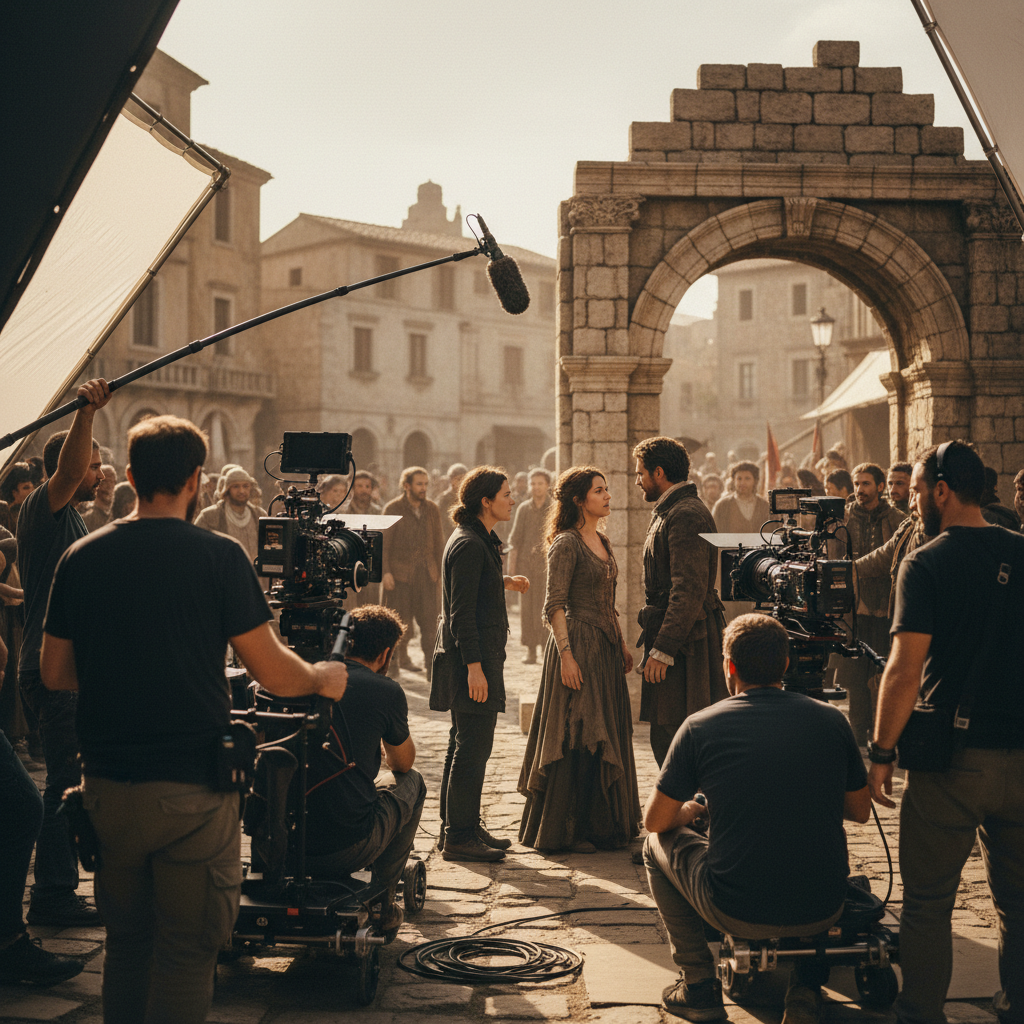
Making a short film? You’re in for quite the ride. It’s one of those creative challenges that’ll test everything—your storytelling chops, your technical skills, and yes, your ability to keep everything from falling apart when things inevitably go sideways. But here’s the thing: with the right approach to planning and pre-production, you can turn what feels like chaos into something truly special. Let’s break down the two phases that’ll make or break your project before you even hit record.
Planning Your Short Film
Here’s where the magic starts—and where a lot of filmmakers either nail it or completely miss the mark. Planning isn’t just about having a good idea (though that helps). It’s about shaping that idea into something that actually works within the brutal constraints of short-form storytelling. Think about it: you’ve got maybe 10-15 minutes to tell a complete story that resonates with people. No pressure, right?
First up: developing your story. This is where you need to be ruthless. Every character, every scene, every moment has to earn its place. You can’t afford the luxury of lengthy character development or complex subplots. Focus on one clear narrative thread and make it count. Your themes need to be sharp, your characters need to pop immediately, and your story arc needs to hit like a perfectly timed punch. And speaking of characters—if you’re working with voice acting, you’ll want to understand how voice acting can enhance storytelling. Trust me, distinctive character voices can make all the difference in a short format where every second matters.
Once you’ve got your story locked down, it’s time to write the script. And let me tell you—writing for short film is its own beast. Every line of dialogue needs to pull double duty. Every action line needs to paint a vivid picture without wasting words. You’ll probably go through more drafts than you’d like to admit, and that’s perfectly normal. Get feedback early and often. Then there’s the practical stuff that’ll keep you sane: budgeting and scheduling. I know, I know—it’s not the fun part. But realistic budgeting means you won’t be eating ramen for three months, and a solid schedule means you won’t be that filmmaker frantically texting actors at midnight. Pro tip: start thinking about complementary marketing strategies during planning. Your future self will thank you when it’s time to get your film seen.
Key Aspects of Planning Your Short Film
These are the non-negotiables that’ll set you up for success:
- Story Development: Craft a narrative that hits hard and fast. Zero in on what your story is really about and strip away everything else. Your characters should have clear motivations that drive every scene forward—no filler allowed.
- Scriptwriting Techniques: Write tight, visual scenes that directors and actors can actually work with. Balance your dialogue and action, use proper formatting (seriously, this matters), and remember: if it doesn’t move the story forward, it doesn’t belong.
- Budget Allocation: Map out every dollar before you spend it. Cast, crew, equipment, locations, post-production, catering—it all adds up faster than you think. And always, always include a contingency fund because something will go wrong.
- Scheduling Logistics: Create a shooting schedule that actually makes sense. Consider everyone’s availability, travel time between locations, and the reality of how long things actually take. Optimistic scheduling leads to stressed-out crews and compromised shots.
With solid planning behind you, you’re ready to tackle the next challenge: turning all those plans into reality. Pre-production is where your project starts feeling real—and where attention to detail makes all the difference.
Pre-Production Essentials
Welcome to the phase where your film starts coming together—or where you discover that your brilliant plan has some serious holes. Pre-production is all about assembly: assembling your team, your equipment, your locations, and your sanity. This is where you move from “wouldn’t it be cool if…” to “okay, we’re actually doing this.”
Casting might be the most important decision you’ll make. Great actors can elevate mediocre material, while the wrong casting can sink even the best script. You’re not just looking for people who look the part—you need actors who understand your vision, work well together, and won’t bail on you two days before shooting. Chemistry matters, especially in short films where relationships need to feel real immediately. Location scouting is another make-or-break element. That perfect spot you found on Instagram might look amazing, but can you actually film there? Is it too noisy? Too expensive? Too far from civilization? Every location decision ripples through your entire production. And don’t even get me started on equipment and crew—having the right tools and the right people to use them can mean the difference between footage you’re proud of and footage you’ll spend months trying to fix in post. By the way, keeping up with trends in entertainment technology can really help you understand what equipment and techniques are becoming standard in the industry.
Your equipment needs to match your ambitions and your budget. Cameras, lighting, sound gear—each piece needs to serve your story and work within your constraints. Building your crew is equally crucial. You need people who know their stuff, show up on time, and can roll with the inevitable changes and challenges. Good crew members don’t just execute tasks—they solve problems and contribute creatively to your vision.
Key Aspects of Pre-Production Essentials
Master these elements and your shoot will run like clockwork:
- Casting Considerations: Run thorough auditions and don’t skip callbacks. Look for actors who bring something special to the role and can work well under pressure. Check references, confirm availability, and make sure everyone’s on the same page about expectations.
- Location Scouting: Visit every potential location in person—photos lie. Check acoustics, lighting conditions at different times of day, accessibility for equipment, and what permits you’ll need. Always have backup options.
- Equipment Procurement: Match your gear to your story’s needs, not your ego. Rent what you can’t afford to buy, test everything before the shoot, and have backup plans for critical equipment. Know your gear inside and out.
- Crew Assembly: Build a team you can trust and communicate with clearly. Define roles and responsibilities upfront, establish a chain of command, and foster an environment where people feel comfortable contributing ideas and raising concerns.

So here we are—you’ve just walked through the entire short film creation process. Pretty exciting, right? Making a short film isn’t just about pointing a camera and hoping for the best. It’s this incredible blend of storytelling, technical know-how, and (let’s be honest) a fair amount of strategic planning that somehow doesn’t make you want to pull your hair out.
We’ve covered everything from that initial spark of an idea to crafting a story that actually makes sense. Then there’s the scriptwriting phase (which, trust me, is harder than it looks), budgeting that won’t break the bank, and all those pre-production details that can make or break your shoot. Finding the right cast? Check. Scouting locations that don’t cost a fortune? Double check. Getting your hands on equipment and assembling a crew who won’t quit halfway through? Triple check.
Once you start rolling camera, all that preparation pays off. But then comes post-production—where the magic really happens. This is where your raw footage transforms into something people actually want to watch. Editing, sound design, color grading—each step polishes your film until it shines. And here’s something many first-time filmmakers overlook: distribution and promotion matter just as much as making the film itself. What’s the point of creating something amazing if no one ever sees it?
Making a short film does something to you. It pushes your creativity in ways you didn’t expect, teaches you skills you never knew you needed, and gives you this confidence to tackle bigger projects. You’re not just completing a project—you’re stepping into the world of entertainment and media with your own unique voice.
Ready to keep that momentum going? Now’s the time to dive deeper into specific skills that can really elevate your work. Take voice acting, for instance—it’s huge in animated films and can add incredible depth to narrative-driven projects. If you’re curious about breaking into this field, our complete guide on how to become a voice actor walks you through everything you need to know.
And here’s something interesting—game design shares a ton of DNA with filmmaking. Same storytelling principles, similar technical challenges, just a different medium. Worth exploring if you want to expand your creative horizons. Check out careers in game design to see what opportunities are out there. Plus, if you want to see how storytelling is evolving in digital spaces, take a look at best mobile games 2025—it’s fascinating how interactive entertainment keeps pushing boundaries.
Look, making a short film is tough. Really tough. You’ll hit roadblocks you never saw coming, budget constraints that make you creative in ways you never imagined, and technical problems that test your patience. But here’s the thing—every challenge is actually an opportunity to learn something new, to get better at your craft, to figure out solutions you can use on your next project.
Trust the process, even when it feels chaotic. Embrace those moments when everything goes wrong because that’s when you discover what you’re really made of. Stay committed to telling your stories—the world needs them. Your filmmaking journey? It’s just getting started. Each project builds on the last, connecting you with other creators who share your passion and opening doors to opportunities you haven’t even dreamed of yet.
Keep creating. Stay inspired. And remember—every great filmmaker started exactly where you are right now, with an idea and the determination to bring it to life.
Frequently Asked Questions
-
How long should a short film be?
- Typically, a short film runs between 1 to 40 minutes depending on the story’s needs and format. Keeping it concise helps maintain audience engagement.
-
What equipment do I need to make a short film?
- At minimum, you’ll need a decent camera, sound recording equipment, and editing software to produce quality footage and polished final edits.
-
Can I make a short film on a small budget?
- Absolutely. Careful planning, resourcefulness, and leveraging affordable or rented equipment can enable you to make a compelling film without overspending.
-
What is the best way to distribute a short film?
- Popular distribution channels include film festivals, online streaming platforms, and social media, all of which help you reach diverse audiences effectively.