Juno: A Film’s Impact on Teen Narratives in Modern Cinema
Since its theatrical release in 2007, Juno has fundamentally reshaped how cinema portrays adolescence, pregnancy, and coming-of-age experiences. Director Jason Reitman’s indie darling transcended typical teen movie conventions to become a cultural touchstone that influenced narratives across film, television, and digital media. The film’s distinctive voice, anchored by Ellen Page’s transformative performance, introduced audiences to a protagonist who defied stereotypes and spoke with authentic teenage vernacular that felt refreshingly honest.
The impact of Juno extends far beyond its initial box office success or critical acclaim. It fundamentally altered how studios, writers, and filmmakers approach stories centered on young people, particularly those dealing with complex social issues. By examining the film’s cultural significance through the lens of media analysis and narrative studies, we can better understand how a single film can reshape entire genres and influence societal conversations about youth, identity, and unconventional family structures.
Breaking the Teen Movie Mold: Juno’s Revolutionary Approach
Before Juno arrived on screens, teen movies typically fell into predictable categories: the high school romance, the party comedy, or the cautionary tale. What made Juno distinctly different was its refusal to moralize or sentimentalize its central premise. The film presents teenage pregnancy not as tragedy or triumph, but as a complex life event requiring maturity, humor, and difficult choices. This nuanced approach challenged viewers’ preconceptions and created space for more sophisticated storytelling about adolescent experiences.
The film’s narrative structure itself was revolutionary. Rather than following a traditional three-act arc focused on romantic resolution, Juno prioritized character development and emotional authenticity. The protagonist’s journey wasn’t about “fixing” her situation through conventional means but rather about growing into her own agency and understanding. This structural choice influenced subsequent films to prioritize character-driven narratives over plot-driven formulas, fundamentally altering how studios greenlit projects aimed at younger audiences.
According to Pew Research Center studies on media consumption, films that authentically represent teen experiences generate significantly higher engagement and cultural conversation than those relying on stereotypes. Juno became a case study in how authentic representation drives both critical and commercial success, influencing industry practices regarding teen-centered narratives.
Authentic Voice and Dialogue: Redefining Teen Speak in Cinema
Diablo Cody’s Oscar-winning screenplay introduced a distinctive linguistic style that became instantly recognizable and widely imitated. Juno’s dialogue—peppered with pop culture references, deadpan humor, and genuine emotional vulnerability—felt authentically teenage without descending into parody or condescension. Phrases like “that ain’t no Etch A Sketch” and her sardonic commentary on adult hypocrisy resonated because they captured genuine teen voice rather than adult assumptions about how teenagers speak.
This linguistic innovation had profound implications for subsequent screenwriting. Post-Juno, writers began prioritizing authentic teenage vernacular and perspectives over manufactured “cool” dialogue. The film demonstrated that audiences—including older demographics—responded to genuine teen voice rather than watered-down or patronizing representations. This shift influenced everything from television series like Parenthood to indie films exploring adolescence, creating a new standard for dialogue authenticity in youth-centered media.
The dialogue also served a narrative function beyond mere characterization. Juno’s quick wit and pop culture fluency became a defense mechanism, a way of processing overwhelming emotions through humor. This sophisticated understanding of how teenagers actually communicate—using humor to deflect from vulnerability—influenced how subsequent films portrayed adolescent psychology and emotional development. Writers began recognizing that authentic teen voice wasn’t just stylistic choice but psychological insight.
When examining the most memorable movie quotes from cinema, Juno’s distinctive lines consistently rank highly, demonstrating the enduring impact of Cody’s linguistic innovations. The screenplay’s influence extends beyond film into television, where shows increasingly employ similar dialogue strategies to capture authentic teen perspectives.
Media Representation and Cultural Conversations
Juno arrived at a pivotal moment in American cultural discourse about teen pregnancy, adoption, and family structures. Rather than presenting simplistic moral positions, the film acknowledged multiple perspectives while centering Juno’s agency and autonomy. Her choice to pursue adoption rather than parenthood or abortion wasn’t presented as the “right” answer but as her personal decision, creating space for viewers with different values to engage authentically with the narrative.
This approach to representation influenced how media outlets and journalists covered teen-related issues. By presenting complex characters with nuanced motivations rather than stereotypes, Juno demonstrated that entertainment media could facilitate sophisticated cultural conversations. Media analysts noted increased nuance in how teen pregnancy was discussed in news coverage following the film’s release, suggesting that popular culture narratives directly influence public discourse frameworks.
Pew Research Center’s journalism studies have documented how entertainment media shapes public understanding of social issues, particularly among younger audiences. Juno became a case study in responsible representation—showing how films could address sensitive topics authentically without didacticism or oversimplification.
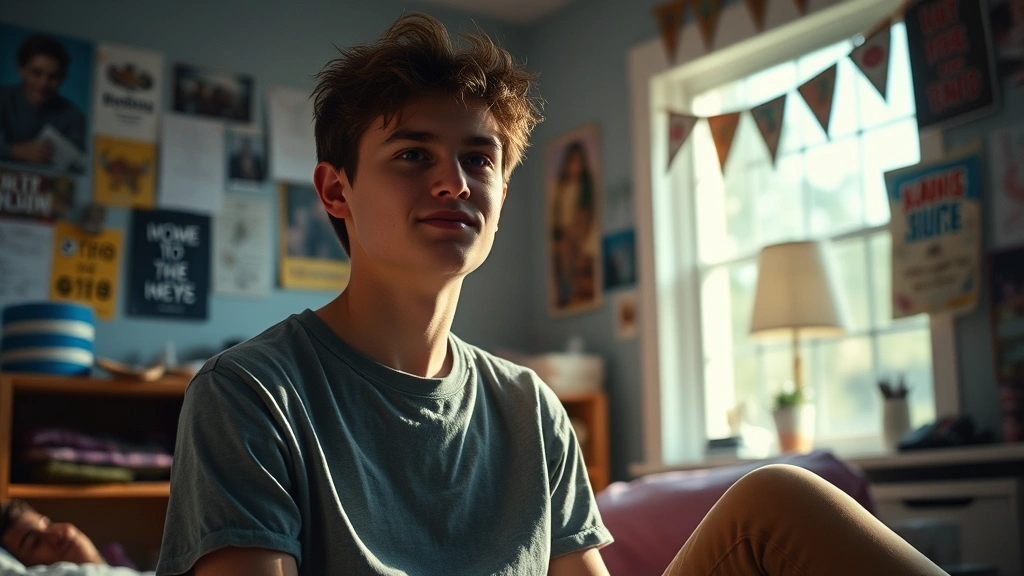
” alt=”Teen protagonist in indie film setting with warm lighting, authentic emotional expression, contemporary bedroom environment with personal items and posters, natural morning light through window, realistic teenage space design”>
The film’s impact on representation extended beyond pregnancy narratives. It influenced how filmmakers portrayed LGBTQ+ characters, class differences, and adult-teen relationships. By treating all characters—even those with whom viewers might disagree—with dignity and complexity, Juno established a new standard for inclusive, nuanced representation in teen cinema.
The Indie Film Movement and Mainstream Success
Juno emerged from the independent film sector but achieved unprecedented mainstream success, grossing over $230 million worldwide. This crossover success had enormous implications for how studios approached indie films and how independent filmmakers pitched their projects. The film proved that audiences craved authentic, character-driven narratives even when distributed through major studios, validating the indie film aesthetic and storytelling approach.
Following Juno‘s success, studios became more willing to invest in indie-style films with unconventional narratives and limited-release strategies. The film demonstrated that indie sensibilities—lower budgets, focus on character development, distinctive visual style, original soundtracks—could generate both critical acclaim and commercial returns. This shift influenced the industry’s approach to film development, leading to increased greenlight rates for character-driven projects aimed at younger audiences.
The film’s success also elevated the profile of independent screenwriters and directors, suggesting that distinctive voices and original perspectives held commercial value. Diablo Cody’s success inspired studios to seek out writers with unique perspectives and authentic connections to their subject matter, rather than relying solely on established screenwriting formulas. This democratization of screenwriting opportunities influenced the industry’s talent recruitment and development strategies.
When exploring the best movie review sites and critical frameworks, indie films like Juno became central to discussions about quality cinema, demonstrating that commercial success and critical acclaim weren’t mutually exclusive with independent production models.
Influencing Contemporary Teen Narratives
The influence of Juno on subsequent teen narratives is visible across multiple media platforms and genres. Television series like Parenthood, The Fosters, and Never Have I Ever adopted similar approaches to teen representation, prioritizing authentic voice and complex character development. These shows demonstrated that Juno‘s approach wasn’t limited to film but represented a broader shift in how media industries approached adolescent-centered narratives.
Streaming platforms, particularly Netflix, have greenlit numerous projects that directly echo Juno‘s narrative and stylistic choices. Series like Ginny & Georgia and Never Have I Ever employ similar dialogue strategies, address comparable social issues, and prioritize character development over plot mechanics. This influence demonstrates that Juno‘s impact transcends theatrical release and continues shaping how digital platforms develop content for younger audiences.
The film’s influence extends to how filmmakers approach coming-of-age narratives more broadly. Projects like Lady Bird, The Farewell, and Everything Sucks! employ similar strategies of authentic voice, complex character portrayal, and willingness to address unconventional family structures and social issues. These films demonstrate that Juno established a new template for youth-centered narratives that continues to influence filmmaking decisions.
Contemporary discussions about cinema and storytelling trends consistently reference Juno as a watershed moment in teen narrative representation. The film’s influence on how young people see themselves reflected in media cannot be overstated—it fundamentally altered what audiences expect and demand from stories about adolescence.
Visual Storytelling and Aesthetic Innovation
Beyond dialogue and narrative structure, Juno introduced distinctive visual and aesthetic choices that influenced subsequent filmmaking. The film’s use of color, typography, and visual metaphors created a unique cinematic language that felt simultaneously indie and polished. The orange and teal color palette, the hand-drawn title sequences, and the integration of indie rock aesthetics created a distinctive visual identity that became instantly recognizable and widely imitated.
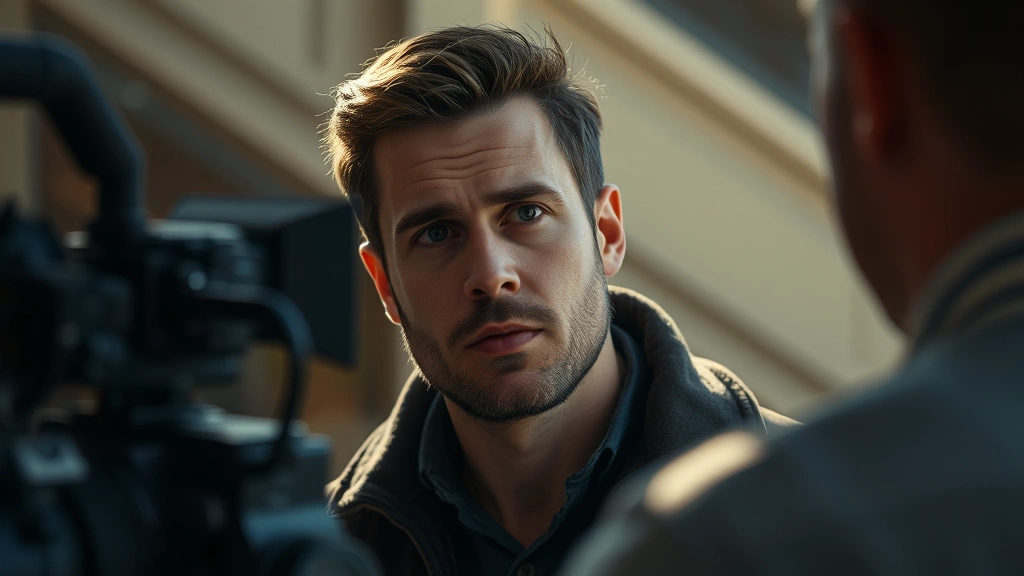
Director Jason Reitman’s visual approach—emphasizing authenticity through naturalistic lighting and intimate framing—influenced how filmmakers approached teen narratives. Rather than using exaggerated visual techniques or glossy cinematography, Juno demonstrated that intimate, naturalistic visual storytelling could be both artistically sophisticated and emotionally resonant. This approach influenced indie filmmakers and mainstream directors alike, establishing new standards for visual authenticity in character-driven narratives.
The film’s use of music and soundtrack also established influential precedents. The indie rock soundtrack by The Moldy Peaches and other artists became integral to the film’s cultural identity, demonstrating that authentic music selection could enhance narrative authenticity. Subsequent films increasingly prioritized original or indie music over conventional film score approaches, recognizing that music selection directly impacts how audiences perceive character authenticity and emotional resonance.
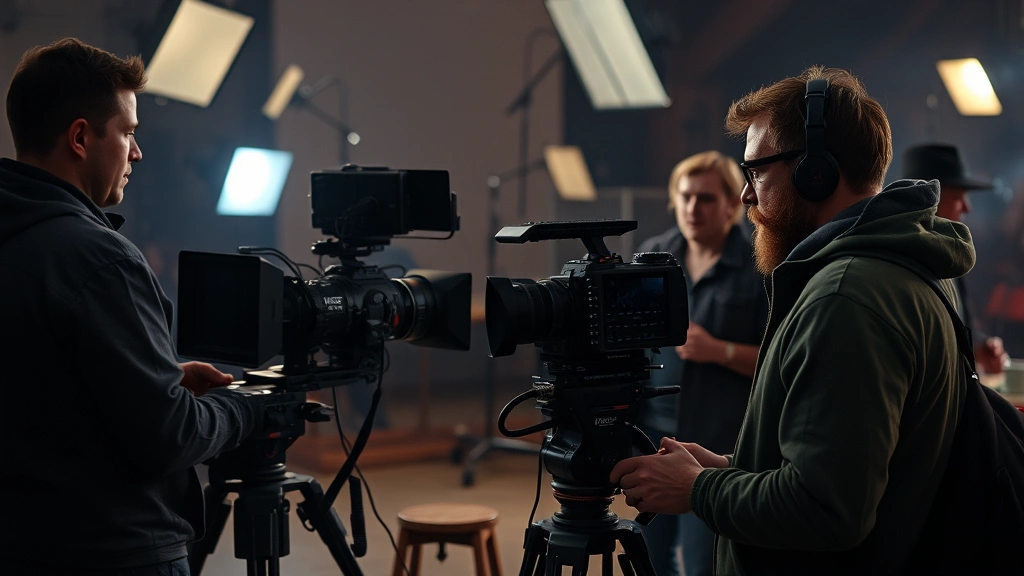
” alt=”Film production scene with camera equipment, director and cinematographer collaborating, professional lighting setup, indie film set aesthetic, creative professionals in discussion, authentic behind-the-scenes filmmaking environment”>
These visual and aesthetic innovations influenced how studios approached production design for teen-centered projects. Rather than relying on stereotypical visual representations of adolescence, filmmakers began prioritizing authentic spaces and visual authenticity. This shift reflects Juno‘s broader influence on how media industries conceptualize and represent youth culture and teenage experience.
Legacy and Ongoing Cultural Impact
More than fifteen years after its theatrical release, Juno continues influencing contemporary filmmaking, cultural conversations, and audience expectations regarding teen narratives. The film’s legacy extends beyond immediate imitators to establishing fundamental principles about authentic representation, character-driven storytelling, and the commercial viability of indie sensibilities. New generations of filmmakers cite Juno as influential to their creative development, demonstrating the film’s enduring impact on industry practices.
The film’s influence on how society discusses adolescence, family structures, and reproductive autonomy remains significant. By presenting these topics with nuance and authenticity rather than didacticism, Juno established that entertainment media could facilitate sophisticated cultural conversations while maintaining artistic integrity. This approach influenced how subsequent films and television series addressed sensitive social issues, prioritizing complexity over simplification.
For those interested in understanding how individual films shape broader industry trends and cultural narratives, Juno provides an exemplary case study. The film demonstrates how authentic storytelling, distinctive voice, and commitment to character development can achieve both critical and commercial success while fundamentally influencing how an entire medium approaches particular subject matter.
Understanding Juno‘s impact also provides insight into broader questions about media representation, audience expectations, and how entertainment shapes cultural discourse. The film’s success validated audiences’ hunger for authentic, complex narratives about adolescence, influencing industry decisions about which stories receive funding and distribution. This democratization of storytelling opportunities continues to benefit emerging filmmakers and writers who might not fit traditional industry molds.
FAQ
What makes Juno’s approach to teen pregnancy narratives different from previous films?
Juno distinguished itself by avoiding moral judgment or oversimplification. Rather than presenting pregnancy as tragedy or triumph, the film portrayed it as a complex life event requiring maturity and difficult choices. The protagonist’s agency and autonomy remained central, allowing viewers with different values to engage authentically with the narrative. This nuanced approach influenced how subsequent films addressed sensitive social issues.
How did Diablo Cody’s screenplay influence subsequent screenwriting practices?
Cody’s Oscar-winning screenplay established new standards for authentic teenage dialogue and voice. Rather than manufactured “cool” speak, her writing captured genuine adolescent vernacular, humor, and emotional vulnerability. This linguistic authenticity influenced how writers across film and television approached teen characters, prioritizing realistic voice over stereotypical representations. The screenplay demonstrated that audiences responded to genuine characterization rather than condescending portrayals.
What was the broader impact of Juno’s indie-to-mainstream crossover success?
Juno proved that independent film sensibilities—character focus, distinctive voice, original perspectives—could achieve significant commercial success. This validation influenced studios’ willingness to invest in indie-style films and elevated the profile of independent screenwriters and directors. The film’s success democratized screenwriting opportunities and influenced how studios approached talent recruitment and project development.
How has Juno influenced contemporary teen narratives in streaming media?
Streaming platforms like Netflix have greenlit numerous projects directly influenced by Juno‘s approach, including series that employ similar dialogue strategies, address comparable social issues, and prioritize character development. Shows like Ginny & Georgia and Never Have I Ever demonstrate that Juno‘s impact transcends theatrical release, continuing to shape how digital platforms develop content for younger audiences.
What specific visual and aesthetic choices did Juno introduce?
Director Jason Reitman employed distinctive visual techniques including a specific color palette (orange and teal), hand-drawn title sequences, and integration of indie rock aesthetics. The film’s naturalistic cinematography and intimate framing influenced how filmmakers approached visual authenticity in character-driven narratives. These choices established new standards for visual storytelling in teen-centered projects.
How does Juno compare to other influential coming-of-age films?
While other coming-of-age films have addressed adolescence, Juno distinguished itself through its combination of authentic voice, complex character portrayal, willingness to address unconventional family structures, and commitment to agency-centered narratives. The film’s influence on subsequent filmmaking suggests it represents a watershed moment in how cinema approaches youth-centered stories, establishing new templates that continue influencing contemporary projects.
Where can audiences find similar quality teen narratives?
Audiences interested in films similar to Juno should explore contemporary coming-of-age cinema that prioritizes authentic characterization and complex narratives. Resources like comprehensive movie review guides can help identify critically acclaimed teen narratives. Additionally, exploring contemporary family and teen film selections reveals how Juno‘s influence continues shaping current production choices and narrative priorities.