Lake Lanier Movie: Fact or Fiction? Filmmaker Insights
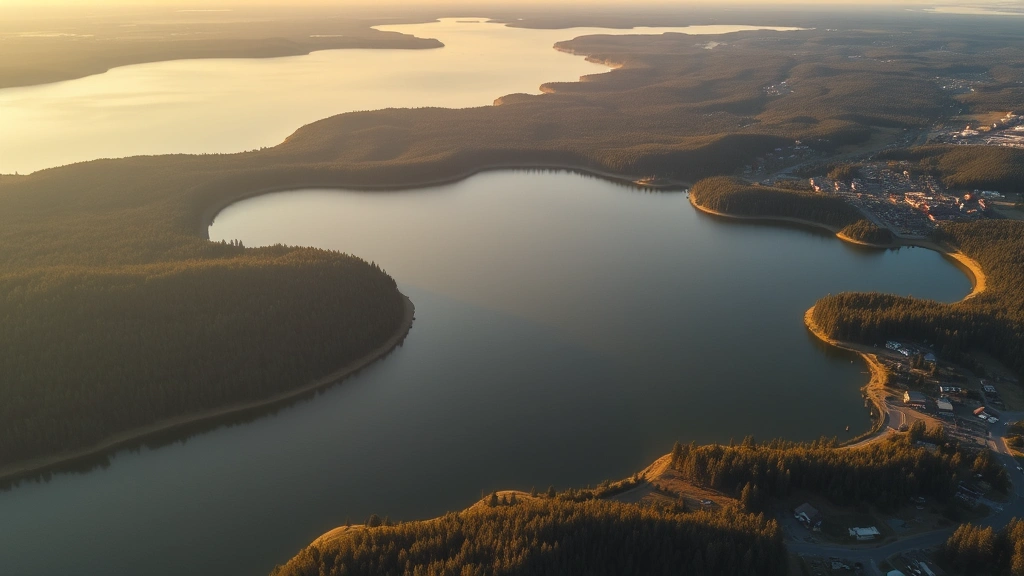
The legend of Lake Lanier has captivated audiences for decades, blending historical tragedy with supernatural intrigue. This Georgia reservoir, created in 1956 by damming the Chattahoochee River, sits atop the former town of Oscarville—a community erased from maps but not from memory. As filmmakers continue exploring this dark chapter of American history, questions persist about what’s documented reality and what’s cinematic embellishment.
The intersection of folklore, historical trauma, and film adaptation creates a complex narrative landscape. Understanding the Lake Lanier story requires separating verified historical events from creative interpretations, examining how documentarians and narrative filmmakers approach sensitive material about displacement, racial violence, and environmental transformation.

The Historical Foundation: What Really Happened at Lake Lanier
Lake Lanier’s creation represents one of America’s most significant forced relocations of the 20th century. When the U.S. Army Corps of Engineers constructed the Buford Dam between 1950 and 1956, they submerged approximately 56,000 acres, displacing over 250 families and completely erasing several communities. Oscarville, a thriving Black community, vanished beneath the water, along with its schools, churches, and businesses.
The documented history reveals systematic erasure rather than mere accident. Property owners received compensation significantly below market value, and African American landowners faced particularly disadvantageous negotiations. Historical records show that while white communities received relocation assistance and community planning support, Black residents were often left to fend for themselves. This disparity wasn’t incidental—it reflected the segregation and discrimination embedded in mid-century American infrastructure projects.
The 1912 drowning death of a young girl in the area became conflated with Lake Lanier folklore, though this incident predated the reservoir’s creation by decades. Contemporary accounts describe multiple drowning deaths in the reservoir itself, leading to Lake Lanier earning the grim designation as Georgia’s deadliest body of water. However, attributing these deaths to supernatural causes rather than environmental factors, inadequate safety infrastructure, and insufficient lifeguard presence represents a significant departure from documented reality.
Researchers studying the historical record find that documented demographic and historical data confirms the forced displacement but documents fewer supernatural incidents than popular folklore suggests. The legend has grown organically through oral tradition, social media amplification, and selective storytelling that emphasizes tragedy over administrative records.

Filmmaker Approaches to Lake Lanier Stories
Documentarians tackling Lake Lanier face fundamental questions about their responsibility to historical accuracy. Several filmmakers have approached the subject through different lenses, each making deliberate choices about emphasis and interpretation.
Documentary filmmakers working on Lake Lanier typically prioritize archival research, interviews with descendants of displaced families, and geographic analysis. They examine property records, census data, and government documents to reconstruct what was lost. This approach emphasizes the verifiable tragedy of displacement while acknowledging folklore as a cultural response to historical trauma.
Conversely, narrative and horror filmmakers treat Lake Lanier as source material for atmospheric storytelling. They recognize that the psychological impact of displacement—the spiritual loss of homeland—translates effectively into supernatural narratives. From a filmmaking perspective, this approach isn’t dishonest; it’s a different genre convention. Just as Kingdom of Heaven reinterprets historical crusades, Lake Lanier horror films reinterpret historical trauma through supernatural frameworks.
The most sophisticated filmmakers acknowledge this distinction explicitly. They present verified historical facts alongside creative interpretations, allowing audiences to understand both what happened and how that history has been culturally processed. This transparency matters because audiences deserve to understand the source material’s authenticity level.
Production teams researching Lake Lanier typically consult with historical consultants familiar with period-specific details, though they may diverge significantly from documented events in service of narrative tension. A filmmaker might accurately depict 1950s segregation-era infrastructure policy while inventing supernatural elements entirely.
Separating Documentary Evidence from Narrative Fiction
Understanding Lake Lanier media requires developing media literacy skills that distinguish between different truth claims. Documentary films assert factual accuracy as their primary obligation. Narrative films, including horror productions, prioritize storytelling coherence. Neither approach is inherently superior—they serve different purposes.
Verified historical facts about Lake Lanier include:
- The 1956 reservoir completion date and submersion of multiple communities
- Documented displacement of over 250 families
- Racial disparities in relocation compensation and assistance
- Multiple documented drowning deaths in the reservoir since its creation
- The existence of Oscarville as a Black community prior to submersion
- Government records showing property acquisition processes
Unverified or embellished claims often include:
- Specific supernatural sightings or ghostly encounters
- Alleged curses affecting the reservoir
- Connections between historical deaths and contemporary drowning patterns
- Claims about specific burial sites or unmarked graves
- Anecdotal reports lacking corroboration from multiple independent sources
The most responsible filmmakers acknowledge this distinction. When reviewing films about historical subjects, media critics increasingly evaluate how accurately productions represent verified information versus creative interpretation.
Research from communication scholars studying media representation of historical trauma indicates that audiences struggle to separate fact from fiction when films blend documentary aesthetics with narrative invention. A film shot in documentary style with documentary-like interviews but fictional supernatural elements can mislead viewers about what’s historically verified.
The Cultural Impact of Lake Lanier Media
Regardless of factual accuracy, Lake Lanier films have significantly influenced how Americans understand both the specific history and broader patterns of infrastructure-driven displacement. The media attention has paradoxically restored visibility to Oscarville and similar erased communities.
Social media amplification has accelerated this process. TikTok videos, Reddit threads, and YouTube documentaries have introduced Lake Lanier history to younger demographics who might never encounter it through traditional educational channels. However, this democratization of information comes with challenges—unverified claims spread as easily as documented facts.
The legend serves important cultural functions. For descendants of displaced families, Lake Lanier folklore validates their ancestral trauma. Stories of haunting represent, symbolically, communities that refuse to be forgotten. From this perspective, supernatural narratives aren’t deceptive—they’re metaphorically accurate expressions of historical injustice.
Filmmakers increasingly recognize this dual significance. A production can simultaneously acknowledge historical facts and honor the emotional truth of displacement through supernatural storytelling. The key distinction is transparency about which claims fall into which category.
Recent productions have begun incorporating journalistic standards for historical verification while maintaining narrative appeal. This hybrid approach—rigorous research combined with creative interpretation—represents evolving best practices in historical storytelling.
Production Challenges and Ethical Considerations
Filmmakers working on Lake Lanier projects navigate complex ethical terrain. Representing displacement and racial trauma requires cultural sensitivity alongside historical accuracy. Several production considerations emerge:
Community consultation and consent matter significantly. Ethical productions consult with descendant communities and seek approval for how their ancestors’ stories are portrayed. This represents a departure from earlier filmmaking practices that treated historical subjects as public domain material.
Location shooting presents practical challenges. Lake Lanier remains an active recreational area, creating tensions between filmmakers’ creative vision and residents’ actual use of the space. Respectful productions acknowledge this ongoing community relationship rather than treating the location purely as a backdrop.
Archival research quality directly impacts credibility. Productions investing in thorough historical research—consulting census records, property documents, oral histories, and academic sources—produce more defensible work than those relying primarily on folklore and speculation.
The relationship between films based on documented source materials and original creative interpretations differs significantly. A film adapting an existing book about Lake Lanier has different obligations than one creating its own narrative from scratch.
Financial considerations also shape production ethics. Lower-budget productions may lack resources for thorough historical consultation, while major productions might prioritize box office appeal over accuracy. Understanding a film’s production budget and timeline provides context for evaluating its research depth.
Several filmmakers have established collaborative relationships with academic historians and community organizations, creating models for more responsible historical filmmaking. These partnerships don’t eliminate creative choices, but they ground those choices in verified information.
FAQ
Is there actually a Lake Lanier movie?
Multiple films and documentaries address Lake Lanier history and folklore. Some are traditional documentaries examining the historical displacement, while others are narrative fiction or horror films using Lake Lanier as atmospheric setting. The term “Lake Lanier movie” encompasses various productions with different truth claims.
What happened to Oscarville?
Oscarville, a Black community in Georgia, was submerged when Lake Lanier reservoir was created in 1956. The community, along with over 250 families, was displaced through government property acquisition. Residents received compensation below market value, and the community was effectively erased from maps and official records.
How many people died in Lake Lanier?
Lake Lanier has documented multiple drowning deaths since its creation, making it statistically dangerous relative to other reservoirs. However, attributing these deaths to supernatural causes lacks evidence. Environmental factors, inadequate safety infrastructure, and insufficient lifeguard presence provide documented explanations.
Are the supernatural stories about Lake Lanier real?
Supernatural claims about Lake Lanier are unverified folklore rather than documented phenomena. These stories likely emerged as cultural responses to the historical trauma of community displacement. While folklore has cultural significance, it shouldn’t be confused with verified historical facts.
How should I evaluate Lake Lanier films?
Examine whether productions distinguish between documented history and creative interpretation. Check whether filmmakers consulted historical sources and community perspectives. Understand the film’s genre—documentary films have different accuracy obligations than narrative fiction. Consult authoritative historical sources to verify specific claims presented in films.
What can I learn from Lake Lanier’s history?
Lake Lanier exemplifies how infrastructure development has historically displaced American communities, particularly communities of color. The case study reveals patterns of inequitable compensation, inadequate relocation assistance, and systematic erasure from official records. Understanding this history informs contemporary discussions about environmental justice and community rights.


