
Matthew Mercer’s Impact: Voice Actor’s Top Roles and Career Evolution
Matthew Mercer has become one of the most recognizable voices in modern entertainment, transcending traditional voice acting boundaries to establish himself as a multifaceted performer across film, television, and interactive media. His journey from anime dubbing to mainstream Hollywood production represents a significant shift in how the entertainment industry values vocal talent and character performance. With over two decades of professional experience, Mercer’s distinctive voice and commitment to character authenticity have made him an invaluable asset to countless productions, earning him a dedicated fanbase that spans multiple generations and media formats.
What distinguishes Mercer from his contemporaries is not merely his technical proficiency or range, but his philosophical approach to voice acting as a legitimate dramatic craft. He treats each role with meticulous attention to emotional nuance, character motivation, and narrative purpose. This dedication has resulted in performances that resonate deeply with audiences, whether they’re experiencing his work through a theatrical release, a streaming platform, or an interactive gaming environment. The breadth of his filmography demonstrates an artist unafraid to take creative risks while maintaining the highest standards of professional excellence.
Critical Breakthrough Roles That Defined a Career
Matthew Mercer’s ascent in the entertainment industry gained significant momentum through several pivotal roles that showcased his versatility and emotional depth. His work as the English voice of Levi Ackerman in Attack on Titan became a watershed moment, introducing him to mainstream anime audiences who appreciated both his vocal control and his ability to capture the character’s stoic complexity. This role demonstrated that Mercer could handle morally ambiguous characters with nuance, delivering performances that enhanced rather than overshadowed the original Japanese production’s artistic vision.
The character work required for Levi represented a departure from comedic or supporting roles that had previously dominated Mercer’s portfolio. Here was an opportunity to anchor a series with a performance that demanded both vulnerability and authority, often within the same scene. Mercer’s interpretation brought psychological depth to the character, suggesting layers of trauma and dedication beneath Levi’s cold exterior. This performance proved to industry professionals and fans alike that voice acting could achieve the same dramatic resonance as live-action performance, challenging outdated perceptions about the medium’s artistic legitimacy.
Beyond anime, Mercer’s role as the voice of Chrom in the Fire Emblem franchise expanded his reach into gaming audiences. This work established him as essential casting for projects targeting both casual and hardcore gaming demographics. His ability to deliver exposition-heavy dialogue while maintaining character authenticity made him invaluable for interactive narratives where player agency demanded flexible, responsive vocal performances. The success of these early breakthrough roles created a foundation that would allow Mercer to pursue more ambitious and experimental projects throughout his career.
Animation Dominance: Building an Anime and Western Animation Empire
Mercer’s work in anime dubbing became particularly significant as the medium gained mainstream recognition in North America. His involvement with multiple high-profile series positioned him as a go-to talent for productions seeking English-language voice actors who understood anime’s distinct performance conventions. Unlike some voice actors who approach dubbing as straightforward translation work, Mercer engages deeply with character development, studying original performances while bringing his own interpretive choices to roles.
His recurring work on series like Castlevania demonstrated his capacity to anchor serialized narratives with consistent, evolving character work. Playing the protagonist across multiple seasons required Mercer to develop a character arc that maintained consistency while responding to narrative developments. This kind of long-form character development distinguishes serious voice acting from one-off performance work, demanding the same commitment to character psychology that live-action dramatic actors provide. The success of Castlevania proved that mature, serialized animation could achieve critical and commercial success with proper vocal casting and direction.
Western animation projects provided Mercer with opportunities to explore comedic timing and ensemble work. His contributions to animated features and series demonstrated range beyond dramatic roles, showcasing his ability to find humor in character-driven situations without resorting to broad vocal affectation. This versatility made him attractive to producers seeking voice actors capable of handling multiple genres and tonal registers within the same project. The variety available on streaming platforms meant that Mercer’s animation work reached audiences across multiple demographics and viewing contexts.
Live-Action and Hybrid Projects: Expanding Beyond Voice
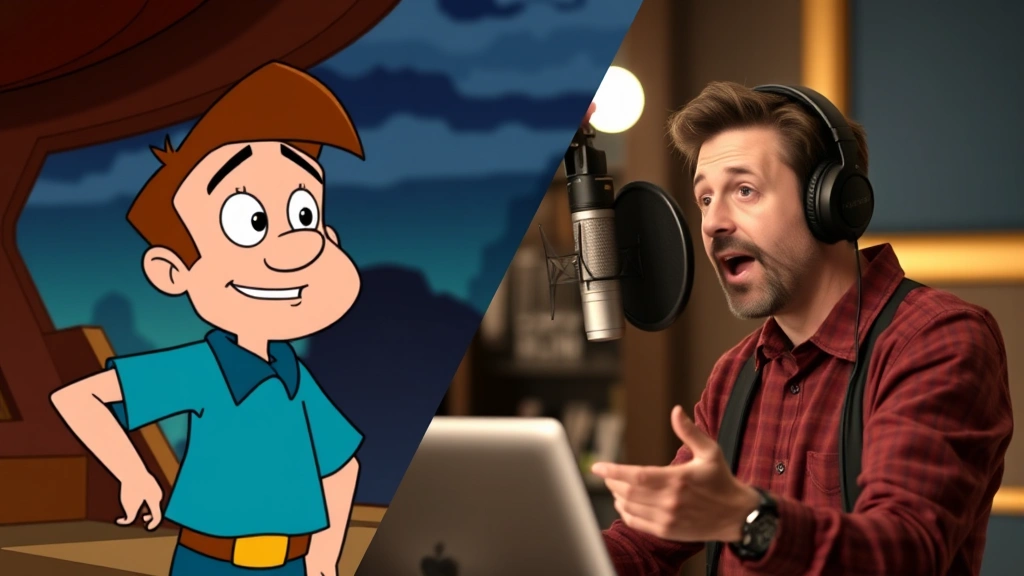
While Mercer built his reputation through voice work, his occasional live-action appearances demonstrated his capabilities as a performer across different mediums. These projects, though less frequent than his voice acting work, revealed an actor comfortable with camera work and on-set collaboration. His willingness to pursue live-action opportunities suggested confidence in his abilities as a complete performer, not merely a vocal talent confined to recording booths and animation studios.
Hybrid projects that combine live-action and animation represent an emerging category where Mercer’s dual expertise proves particularly valuable. These productions require voice actors who understand both mediums’ technical and artistic demands, capable of delivering performances that integrate seamlessly with visual effects and live-action footage. Mercer’s success in these projects indicates a broader industry recognition that the boundaries between voice acting and live-action performance are increasingly permeable. Modern audiences expect consistency and authenticity regardless of whether they’re experiencing character performance through animation or live-action cinematography.
The expansion into live-action work also reflects changing industry perceptions about voice actors’ professional status and capabilities. Historically, voice acting was often treated as a secondary career path or stepping stone to “real” acting. Mercer’s trajectory challenged this hierarchy, demonstrating that voice actors possess legitimate dramatic skills worthy of live-action opportunities. This shift aligns with broader cultural recognition of animation and voice performance as legitimate art forms deserving serious critical and commercial investment.
Critical Reception and Industry Recognition
Industry recognition of Mercer’s work has manifested through awards, nominations, and invitations to prestigious projects. His performances have been analyzed in digital media studies examining voice acting’s role in modern entertainment narratives. Critical appreciation for his work extends beyond fan communities into serious critical discourse about performance quality and character development in animated mediums.
The recognition from film critics and industry professionals validates voice acting as a discipline requiring genuine dramatic training and artistic commitment. When established critics praise Mercer’s work alongside live-action performances, they implicitly acknowledge that performance quality transcends the technical medium through which it’s delivered. This critical validation has contributed to broader industry shifts in how voice acting talent is compensated, credited, and treated within production hierarchies.
Mercer’s influence extends to emerging voice actors who cite his work as inspiration and reference point for professional aspiration. His approach to character development and script analysis has become something of an industry standard, influencing how younger talent approaches voice acting preparation and performance. This generational influence suggests that his impact extends beyond individual performances to shape professional practices and expectations throughout the voice acting community.
Character Analysis: The Mastery of Voice Acting Technique
Analyzing Mercer’s most acclaimed roles reveals sophisticated approaches to vocal characterization that transcend simple accent work or vocal effects. His performance technique involves understanding character psychology, narrative function, and emotional trajectory before finalizing vocal choices. Each character receives distinct vocal qualities—breath patterns, speech rhythm, emotional register—that reflect personality and psychological state.
Consider his approach to characters operating under emotional constraint or psychological trauma. Rather than relying on vocal distortion or exaggerated delivery, Mercer employs subtle modulation—slight tension in vocal quality, carefully controlled breath support, strategic pauses—that suggests internal conflict without explicitly announcing it. This restraint and precision distinguishes professional voice acting from amateur performance, requiring technical control comparable to live-action dramatic acting.
His work demonstrates understanding of how voice acting serves narrative function differently than live-action performance. Without facial expressions, body language, or physical presence, voice actors must convey character information entirely through vocal means. Mercer’s mastery involves maximizing vocal communication while avoiding over-performance that would seem excessive in contexts where audiences can see physical action. This calibration represents a sophisticated understanding of medium-specific performance requirements.
The entertainment analysis available through dedicated coverage often highlights how Mercer’s character work elevates animated narratives beyond what script alone could achieve. His performances frequently become reference points for discussing voice acting excellence, establishing benchmarks against which other voice actors’ work is measured.

The Streaming Era Impact: Voice Acting in Digital Distribution
The rise of streaming platforms has fundamentally altered how voice acting reaches audiences and how the industry values vocal talent. Mercer’s career has evolved alongside these technological and industrial shifts, with his work becoming increasingly central to streaming platforms’ animated content strategies. Major platforms recognize that voice casting significantly impacts audience reception and critical response to animated productions.
Streaming distribution has democratized access to voice-acted content, allowing international audiences to experience Mercer’s work across multiple projects simultaneously. This unprecedented accessibility has elevated his profile beyond traditional voice acting communities into broader mainstream awareness. Audiences can now easily discover his filmography across multiple genres and formats, building comprehensive understanding of his range and capabilities.
The economics of streaming production have also affected voice acting opportunities and compensation structures. While some changes have been beneficial—increased investment in animated content creation, higher production budgets for voice-directed projects—others have created challenges for voice actors navigating new contractual and compensation models. Mercer’s position as an established, highly sought-after talent has allowed him to navigate these transitions more successfully than emerging voice actors entering an increasingly complex professional landscape.
Platforms like Netflix, Amazon Prime, and specialized animation services have invested heavily in original animated content, creating unprecedented demand for skilled voice talent. Mercer’s consistent availability and professional reputation have made him essential casting for flagship projects these platforms use to establish their animated content credentials. His involvement with high-profile streaming productions signals to audiences and critics that a project has received serious creative investment and professional commitment.
FAQ
What was Matthew Mercer’s breakthrough role?
While Mercer had extensive voice acting experience prior, his role as Levi Ackerman in the English dub of Attack on Titan represented a significant breakthrough that introduced him to mainstream anime audiences. This performance demonstrated his ability to handle complex, morally ambiguous characters with psychological depth, establishing him as serious talent worthy of leading roles in major productions. The character’s popularity and Mercer’s acclaimed performance created momentum that led to increasingly prominent opportunities throughout his career.
How many movies and TV shows has Matthew Mercer appeared in?
Mercer’s filmography is extensive, encompassing hundreds of voice acting roles across anime, Western animation, video games, and live-action projects. Precise numbers are difficult to calculate due to the nature of voice acting work, which often includes minor roles, guest appearances, and international dubbing work not widely documented. However, his primary work spans dozens of major productions and hundreds of episodes of serialized content, making him one of the most prolific voice actors in contemporary entertainment.
What distinguishes Matthew Mercer’s voice acting from other professionals?
Mercer’s approach emphasizes character psychology and narrative function over vocal spectacle or technical showmanship. He studies scripts thoroughly, develops detailed character backgrounds, and makes deliberate vocal choices that serve story rather than drawing attention to performance technique. His commitment to authenticity and emotional truth, combined with technical proficiency and versatility, distinguishes his work from voice actors who prioritize vocal effects or comedic exaggeration.
Has Matthew Mercer worked on major Hollywood productions?
Yes, Mercer has contributed voice work to numerous major film and television productions, including high-budget animated features and streaming series developed by major studios. His involvement with flagship animated projects from major platforms and production companies indicates his status as elite-tier voice talent sought out for prestige productions. The ongoing expansion of animated content in mainstream entertainment has created more opportunities for voice actors like Mercer to work on projects with significant budgets and industry visibility.
What impact has Matthew Mercer had on voice acting as a profession?
Mercer’s success and critical recognition have contributed to broader industry legitimization of voice acting as a serious dramatic discipline. His work demonstrates that voice actors deserve comparable professional respect, compensation, and creative input as live-action performers. His influence on emerging talent and industry standards has helped elevate professional expectations throughout the voice acting community, establishing benchmarks for character development, script analysis, and performance quality. The industry coverage of voice acting increasingly reflects this shift toward treating vocal performance as legitimate art worthy of serious critical analysis.
Where can audiences find Matthew Mercer’s work?
Mercer’s filmography is distributed across multiple platforms and media formats. Streaming services host his animated work, gaming platforms feature his interactive performances, and theatrical releases include his film contributions. Audiences interested in exploring his work can access significant portions through comprehensive entertainment databases and platform-specific content libraries. His work appears across anime streaming services, major Hollywood productions, and independent animated projects, making his performances accessible to diverse audiences across multiple viewing contexts and platforms.


