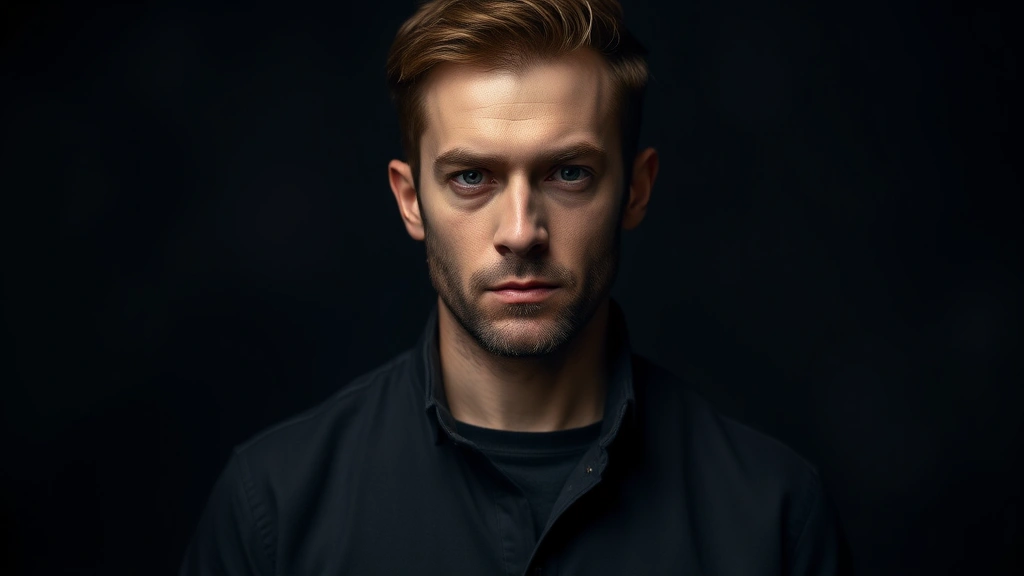
Michael Malarkey’s Best Roles: A Comprehensive Review of His Most Compelling Performances
Michael Malarkey has established himself as a versatile and compelling actor whose career spans television, film, and theater. From his breakthrough role in The Vampire Diaries to his nuanced performances in prestige dramas, Malarkey has consistently demonstrated remarkable range and depth. His ability to inhabit complex characters with authenticity has earned him recognition among critics and audiences alike, making him one of the most interesting actors working in contemporary entertainment.
With a career that has evolved significantly over the past decade, Malarkey has moved beyond the supernatural teen drama that initially brought him fame. He’s taken on challenging roles in independent films, gripping television series, and dramatic projects that showcase his serious acting chops. This comprehensive review explores his most memorable performances, analyzing what makes each role significant and how they collectively demonstrate his growth as an artist.
The Vampire Diaries and Breakthrough Success
Michael Malarkey’s portrayal of Enzo St. John in The Vampire Diaries marked his entry into mainstream television recognition. Introduced in Season Five as a mysterious vampire with a dark past, Enzo quickly became a fan-favorite character. Malarkey brought considerable menace and charm to the role, creating a character whose motivations remained ambiguous even as he navigated the show’s increasingly complex supernatural politics. His performance demonstrated an ability to balance comedic moments with genuine menace, making Enzo unpredictable and compelling.
What distinguished Malarkey’s work on The Vampire Diaries was his capacity to make viewers sympathize with a character introduced as an antagonist. Through subtle facial expressions and carefully modulated line delivery, he conveyed Enzo’s pain and longing beneath the surface bravado. The character’s eventual redemption arc felt earned rather than manipulative, largely due to Malarkey’s nuanced portrayal. His chemistry with the ensemble cast, particularly his dynamic with Nina Dobrev’s Elena Gilbert, created some of the show’s most memorable moments.
The role on The Vampire Diaries established several key elements of Malarkey’s acting approach: his preference for grounding fantastical elements in emotional reality, his ability to find vulnerability in tough characters, and his skill at navigating ensemble dynamics. These characteristics would define much of his subsequent career choices. For those interested in exploring more quality television recommendations, check out our Screen Vibe Daily Blog for additional insights into compelling dramatic television.
Transition to Mature Dramatic Roles
Following his success in the supernatural realm, Malarkey deliberately pursued roles that would challenge him in different ways. His transition to more grounded, realistic drama showcased his ambition to expand beyond the teen drama demographic. This strategic career move reflected a growing trend among actors who use initial success as a platform for more artistically ambitious work.
In projects like Godless, Malarkey demonstrated his capacity for playing morally complex characters in contemporary settings. The Netflix western series allowed him to explore themes of redemption and belonging with considerable sophistication. His performance revealed an actor unafraid of silence and stillness, capable of conveying emotional depth through minimal dialogue. This restraint proved particularly effective in scenes requiring internal conflict, as Malarkey communicated psychological complexity through subtle shifts in expression and body language.
His work in various prestige television projects showed Malarkey’s willingness to take supporting roles that allowed other characters to shine while still making meaningful contributions to the narrative. This collaborative approach to acting speaks to his maturity as a performer and his commitment to serving the story rather than simply showcasing himself. Many critics have noted this quality as a distinguishing feature of his best work, suggesting a performer more interested in the integrity of the project than in personal glory.
Malarkey’s dramatic evolution paralleled broader industry shifts toward complex character development and away from traditional hero-villain binaries. His roles during this transition period consistently featured morally ambiguous characters struggling with difficult choices, reflecting contemporary storytelling preferences. For a comprehensive guide to discovering quality dramatic content, explore our Best Movie Review Sites guide for expert recommendations.
Notable Film Performances
Beyond television, Malarkey has built an impressive filmography that demonstrates his range across different genres and production scales. His film work reveals an actor committed to challenging himself with diverse material, from intimate indie projects to larger-scale productions.
In Resident Evil: The Final Chapter, Malarkey appeared in a major action-horror film that required different performance skills than his dramatic television work. While the film itself received mixed reviews, Malarkey’s contribution demonstrated his ability to function effectively within high-concept action narratives. His scenes showcased a performer capable of delivering exposition clearly while maintaining character authenticity amid explosive action sequences.
Independent films have allowed Malarkey to explore character work in more intimate settings. These projects, often featuring smaller budgets and tighter creative control, provided opportunities for the kind of detailed character exploration that distinguishes great acting from merely competent performance. His commitment to independent cinema reflects a genuine artistic interest rather than simple career pragmatism, suggesting a performer who values creative fulfillment alongside commercial viability.
Malarkey’s film choices indicate careful consideration of script quality and character depth. He has consistently avoided taking roles simply for paycheck purposes, instead selecting projects that offered genuine creative challenges. This selective approach has built him a reputation as a serious actor within the industry, respected by directors and peers for his professionalism and dedication to the craft. For those seeking quality film recommendations, visit our Movies HD section for curated selections.
Television Depth Beyond the Supernatural
Malarkey’s television work post-The Vampire Diaries has demonstrated remarkable versatility across different genres and narrative styles. His appearance in Grimm, another supernatural series, showed his ability to bring gravitas to genre television while maintaining the show’s tonal balance. Unlike his breakout role, his work in Grimm
His recurring role in Legends of Tomorrow presented yet another variation on supernatural television, this time within the DC Comics universe. Malarkey navigated the show’s blend of science fiction, comedy, and drama with considerable skill, demonstrating his capacity to modulate performance based on shifting tonal requirements. This work exemplified an actor who understands how to serve different creative visions while maintaining consistent character integrity.
What distinguishes Malarkey’s approach to television is his understanding that ensemble work requires different skills than lead roles. He consistently makes strong choices that support the overall narrative while creating memorable moments for his characters. His scenes often feature careful listening and reactive work that creates natural dynamics with scene partners. This collaborative approach has made him a valued ensemble player, frequently invited back for recurring and guest appearances.
The breadth of Malarkey’s television work reveals an actor engaged with the medium’s possibilities rather than viewing it as merely a stepping stone to film. His performances demonstrate respect for television as a storytelling form, with its own unique requirements and opportunities. For additional television recommendations and analysis, explore our 123 Movies platform for streaming options.

Character Analysis and Performance Style
Examining Malarkey’s best roles reveals consistent patterns in his approach to character development. He gravitates toward roles featuring internal conflict, characters whose external presentations mask deeper complexity. His performances typically emphasize psychological realism, avoiding broad gestures in favor of subtle emotional communication.
Malarkey’s acting style reflects influence from contemporary naturalistic performance traditions. He favors understatement over theatrical expression, allowing dialogue and situation to carry dramatic weight rather than relying on performative flourishes. This approach proves particularly effective in intimate scenes and moments requiring emotional vulnerability. His ability to convey pain, longing, and regret through minimal external display distinguishes his work from more traditionally trained actors.
His character choices frequently involve men struggling with trauma, guilt, or existential uncertainty. Whether playing supernatural beings grappling with their nature or human characters confronting moral ambiguity, Malarkey consistently explores how past experiences shape present behavior. This thematic consistency suggests an actor drawn to material exploring psychological depth and character transformation.
The technical aspects of Malarkey’s performances deserve particular attention. His use of vocal modulation creates texture without calling attention to itself. He varies pace and volume naturally, responding to emotional states rather than imposing predetermined patterns. His physicality reflects character psychology, with posture and movement conveying emotional states and social positioning. These technical elements work together seamlessly, creating performances that feel authentic and unmanufactured.
Recent Projects and Career Evolution
Malarkey’s recent career trajectory shows an actor continuing to pursue challenging material while gradually increasing his profile. His work in prestige projects indicates growing recognition within the industry of his abilities and professionalism. Directors and showrunners appear increasingly interested in casting him in substantial roles that showcase his dramatic capabilities.
His recent television appearances demonstrate continued commitment to character-driven narratives. Rather than chasing high-profile roles in major franchises, Malarkey has maintained his selective approach to project choice. This strategy, while potentially limiting commercial exposure, has preserved his artistic integrity and allowed him to pursue roles genuinely interesting to him as a performer.
The evolution of Malarkey’s career offers interesting insights into contemporary entertainment industry dynamics. His trajectory from supernatural teen drama to serious dramatic work parallels broader audience maturation and shifting entertainment consumption patterns. His success in making this transition suggests both his talent and the industry’s increasing recognition that actors from genre television can deliver serious dramatic performances.
Looking forward, Malarkey appears positioned for continued growth as an actor. His combination of technical skill, emotional intelligence, and professional reliability makes him an attractive collaborator for quality projects. Whether he eventually transitions to leading roles in major productions or continues building a distinguished career through carefully selected character work remains to be seen. What seems certain is his continued commitment to challenging himself artistically. For recommendations on quality family entertainment, explore our Best Family Movies 2025 guide for diverse viewing options.
Industry analysts from Pew Research Center have documented shifting viewing patterns that favor character-driven narratives and ensemble television, trends that align perfectly with Malarkey’s career positioning. Additionally, The Hollywood Reporter has tracked the emergence of “supporting player” actors who have built substantial careers through selective role choices rather than pursuing stardom. Variety’s coverage of casting trends shows increased interest in actors like Malarkey who can anchor ensemble narratives while supporting lead characters.
FAQ
What was Michael Malarkey’s breakthrough role?
Michael Malarkey’s breakthrough role was Enzo St. John in The Vampire Diaries, where he appeared from Season Five onward. This role introduced him to mainstream audiences and established his reputation as a skilled character actor capable of bringing depth to supernatural narratives.
Has Michael Malarkey appeared in major films?
While Malarkey has appeared in notable films including Resident Evil: The Final Chapter, his career has primarily focused on television work. He has also appeared in various independent films that allowed for more intimate character exploration.
What types of roles does Michael Malarkey typically pursue?
Malarkey tends to gravitate toward complex, morally ambiguous characters with psychological depth. He frequently plays men struggling with trauma, guilt, or existential questions, preferring character-driven narratives to high-concept action stories.
How has Malarkey’s career evolved since The Vampire Diaries?
Following his success in The Vampire Diaries, Malarkey deliberately pursued more mature dramatic roles in prestige television projects and independent films. He has become increasingly selective about project choice, prioritizing artistic integrity over commercial opportunity.
What distinguishes Malarkey’s acting style?
Malarkey’s approach emphasizes naturalistic performance and psychological realism. He favors subtle emotional communication over theatrical expression, using minimal gestures and careful vocal modulation to convey character depth and internal conflict.
Is Michael Malarkey still actively working?
Yes, Malarkey continues to work in television and film, pursuing carefully selected projects that offer genuine creative challenges. His recent work demonstrates continued commitment to character-driven narratives and quality storytelling.


