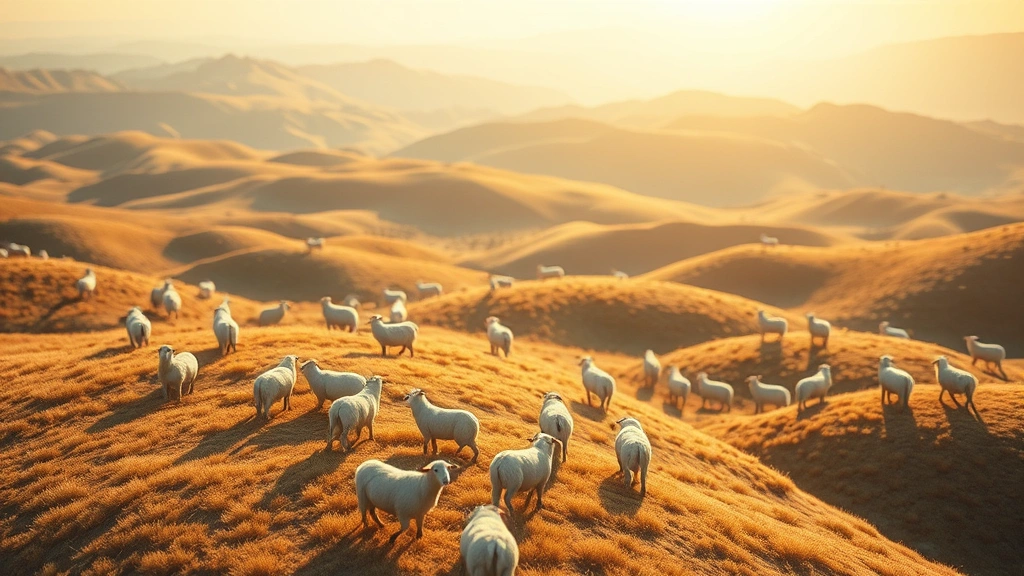
The Minecraft Movie represents one of the most ambitious video game adaptations in recent cinema history, bringing the blocky, creative universe of one of gaming’s most beloved franchises to the silver screen. With a production timeline that has seen multiple delays and creative overhauls, the film has become the subject of intense speculation among fans and industry analysts alike. One of the most intriguing aspects of the promotional discourse surrounding the movie centers on an unexpected focal point: the humble sheep.
In a move that has generated considerable buzz across digital media platforms and entertainment communities, the filmmakers have positioned Minecraft’s iconic sheep as a potential scene-stealer. This narrative choice reflects broader trends in how video game adaptations approach source material, balancing fidelity to beloved gaming mechanics with cinematic storytelling demands. The sheep, a ubiquitous presence in Minecraft’s sandbox gameplay experience, has become emblematic of the film’s commitment to honoring the game’s unique aesthetic and charm while translating it into a live-action format.
As we examine the Minecraft Movie’s approach to character design, narrative integration, and the role of seemingly minor game elements, we uncover insights into modern blockbuster filmmaking, transmedia storytelling, and the evolving relationship between gaming culture and mainstream cinema. The sheep question becomes a window into understanding how this adaptation navigates the delicate balance between commercial appeal and creative authenticity.

The Minecraft Phenomenon and Film Adaptation Challenges
Minecraft’s ascent to cultural prominence represents an unprecedented phenomenon in gaming history. Since its initial release in 2011, the sandbox title has accumulated over 300 million copies sold across all platforms, making it the best-selling video game of all time. This staggering commercial success has created both tremendous opportunities and formidable challenges for filmmakers attempting to translate the game’s essence into cinematic form.
The core appeal of Minecraft lies in its open-ended creativity and player agency. Unlike narrative-driven games with predetermined storylines, Minecraft thrives on emergent gameplay—players construct their own experiences within a procedurally generated world. This fundamental design philosophy creates a unique adaptation problem: how do you create a compelling three-act narrative structure around a game that deliberately eschews traditional storytelling frameworks?
The decision to feature sheep prominently in marketing materials and, presumably, in the film itself suggests the filmmakers have embraced a strategy of leveraging the game’s iconic imagery and creature designs as anchors for emotional resonance. According to Pew Research Center’s analysis of gaming demographics, Minecraft players span from young children to adult players, creating a multigenerational audience that the film must simultaneously satisfy. The sheep, instantly recognizable to this diverse demographic, serves as a bridge between the gaming experience and cinematic storytelling.
The adaptation process has required the filmmaking team to make significant creative decisions about what elements of the game translate effectively to film. Film critics and reviewers have historically noted that the most successful game adaptations succeed by understanding the emotional core of their source material rather than attempting literal translations of gameplay mechanics.
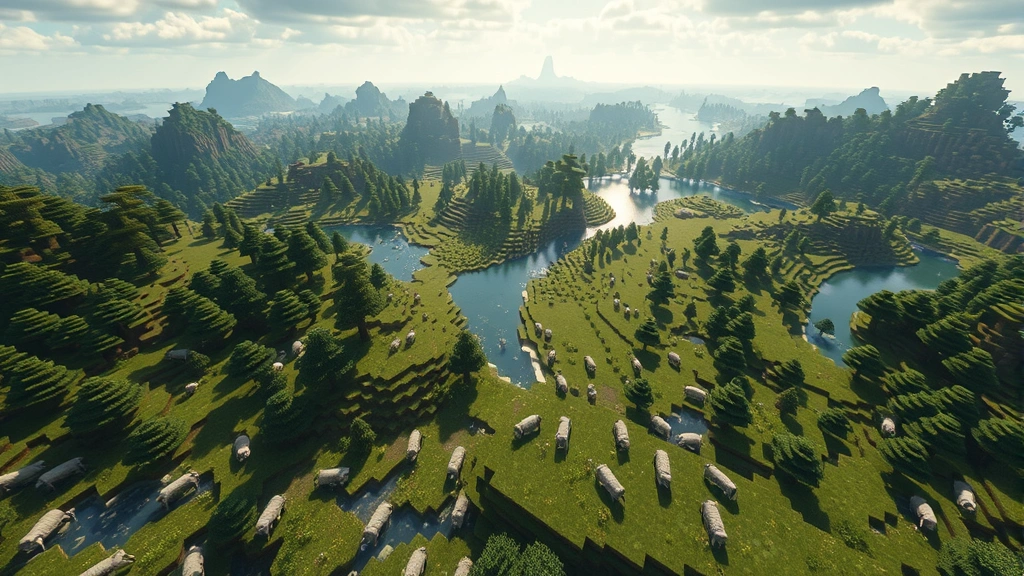
Sheep as Cultural Icons in Gaming
Within Minecraft’s ecosystem, sheep occupy a unique position in player consciousness. These blocky, wool-covered creatures represent far more than mere resource nodes in the game’s economy. They embody the game’s philosophy of accessible gameplay, gentle progression, and the satisfaction of simple resource gathering that forms the foundation of survival mode experiences.
The sheep’s prominence in Minecraft gameplay stems from several practical and thematic factors. Early in survival mode, players need wool to craft beds—a critical survival necessity. This interaction creates an early positive association with sheep as helpful, non-threatening entities. Unlike hostile mobs such as zombies or creepers, sheep present no danger to players, making them emotionally safe subjects for younger audiences and newcomers to the game.
From a visual design perspective, Minecraft’s sheep are masterpieces of minimalist aesthetics. Their simple geometric forms—a cubic body, stubby legs, and a woolly texture—have become instantly recognizable symbols of the game itself. The sheep’s appearance in promotional materials for the movie suggests the filmmakers recognize their potential as visual shorthand for Minecraft’s distinctive aesthetic identity. In translating this design to live-action or photorealistic animation, the creative team faces the challenge of maintaining the geometric charm while creating something that reads convincingly on screen.
The cultural significance of Minecraft sheep extends beyond gameplay mechanics into the realm of community expression. Players have created countless sheep-focused content, from fan art to elaborate sheep farms in multiplayer servers. This grassroots cultural phenomenon indicates that sheep have transcended their mechanical function to become beloved characters in their own right, worthy of prominent placement in a major motion picture.
Character Design and Visual Translation
The transformation of Minecraft’s distinctive blocky aesthetic into cinematic form represents one of the film’s primary creative challenges. The movie’s visual approach—whether utilizing live-action, CGI animation, or hybrid techniques—fundamentally shapes how creatures like sheep appear on screen.
Several visual strategies have emerged in video game adaptations when dealing with stylized source material. The fidelity approach attempts to maintain the original design’s essential characteristics while adding realistic detail and dimension. For Minecraft sheep, this might involve preserving their cubic forms and simple color palette while adding texture, lighting, and dimensional depth that work within a cinematic context.
Alternatively, the reinterpretation approach uses the original design as inspiration while significantly reimagining it for live-action or photorealistic contexts. This strategy allows filmmakers greater creative freedom but risks alienating audiences invested in the source material’s visual identity. The presence of sheep in marketing materials suggests the filmmakers have chosen a middle path—honoring the character’s iconic status while making necessary adjustments for cinematic credibility.
The sheep’s wool texture presents particular technical considerations. In Minecraft, wool appears as a simple, flat-colored surface. In a cinematic context, wool must read as a tangible material with realistic light interaction, depth, and tactile quality. Modern visual effects technology enables filmmakers to create convincingly realistic wool while maintaining visual references to the game’s simpler aesthetic.
Color design also carries significance. Minecraft’s default sheep appear in white, though the game features colored variants in pink, purple, cyan, gray, brown, and other hues. The choice of which sheep variant appears prominently in the film carries subtle messaging about tone and thematic emphasis. A white sheep evokes innocence and purity, while a darker variant might suggest a more morally complex narrative.
Narrative Role and Story Integration
The most intriguing question surrounding the Minecraft Movie’s sheep concerns their narrative function. Will they serve as background worldbuilding elements, or do they play active roles in advancing the plot? The promotional emphasis on sheep suggests they merit more than mere set dressing.
Several narrative possibilities present themselves. Sheep could serve as emotional anchors for protagonist characters, providing moments of gentleness and connection in what might otherwise be a action-driven narrative. In a film adapting a creative sandbox game, such moments of quiet contemplation and simple joys could provide valuable tonal variety and character development opportunities.
Alternatively, sheep might function as comedic elements, leveraging their non-threatening nature and simple behavior patterns for humor. Minecraft players frequently encounter sheep behaving in amusing ways—getting stuck on terrain features, gathering in unexpected locations, or producing wool in unconventional colors. These recognizable behaviors, translated to film, could generate audience laughter while reinforcing the movie’s connection to the gaming source material.
A more ambitious narrative approach would position sheep as thematic representatives of Minecraft’s core philosophy. The game’s emphasis on peaceful, creative gameplay stands in contrast to survival challenges and hostile encounters. Sheep, as gentle creatures that exist outside the game’s combat systems, could embody the peaceful creative spirit that defines Minecraft for many players. This thematic function would elevate sheep beyond mere creatures to philosophical symbols within the film’s narrative framework.
The ScreenVibe Daily Blog’s coverage of entertainment adaptations frequently highlights how successful films ground their narratives in character relationships and emotional stakes. Sheep in the Minecraft Movie might provide these grounding elements, offering audiences relatable, non-threatening characters to invest in emotionally.
Marketing Strategy and Audience Expectations
The decision to emphasize sheep in the Minecraft Movie’s marketing represents a sophisticated understanding of audience psychology and transmedia engagement. Marketing teams recognize that Minecraft’s player base comprises diverse demographics with varying levels of investment in the gaming narrative.
For younger viewers unfamiliar with Minecraft’s deeper mechanics, sheep serve as immediately endearing mascot characters. Their gentle appearance and non-threatening nature make them ideal ambassadors for introducing audiences to the film’s world. Promotional imagery featuring sheep helps establish the movie’s tone as accessible and family-friendly rather than dark or overly complex.
For established Minecraft players, sheep in promotional materials function as authenticity signals. Their presence indicates the filmmakers have invested in understanding and respecting the source material’s visual language. This recognition validates fan investment in the game and suggests the film will honor what players love about Minecraft rather than completely reimagining it.
The sheep-focused marketing also leverages memetic potential. Minecraft sheep have generated substantial user-generated content across social platforms, from TikTok videos to Reddit discussions. By centering sheep in promotional campaigns, the filmmakers tap into existing community conversations and encourage further organic sharing. This strategy amplifies marketing reach while building anticipation within gaming communities.
Industry analysts have noted that successful video game movie adaptations often succeed by embracing rather than downplaying their source material’s distinctive characteristics. The Hollywood Reporter’s entertainment coverage demonstrates that audiences increasingly appreciate adaptations that celebrate gaming culture rather than apologizing for it.
Industry Precedents in Game Adaptations
The Minecraft Movie’s approach to character prominence and visual translation exists within a broader context of video game adaptation history. Examining previous successes and failures provides valuable perspective on why sheep might represent a sound creative choice.
The Sonic the Hedgehog film franchise initially stumbled by significantly redesigning the titular character in ways that alienated the fanbase. The subsequent redesign to honor the game’s aesthetic proved crucial to the film’s commercial and critical success. This precedent demonstrates that audiences value fidelity to source material’s iconic characters, even when translating between mediums.
Conversely, the Detective Pikachu film succeeded partly through its willingness to reimagine Pokémon designs for photorealistic contexts while maintaining their essential character identities. The film’s success with both gaming audiences and general audiences suggests that respectful reinterpretation of beloved characters can work effectively in cinema.
The Super Mario Bros. Movie (2023) achieved commercial success through a strategy of balancing fidelity to gaming source material with cinematic storytelling demands. The film’s treatment of familiar characters and environments offers instructive parallels for the Minecraft adaptation. By maintaining visual and thematic connections to the games while creating original narrative content, the film satisfied both nostalgic players and new audiences.
These precedents suggest that the Minecraft Movie’s emphasis on sheep reflects lessons learned across the video game adaptation industry. Iconic characters and creatures, even seemingly minor ones, deserve prominent treatment when they carry significant meaning within their source material’s culture and gameplay experience.
Production Design and World-Building
Beyond individual character design, sheep play important roles in establishing the visual language and worldbuilding of the Minecraft Movie’s cinematic universe. The presence of sheep in diverse environments signals the film’s commitment to creating a fully realized world that feels authentic to Minecraft’s aesthetic.
Production designers face the challenge of translating Minecraft’s distinctive visual style—characterized by voxelated terrain, bright primary colors, and geometric simplicity—into cinematic environments that feel spatially coherent and visually engaging. Sheep, with their simple forms and recognizable silhouettes, provide valuable visual anchors within these complex environments.
The tradition of adapting beloved source material into film demonstrates that successful productions maintain thematic and aesthetic consistency throughout their visual presentation. Sheep scattered throughout the film’s environments serve this consistency function, repeatedly reminding audiences of the Minecraft world’s distinctive character while providing visual breathing room between action sequences.
Minecraft’s biome system—diverse environmental regions including forests, deserts, mountains, and oceans—creates opportunities for sheep to appear in varied contexts. Seeing sheep in different biomes reinforces the film’s world-building scope while allowing audiences familiar with the game to recognize environmental references. This approach transforms sheep from simple creatures into worldbuilding tools that ground the cinematic narrative within the game’s established geography.
The decision to feature sheep in production design also reflects practical filmmaking considerations. Creatures that don’t require extensive animation or special effects resources allow production teams to allocate budgets toward more demanding visual elements. Sheep, with their simple geometric forms, likely require less complex animation than more intricate creatures, making them efficient choices for frequent appearance throughout the film.
Additionally, sheep provide opportunities for visual composition variety. Their presence allows cinematographers to create diverse shot compositions—wide landscape shots featuring sheep herds, intimate character moments with individual sheep, or dynamic scenes incorporating sheep movement. This compositional flexibility contributes to maintaining visual interest across the film’s runtime.
FAQ
Will the Minecraft Movie sheep actually steal the show?
Whether sheep become scene-stealers depends on the film’s narrative structure and character development. If the screenplay positions sheep as emotionally resonant characters with meaningful interactions with protagonists, they could indeed become audience favorites. However, if they serve primarily as background elements, their impact will remain secondary to main characters. The marketing emphasis suggests the filmmakers believe sheep have considerable potential to engage audiences.
How will Minecraft sheep look in live-action or photorealistic animation?
The film likely employs CGI animation or hybrid live-action/CGI techniques to render sheep. Modern visual effects technology allows creators to maintain the geometric charm of Minecraft’s design while adding realistic texture, lighting, and dimensional depth. The challenge involves balancing fidelity to the game’s iconic aesthetic with cinematic credibility and viewer immersion.
Do Minecraft players expect sheep to play important roles?
Minecraft’s player base has varied expectations based on individual gaming experiences. Casual players may appreciate sheep as recognizable, endearing creatures. Hardcore players might expect sheep to reflect game mechanics like wool harvesting or breeding. The film likely attempts to balance these expectations by incorporating both literal gameplay references and original creative interpretations.
How do sheep compare to other creatures in the Minecraft Movie?
Sheep occupy a unique position as non-hostile creatures within Minecraft’s ecosystem. Unlike hostile mobs that pose survival threats, sheep represent the game’s peaceful, creative potential. This positioning likely gives sheep different narrative and thematic roles compared to more dramatic creatures, making them valuable for establishing the film’s tonal range.
What does the sheep focus reveal about the film’s overall approach?
The emphasis on sheep suggests the filmmakers prioritize honoring Minecraft’s distinctive aesthetic and player culture. Rather than abandoning the game’s iconic visual language for a generic fantasy setting, the film appears committed to celebrating what makes Minecraft unique. This approach indicates confidence in the source material’s cinematic potential and respect for the gaming community’s investment in the franchise.
Could sheep become merchandise opportunities?
Absolutely. Iconic film characters often drive substantial merchandise revenue. Sheep plushies, toys, apparel, and collectibles could become significant commercial products alongside traditional movie merchandise. The marketing focus on sheep may reflect calculated recognition of their merchandising potential alongside narrative and thematic considerations.
How does the sheep narrative fit within broader gaming adaptation trends?
Contemporary video game adaptations increasingly succeed by embracing rather than downplaying their source material’s distinctive characteristics. Forbes coverage of gaming entertainment trends demonstrates audience appetite for adaptations that celebrate gaming culture authentically. The Minecraft Movie’s sheep-centric approach reflects this industry-wide shift toward source material respect.
Will casual audiences understand sheep significance?
Yes, sheep require no gaming knowledge to appreciate. Their gentle nature, endearing appearance, and peaceful behavior make them universally relatable characters. The film likely structures sheep narratives to work for both gaming enthusiasts and audiences unfamiliar with Minecraft, ensuring broad appeal across diverse demographics.