Billy Lynn’s Impact: A Cinematic Analysis
Billy Lynn’s Long Halftime Walk stands as Ang Lee’s most technically audacious and thematically complex work—a film that challenged Hollywood conventions while exploring the fractured experience of modern warfare and celebrity. Released in 2016, this adaptation of Ben Fountain’s acclaimed novel transcends typical war cinema by interrogating how America processes trauma, heroism, and the commodification of soldiers in the media age.
The film’s ambitious technical approach, shot in 3D at 120 frames per second, created a visceral viewing experience that divided critics and audiences. Yet beyond its groundbreaking cinematography lies a profound meditation on identity, belonging, and the impossible reconciliation between authentic sacrifice and manufactured patriotism. Understanding Billy Lynn’s cultural significance requires examining its technical innovations, narrative structure, thematic depth, and lasting influence on contemporary cinema.
Technical Revolution and Format Innovation
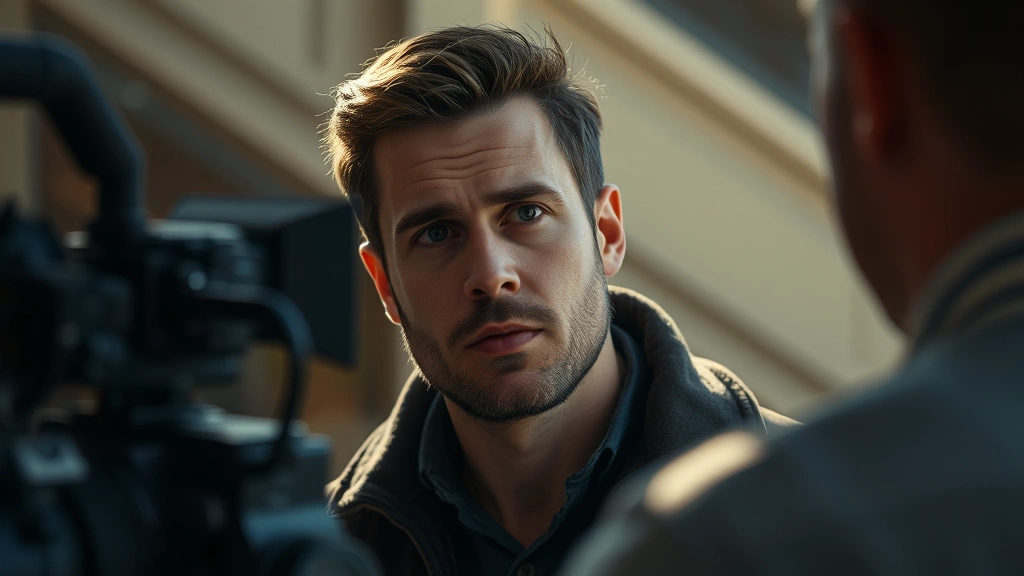
Ang Lee’s decision to shoot Billy Lynn’s Long Halftime Walk in 4K 3D at 120 frames per second represented a watershed moment in cinema technology. This format, which Lee had previously explored in The Hobbit films as a cinematographer, fundamentally altered how audiences experience film narrative. The high frame rate creates an unsettling clarity that forces viewers into immediate presence—there’s nowhere to hide in the image, no soft-focus refuge where the eye can rest.
The technical specifications created significant distribution challenges. Most theaters lacked projection systems capable of displaying the film at Lee’s intended specifications, forcing many viewers to experience a downconverted version at standard frame rates. This technological gatekeeping inadvertently created a metaphor for the film’s central conflict: the gap between authentic experience and mediated representation, between what actually occurs and how it’s consumed by mass audiences.
The 120fps approach generated considerable debate within the film community. Proponents argued it eliminated motion blur and created unprecedented visual clarity, while detractors claimed it made everything look like high-definition television rather than cinema. Film analysis communities extensively discussed whether the format enhanced or undermined narrative immersion. The answer, ultimately, depends on whether one views clarity as revelation or violation of cinematic convention.
Lee’s technical ambitions extended beyond frame rate. The 3D cinematography wasn’t merely decorative—it functioned as a narrative tool, creating spatial relationships that emphasized alienation and connection simultaneously. During battlefield sequences, the dimensional depth amplified disorientation. During the halftime spectacle, it transformed the stadium into a suffocating labyrinth of commercial excess. The format became inseparable from thematic content.
Narrative Structure and Source Material
Ben Fountain’s 2012 novel provided Lee with rich source material exploring American contradictions through the eyes of an 19-year-old soldier. The film compresses the narrative into a single day—the Thanksgiving halftime show at a Dallas Cowboys game—creating temporal pressure that mirrors the psychological compression of warfare into celebrity spectacle.
The screenplay, adapted by Jean-Christophe Castelli, maintains Fountain’s satirical edge while adapting the novel’s interior monologue into visual and performative language. Billy’s consciousness becomes visible through camera movement, editing choices, and the spatial relationships Lee establishes between characters. Rather than explaining Billy’s alienation through exposition, the film demonstrates it through compositional choices that isolate him within crowded frames.
The halftime walk itself functions as both literal event and metaphorical journey. As the soldier and his platoon traverse the stadium, they move through layers of American mythology—from corporate hospitality suites to the field itself to media gauntlets. Each space presents different versions of heroism, patriotism, and authenticity. The critical consensus on narrative adaptation recognized Lee’s success in translating literary introspection into cinematic language.
The film’s structure resists conventional three-act architecture. Instead, it operates through accumulation—each encounter adds psychological weight, each commercial interaction increases alienation. The narrative builds toward no traditional climax but rather toward recognition of irreconcilable contradiction. Billy cannot simultaneously be authentic and celebrated, genuine and marketable, traumatized and heroic. The film’s refusal to resolve this tension constitutes its deepest artistic achievement.

Thematic Exploration of Modern Warfare
Beyond technical innovation, Billy Lynn’s Long Halftime Walk articulates something profound about contemporary American relationship with military service. The film explores how warfare becomes mediated through entertainment, how soldiers transform into content, and how authentic trauma becomes incompatible with public celebration.
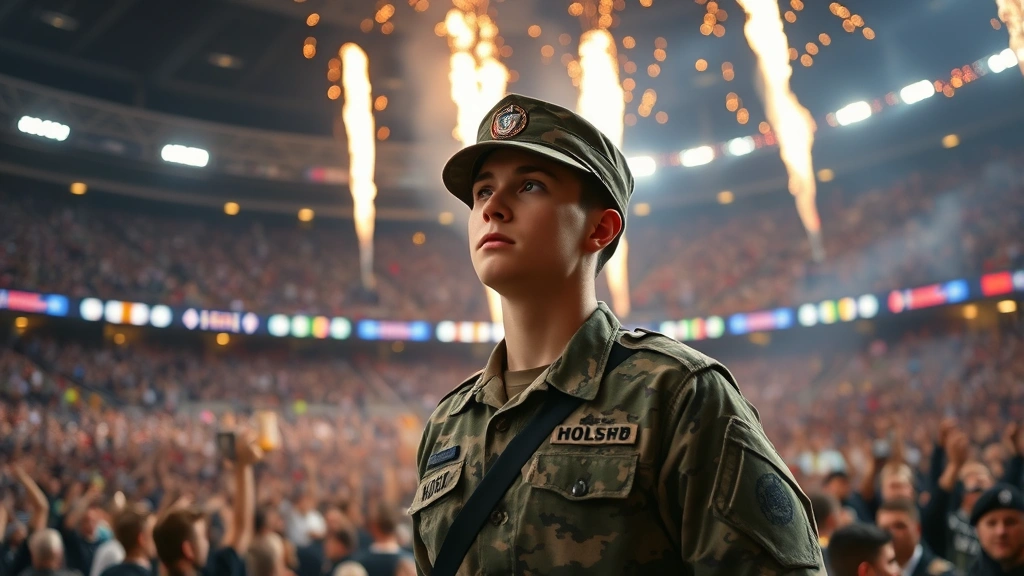
The halftime show sequences function as sustained critique of spectacle as national religion. The elaborate choreography, pyrotechnics, and patriotic pageantry create cognitive dissonance when juxtaposed against Billy’s actual combat experience. The film doesn’t condemn the spectacle morally—rather, it illustrates how spectacle and authenticity operate in fundamentally incompatible registers. Americans want to celebrate soldiers without confronting what soldiering actually entails.
Lee’s film also examines the economics of heroism. Corporations, media outlets, and entertainment entities compete to monetize Billy’s combat service. Every interaction presents an opportunity for branding, marketing, or content generation. The soldiers exist not as human beings requiring support but as narrative resources to be extracted and deployed. This critique extends beyond military service to broader questions about how contemporary capitalism transforms all human experience into commodifiable content.
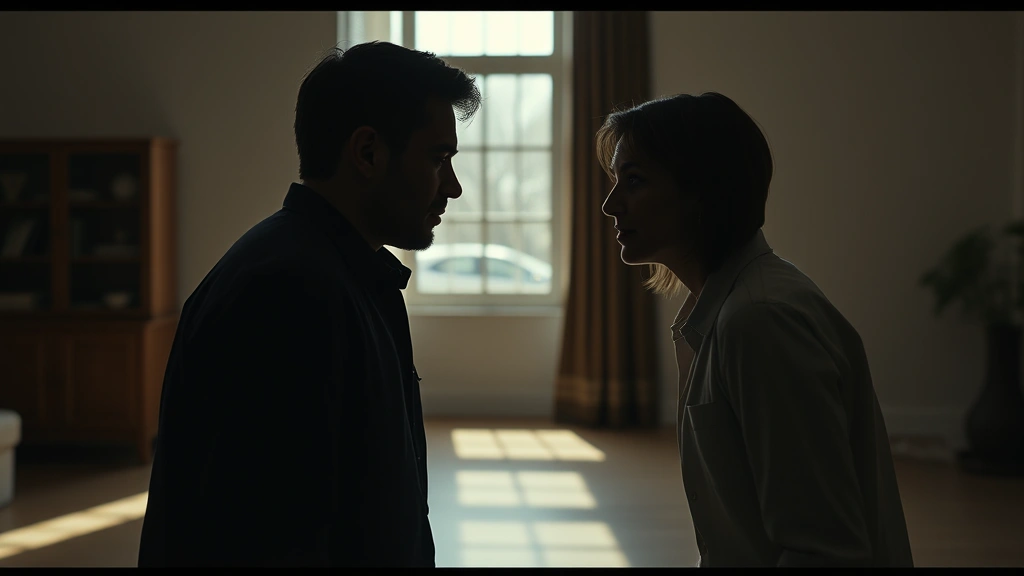
The family dynamics within the film complicate its anti-war messaging. Billy’s father, played by Steve Martin, represents a particular American masculinity struggling to articulate pride in his son while recognizing the systemic failures that sent him to war. These conversations never reach resolution—they circle around the impossibility of reconciling parental love with institutional violence. When exploring films adapted from literary sources, Billy Lynn stands out for maintaining the novel’s refusal of easy answers.
The film’s engagement with trauma operates on multiple levels. Obvious PTSD symptoms manifest in Billy’s hypervigilance and emotional numbness, but the film explores subtler manifestations—the inability to communicate genuine experience, the erosion of authentic selfhood through repeated commodification, the gap between how others perceive heroism and how soldiers experience combat. Lee refuses to sentimentalize trauma or offer redemptive narrative arcs.
Performance and Character Development
Joe Alwyn’s portrayal of Billy Lynn captures the particular exhaustion of a young person forced into premature adulthood. Alwyn doesn’t play trauma as dramatic intensity but as absence—Billy moves through the film like someone partially evacuated, present physically but psychically elsewhere. His performance validates Lee’s technical approach; the 120fps clarity reveals micro-expressions and emotional fluctuations that might disappear at standard frame rates.
The supporting cast creates a gallery of American archetypes. Garrett Hedlund’s Sergeant Shroom embodies a particular masculine vulnerability—the soldier attempting to maintain unit cohesion while processing his own psychological fragmentation. Kristen Stewart’s Faison brings intelligence and skepticism to her role as a journalist attempting to access authentic narrative beneath official military narratives. Steve Martin’s father character represents generational confusion about how to honor sacrifice while questioning its necessity.
The performances operate within Lee’s formal constraints rather than against them. The 120fps format eliminates traditional cinematic artifice, demanding that actors communicate through behavioral authenticity rather than dramatic manipulation. This creates unusual viewing experiences—scenes feel simultaneously hyperreal and emotionally distant, as if we’re observing human beings with forensic clarity while remaining unable to fully connect emotionally.
The ensemble dynamics reinforce thematic content. The platoon functions as a family unit with its own internal tensions, hierarchies, and loyalties. Yet the film also illustrates how military brotherhood becomes complicated when soldiers return to civilian contexts where their shared trauma becomes incomprehensible to outsiders. Each character attempts to process the halftime experience through different psychological frameworks, creating a polyphonic exploration of how identical events generate radically different meanings depending on perspective.
Reception and Critical Analysis
Billy Lynn’s commercial performance disappointed industry expectations, earning approximately $31 million worldwide against an estimated $84 million budget. This financial underperformance reflected multiple factors: limited theatrical availability of the 120fps format, audience unfamiliarity with high frame rate cinematography, and marketing challenges inherent in promoting a thematically complex meditation on military service and American spectacle.
Critical reception proved more nuanced. While mainstream critics appreciated Lee’s formal ambitions, some dismissed the high frame rate as gimmicky or distracting. Film scholars and cinematography specialists, however, recognized the technical achievement and thematic integration. The film generated extensive discussion about the future of cinema technology and whether innovations should serve narrative or operate as independent artistic statements.
Research from Pew Research Center on media consumption patterns contextualizes Billy Lynn’s reception within broader shifts in theatrical exhibition. As streaming platforms gained market share and theatrical experiences became increasingly event-driven, films demanding intellectual engagement and thematic patience struggled commercially. Billy Lynn arrived at a moment when cinema audiences increasingly fragmented along lines of accessibility and entertainment preference.
The film’s exploration of media representation found particular resonance in academic and critical circles. Entertainment journalism extensively analyzed how Billy Lynn critiqued the very media systems reviewing it. This meta-textual dimension added interpretive complexity—the film wasn’t merely about military service but about how contemporary media transforms all human experience into consumable narratives.
When considering approaches to film criticism, Billy Lynn presents particular challenges and opportunities. The film resists traditional evaluative frameworks by refusing to offer clear thematic conclusions or emotional resolutions. Critics must engage with ambiguity, technical innovation, and thematic complexity simultaneously.

Lasting Cultural Impact
Despite commercial underperformance, Billy Lynn’s Long Halftime Walk exerts significant influence on contemporary cinema discourse. The film demonstrated that technological innovation need not serve escapist entertainment—it can instead interrogate and complicate audience experience. Directors working in 3D, virtual reality, and emerging formats frequently reference Lee’s approach.
The film’s thematic concerns remain persistently relevant. Questions about how nations process military service, how media commodifies human experience, and how spectacle replaces authentic engagement with complex realities only intensified since 2016. Billy Lynn functions as cultural artifact documenting a particular moment while addressing permanent features of American ideology.
Within film history, Billy Lynn occupies a unique position—a commercially unsuccessful but artistically significant work that influenced critical conversation disproportionate to its box office returns. The film demonstrates that cinema’s value cannot be measured solely through financial metrics. Its technical innovations, narrative sophistication, and thematic depth continue generating scholarly analysis and critical reassessment.
The film also influenced how subsequent filmmakers approached military subject matter. Rather than following traditional war film conventions, contemporary directors increasingly interrogate the gap between authentic experience and mediated representation, between how soldiers process trauma and how nations memorialize service. Billy Lynn established a template for this critical approach.
For audiences encountering the film years after release, Billy Lynn often generates reassessment. The high frame rate technology that initially proved divisive now appears prescient—as cinema continues adopting higher frame rates and enhanced clarity, Lee’s formal choices gain retrospective validation. The film’s critique of media spectacle and celebrity culture intensified rather than diminished through subsequent years of social media proliferation and influencer economy expansion.
FAQ
What is the significance of the 120fps format?
The 120 frames per second format creates unprecedented visual clarity that eliminates motion blur and conventional cinematic softness. Lee employed this technology to generate immediate presence and eliminate traditional cinematic artifice, forcing viewers into uncomfortable psychological proximity with characters. The format functions thematically—the hyperclarity mirrors Billy’s hypervigilance and the disorienting brightness of the halftime spectacle.
How does the film differ from the novel?
The film compresses the novel’s narrative into a single day, intensifying temporal pressure and psychological concentration. While Fountain’s novel extensively explores Billy’s interior monologue, the film translates this interiority into visual language, camera movement, and spatial relationships. The adaptation maintains thematic fidelity while adapting literary techniques into cinematic vocabulary.
Why was the film commercially unsuccessful?
Multiple factors contributed: limited theatrical availability of 120fps projection technology, audience unfamiliarity with high frame rate cinematography, marketing challenges in promoting thematically complex material, and broader shifts toward streaming platforms. The film’s refusal of conventional emotional resolution also limited mainstream appeal.
What does the halftime walk represent?
The halftime walk functions as both literal event and metaphorical journey through layers of American mythology. Each space presents different versions of heroism, patriotism, and authenticity. The progression through corporate hospitality, the field, and media gauntlets illustrates how soldiers navigate incompatible demands for simultaneous authenticity and celebration.
How has the film’s reputation evolved since release?
Initial mixed reception has evolved toward greater appreciation for Lee’s technical ambitions and thematic sophistication. As cinema technology continues advancing toward higher frame rates and enhanced clarity, Billy Lynn’s formal choices appear increasingly prescient. The film’s critique of media spectacle and celebrity culture gained resonance through subsequent years of social media expansion.