Why “Orca” Film Resonates: Expert Review
The 1977 film Orca has maintained a peculiar grip on cinema culture for nearly five decades, transcending its initial mixed critical reception to become a fascinating case study in creature-feature filmmaking. Directed by Michael Anderson and starring Richard Harris as the obsessed Captain Nolan, this maritime thriller explores themes of revenge, environmental consciousness, and the thin line between hunter and hunted. What makes Orca particularly intriguing is how it operates simultaneously as B-movie spectacle and philosophical meditation on human arrogance in the natural world.
Unlike many exploitation films from its era, Orca presents a surprisingly nuanced narrative that challenges audiences to sympathize with the antagonist—a killer whale seeking vengeance for the destruction of its family. This inversion of traditional monster-movie dynamics, combined with Ennio Morricone’s haunting orchestral score, creates an emotional depth that resonates with contemporary viewers increasingly concerned about environmental destruction and animal rights. The film’s enduring appeal stems from its willingness to interrogate human morality through the lens of animal perspective, a revolutionary approach for mainstream cinema in the late 1970s.
Historical Context and Production Background
Orca emerged during a fascinating moment in Hollywood history when the success of Jaws (1975) had created a feeding frenzy for aquatic creature features. Producers hoped to capitalize on audiences’ newfound appetite for ocean-based terror, yet the film’s development revealed ambitious artistic intentions beyond mere cash-grab sequelization. Michael Anderson, known for his work on Around the World in 80 Days, brought legitimacy and technical expertise to what could have been a disposable monster movie.
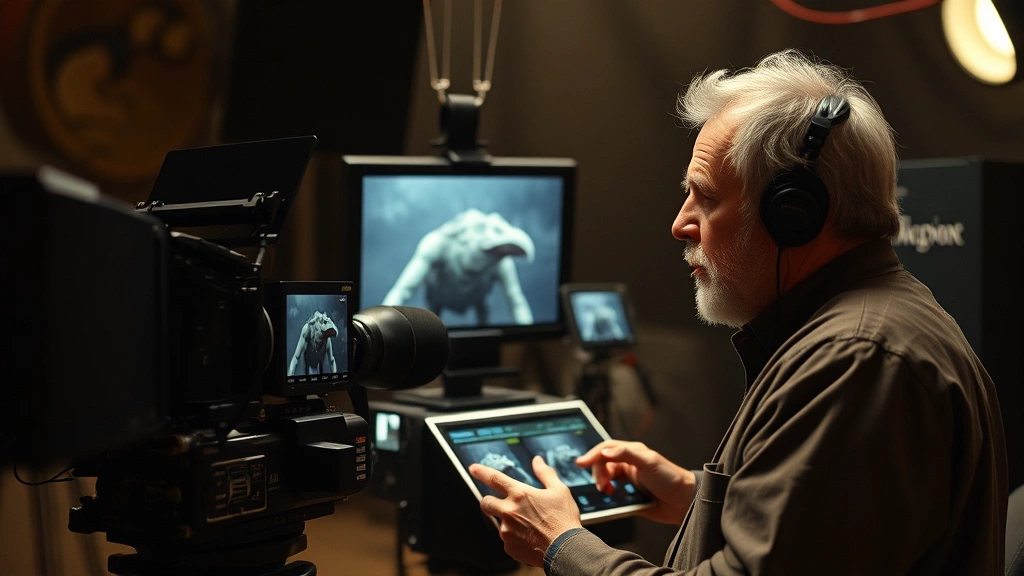
The production faced substantial challenges, particularly regarding the practical effects work required to bring the orca to life. In an era before digital animation became standard, filmmakers relied on mechanical puppets, scale models, and creative cinematography to portray the massive marine mammal. These practical limitations, while sometimes resulting in unconvincing sequences, paradoxically contributed to the film’s haunting quality. The orca’s artificial movements possess an uncanny, almost supernatural quality that enhances rather than diminishes its menace.
Casting Richard Harris proved instrumental to the film’s thematic success. Harris, already established as a serious actor through roles in Unforgiven and Cry, the Beloved Country, lent gravitas to Captain Nolan’s obsessive pursuit. This choice elevated Orca beyond typical creature-feature casting, suggesting the filmmakers understood they were crafting something more philosophically substantial than genre conventions typically demanded. Harris’s performance transforms what could have been a straightforward revenge narrative into a tragic exploration of masculine obsession and environmental hubris.
Narrative Structure and Thematic Complexity
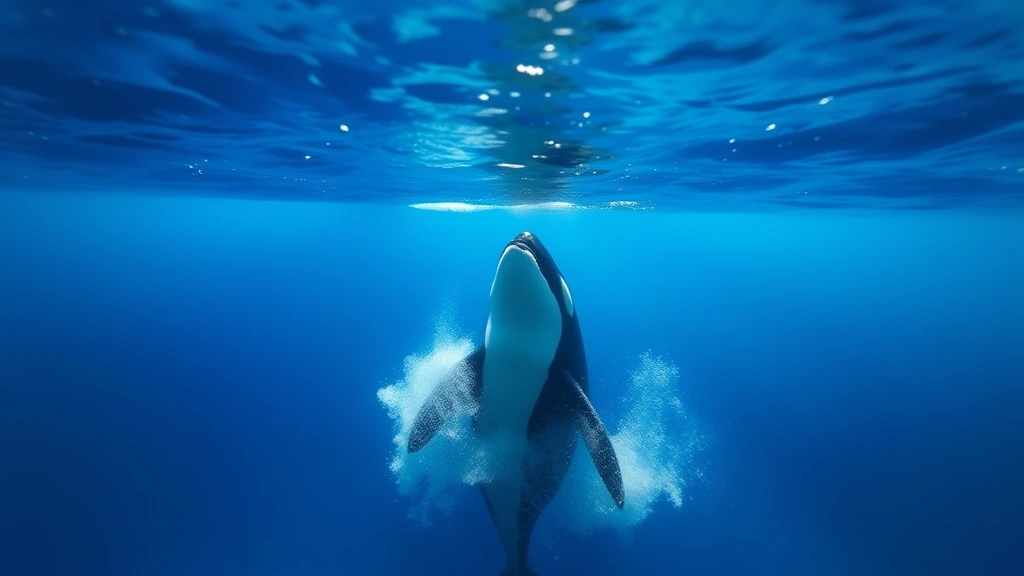
The brilliance of Orca‘s screenplay lies in its refusal to position the killer whale as a mindless monster. Instead, the narrative presents a sophisticated argument about animal intelligence, family bonds, and justified retribution. When Captain Nolan’s crew harpoons a pregnant female orca to harvest its valuable sperm oil, the film doesn’t frame this as heroic hunting—it’s portrayed as brutal, unnecessary slaughter. The male orca’s subsequent campaign against Nolan and his community operates as logical consequence rather than supernatural curse, grounding the film’s horror elements in behavioral biology and emotional authenticity.
This narrative inversion represents a significant departure from traditional creature-feature conventions where animal antagonists typically embody mindless nature requiring human mastery. Orca instead suggests that humans, through industrial exploitation, have created a justified adversary. The film’s structure mirrors classical tragedy: Nolan’s tragic flaw isn’t cowardice but arrogance—his belief that human intelligence and technology grant him dominion over nature. The orca becomes an instrument of cosmic justice, restoring balance through violence.
The film explores how trauma transcends species boundaries. The orca’s grief-driven vendetta parallels human emotional responses, suggesting consciousness and suffering aren’t exclusively human domains. This philosophical positioning was remarkably progressive for 1977 mainstream cinema, predating widespread environmental consciousness by years. The narrative refuses easy moral resolution, instead presenting audiences with uncomfortable questions: Who is the true predator? What justifies human exploitation of animal life? When does survival become murder?
Character Analysis and Performance
Richard Harris’s portrayal of Captain Nolan deserves particular critical attention. Rather than depicting Nolan as a straightforward villain, Harris constructs a character whose descent into obsession feels psychologically inevitable. Nolan begins the film as a weathered professional—a man who understands ocean protocols and respects maritime tradition. His initial orca hunt represents standard commercial practice within his world’s logic. However, once the orca’s revenge campaign begins, Nolan’s reasonable caution transforms into consuming fixation.
Harris masterfully conveys Nolan’s internal dissolution through subtle physicality and vocal modulation. His scenes with Charlotte Rampling, who plays the marine biologist Rachel, showcase the actor’s range as Nolan attempts articulating his obsession to someone representing scientific rationality. These conversations reveal Nolan recognizing the orca’s intelligence and intentionality yet remaining unable to abandon his revenge-driven mission. Harris portrays this contradiction—simultaneous respect and hatred for his adversary—with nuance that elevates the character beyond typical action-hero archetypes.
Charlotte Rampling provides crucial thematic balance as Rachel, the voice of environmental consciousness and scientific perspective. Her character articulates the film’s environmental messaging without resorting to preachy exposition. Rampling’s measured performance grounds the narrative’s more fantastical elements in scientific plausibility, while her romantic tension with Nolan adds emotional stakes beyond mere survival. The chemistry between Harris and Rampling creates poignancy in scenes where personal connection confronts professional obsession.
Supporting cast members, including Bo Derek in an early film role, contribute to establishing the human community threatened by the orca’s vendetta. These secondary characters provide moral complexity—they’re not villains deserving punishment but ordinary people caught in consequences triggered by Nolan’s decisions. This layering prevents the narrative from becoming simplistically anti-human while maintaining the orca’s position as justified avenger.
Visual Effects and Cinematography
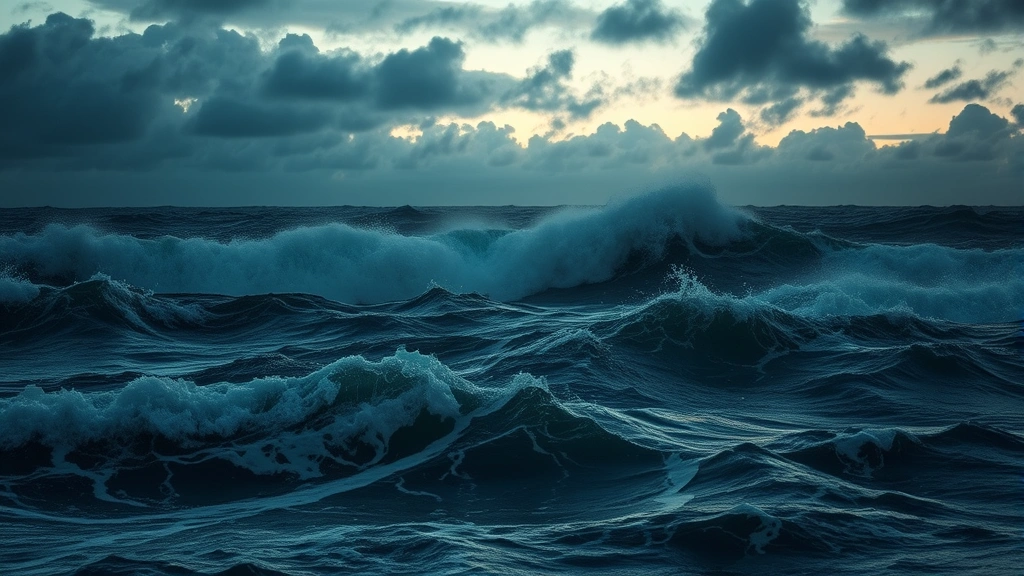
Cinematographer J. Barry Herron creates a visual language that emphasizes the ocean’s sublime indifference to human drama. Wide shots of the open water establish an environment fundamentally alien to human comfort, where technological advantage means little against natural forces. The film’s color palette—grays, blacks, deep blues—reinforces the orca’s native dominion while rendering human vessels fragile and temporary.
The mechanical orca effects, while occasionally unconvincing by modern standards, possess distinctive aesthetic qualities that serve the narrative. The puppet’s jerky, powerful movements suggest something fundamentally other—not a natural creature but a force of nature given temporary physical form. This artificial quality paradoxically enhances the orca’s menace; the mechanical precision of its attacks feels orchestrated, intentional, designed specifically to maximize human suffering. The effects work supports the film’s thematic positioning of the orca as instrument of justice rather than simple predator.
Underwater cinematography sequences employ creative techniques to suggest the orca’s perspective and intelligence. Point-of-view shots from the orca’s viewpoint humanize the creature while emphasizing its superior aquatic capabilities. These sequences, combined with Morricone’s score, create moments of genuine artistry that transcend genre limitations. The film recognizes that effective creature-feature cinema requires audiences to understand the creature’s motivations and perspective, not merely fear its physical threat.
Production design effectively contrasts the rustic maritime community with industrial whaling infrastructure. Nolan’s boat represents a liminal space—equipped with modern technology yet fundamentally vulnerable on the ocean. This visual contradiction reinforces thematic tensions between human technological advancement and nature’s ultimate supremacy. The film’s visual language consistently positions the ocean itself as the true antagonist, with both orca and humans as temporary inhabitants struggling for dominance in an indifferent environment.
Environmental Messaging and Cultural Impact
While Orca wasn’t explicitly marketed as environmental advocacy, the film’s thematic preoccupations align precisely with emerging 1970s environmental consciousness. The whaling industry backdrop provides historical specificity; commercial whale hunting was genuinely occurring during the film’s production, making the narrative feel urgently contemporary. By depicting whaling as brutal resource extraction rather than noble hunting tradition, the film implicitly critiques industrial practices increasingly recognized as environmentally destructive.
The film arrived during crucial years for marine conservation. The International Whaling Commission was debating moratoriums on commercial hunting, and public opinion regarding whale protection was rapidly shifting. Orca contributed to this cultural conversation by dramatizing the consequences of treating sentient beings as mere resources. The film suggests that environmental destruction carries moral weight extending beyond ecological statistics—it involves suffering, trauma, and justified retribution.
This environmental positioning distinguishes Orca from typical monster movies where nature represents an undifferentiated threat requiring human mastery. Instead, the film proposes that environmental destruction creates monsters—that human violence against nature generates consequences humans must accept. This sophisticated environmental philosophy, embedded within creature-feature entertainment, likely influenced audiences’ thinking about human-animal relationships and ecological responsibility in ways more didactic environmental messaging might not achieve.
For modern viewers increasingly concerned with climate change and species extinction, Orca resonates as prescient commentary on human arrogance. The film’s central tragedy—that Nolan cannot recognize the orca’s justified vengeance and instead perpetuates cycles of violence—mirrors contemporary environmental crises where human refusal to acknowledge interconnected consequences generates escalating destruction. This thematic relevance explains the film’s rehabilitation in recent critical discourse.
Comparative Analysis with Other Creature Features
Understanding Orca‘s significance requires contextualizing it within the broader creature-feature landscape. Jaws, released two years earlier, established the template for modern creature horror—a primal threat emerging from familiar environments to threaten human communities. Yet where Jaws ultimately affirms human technological capability (the shark is defeated through human ingenuity), Orca questions whether human victory represents genuine triumph or hollow pyrrhic achievement.
The film also diverges from monster movies like King Kong (1933) that position the creature as fundamentally incomprehensible. Kong operates as pure force, a being whose motivations remain inscrutable. The orca, conversely, possesses transparent motivations rooted in recognizable emotional responses. Audiences understand exactly why the orca pursues Nolan—the creature’s actions follow logical cause-and-effect rather than mysterious monster logic. This psychological realism strengthens the narrative’s thematic impact.
Compared to other 1970s creature features like Sssssssss (1973) or Grizzly (1976), Orca demonstrates substantially greater artistic ambition. While those films embrace B-movie conventions with knowing irony, Orca pursues genuine philosophical inquiry. The film’s willingness to present the creature’s perspective sympathetically, combined with its environmental consciousness, positions it as more sophisticated than typical genre exercises. When exploring film criticism methodology, Orca emerges as a text rewarding serious analytical attention despite its creature-feature classification.
Contemporary creature features like Crawl (2019) and Jungle Cruise (2021) prioritize spectacle over thematic complexity. Orca‘s refusal to subordinate meaning to action sequences represents a fundamentally different artistic philosophy. The film suggests that monster movies can explore serious themes while maintaining entertainment value—a proposition increasingly vindicated as critics reassess creature features through thematic rather than purely technical lenses.
Modern Reception and Critical Reassessment
Contemporary critical reappraisal of Orca reflects broader shifts in film scholarship recognizing genre cinema’s capacity for meaningful artistic expression. Early reviews dismissed the film as derivative Jaws imitation, but modern critics recognize its distinct thematic preoccupations and philosophical sophistication. Academic film analysis increasingly treats Orca as a valuable environmental cinema text worthy of serious study alongside explicitly art-house productions.
Recent retrospectives emphasize the film’s prescience regarding environmental destruction and human-animal relationships. Streaming availability has introduced Orca to new audiences unconcerned with its initial commercial performance, allowing fresh evaluation unburdened by original marketing expectations. Online film communities have championed the film’s rehabilitation, with cinephiles recognizing its artistic ambitions despite technical limitations and occasional narrative inconsistencies.
The film benefits from contemporary audiences’ increased sophistication regarding creature effects and monster design. Viewers who might have dismissed the mechanical orca as unconvincing now appreciate how practical effects contribute distinctive aesthetic qualities unavailable through digital animation. The film’s visual language, once dismissed as crude, now reads as deliberately stylized—a deliberate artistic choice rather than technical failure.
Critical reassessment also reflects evolving environmental consciousness. Modern viewers recognize Orca‘s environmental commentary as urgently relevant rather than peripheral to the narrative. The film’s critique of industrial exploitation resonates with contemporary concerns about climate change, species extinction, and ecological destruction. This thematic alignment with current preoccupations ensures Orca‘s continued relevance while explaining its emergence as a cult classic worthy of serious consideration.
For those interested in exploring film criticism’s evolving standards, examining how critical perspectives shift over time reveals valuable insights. Orca exemplifies how artistic merit sometimes requires decades for proper recognition, particularly when works operate within genre conventions initially dismissed by mainstream critics.
The film’s influence on subsequent creature features and environmental cinema cannot be overstated. Directors and screenwriters recognize Orca as demonstrating how genre entertainment can address serious thematic concerns. Contemporary films increasingly employ creature narratives to explore environmental and philosophical questions, following templates Orca established decades earlier. This lineage confirms the film’s status as significant creative achievement rather than forgotten exploitation cinema.
Ennio Morricone’s score particularly rewards modern reconsideration. The orchestral composition transcends typical creature-feature music, achieving genuine artistic distinction comparable to Morricone’s more celebrated work. The score’s emotional sophistication elevates scenes that might otherwise register as conventional monster-movie beats, suggesting the filmmakers understood they were creating something artistically ambitious despite genre constraints.
FAQ
What year was Orca released?
Orca premiered in 1977, released during the height of post-Jaws creature-feature enthusiasm. The film’s release timing proved both advantageous (capitalizing on audience interest in aquatic monster movies) and disadvantageous (inviting inevitable comparisons to Jaws‘s commercial success).
Who directed Orca?
Michael Anderson directed Orca, bringing substantial directorial credentials from his previous work on major productions including Around the World in 80 Days. Anderson’s involvement elevated the project beyond typical creature-feature production values.
What is Orca about?
Orca follows Captain Nolan’s obsessive pursuit of a killer whale that seeks revenge after Nolan’s crew kills the whale’s pregnant mate. The narrative explores themes of environmental destruction, justified retribution, and the consequences of human arrogance in confronting natural forces.
Why does the orca seek revenge in the film?
The orca pursues vengeance after Captain Nolan’s crew harpoons and kills the female whale while she’s pregnant. The narrative presents the orca’s revenge campaign as justified response to this violence rather than mindless monster behavior.
How does Orca compare to Jaws?
While both films feature aquatic creatures threatening human communities, Orca differs significantly in its sympathetic portrayal of the creature and its environmental consciousness. Orca questions human dominance over nature rather than affirming it, presenting a more philosophically complex narrative than Jaws‘s straightforward survival thriller structure.
What external research supports Orca’s environmental themes?
Research from Pew Research Center documents evolving public attitudes toward marine conservation during the 1970s. Studies published in Environmental Communication journals examine cinema’s role in environmental advocacy. American Film Institute scholarship analyzes creature features’ thematic sophistication, while film history resources contextualize Orca within 1970s cinema movements.
Is Orca worth watching today?
Absolutely. Modern audiences appreciate Orca‘s thematic complexity, environmental consciousness, and artistic ambitions. The film rewards serious viewing, offering philosophical depth alongside creature-feature entertainment. For those interested in cinema history and genre evolution, Orca represents essential viewing.


