
Movie Premiere Buzz: Audience Reactions & Reviews in the Digital Age
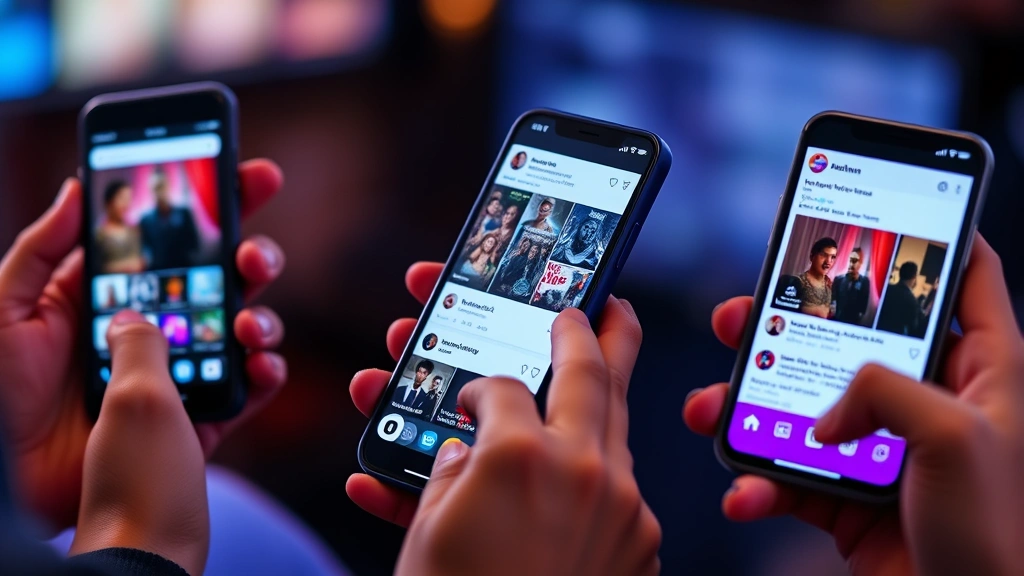
The anticipation surrounding a movie premiere has fundamentally transformed in the era of social media, streaming platforms, and instant digital feedback. What once unfolded quietly in theater lobbies and film critic circles now explodes across Twitter, TikTok, Instagram, and Reddit within minutes of a film’s debut. Audiences no longer passively consume cinema; they actively shape its narrative through real-time commentary, creating a dynamic ecosystem where premiere buzz becomes a measurable, quantifiable phenomenon that can make or break a film’s theatrical run.
Understanding the mechanics of modern movie premiere reactions requires examining how digital platforms amplify audience sentiment, how traditional critics intersect with grassroots reviewers, and how studios strategically navigate this complex landscape. The conversation around a film’s opening weekend has become as important as the film itself, with premiere buzz serving as both a cultural barometer and a financial predictor. From early screenings to opening night social media tsunamis, the journey of a movie premiere reveals fascinating insights about contemporary media consumption and collective cultural response.
The Evolution of Movie Premiere Culture in Digital Media
The concept of a movie premiere has undergone seismic shifts over the past two decades. Historically, premieres represented exclusive events attended by celebrities, industry insiders, and select media outlets. Press screenings preceded public releases by days or weeks, allowing critics to craft carefully considered reviews before audiences formed opinions. Today, this gatekeeping model has crumbled under the weight of democratized media access and instantaneous global communication.
The turning point arrived with the convergence of smartphones, social media platforms, and broadband connectivity. When audiences could document and share their premiere experiences in real time, the traditional media hierarchy fractured. A teenager’s authentic TikTok reaction to a movie premiere now carries measurable influence comparable to established film critics. Studios have recognized this shift, actively courting content creators and social media personalities as integral components of premiere marketing strategies.
Early access screenings have proliferated as studios attempt to seed positive sentiment before wide releases. These screenings generate content—clips, photos, reaction videos—that circulate organically through social networks. The premiere experience itself has become content creation opportunity, transforming passive viewers into active participants in the film’s promotional ecosystem. This shift reflects broader changes in how audiences engage with entertainment, where participation and community response feel as significant as the entertainment product itself.
Visit our ScreenVibe Daily Blog for ongoing coverage of premiere events and industry analysis. Understanding how movie review sites evaluate new releases provides valuable context for interpreting premiere reactions across different platforms.
Real-Time Audience Reactions Across Social Platforms
Each social media platform facilitates distinct modes of premiere response, creating a fragmented but interconnected discourse landscape. Twitter (now X) remains the epicenter of real-time critique, where audiences compose detailed reactions, memes, and hot takes that trend within hours of screenings. The platform’s emphasis on conversation and debate makes it ideal for film discourse, where spoiler-tagged discussions allow nuanced engagement without compromising the viewing experience for others.
TikTok has emerged as the dominant platform for premiere reaction content, particularly among younger demographics. Short-form video allows creators to capture emotional responses—shock, laughter, tears—with authenticity that resonates across audiences. A single viral TikTok reaction can generate millions of views and substantially influence perception of a movie premiere among Gen Z audiences. Studios now budget resources specifically for TikTok creator partnerships, recognizing the platform’s outsized influence on youth perception and word-of-mouth momentum.
Instagram facilitates aesthetic-focused responses, where audiences share premiere night photos, outfit details, and curated experiences. The platform emphasizes visual storytelling, making it ideal for sharing red carpet moments and theater experiences. Instagram Stories and Reels provide ephemeral spaces for spontaneous reactions that feel more candid than permanent feed posts. Meanwhile, Reddit communities dedicated to specific films develop comprehensive discussion threads where audiences dissect plot points, thematic elements, and technical filmmaking choices with remarkable depth.
YouTube remains crucial for longer-form premiere reactions and video essays that examine films in detail. Content creators produce 10-30 minute response videos that combine emotional reaction with analytical commentary, often accumulating hundreds of thousands of views. These videos extend the premiere conversation beyond opening weekend, maintaining buzz through substantive engagement with the film’s content and cultural significance.
Check out our guide on how to become a film critic for insights into professional response to major releases. The diversity of platforms means that premiere reactions now encompass everything from professional criticism to authentic grassroots audience sentiment.
The Critical Consensus vs. Audience Sentiment Gap
A fascinating tension has emerged between professional film critics and general audiences, particularly visible in premiere reactions. Aggregator sites like Rotten Tomatoes and Metacritic now publish dual scores—critic ratings and audience ratings—acknowledging that these constituencies evaluate films through fundamentally different frameworks. Professional critics often prioritize artistic innovation, thematic sophistication, and technical achievement, while general audiences weight entertainment value, emotional resonance, and accessibility more heavily.
This gap manifests dramatically during major premiere events. A film might receive glowing reviews from prestigious critics while audience ratings lag significantly, or vice versa. The movie premiere becomes a focal point where these competing valuations become visible and discussable. When audiences feel that critics have dismissed an entertaining film, or conversely that critics have overvalued something audiences found tedious, the disagreement generates substantial discourse across social platforms.
Research from Pew Research Center demonstrates that audiences increasingly trust peer recommendations and user-generated reviews over traditional critical consensus. This shift reflects broader democratization of expertise and authority in digital media environments. During a movie premiere, audiences may actively resist critical consensus if they perceive it as elitist or disconnected from their viewing experience. This dynamic has profound implications for how studios market films and how films ultimately perform commercially.
The emergence of “review bombing”—coordinated campaigns to artificially inflate or deflate ratings—further complicates the critical landscape. Some audience groups weaponize review platforms to express ideological disagreements with films, using premiere reactions as vehicles for broader cultural arguments. This phenomenon reveals how movie premieres have become battlegrounds for competing values and interpretations, extending far beyond simple entertainment assessment.
Streaming Premieres vs. Theatrical Releases
The explosive growth of streaming services has fundamentally altered premiere dynamics by eliminating the concentrated theatrical release model. A streaming premiere reaches global audiences simultaneously, creating worldwide buzz that coalesces around a single moment rather than propagating through staggered international releases. This simultaneity intensifies premiere reactions, as audiences across different time zones engage with the same content within hours, creating viral moments that span continents.
Streaming premieres generate different reaction patterns than theatrical releases. Without the ritual of dressing up, traveling to theaters, and experiencing cinema communally, streaming audiences respond from domestic environments. This context shift produces more casual, intimate reactions—audiences might pause to discuss with household members, rewind surprising moments, or multitask during viewing. The premiere experience becomes more fragmented and personalized, reflecting how streaming fundamentally restructures media consumption patterns.
However, streaming services have invested heavily in recreating premiere spectacle for major releases. Red carpet events, global promotional tours, and early access screenings for influencers attempt to generate theatrical-style buzz around streaming premieres. Films like Netflix’s major releases or Disney+ exclusives now command premiere events rivaling traditional theatrical releases, complete with celebrity attendance and coordinated social media campaigns.
The best movies on Netflix often demonstrate how streaming platforms cultivate premiere buzz through algorithmic promotion and targeted marketing. Streaming services possess detailed viewer data, allowing them to target promotional content with precision impossible in traditional theatrical marketing. A movie premiere on Netflix becomes a data-driven phenomenon, with algorithms amplifying content to users predicted to engage with specific films.
Industry analysts note that streaming premieres can achieve massive viewership numbers—Netflix reported over 100 million households watching certain premieres within opening weekends—yet generate less concentrated cultural conversation than theatrical releases. The diffuse nature of streaming consumption means premiere reactions scatter across extended time periods as viewers watch at their convenience, rather than coalescing around opening weekend moments.
Influencers and Content Creators Shaping Premiere Narratives
Content creators and social media influencers have become essential components of movie premiere marketing ecosystems. Studios provide early access to films, exclusive premiere invitations, and promotional materials to creators with substantial engaged audiences. These partnerships represent calculated investments in grassroots marketing, leveraging creator authenticity to reach demographics resistant to traditional advertising.
The dynamics of influencer involvement in premieres creates interesting tensions. Audiences value authenticity and organic response, yet they recognize that many influencer reactions stem from paid partnerships. Successful influencer premiere content navigates this paradox by combining genuine emotional response with transparent acknowledgment of sponsorship. Creators who maintain credibility while accepting promotional partnerships demonstrate the most influence over audience perception.
Nano-influencers—creators with smaller but highly engaged audiences—often generate more persuasive premiere reactions than mega-influencers with millions of followers. A passionate film enthusiast with 50,000 devoted followers discussing a movie premiere may influence more actual viewing decisions than a celebrity influencer with 10 million followers producing generic promotional content. This dynamic reflects how attention and influence have fragmented across digital platforms, with niche communities often wielding disproportionate cultural impact.
The rise of “review creators” specifically focused on film analysis represents a new category of influence. These creators produce substantive video essays examining premiering films through various analytical lenses—cinematography, narrative structure, thematic resonance, cultural representation. Their work extends premiere discourse beyond surface-level reaction, generating sophisticated engagement that appeals to cinephile audiences while reaching broader viewers interested in film criticism.
Data Analytics Behind Premiere Success Metrics
Modern movie premieres generate unprecedented quantities of measurable data. Studios and streaming services track social media sentiment in real time, monitoring mention volume, engagement rates, sentiment polarity, and demographic breakdowns of audience reactions. Natural language processing algorithms analyze thousands of premiere reactions to identify emerging themes, assess emotional resonance, and predict commercial performance.
Sentiment analysis tools examine premiere reactions across platforms, calculating net positive versus negative responses and tracking how sentiment evolves over hours and days following premiere events. This data informs emergency marketing adjustments—if premiere reactions surface unexpected concerns or criticisms, studios can address them through strategic communication or revised marketing messaging. The movie premiere becomes a real-time focus group, providing immediate feedback that shapes ongoing promotional efforts.
Box office prediction models increasingly incorporate social media sentiment data alongside traditional metrics like preview screenings and audience surveys. Research demonstrates correlations between premiere social media buzz and opening weekend box office performance, though the relationships prove more complex than simple positive sentiment equals higher revenue. A divisive film that generates substantial argument and debate might outperform a consensus favorite due to the engagement premium that controversy produces.
Demographic analysis of premiere reactions reveals how different audience segments respond to films. Studios can identify which communities champion which films, allowing targeted marketing to receptive audiences. A movie premiere might generate tremendous enthusiasm among fantasy fans on Reddit while receiving lukewarm responses from casual moviegoers on Facebook. Understanding these segmented reactions enables sophisticated marketing that speaks to different audiences through different channels.
Learn more about how family films perform across different demographic segments to understand how audience composition influences premiere reception. Academic research from JSTOR increasingly focuses on how social media data predicts entertainment consumption patterns.
Marketing Strategies That Generate Genuine Buzz
Studios have learned that manufactured hype rings false to digitally sophisticated audiences. Authentic movie premiere buzz emerges from genuine audience enthusiasm rather than coordinated marketing campaigns. The most successful strategies combine professional marketing infrastructure with organic engagement opportunities, allowing audiences to participate in shaping premiere narratives rather than passively consuming marketing messages.
Preview screenings for specific communities—whether fan communities, cultural groups, or professional organizations—generate authentic reactions that ripple through social networks. A horror film premiere for genre enthusiasts produces passionate reactions that influence horror community perception and create organic promotional content. Similarly, films addressing specific cultural experiences benefit from premiere screenings that validate representation and generate grassroots advocacy.
Interactive premiere experiences—virtual red carpets, live Q&A sessions with filmmakers, interactive social media campaigns—invite audience participation in premiere events. Rather than observing premieres from distance, audiences become stakeholders in the premiere experience, creating investment in the film’s success. This participatory approach transforms passive consumers into active promoters who feel personal connection to premiere narratives.
Behind-the-scenes content revealing filmmaking processes, cast dynamics, and creative decisions humanizes films and builds parasocial relationships between audiences and filmmakers. When audiences feel they understand and connect with creators, premiere reactions become more enthusiastic and emotionally invested. The movie premiere transforms from isolated entertainment event into culmination of relationship-building that studios have cultivated across production and marketing phases.
Strategic timing of premiere announcements, trailer releases, and marketing rollouts creates anticipation arcs that sustain audience interest across extended periods. Rather than front-loading all promotional materials before premiere, studios release content strategically to maintain engagement momentum. A well-orchestrated premiere marketing campaign builds steadily toward the actual premiere event, with each announcement and reveal generating fresh conversation and renewed attention.
FAQ
How do movie premiere reactions influence box office performance?
Movie premiere social media sentiment correlates moderately with opening weekend box office performance, though the relationship proves complex. Highly positive reactions generally support strong box office, but controversial films generating substantial debate sometimes outperform consensus favorites. Engagement volume matters as much as sentiment polarity—films generating significant conversation attract audiences curious about the source of discussion. However, premiere reactions represent only one factor among many influencing box office, including marketing reach, competition, seasonality, and demographic targeting.
Why do critics and audiences often disagree about movie premieres?
Professional critics evaluate films through frameworks emphasizing artistic merit, innovation, technical achievement, and thematic sophistication. General audiences prioritize entertainment value, emotional resonance, accessibility, and alignment with personal values. These different evaluation criteria produce legitimate disagreement rather than indicating one group’s superiority. Additionally, critics see films in controlled professional contexts, while audiences watch in varied personal environments, influencing how films land emotionally. Cultural and ideological differences also shape how critics and audiences interpret film content and significance.
How do streaming premieres differ from theatrical movie premieres?
Streaming premieres reach global audiences simultaneously, while theatrical releases stagger internationally. Streaming audiences watch in personal contexts, creating fragmented reactions, whereas theatrical audiences experience films communally. Streaming data is granular and individual, allowing targeted marketing, while theatrical relies on aggregated box office metrics. Streaming premieres can achieve massive viewership but often generate less concentrated cultural conversation. Theatrical premieres create concentrated opening-weekend moments that dominate cultural discourse, while streaming premieres’ impact extends across longer periods as viewers watch at their convenience.
What role do influencers play in movie premiere success?
Influencers amplify premiere reactions across social platforms, reaching audiences who trust peer recommendations over traditional marketing. Authentic influencer responses carry substantial persuasive power, particularly among younger demographics. However, audiences increasingly recognize sponsored partnerships, reducing influence when creator bias seems apparent. Nano-influencers with engaged niche audiences often prove more influential than mega-influencers with larger but less dedicated followings. Review creators producing substantive analysis contribute significantly to sophisticated premiere discourse, extending conversations beyond surface-level reaction.
How do studios measure premiere success beyond box office?
Studios track social media sentiment, engagement volume, mention trends, demographic breakdowns of audience reactions, and qualitative feedback themes. Streaming services monitor viewing completion rates, repeat viewership, and algorithmic performance. Critical reviews and aggregator scores indicate prestige and awards potential. Long-term audience retention, franchise installment interest, and streaming subscription impact matter for platforms. Cultural conversation volume, meme generation, and trending topic status indicate cultural penetration. Studios increasingly view premieres as multidimensional phenomena requiring diverse metrics to assess success comprehensively.
Conclusion
The modern movie premiere has evolved into a complex, multifaceted phenomenon where audience reactions, critical assessment, influencer commentary, and data analytics converge to shape films’ cultural impact and commercial success. What once represented a single event—opening night—has expanded into extended premiere moments that unfold across weeks through streaming releases, content creator reactions, and ongoing social media discourse. Studios must navigate this complex landscape by balancing professional marketing with authentic engagement, recognizing that contemporary audiences value participation and community response alongside entertainment content itself.
The democratization of critical voice through social media and user-generated content has fundamentally restructured how films are evaluated and discussed. A movie premiere no longer belongs exclusively to professional critics and industry insiders; it becomes a collective cultural moment shaped by millions of audience members sharing reactions simultaneously. This shift reflects broader changes in media authority, expertise, and how communities form around entertainment. Understanding premiere buzz requires appreciating how diverse audiences with different values, perspectives, and evaluation criteria engage with films, sometimes disagreeing profoundly yet all contributing to the rich cultural conversation surrounding cinema. As technology continues evolving and platforms shift, the mechanics of premiere reactions will continue adapting, yet the fundamental human desire to share entertainment experiences and build community around cinema will endure. For more insights into how films resonate across audiences, explore our collection of famous movie quotes that capture cinematic moments audiences cherish.


