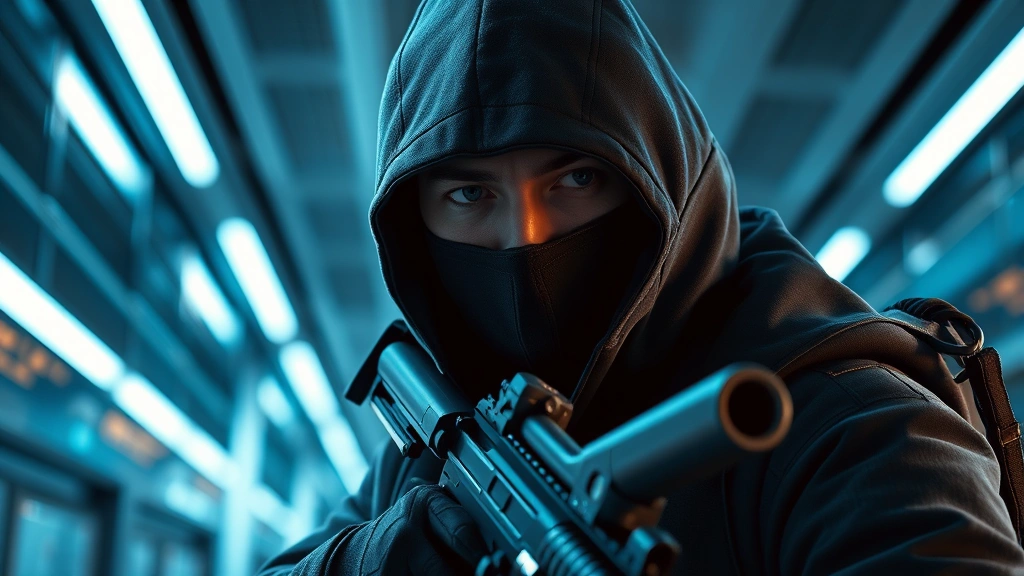
Movies Like John Wick: Action Expert Picks
John Wick redefined modern action cinema when it premiered in 2014, transforming Keanu Reeves’ career trajectory and establishing a new standard for choreographed combat sequences. The film’s meticulous approach to gunplay, martial arts, and narrative-driven action has inspired a generation of filmmakers and captivated audiences worldwide. If you’ve exhausted the John Wick franchise and crave similar adrenaline-pumping experiences, this guide explores the most compelling alternatives that capture the essence of what makes the series exceptional.
The appeal of John Wick extends beyond simple action spectacle. Director Chad Stahelski crafted a universe where every frame serves purpose, where violence carries weight, and where character development intertwines seamlessly with breathtaking sequences. Finding movies that replicate this balance requires understanding what specifically resonates: the protagonist’s journey, the artistic direction, the combat choreography, or the world-building elements. Our expert analysis examines films that achieve similar excellence across these dimensions.
Tactical Precision Thrillers
When audiences praise John Wick’s technical execution, they’re often referencing the meticulous gunplay and tactical precision that dominates every action sequence. Films in this category prioritize realistic weapon handling, strategic movement, and combat scenarios that feel grounded despite their explosive nature. These movies treat violence as a discipline, requiring training, focus, and professional expertise.
Mission: Impossible – Fallout stands as perhaps the closest contemporary equivalent to John Wick’s commitment to practical action filmmaking. Director Christopher McQuarrie orchestrates sequences where Tom Cruise’s character relies on preparation, timing, and tactical awareness rather than superhuman abilities. The helicopter pursuit through New Zealand terrain, the bathroom fight sequence, and the climactic mountain chase demonstrate how modern action cinema can deliver spectacle while maintaining technical credibility. Like John Wick, Fallout respects its audience’s intelligence by showing rather than telling action narrative.
Baby Driver occupies a unique space where vehicular action becomes an extension of character psychology. Director Edgar Wright synchronizes car chases with musical rhythms, creating a synesthetic experience that parallels John Wick’s choreographic approach to gunplay. The protagonist’s dependence on music mirrors John’s ritualistic relationship with violence—both are expressions of control and artistry. This film demonstrates how ScreenVibe Daily Blog might categorize action films that transcend traditional genre boundaries.
Atomic Blonde features Charlize Theron in a role that embraces hand-to-hand combat with John Wick-level dedication. The film’s extended single-take fight sequences, particularly the stairwell battle set to 1980s music, showcase choreography that rivals the original John Wick. Director David Leitch, who co-directed John Wick, brings consistent visual language and understanding of how to film combat without cutting excessively.
The Man from U.N.C.L.E. presents action through a lens of espionage tradecraft. Director Guy Ritchie emphasizes precision, planning, and execution—themes that resonate throughout John Wick’s narrative. The film’s meticulous framing and editing create tension through anticipation rather than chaos, allowing viewers to understand tactical decisions before they unfold.
Character-Driven Action Masterpieces
John Wick’s emotional foundation—a grieving man’s journey toward redemption and reclamation—distinguishes it from mindless action spectacle. The most comparable films balance explosive sequences with genuine character development, ensuring that action emerges organically from narrative necessity rather than existing as set pieces interrupting story.
The Raid: Redemption tells a deceptively simple story—a SWAT team infiltrating a building—but uses this premise to explore themes of loyalty, corruption, and survival. Director Gareth Evans crafts action sequences that reveal character through movement and decision-making. The protagonist’s combat style evolves throughout the film, reflecting his psychological state and moral deterioration. This character-through-action approach mirrors how John Wick communicates Keanu’s transformation across the franchise.
Dredd similarly uses a vertical structure to explore character and world simultaneously. Karl Urban’s Judge Dredd must navigate both physical obstacles and moral dilemmas, with action sequences serving as expressions of his code and competence. The film’s commitment to practical effects and practical stunt work aligns with John Wick’s philosophy that authentic movement creates authentic emotion.
Logan elevates superhero action by grounding it in emotional consequence. Hugh Jackman’s final performance as Wolverine transforms violence into tragedy, with each fight scene carrying weight beyond spectacle. Director James Mangold demonstrates how action cinema can explore aging, mortality, and legacy—themes that subtly underscore John Wick’s meditation on identity and purpose.
The Night Comes for Us features Indonesian action star Joe Taslim in a narrative about defection and loyalty. Director Timo Tjahjanto orchestrates fight choreography that expresses character motivation and emotional stakes. The film’s willingness to let action sequences breathe—to show combat from multiple angles without rapid cutting—creates clarity and impact similar to John Wick’s approach.
These films understand that audiences invest emotionally in characters before investing in action. A perfectly executed fight sequence means nothing if viewers don’t care about the person fighting. This principle separates the enduring action films from forgettable ones.

Stylized Combat Excellence
John Wick’s visual style—the color grading, framing, choreography, and editing—creates a distinctive aesthetic that influences how action unfolds. Films that prioritize stylistic coherence, whether through similar techniques or complementary approaches, capture comparable appeal.
Kill Bill Vol. 1 & 2 represent Tarantino’s maximalist approach to action filmmaking. While tonally different from John Wick’s restraint, both films share obsessive attention to combat choreography and visual storytelling. The Bride’s journey parallels John Wick’s revenge narrative, though filtered through Tarantino’s pop-culture-infused sensibility. Director Tarantino demonstrates how style can elevate action beyond mere mechanics to artistic expression.
John Wick‘s cinematographer Jonathan Sela employs specific color palettes—cool blues and silvers dominating the Continental Hotel sequences, warm golds and blacks in action scenes—to communicate mood and meaning. Blade Runner 2049 employs similar visual sophistication, with cinematographer Roger Deakins creating action sequences that function as visual poetry. The film’s deliberate pacing and compositional precision echo John Wick’s thoughtful approach to action design.
Drive (2011) uses minimalist action to maximum effect. Director Nicolas Winding Refn spaces violent moments strategically, allowing silence and tension to build before explosive release. The film’s synth-heavy score and neon-soaked Los Angeles aesthetic create mood and atmosphere that dwarf the actual action runtime. This demonstrates how stylization can compensate for action quantity with action quality.
Harakiri: Death of a Samurai presents choreographed combat as formal ritual. Director Masaki Kobayashi’s meticulous framing and editing transforms sword fighting into balletic expression. The film’s exploration of honor, loyalty, and death resonates thematically with John Wick’s meditation on a code-bound existence.
Underrated Gems Worth Discovering
Beyond the obvious comparisons exist numerous films that deserve consideration for audiences seeking John Wick-adjacent experiences. These underrated entries often match or exceed the original’s execution while remaining relatively undiscovered by mainstream audiences.
Ava (2020) features Jessica Chastain as a highly trained assassin navigating moral ambiguity and personal connection. Director Tate Taylor crafts intimate action scenes that emphasize character psychology alongside combat choreography. The film’s exploration of a professional killer’s humanity parallels John Wick’s thematic concerns without receiving comparable recognition or distribution.
Upgrade (2018) presents action through a cyberpunk lens where the protagonist gains superhuman abilities through neural implants. Director Leigh Whannell uses this concept to explore themes of agency and control, with action sequences that feel both futuristic and grounded. The film’s commitment to practical effects and creative choreography despite modest budget demonstrates resourcefulness that rivals big-budget productions.
The Nice Guys balances action with comedy and character dynamics. Ryan Gosling and Russell Crowe’s detective partnership drives narrative momentum, with action sequences emerging from their investigation rather than existing as interruptions. Director Shane Black proves that action can coexist with humor and heart without sacrificing impact.
Tucker and Dale vs. Evil subverts action-thriller conventions while delivering genuine excitement. The film’s willingness to recontextualize violence and challenge genre expectations shows how intelligent action cinema can surprise audiences expecting formula.
Brick (2005) applies film noir conventions to high school setting, with action sequences that feel weighty and consequential. Director Rian Johnson’s meticulous shot composition and editing create tension through visual storytelling rather than spectacle. The film demonstrates how action can operate at different scales while maintaining artistic integrity.
International Action Cinema
Global film industries produce exceptional action cinema that often surpasses Hollywood productions in innovation and commitment to craft. These international entries deserve consideration when seeking John Wick alternatives, particularly for viewers interested in expanding their action cinema horizons.
The Handmaiden (2016) features action sequences that serve psychological thriller narrative. Director Park Chan-wook integrates violence into a complex story about deception and desire. The film’s visual sophistication and narrative complexity demonstrate how international cinema approaches action with different priorities than American productions.
A Prophet (2009) uses prison setting to explore violence as survival mechanism. Director Jacques Audiard creates action sequences that emerge organically from character conflict rather than plot convenience. The film’s commitment to realism and character development influences how viewers interpret violent moments.
Oldboy (2003) features the iconic hallway fight sequence that influenced countless subsequent action films, including John Wick. Director Park Chan-wook’s exploration of revenge, identity, and moral consequence provides thematic resonance beyond spectacle. The film’s willingness to explore consequences of violence separates it from action cinema that treats violence as consequence-free entertainment.
Kung Fu Hustle (2004) demonstrates how martial arts action can coexist with comedy and heart. Director Stephen Chow’s visual creativity and choreographic innovation create sequences that feel both playful and impactful. The film’s energy and charm prove that action cinema need not be grim to be engaging.
The Wailing (2016) integrates action into mystery-thriller framework with exceptional results. Director Na Hong-jin’s meticulous composition and editing create tension through visual storytelling, with action sequences serving narrative function rather than existing as set pieces.
International cinema offers perspectives on action storytelling that expand beyond American conventions. Understanding Movies Like Gone Girl requires similar openness to how different cultures approach thriller narratives and character development.
FAQ
What makes John Wick different from other action films?
John Wick combines meticulous choreography, practical effects, character-driven narrative, and artistic direction into cohesive whole. Director Chad Stahelski prioritizes clarity in action sequences, allowing viewers to understand spatial relationships and tactical decisions. The film treats violence as consequence-laden rather than consequence-free, grounding spectacle in emotional reality.
Are there John Wick movies beyond the original trilogy?
Yes. John Wick: Chapter 4 (2023) continues the franchise with expanded world-building and escalated action sequences. The franchise has also expanded into television with The Continental prequel series. For comprehensive franchise information, consult Best Movie Review Sites Guide for critical perspectives.
Which movies mentioned here are available on streaming platforms?
Availability varies by region and streaming service, changing frequently. Mission: Impossible films, Baby Driver, Atomic Blonde, and most mentioned titles appear on major platforms, though availability fluctuates. Check your preferred streaming service for current availability.
How do I find more action films similar to these recommendations?
Explore Best Movies Based on Books for curated film recommendations across genres. Consider following action cinema critics and publications that prioritize craft and storytelling. Websites specializing in film analysis provide deeper context than algorithm-based recommendations.
What distinguishes practical action from CGI action?
Practical action involves real stunts, locations, and effects, creating tangible spatial relationships viewers instinctively understand. CGI action offers flexibility but risks feeling weightless without grounding in practical reality. The best modern action films blend both approaches strategically, using practical elements for grounded sequences and CGI for impossible scenarios.
Why do some action films feel more impactful than others?
Impact derives from character investment, clear spatial storytelling, consequence acknowledgment, and technical execution. Films allowing viewers to understand action geography and character motivation create greater impact than rapid-cut sequences prioritizing quantity over clarity. Understanding How to Become a Film Critic helps viewers articulate why certain films resonate more powerfully than others.
Do I need to watch films in series order?
Most recommendations function as standalone films, though some (Kill Bill, John Wick) benefit from sequential viewing. Start with individual films rather than committing to full franchises unless specific recommendations suggest otherwise. Quality varies across series, making selective viewing often more rewarding than comprehensive marathons.
How has action cinema evolved since John Wick?
Post-John Wick cinema increasingly emphasizes practical choreography, clear spatial storytelling, and character-driven narratives. Filmmakers recognize audiences appreciate understanding action geography over rapid cutting and camera movement. The franchise’s influence extends across action cinema, from superhero films to spy thrillers adopting similar principles.
Exploring action cinema beyond John Wick enriches understanding of how filmmakers approach violence, character development, and visual storytelling. Each recommendation offers distinct perspective on action filmmaking while sharing core commitments to craft, clarity, and character. Whether drawn to tactical precision, character depth, stylistic innovation, or international perspectives, audiences will discover compelling alternatives that expand appreciation for action cinema artistry. Consider exploring Top Famous Movie Quotes from action cinema to understand how dialogue complements visual storytelling.
The action films discussed here represent curated selections prioritizing quality, innovation, and artistic merit. Streaming platforms and physical media make most readily accessible, though some international titles require more dedicated searching. Approaching these recommendations with openness to different stylistic approaches and cultural perspectives maximizes viewing satisfaction and deepens action cinema appreciation.


