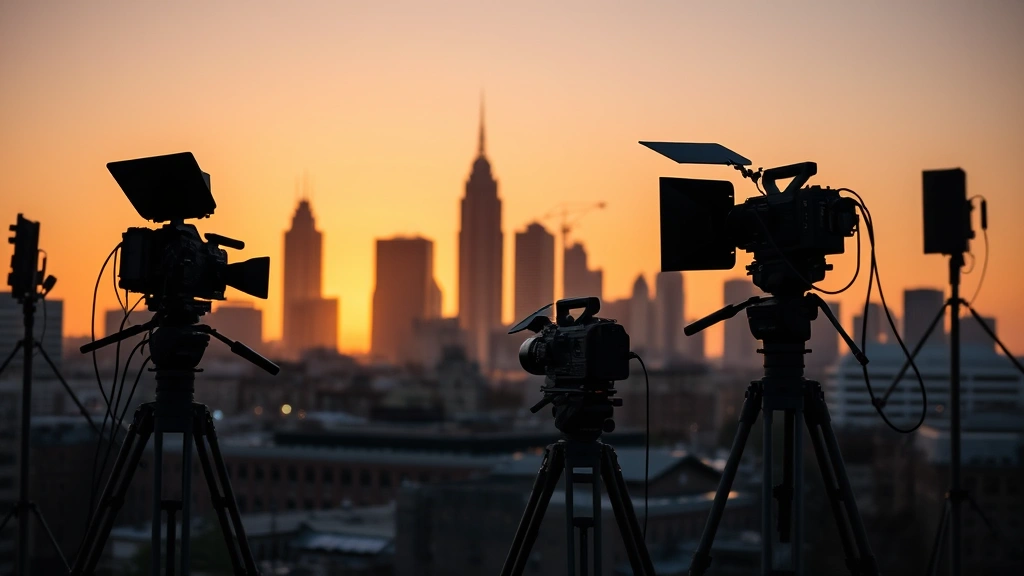
Omaha’s Indie Film Scene: Local Director Insights
Omaha, Nebraska has quietly emerged as a vibrant hub for independent filmmaking in the Midwest, defying the stereotype that meaningful cinema only happens in Los Angeles or New York. Over the past decade, a dedicated community of local directors, cinematographers, and producers have been crafting compelling stories that resonate both regionally and nationally. What makes Omaha’s indie film scene particularly fascinating is how it balances authenticity with ambition—filmmakers here are creating work that reflects genuine Midwestern experiences while simultaneously competing for attention at prestigious film festivals.
The growth of Omaha’s independent film community represents a broader shift in how cinema is being produced and distributed across America. With affordable digital technology, streaming platforms hungry for diverse content, and a supportive local arts infrastructure, regional filmmaking has never been more viable. Local directors in Omaha are leveraging these advantages while maintaining a collaborative spirit that defines the city’s creative culture. This article explores the landscape of movies Omaha directors are making, the challenges they face, and the remarkable opportunities that lie ahead for this emerging creative ecosystem.

The Rise of Omaha’s Independent Film Community
The Omaha indie film scene didn’t emerge overnight. Rather, it developed through years of grassroots efforts by passionate filmmakers determined to tell stories outside traditional Hollywood structures. The city’s geographic location, relatively low cost of living, and distinctive Midwestern character have all contributed to making it an attractive destination for independent production. Unlike major film hubs where competition can be cutthroat and budgets astronomical, Omaha offers a more accessible entry point for emerging filmmakers while still providing professional-grade facilities and technical expertise.
In recent years, the scene has gained momentum thanks to increased visibility at major film festivals and the success of locally-produced projects that have garnered critical acclaim. ScreenVibe Daily Blog has documented how regional cinema is becoming increasingly important to the broader film landscape. The Omaha Film Festival, established in 2009, has become a crucial institution that not only showcases local talent but also attracts filmmakers from across the country and internationally. This event has helped put Omaha on the map as a legitimate creative destination and has inspired younger filmmakers to stay in the region rather than immediately relocating to coastal film capitals.
The infrastructure supporting independent film in Omaha has also evolved significantly. Local universities, particularly the University of Nebraska at Omaha, have developed robust film programs that produce talented graduates who often remain in the community. These educational institutions serve as incubators for new ideas and provide networking opportunities that help emerging filmmakers connect with experienced professionals. Additionally, organizations dedicated to supporting local arts and culture have recognized cinema as a vital creative medium and have begun allocating resources accordingly.
Key Local Directors Shaping the Scene
Omaha’s indie film scene features several accomplished directors whose work has gained recognition beyond Nebraska’s borders. These filmmakers represent different aesthetics, genres, and storytelling approaches, yet they share a commitment to authentic narratives and innovative filmmaking. Understanding their contributions provides insight into what makes Omaha’s scene distinctive and why their work matters in the broader context of American independent cinema.
One characteristic shared by many successful Omaha directors is their ability to extract profound human drama from everyday Midwestern settings. Rather than treating the region as a limitation, these filmmakers recognize it as a rich source of material—small towns, agricultural landscapes, and close-knit communities provide authentic backdrops for stories about identity, belonging, and transformation. This approach has resonated with audiences and critics who appreciate cinema that reflects American experiences beyond coastal urban centers.
The collaborative spirit among Omaha’s directors has also fostered creative growth. Rather than viewing each other as competition, many local filmmakers actively support one another’s projects, share technical resources, and provide constructive feedback during development stages. This collegial approach contrasts with more competitive film communities and has created an environment where rising talent feels welcomed and mentored rather than threatened. Established directors in Omaha frequently serve as advisors to emerging filmmakers, sharing lessons learned from their own festival submissions, distribution negotiations, and production challenges.
Challenges Facing Independent Filmmakers
Despite the growing opportunities, independent filmmakers in Omaha face significant obstacles that require creativity and persistence to overcome. The most immediate challenge is funding. While digital technology has democratized production capabilities, financing remains the primary barrier preventing many promising projects from reaching completion. Unlike established production companies with studio backing or directors with extensive track records, newcomers must cobble together financing from personal savings, grants, crowdfunding, and investor relationships—a process that can take years.
Attracting experienced crew members and actors to Omaha for productions also presents logistical challenges. While the city has developed a capable pool of local talent, major productions often require specialized expertise that must be brought in from elsewhere. This increases budgets and complicates scheduling. Additionally, securing locations that haven’t been filmed repeatedly requires scouting and negotiation skills, though Omaha’s relative lack of film production activity means many locations remain visually fresh and available.
Distribution represents another critical challenge. Even after completing a film, getting it seen remains difficult. The traditional theatrical distribution model requires substantial marketing budgets that most independent productions cannot afford. While streaming platforms have created new opportunities, the glut of content on services like Netflix and Amazon Prime means standing out requires strategic marketing and often requires filmmakers to become entrepreneurs in addition to artists. Understanding best movie review sites and film criticism landscape has become essential for indie filmmakers seeking to build audiences.
Post-production costs—color grading, sound design, visual effects, and music licensing—can consume substantial portions of production budgets. Many Omaha filmmakers have learned to plan meticulously and build relationships with service providers who understand the constraints of independent production and may offer discounted rates for promising projects. Some have even invested in shared post-production facilities that make professional-level finishing more financially accessible to the community.
Funding and Production Resources in Omaha
Securing funding remains the most critical factor determining which films get made in Omaha. Several funding mechanisms have emerged to support local filmmakers. The Omaha Film Festival itself offers production grants and awards that provide crucial capital for development and production phases. Local arts councils, including the Omaha Arts and Culture organization, have established grant programs specifically designed to support film and video projects that reflect community values and contribute to the city’s cultural identity.
University partnerships have also created funding opportunities. Film programs at UNO and other institutions sometimes allocate resources to student and alumni projects, recognizing that supporting emerging talent strengthens the entire ecosystem. Additionally, some faculty members maintain active production careers and can serve as mentors while their university positions provide financial stability that allows them to take creative risks with personal projects.
Crowdfunding has become increasingly important for Omaha filmmakers. Platforms like Kickstarter and Indiegogo allow directors to pitch projects directly to potential audiences, simultaneously building initial fan bases while raising capital. Successful campaigns demonstrate that there is genuine interest in a project, which can help attract additional investors or grant funding. Several notable Omaha productions have utilized crowdfunding effectively, proving that regional audiences will support local filmmaking when given the opportunity.
Tax incentive programs represent another crucial resource. Nebraska offers film production tax credits that reduce overall production costs when productions meet specific criteria. While these incentives have fluctuated over the years, they remain an important factor in production budgeting. Savvy producers in Omaha carefully structure their productions to maximize tax benefits, sometimes relocating specific production phases to take advantage of state incentives.
Festival Success and Distribution Pathways
Film festivals have become essential institutions for Omaha indie filmmakers, serving multiple functions simultaneously. Beyond the obvious benefit of exhibition, festivals provide networking opportunities, access to industry professionals, and critical validation that helps with future funding and distribution. The Omaha Film Festival remains the flagship event, but local directors also pursue opportunities at regional festivals like the Lincoln Film Festival and national venues including South by Southwest (SXSW), Tribeca, and Sundance.
Success at prestigious festivals can dramatically alter a film’s trajectory. Winning awards or securing strong reviews at recognized venues increases media coverage, attracts distributor interest, and provides marketing hooks that help with audience development. Several Omaha filmmakers have leveraged festival success into distribution deals with streaming platforms or theatrical releases, proving that regional productions can achieve meaningful commercial success.
Understanding the broader context of how films reach audiences has become essential knowledge. Learning about best movies on Netflix and streaming platform strategies helps independent filmmakers recognize how their work might fit into distribution ecosystems. Many Omaha directors now approach distribution strategically from the outset, considering where their finished film might find audiences and tailoring marketing approaches accordingly.
Direct-to-audience distribution has also emerged as a viable pathway. Filmmakers with strong social media followings or those addressing niche audiences can sometimes bypass traditional distribution entirely, releasing films on platforms like Vimeo On Demand or their own websites. While this approach typically generates less revenue than theatrical or major streaming deals, it provides creative control and allows filmmakers to maintain direct relationships with audiences.
The Role of Community and Collaboration
What distinguishes Omaha’s indie film scene from many other regions is the emphasis on community and collaborative spirit. Rather than operating in isolation, local filmmakers actively participate in shared spaces, attend screenings together, and collectively advocate for policies and resources that benefit the entire ecosystem. This collaborative approach has created a supportive environment where emerging talent feels encouraged rather than discouraged by more established peers.
The Omaha Film Festival serves as a crucial gathering point for the community. Beyond the formal festival programming, the event includes panels, workshops, and social gatherings where filmmakers exchange ideas, discuss challenges, and forge professional relationships. These informal interactions often lead to collaborations on future projects, technical resource sharing, and mutual support during production.
Film screening series organized by local venues, universities, and cultural organizations create regular opportunities for community members to gather and discuss cinema. These events often feature local productions alongside work by established filmmakers, providing context and inspiration for aspiring directors. The conversations that follow screenings frequently generate ideas for future projects and help emerging filmmakers understand how established professionals approach their craft.
Mentorship relationships have become increasingly formalized within Omaha’s community. Experienced directors recognize the value of sharing knowledge with emerging talent and have established informal mentoring arrangements. These relationships often prove invaluable, providing guidance on everything from script development and production planning to festival strategy and distribution negotiations. Many Omaha filmmakers credit mentors for helping them navigate challenges that might otherwise have derailed their careers.
Future Outlook for Omaha Cinema
The future of Omaha’s indie film scene appears promising, with several factors suggesting continued growth and increasing visibility. The success of recent local productions, increased festival recognition, and growing investment in film-related infrastructure all point toward a strengthening ecosystem. Additionally, broader trends in media consumption and production are creating new opportunities for regional filmmakers.
Streaming platforms’ continued appetite for diverse content means that productions from outside traditional media centers have genuine commercial potential. As Netflix, Amazon Prime, Apple TV+, and other services compete for subscribers, they actively seek distinctive voices and stories that reflect different regions and perspectives. Omaha filmmakers, with their authentic Midwestern narratives and emerging technical sophistication, are well-positioned to attract these opportunities. Understanding the landscape of how to become a film critic and navigate industry discourse also helps emerging filmmakers understand how their work will be evaluated and discussed.
Technology will continue enabling more ambitious productions at lower costs. As cameras, editing software, and post-production tools become increasingly sophisticated yet affordable, the technical barriers to filmmaking diminish. Omaha filmmakers with access to quality equipment and technical education can now produce work that rivals productions with significantly larger budgets.
Educational initiatives will likely play an increasingly important role in sustaining the scene. As universities strengthen their film programs and community organizations develop youth-focused filmmaking initiatives, a pipeline of new talent will continuously replenish the creative community. This generational continuity is essential for long-term ecosystem health.
Policy advocacy represents another area where the community can strengthen its position. Filmmakers and cultural organizations in Omaha have begun actively engaging with city and state officials to advocate for policies that support film production. Maintaining or expanding tax incentive programs, improving permitting processes for location shooting, and investing in film-related infrastructure all contribute to making Omaha an increasingly attractive production destination.
The emerging emphasis on documentary and narrative work addressing regional themes suggests that Omaha filmmakers will continue developing distinctive voices. Rather than attempting to replicate coastal film trends, the most successful local productions tend to authentically reflect Midwestern experiences and values. This regional specificity, paradoxically, often generates broader appeal because audiences increasingly value authentic storytelling over formulaic content.
FAQ
What makes Omaha’s indie film scene distinctive?
Omaha’s scene is characterized by collaborative spirit, authentic Midwestern narratives, affordable production costs, and strong community support. Unlike more competitive film hubs, local directors actively mentor emerging talent and support each other’s projects, creating an encouraging environment for creative risk-taking.
How can aspiring filmmakers break into the Omaha scene?
Aspiring filmmakers should engage with local institutions like the Omaha Film Festival, attend university film programs, participate in community screening series, and actively network with established directors. Starting with short films, entering local competitions, and building relationships with fellow filmmakers provides essential experience and connections.
What funding options exist for Omaha filmmakers?
Funding sources include Omaha Film Festival grants, local arts council support, university partnerships, crowdfunding platforms, Nebraska film tax credits, and personal investment. Many successful productions combine multiple funding sources rather than relying on single investors.
How do Omaha filmmakers typically distribute their work?
Distribution pathways include festival circuits, streaming platforms, theatrical releases, and direct-to-audience distribution. Festival success often leads to distributor interest, while established filmmakers sometimes self-distribute through platforms like Vimeo On Demand or their own websites.
Are there opportunities for crew members and technical professionals in Omaha?
Yes, the growing film community creates opportunities for cinematographers, sound designers, editors, and other technical professionals. While some specialized expertise must be brought in from larger markets, local crews have developed considerable capability and experience.
How does Omaha compare to other Midwest film scenes?
Omaha has developed a particularly strong community infrastructure through institutions like the Omaha Film Festival and university partnerships. While other Midwest cities have active scenes, Omaha’s emphasis on collaboration and mentorship distinguishes it as an especially supportive environment for emerging filmmakers.
What resources exist for learning about film production in Omaha?
Resources include university film programs, community workshops, online platforms offering education, and mentorship from established directors. The film criticism and analysis communities also provide valuable perspectives on craft and storytelling approaches.


