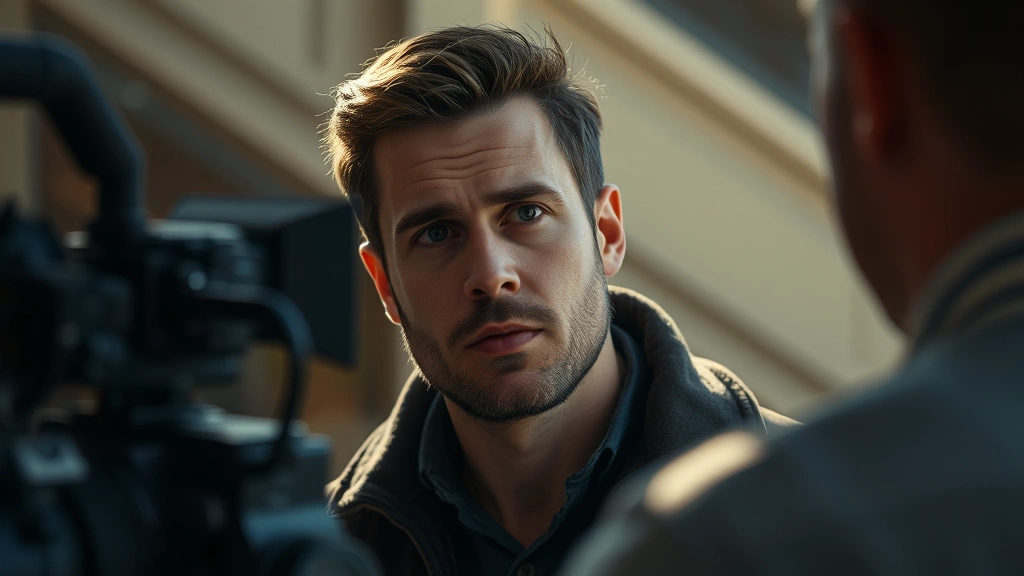
Robin Lord Taylor’s Impact: Film & TV Insights
Robin Lord Taylor has emerged as one of contemporary television’s most compelling character actors, delivering performances that transcend typical genre boundaries and establish him as a versatile force in modern entertainment. From his breakout role as Oswald Cobblepot in Fox’s acclaimed series Gotham to his nuanced work across film and streaming platforms, Taylor has demonstrated an exceptional ability to inhabit complex, morally ambiguous characters that resonate with audiences and critics alike. His career trajectory reveals important insights about character-driven storytelling, the evolution of superhero narratives, and how streaming platforms have transformed opportunities for established actors.
The landscape of television and film has fundamentally shifted over the past decade, with platforms like Netflix, HBO Max, and specialized streaming services creating unprecedented opportunities for actors to showcase their range. Robin Lord Taylor’s career embodies this transformation, demonstrating how contemporary performers can build substantial careers by prioritizing meaningful character work over blockbuster visibility. His influence extends beyond individual performances, impacting how networks conceptualize villain-centric narratives and character complexity in prestige television.
The Gotham Years: Redefining Villain Narratives
When Robin Lord Taylor accepted the role of Oswald Cobblepot in Gotham, few anticipated that the character would become the emotional and narrative anchor of the entire series. Over five seasons, Taylor’s portrayal evolved from a scheming minor antagonist into the show’s most compelling and sympathetic figure, challenging traditional superhero television conventions. His performance demonstrated that villain-centric narratives could carry mainstream television audiences without relying on the protagonist’s heroic framework, a discovery that has influenced how networks approach character development in genre programming.
Taylor’s interpretation of Oswald Cobblepot distinguished itself through psychological depth and unexpected vulnerability. Rather than playing the character as a one-dimensional criminal mastermind, Taylor constructed a layered portrait of someone driven by abandonment trauma, desperate for recognition, and capable of both ruthless ambition and genuine emotional connection. This approach transformed Gotham into a character study that explored how circumstances, family dysfunction, and societal rejection can shape criminal psychology. The performance earned Taylor critical recognition and established him as an actor capable of carrying substantial narrative weight.
The success of Taylor’s work on Gotham coincided with broader industry shifts toward morally complex television protagonists. Shows like Breaking Bad, Succession, and Peaky Blinders had already demonstrated audience appetite for flawed, sometimes villainous central characters. Taylor’s contribution to this movement proved particularly significant because it emerged within the superhero television space, traditionally more constrained by genre conventions. His five-season arc demonstrated that even within comic book adaptations, audiences would invest deeply in character development that prioritized psychological authenticity over action spectacle.
The commercial success of Gotham and Taylor’s central role in that success created opportunities across the entertainment industry. Production companies and streaming platforms recognized that established television actors with proven ability to carry emotionally complex narratives represented valuable assets for prestige programming. Taylor’s Gotham experience became a template for how networks could develop villain characters into audience favorites, influencing casting decisions and narrative structures across multiple platforms.
Film Work and Versatility Beyond Television
While television audiences primarily know Robin Lord Taylor through his extended television roles, his film work reveals an actor committed to exploring diverse genres and character types. His filmography demonstrates strategic choices designed to expand his range and work with accomplished directors across multiple mediums. This film work represents an important counterbalance to his television presence, showcasing his ability to function effectively within different storytelling frameworks and production scales.
Taylor’s film appearances have included roles in psychological thrillers, independent dramas, and mainstream genre pictures. These performances, while sometimes brief relative to his television work, showcase his ability to make immediate character impressions and work efficiently within condensed shooting schedules. His film roles often emphasize psychological complexity and interpersonal tension, consistent with his television choices but adapted to cinema’s different rhythms and visual language.
The relationship between Taylor’s television and film work illustrates contemporary actor strategy in an era of expanded content creation. Rather than viewing television and film as competitive or hierarchical mediums, successful contemporary actors like Taylor navigate both simultaneously, using each medium’s distinct advantages. Television provides extended character development and sustained audience connection, while film offers different creative challenges and broader theatrical visibility. Taylor’s balanced approach between both mediums has contributed to his career longevity and industry reputation.
For actors seeking to understand contemporary career management, Taylor’s approach offers instructive lessons. By maintaining presence across multiple platforms and mediums, performers reduce dependence on any single project or network. This diversification strategy becomes particularly important in an industry where individual show cancellations or platform changes can dramatically impact career momentum. Taylor’s consistent work across television, film, and streaming demonstrates how deliberate career navigation can sustain professional success across industry transformations.
Understanding how to become a film critic requires familiarity with actors like Taylor whose careers span multiple mediums, as contemporary criticism must address performance quality across diverse contexts and platforms. Taylor’s work provides substantial material for analysis of how actors adapt their techniques to different production scales and narrative structures.
Streaming Era Performances and Platform Strategy
The emergence of streaming platforms as primary content producers has dramatically expanded opportunities for established television actors. Robin Lord Taylor’s work in the streaming era demonstrates how performers with strong television credentials can leverage that experience into prestige streaming projects. His involvement with platforms like Netflix, HBO Max, and specialized streaming services reflects broader industry trends toward consolidating entertainment production around digital distribution models.
Streaming platforms have created distinct advantages for character-driven performers. Unlike traditional television networks constrained by advertising models and demographic targeting, streaming services invest heavily in complex character narratives designed to appeal to sophisticated audiences. Taylor’s experience with psychologically intricate characters positions him ideally for this content ecosystem. His performances for streaming platforms often emphasize the kind of nuanced character work that distinguishes prestige streaming content from mainstream broadcast television.
The platform shift has also influenced how actors approach role selection and career development. Streaming services prioritize global appeal and international distribution, creating opportunities for performers to reach audiences beyond traditional domestic markets. Taylor’s streaming work expands his visibility internationally, introducing his performances to audiences who may not have engaged with his television roles. This global reach represents a significant advantage for contemporary actors compared to previous generations whose careers remained largely confined to domestic markets.
When exploring best movies on Netflix, viewers increasingly encounter performances from established television actors like Taylor who have transitioned into streaming platforms. This crossover reflects how streaming services actively recruit talent with proven audience appeal and critical credibility. Taylor’s presence in streaming content validates the platform’s investment in quality programming and attracts audiences familiar with his previous work.
The economic models supporting streaming platforms have also influenced casting strategies. Unlike traditional television networks requiring consistent ratings performance, streaming services evaluate success through subscriber acquisition and retention metrics that value content prestige alongside viewership numbers. This framework creates opportunities for character-driven performances that might struggle with traditional broadcast metrics but generate substantial critical acclaim and awards recognition. Taylor’s work exemplifies how streaming economics have expanded space for nuanced, complex character work.
Character Analysis and Acting Methodology
Robin Lord Taylor’s performances consistently demonstrate sophisticated understanding of character psychology and emotional motivation. His approach to character development involves extensive preparation, psychological research, and collaborative work with directors to construct multidimensional portrayals. Analyzing Taylor’s methodology provides insights into contemporary acting practices and how professional performers approach complex character work.
Taylor’s preparation process typically involves psychological research into character motivations, trauma histories, and interpersonal relationship dynamics. For roles like Oswald Cobblepot, this research extended to studying criminal psychology, family dysfunction patterns, and how social rejection shapes personality development. This evidence-based approach to character construction distinguishes Taylor’s work from performances based primarily on surface characteristics or external mannerisms. His commitment to psychological authenticity creates performances that resonate emotionally because they feel psychologically truthful.
The collaborative relationship between actors and directors significantly impacts performance quality. Taylor has worked with accomplished television and film directors who prioritize character development and psychological realism. These collaborations have shaped his understanding of how directorial vision influences character interpretation. His willingness to engage deeply with directors’ perspectives while maintaining his own character insights demonstrates professional maturity and collaborative commitment essential for sustained career success.
Taylor’s work also reflects contemporary acting theory emphasizing emotional authenticity and vulnerability. Rather than relying on technical performance tricks or external character affectations, his approach prioritizes genuine emotional connection to character circumstances. This methodology requires actors to access their own emotional resources and psychological understanding, creating performances that feel deeply authentic. Audiences respond to this authenticity because it registers as emotionally honest regardless of narrative context.
For aspiring performers, Taylor’s methodology offers instructive lessons about character-driven acting. His success demonstrates that detailed character research, psychological depth, and collaborative engagement with creative teams produces performances that resonate critically and commercially. His approach contradicts assumptions that entertainment success requires either star power or physical attractiveness, proving instead that exceptional character work can sustain substantial careers.

Industry Impact and Career Longevity
Robin Lord Taylor’s career demonstrates how character actors can achieve sustained success and industry respect without necessarily becoming household names. His influence within the entertainment industry extends beyond individual performances to impact how networks and studios conceptualize character development, villain narratives, and long-form storytelling. Understanding Taylor’s industry impact requires examining how his work has influenced broader production practices and creative decision-making across multiple platforms.
The critical and commercial success of Gotham established Taylor as a bankable talent capable of carrying substantial narrative weight. This credibility opened opportunities across multiple platforms and production scales. Networks and studios recognize that Taylor’s involvement signals commitment to character-driven storytelling and quality production. His reputation for delivering psychologically nuanced performances has made him valuable for prestige projects seeking to distinguish themselves through character authenticity.
Taylor’s career longevity in an industry characterized by rapid personnel changes reflects his consistent delivery of quality work and professional reliability. Production teams recognize that casting Taylor ensures access to an actor who will engage deeply with character development, collaborate effectively with creative leadership, and deliver performances that enhance overall project quality. This professional reputation, built through years of consistent work, represents substantial career capital that insulates performers from industry volatility.
The industry also values Taylor’s genre flexibility. While he has achieved particular recognition within superhero television, his work spans psychological thrillers, independent dramas, and diverse character types. This flexibility makes him valuable for diverse projects and reduces dependence on any single genre or narrative type. Actors whose careers become too narrowly defined risk obsolescence when industry trends shift; Taylor’s deliberate genre diversity protects against this vulnerability.
Contemporary industry discussions about representation and diversity have also highlighted Taylor’s significance. His success as a character actor who prioritizes psychological depth over traditional leading-man aesthetics challenges narrow industry assumptions about what constitutes valuable talent. His career demonstrates that audiences value character authenticity and emotional complexity more than physical conformity to conventional standards. This shift has broader implications for casting practices and how the industry evaluates performer value.
Notable Roles and Career Highlights
Examining Robin Lord Taylor’s most significant roles provides concrete examples of his range and the types of characters that best utilize his particular talents. These roles collectively demonstrate his ability to function effectively across diverse narrative contexts while maintaining commitment to psychological authenticity and character depth.
Oswald Cobblepot in Gotham (2015-2019) remains Taylor’s most prominent and critically acclaimed role. His five-season portrayal of the character evolved from minor antagonist to series centerpiece, demonstrating his ability to carry substantial narrative weight and sustain audience engagement across extended storytelling arcs. The role earned Taylor critical recognition and established him as a performer capable of transforming traditional villain characters into complex protagonists.
Perry White in Superman & Lois showcases Taylor’s ability to function within ensemble casts and support more conventionally heroic narratives. His portrayal of the Daily Planet editor balances authority with vulnerability, creating a character who functions effectively as mentor, antagonist, and occasional ally depending on narrative context. This role demonstrates his flexibility within superhero television beyond his Gotham experience.
Film roles across psychological thrillers and independent dramas have expanded Taylor’s visibility beyond television audiences. While sometimes less prominent than his television work, these performances demonstrate his ability to work efficiently within film production rhythms and contribute meaningfully to diverse narrative projects. His film work collectively demonstrates commitment to character-driven storytelling across multiple mediums.
Taylor’s career highlights also include award recognition and critical acknowledgment of his contributions to television performance. While he may not have achieved the household-name status of certain other television actors, his work has earned respect within industry circles and among audiences who prioritize character authenticity and psychological complexity. This recognition, though perhaps less visible than mainstream celebrity status, represents substantial industry respect and creative credibility.
The trajectory from Gotham to subsequent roles demonstrates how successful television performances can generate opportunities across diverse projects. Taylor’s Gotham success didn’t limit him to villain roles or superhero narratives; instead, it established his credibility as a performer worth investing in across multiple contexts. This demonstrates the career-building value of delivering exceptional work within high-profile projects.

Understanding Robin Lord Taylor’s career within broader entertainment industry trends requires attention to how streaming platforms have democratized content creation and expanded opportunities for character-driven performers. Traditional broadcast television’s limited slots created intense competition for visible roles, often favoring conventionally attractive performers or those with existing star power. Streaming platforms’ expanded content production has created more opportunities for performers like Taylor whose talents emphasize character depth rather than conventional leading-man status.
The ScreenVibe Daily Blog frequently examines how contemporary actors navigate career development across multiple platforms, reflecting industry trends Taylor’s career exemplifies. His strategic navigation of television, film, and streaming work provides case study material for understanding contemporary performer success strategies.
Research from Pew Research Center on media consumption patterns demonstrates how streaming platform adoption has fragmented audiences and created niche content opportunities. Taylor’s work across multiple streaming services reflects how contemporary performers must maintain visibility across diverse platforms rather than relying on single-network prominence.
Analysis from The Hollywood Reporter and other entertainment industry publications frequently documents how character actors like Taylor have benefited from streaming platform expansion. Industry reporting consistently highlights how platforms prioritize character-driven content and invest in performers with strong reputations for character work.
The evolution of Robin Lord Taylor’s career also reflects broader shifts in television storytelling toward morally complex protagonists and villain-centric narratives. Variety‘s analysis of contemporary television trends frequently references how shows like Gotham demonstrated audience appetite for character-driven narratives centered on morally ambiguous figures. Taylor’s performance proved instrumental in this cultural shift.
For those interested in exploring diverse film and television options, resources like 123 Movies – Free Online Movie Streaming provide access to extensive content libraries including many projects featuring Taylor’s work. These platforms have democratized access to entertainment content and expanded how audiences discover performers and projects.
FAQ
What are Robin Lord Taylor’s most famous roles?
Robin Lord Taylor is most recognized for his portrayal of Oswald Cobblepot in Gotham, a role that earned critical acclaim and established him as a major television talent. He has also appeared in Superman & Lois and various film and streaming projects that showcase his range as a character actor.
How did Robin Lord Taylor approach the Oswald Cobblepot character?
Taylor developed Oswald through extensive psychological research into trauma, criminal psychology, and family dysfunction. He constructed the character with psychological authenticity, focusing on emotional vulnerability and motivation rather than external villain characteristics. This approach transformed the character from a minor antagonist into the series’ emotional center.
What distinguishes Taylor’s performance style?
Taylor emphasizes psychological depth, emotional authenticity, and character research in his performances. He prioritizes understanding character motivation and trauma history, creating multidimensional portrayals that resonate emotionally with audiences. His approach contradicts assumptions that entertainment success requires conventional leading-man aesthetics.
How has streaming platform expansion influenced Taylor’s career?
Streaming platforms have created expanded opportunities for character-driven performers like Taylor. These platforms prioritize complex character narratives and prestige content, creating ideal contexts for his psychological approach to character work. Streaming expansion has allowed Taylor to maintain consistent work across diverse projects.
What can aspiring actors learn from Taylor’s career?
Taylor’s career demonstrates the value of character-driven acting, professional reliability, and genre flexibility. His success shows that sustained careers can be built through consistent delivery of quality character work rather than pursuing conventional star status. His approach emphasizes collaboration, character research, and emotional authenticity.
How does Taylor’s work compare to other character actors?
While many excellent character actors work in television and film, Taylor distinguishes himself through his commitment to psychological authenticity and his ability to sustain audience engagement across extended narrative arcs. His particular success in transforming villain characters into complex protagonists differentiates his contributions to contemporary television.
What future directions might Taylor’s career take?
Given his established credibility and demonstrated range, Taylor appears well-positioned for continued work across streaming platforms, prestige television, and film projects. His industry reputation suggests opportunities for increasingly prominent roles and potential involvement in high-profile streaming productions. His career trajectory suggests continued success in character-driven narratives.