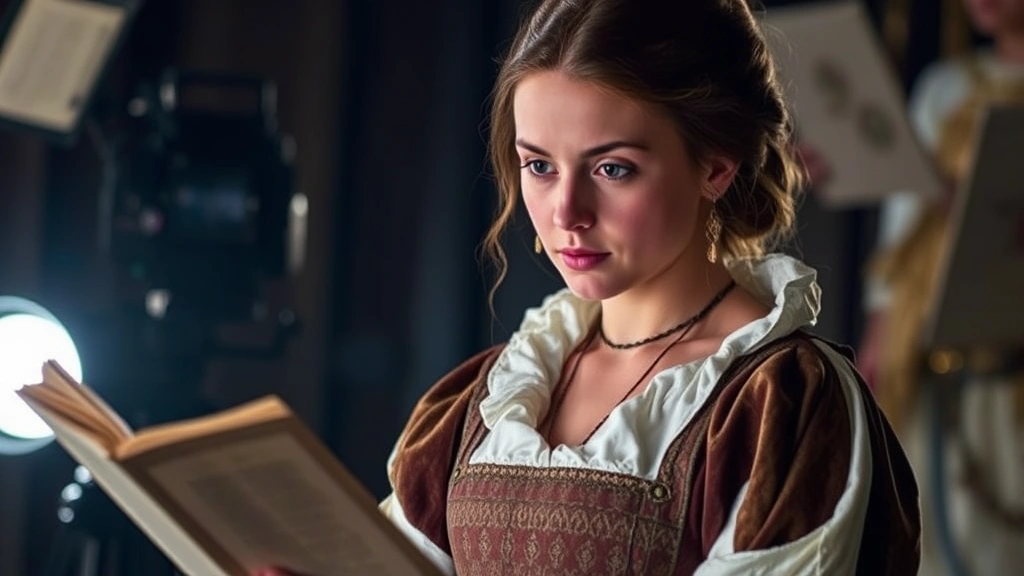
Who Starred in Romeo & Juliet 2013? Cast Insight
The 2013 adaptation of William Shakespeare’s timeless tragedy brought fresh energy to a centuries-old story, introducing the classic tale to a new generation of viewers. Directed by Carlo Carlei, this film reimagined the Verona conflict with a contemporary visual sensibility while maintaining the poetic language of the original text. The casting choices proved instrumental in bridging the gap between devoted Shakespeare enthusiasts and modern audiences seeking accessible yet authentic storytelling.
This particular version stood out among the numerous Romeo and Juliet adaptations by assembling a cast that balanced established talent with emerging stars. The production invested significantly in finding actors who could authentically deliver Shakespearean dialogue while conveying genuine emotional depth. Understanding who brought these iconic characters to life provides valuable insight into how contemporary filmmakers approach literary adaptations and what casting strategies resonate with audiences worldwide.
Lead Cast Members
Hailee Steinfeld took on the role of Juliet Capulet, marking a significant point in her career trajectory. At just 16 years old during filming, Steinfeld brought remarkable maturity to Shakespeare’s most famous teenage character. Her previous work in True Grit had already demonstrated her capacity to handle complex emotional material, and she applied that same intensity to Juliet’s journey from innocent youth to passionate lover willing to defy her entire family.
Steinfeld’s interpretation emphasized Juliet’s intelligence and agency. Rather than portraying her as merely swept away by romance, the actress highlighted the character’s deliberate choices and emotional sophistication. Her delivery of Juliet’s soliloquies felt intimate and immediate, creating a connection with viewers that transcended the formal language. The actress spent considerable time preparing for the role, studying the text extensively and working with dialect coaches to ensure her performance honored Shakespeare’s intentions while remaining accessible to contemporary audiences.
Douglas Booth embodied Romeo Montague opposite Steinfeld. The British actor brought a brooding intensity to the male lead, capturing Romeo’s passionate nature and impulsive decision-making. Booth’s background in classical theater provided him with the technical foundation necessary to navigate Shakespeare’s verse with confidence. His chemistry with Steinfeld became central to the film’s emotional core, as their scenes together carried genuine tension and romantic vulnerability.
Booth’s Romeo demonstrated the character’s mercurial nature—his quick transitions from lovesick despair over Rosaline to all-consuming passion for Juliet showcased the actor’s range. The performance avoided making Romeo seem merely foolish, instead presenting him as a young man experiencing the overwhelming intensity of first love. This nuanced approach helped audiences understand why these characters would risk everything for each other, even while recognizing the tragedy of their impulsive choices.
Damian Lewis portrayed Lord Capulet, bringing gravitas and complexity to Juliet’s father. Lewis’s established reputation in serious dramatic roles lent weight to the Capulet patriarch. His performance captured the character’s internal conflict between parental affection and patriarchal authority, making Lord Capulet sympathetic even as his actions drive the tragedy forward. This casting choice elevated the film’s thematic exploration of family obligation versus personal happiness.
The supporting cast included seasoned performers who elevated every scene. Lesley Manville as Lady Capulet provided maternal warmth and concern, while Paul Giamatti delivered a memorable turn as the Apothecary, injecting unexpected humanity into a traditionally minor role. These supporting performances created a fully realized world where the central tragedy felt earned rather than arbitrary.
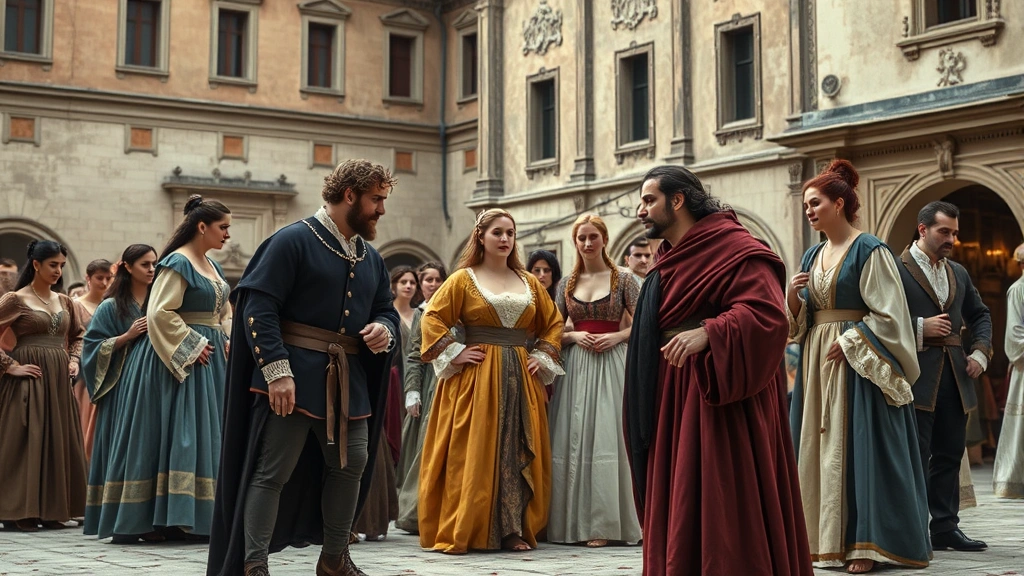
Supporting Characters
Tom Hiddleston commanded attention as Tybalt Capulet, Juliet’s volatile cousin. Hiddleston’s casting brought star power and acting credibility to a role that could easily become one-dimensional. His Tybalt emerged as more than simply an antagonist—the actor portrayed him as a man bound by honor codes and family loyalty, making his conflict with Romeo feel inevitable rather than contrived. Hiddleston’s physicality and intensity made Tybalt’s fights genuinely menacing.
Luke Evans appeared as Paris, the nobleman seeking Juliet’s hand. Evans brought charm and earnestness to the character, avoiding the trap of making Paris a simple comic foil. Instead, his portrayal suggested a genuinely decent man caught in circumstances beyond his control. This interpretation deepened the tragedy by showing that multiple characters suffer consequences from the family feud.
Nonso Anozie took on the role of Balthazar, Romeo’s servant. Anozie’s presence throughout the film provided grounding and emotional resonance, particularly in scenes depicting the servant’s loyalty and helplessness in the face of tragedy. The casting brought dignity to what could have been a minor role, emphasizing the ripple effects of the central conflict on all social levels.
Stellan Skarsgård and Franco Nero played the feuding patriarchs—Lord Montague and Prince Escalus respectively. Skarsgård brought weary frustration to Montague, while Nero’s Prince delivered measured authority. These veteran actors grounded the political and social dimensions of the story, reminding viewers that the tragedy extended beyond the young lovers to encompass entire families and the state itself.
The Nurse, traditionally a comedic character, was portrayed with surprising depth by the supporting cast. This character served as Juliet’s closest confidante and surrogate mother, making her scenes carry substantial emotional weight. The casting decisions throughout reflected a commitment to treating every role with respect and complexity.
Director’s Vision and Casting Strategy
Director Carlo Carlei’s approach to casting emphasized finding actors who understood Shakespeare’s language rather than simply recognizing famous names. While the production did include established stars, the selection process prioritized those with classical training or demonstrated ability to navigate period dialogue. This strategy ensured consistency across the ensemble, creating a cohesive artistic vision rather than a collection of individual performances.
Carlei’s background in European cinema influenced his casting choices. He sought actors with continental sensibilities who could bring emotional authenticity to heightened dramatic material. The director spent considerable time in rehearsals, working with the cast to develop their interpretations and ensure they connected with the material on profound levels. This preparation phase proved crucial in elevating the performances above mere technical execution.
The decision to cast Hailee Steinfeld as Juliet represented a calculated risk. At the time, she was primarily known for her Oscar-nominated performance in True Grit, and many questioned whether she possessed the stature to carry a major Shakespeare adaptation. However, Carlei recognized in Steinfeld the combination of youth, intelligence, and emotional maturity that the role demanded. This choice demonstrated confidence in casting based on talent and suitability rather than marquee value alone.
The production also prioritized finding actors whose real-life chemistry could translate to screen. Steinfeld and Booth underwent extensive chemistry reads and rehearsals before the production began filming. This investment in preparation paid dividends in their on-screen relationship, which became the film’s emotional foundation. Modern filmmaking increasingly recognizes that casting choices impact not just individual performances but the entire narrative’s resonance with audiences.
Carlei’s vision extended to how he used the supporting cast to comment on the central tragedy. By casting respected actors in roles traditionally treated as minor, he elevated the entire production’s thematic weight. The ensemble approach suggested that the Romeo and Juliet tragedy wasn’t simply a story about two individuals but rather a community-wide catastrophe resulting from systemic conflict.
Performance Analysis
The 2013 Romeo and Juliet benefited from a cast committed to balancing Shakespearean authenticity with contemporary emotional accessibility. Steinfeld’s Juliet navigated the character’s transformation from obedient daughter to independent woman with impressive nuance. Her famous balcony scene felt neither overwrought nor detached—instead, it captured the genuine wonder and vulnerability of discovering profound love. The actress’s ability to make Shakespearean language feel natural elevated the entire production’s credibility.
Booth’s Romeo complemented Steinfeld’s approach by emphasizing the character’s impulsivity and emotional volatility. Rather than playing Romeo as a romantic hero, Booth portrayed him as a young man whose passion frequently overrides his judgment. This interpretation made the character’s tragic choices feel psychologically coherent rather than merely plot-driven. The actor’s work in the final tomb scene particularly demonstrated his range, conveying desperation, grief, and ultimate despair with devastating effectiveness.
The supporting cast’s commitment to the material enriched every scene. Giamatti’s Apothecary, though appearing briefly, delivered a performance that suggested an entire life of quiet desperation. His reluctant participation in Romeo’s plan created moral complexity that elevated the film beyond simple melodrama. Similarly, Hiddleston’s Tybalt became a tragic figure whose adherence to honor codes and family loyalty made his death feel genuinely consequential rather than simply plot mechanics.
Lewis’s Lord Capulet demonstrated how strong casting in supporting roles strengthens the entire narrative. His scenes with Steinfeld revealed the painful gap between parental love and patriarchal control. The actor conveyed Capulet’s genuine affection for his daughter alongside his inability to transcend the social structures that demand her obedience. This complexity made the tragedy feel rooted in genuine human conflict rather than arbitrary circumstances.
The ensemble’s commitment to treating Shakespeare’s language with respect rather than irony or camp elevated the entire production. Contemporary Shakespeare adaptations often struggle with balancing period authenticity and modern accessibility, but this cast found a middle ground where the formal language served the emotional truth of the story. Their performances demonstrated that Shakespearean dialogue, when delivered with genuine feeling, communicates directly to contemporary audiences regardless of linguistic distance.
Cultural Impact and Reception
The 2013 Romeo and Juliet casting choices influenced how subsequent Shakespeare adaptations approached talent selection. The film demonstrated that investing in emerging talent like Steinfeld could yield fresh interpretations while established performers like Giamatti and Hiddleston could elevate supporting material. This balanced approach became a template for literary adaptations seeking to appeal to both classical literature enthusiasts and mainstream audiences.
The film’s reception revealed interesting patterns about contemporary audiences’ expectations for Shakespeare adaptations. Critics who appreciated the cast’s commitment to the material responded positively to the production, while those seeking more radical reinterpretation found it somewhat traditional. This divergence suggested that casting choices significantly impact how audiences receive and interpret classical material.
Steinfeld’s performance particularly resonated with younger viewers, demonstrating that age-appropriate casting for roles like Juliet could enhance audience connection. Her interpretation showed that Shakespeare’s characters could feel genuinely contemporary when portrayed by actors who understood modern emotional expression while respecting the text’s language and structure.
The production’s international cast reflected modern filmmaking’s global scope. While the story remained firmly rooted in Renaissance Italy, the actors brought diverse backgrounds and training methodologies to their roles. This international dimension enriched the production, suggesting that Shakespeare’s themes transcend national boundaries and cultural specificity. The cast’s varied approaches to the material created productive tensions that enhanced the overall artistic vision.
Looking at contemporary best movies based on books reveals how significantly casting influences adaptation success. The 2013 Romeo and Juliet demonstrated that thoughtful casting decisions—balancing star power, classical training, and emotional authenticity—create productions that honor source material while achieving contemporary relevance. This approach has become increasingly central to how filmmakers approach literary adaptations.
The film’s cast also demonstrated the importance of understanding that Shakespeare remains fundamentally about human emotion and conflict. Regardless of period setting or linguistic formality, audiences connect with performances that convey genuine feeling. The 2013 production’s success derived largely from assembling actors who understood this fundamental truth and committed to expressing Shakespeare’s emotional core through authentic performance.
For those interested in how professional critics evaluate such performances, exploring best movie review sites provides comprehensive perspectives on how the production was received across different critical traditions. Different reviewers emphasized different aspects of the casting and performances, reflecting broader debates about how to approach classical material in contemporary cinema.
The production’s approach to casting influenced subsequent Shakespeare film projects, suggesting that investing in actor preparation and ensemble cohesion yields superior results. Rather than treating Shakespeare adaptations as vehicles for star vehicles, the film demonstrated that genuine artistic commitment from the entire cast creates productions that resonate across diverse audiences. This casting philosophy has become increasingly influential in how major studios approach literary adaptations generally.
Additionally, exploring ScreenVibeDaily Blog offers ongoing analysis of how casting choices continue influencing film production and audience reception. The principles evident in the 2013 Romeo and Juliet casting remain relevant to contemporary filmmaking, as producers continue grappling with questions about balancing authenticity, accessibility, and artistic vision in literary adaptations.
The film’s cast also contributed to broader conversations about how contemporary actors approach classical material. How to become a film critic examines these evaluative frameworks, helping audiences understand what distinguishes successful from unsuccessful performances in Shakespeare adaptations. The 2013 production provided compelling case studies in effective casting and performance across multiple dramatic registers.
For those seeking additional context about the film and its production, accessing Movies HD provides opportunities to experience the film directly and form personal assessments of the cast’s work. Direct engagement with performances often reveals dimensions that critical analysis cannot fully capture, allowing viewers to appreciate how individual casting choices contributed to the overall artistic achievement.
FAQ
Who played Romeo in the 2013 Romeo and Juliet film?
Douglas Booth portrayed Romeo Montague in the 2013 adaptation directed by Carlo Carlei. The British actor brought emotional intensity and classical training to the role, creating a Romeo who felt both romantically passionate and psychologically complex. Booth’s performance emphasized the character’s impulsivity and the tragic consequences of his hasty decisions.
Was Hailee Steinfeld the right choice for Juliet?
Most critics and audiences agreed that Hailee Steinfeld’s casting as Juliet proved inspired. At 16 during filming, she possessed the youth appropriate for the character while demonstrating the emotional maturity necessary to convey Juliet’s intelligence and agency. Her background in serious dramatic roles provided the foundation for navigating Shakespeare’s language authentically, and her chemistry with Douglas Booth elevated the central relationship.
How did the supporting cast enhance the production?
The supporting cast’s quality significantly elevated the entire film. Actors like Paul Giamatti, Tom Hiddleston, Damian Lewis, and Stellan Skarsgård brought considerable talent to their roles, treating even minor characters with respect and complexity. This ensemble approach created a fully realized world where the central tragedy felt rooted in genuine human conflict rather than arbitrary plot mechanics.
What made this version of Romeo and Juliet different from previous adaptations?
The 2013 adaptation distinguished itself through its commitment to treating Shakespeare’s language as genuinely contemporary rather than archaic. Director Carlo Carlei’s casting choices emphasized actors who understood the text’s emotional core, creating performances that felt immediate and authentic. The film’s visual style also brought fresh energy while maintaining respect for the source material’s period setting and thematic concerns.
Did the film’s cast receive critical recognition?
While the film received mixed overall reviews, critics frequently praised the cast’s performances. Steinfeld’s Juliet particularly earned recognition for bringing depth and authenticity to the role. The ensemble’s commitment to the material demonstrated that strong casting and dedicated performance could elevate Shakespeare adaptations regardless of other production elements.
How did this film influence subsequent Shakespeare adaptations?
The 2013 Romeo and Juliet demonstrated that investing in emerging talent alongside established performers could create compelling Shakespeare adaptations. The film’s success influenced how subsequent productions approached casting, emphasizing the importance of actor preparation, ensemble cohesion, and commitment to treating classical material with both respect and contemporary accessibility. The production became a reference point for discussing how to successfully adapt Shakespeare for modern audiences.