Top Samurai Movies: Expert’s Curated List of Essential Cinema
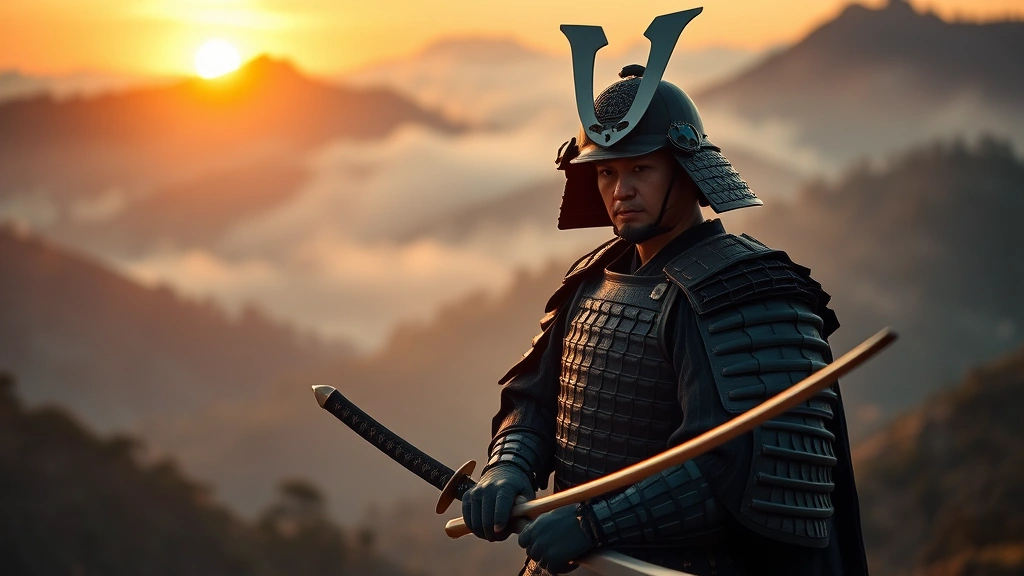
The samurai film genre stands as one of cinema’s most influential and artistically significant traditions, originating in Japan and evolving into a global phenomenon that continues to captivate audiences. From the philosophical depth of Akira Kurosawa’s masterworks to contemporary reinterpretations, samurai movies explore timeless themes of honor, loyalty, mortality, and the clash between tradition and modernity. These films transcend mere action spectacles, offering profound meditations on warrior culture, redemption, and the human condition that resonate across cultural boundaries.
Whether you’re a devoted cinephile seeking to explore the genre’s foundational works or a casual viewer interested in discovering compelling narratives set within feudal Japan’s warrior code, this curated selection represents the pinnacle of samurai cinema. We’ve analyzed decades of filmmaking to identify the movies that define the genre, influence contemporary storytelling, and deserve a place in any serious film enthusiast’s collection. Our expertise draws from extensive research into film criticism, historical accuracy, artistic merit, and cultural impact to bring you this definitive guide.

The Golden Age of Samurai Cinema
The samurai film genre emerged during Japan’s post-war period, serving as a crucial vehicle for exploring national identity, cultural values, and historical consciousness. Beginning in the 1950s, filmmakers discovered that samurai narratives could address contemporary anxieties while maintaining connection to Japan’s feudal heritage. This era witnessed an unprecedented creative explosion, with studios producing hundreds of samurai films that ranged from intimate character studies to large-scale historical epics.
The 1950s and 1960s represented samurai cinema’s true golden age, when directors achieved perfect balance between artistic ambition and commercial appeal. These films weren’t merely entertainment; they functioned as cultural commentaries on duty, sacrifice, and the individual’s place within society. Many explored the samurai code of bushido—the warrior’s path emphasizing loyalty, honor, and acceptance of death. The genre’s philosophical dimensions attracted serious critics and scholars, elevating samurai movies beyond typical action fare into the realm of legitimate artistic expression.
During this period, studios invested heavily in period-accurate costumes, set design, and choreography that elevated production values significantly. The influence of traditional Japanese theater, particularly Kabuki and Noh, informed visual storytelling and performance styles. Actors underwent rigorous training to authentically portray warrior techniques and movement patterns. This commitment to authenticity created an immersive experience that transported audiences to historical Japan while exploring universal human themes. You can explore more about contemporary film analysis to understand how historical cinema continues influencing modern storytelling.
Kurosawa’s Legendary Contributions
Akira Kurosawa stands as samurai cinema’s most celebrated auteur, fundamentally reshaping how filmmakers worldwide approach the genre. His influence extends far beyond Japan’s borders, inspiring everyone from George Lucas to Martin Scorsese. Kurosawa’s films demonstrated that samurai narratives could achieve profound philosophical depth while maintaining visual spectacle and emotional resonance. His directorial vision established conventions that filmmakers still follow today.
Rashomon (1950) revolutionized narrative structure by presenting the same event from multiple contradictory perspectives, challenging viewers to question truth and perception. Though not exclusively a samurai film, it features samurai characters and established Kurosawa’s reputation for innovative storytelling. Seven Samurai (1954) represents perhaps cinema’s greatest ensemble film, telling the story of seven warriors hired to defend a village from bandits. This nearly four-hour epic demonstrates Kurosawa’s mastery of character development, action choreography, and emotional pacing. The film’s influence on subsequent cinema proves incalculable—it inspired numerous remakes, including the American western The Magnificent Seven.
Sanjuro (1962) showcases Kurosawa’s action direction at its most dynamic, featuring sword combat sequences that influenced generations of filmmakers. The film’s final moments contain one of cinema’s most shocking moments, subverting audience expectations about samurai honor codes. Harakiri (1962), directed by Masaki Kobayashi rather than Kurosawa, represents the era’s other masterpiece, offering a devastating critique of samurai culture’s destructive aspects. These films established that samurai movies could function as serious artistic and philosophical endeavors.
Kurosawa’s late-period works, including Ran (1985), adapted Shakespeare’s King Lear into a sprawling Japanese historical epic. The film’s visual composition, use of color, and exploration of power, betrayal, and madness created a work that transcends its samurai setting to achieve universal significance. Kurosawa’s technical innovations—including his pioneering use of multiple cameras and dynamic editing—influenced how action sequences are filmed across all cinema. His commitment to authenticity, combined with artistic vision, established the standard for quality samurai filmmaking.
Essential Samurai Masterpieces
Beyond Kurosawa, numerous directors created samurai films of exceptional quality and lasting significance. Sword of Doom (1966), directed by Tatsuya Goto, presents a morally ambiguous protagonist—a samurai whose philosophical emptiness and nihilism set him apart from traditional honor-bound warriors. The film’s black-and-white cinematography, stark composition, and existential themes create a uniquely modern interpretation of samurai culture. This work influenced later neo-noir samurai films and demonstrated the genre’s capacity for psychological complexity.
Seppuku (1962), also known as Harakiri, demands repeated viewing to fully appreciate its layered narrative and thematic richness. Director Masaki Kobayashi constructs an intricate critique of samurai society through the story of a masterless warrior seeking employment. The film’s formal composition—with characters positioned within frame to emphasize isolation and powerlessness—creates visual poetry that reinforces thematic concerns. Its exploration of how rigid social codes destroy individual humanity remains profoundly relevant.
Sword of Vengeance (1972) and Lone Wolf and Cub series represent samurai cinema’s pulp tradition, combining exploitation elements with genuine artistic merit. These films feature visceral action sequences, complex moral ambiguity, and protagonists operating outside conventional society. The Lone Wolf and Cub films, adapted from manga, established that samurai stories could embrace stylization and genre conventions while maintaining emotional authenticity. Their influence on contemporary action cinema—from Kill Bill to John Wick—proves significant.
Kagemusha (1980), another Kurosawa masterpiece, explores identity and illusion through the story of a man forced to impersonate a deceased warlord. The film’s visual grandeur, use of color, and meditation on performance and reality create a work of considerable philosophical depth. When exploring high-definition samurai films, Kagemusha demonstrates how technical mastery serves artistic vision. The film’s influence on contemporary cinema—particularly in how directors approach historical epics—remains substantial.
Harakiri: Death of a Samurai (2011), Takashi Miike’s remake of Kobayashi’s classic, proves that samurai cinema remains vital and capable of fresh interpretations. Miike’s version emphasizes the psychological and emotional dimensions of the original while incorporating contemporary filmmaking techniques. The color cinematography, dynamic editing, and visceral action sequences create a work that honors its source material while establishing its own identity. This film demonstrates samurai cinema’s continued evolution and relevance to modern audiences.
Modern Interpretations and Revivals
Contemporary directors continue exploring samurai themes with renewed creativity and technical sophistication. 13 Assassins (2010), directed by Takashi Miike, presents a samurai film for modern audiences while maintaining respect for genre traditions. The film features an extended action sequence—a samurai battle spanning nearly forty minutes—that ranks among cinema’s greatest action set pieces. Miike’s energetic direction, clear character development, and thematic exploration of duty versus personal morality create a work that satisfies both traditional samurai enthusiasts and contemporary viewers seeking sophisticated entertainment.
Kill Bill Vol. 1 (2003), while not a traditional samurai film, demonstrates how Western filmmakers have absorbed and reinterpreted samurai cinema’s aesthetic and thematic concerns. Quentin Tarantino’s homage to Japanese action cinema, samurai sword fighting, and revenge narratives created a work that introduced samurai film conventions to global audiences. The film’s visual style, narrative structure, and philosophical concerns directly reference Kurosawa, Miike, and other samurai cinema masters. This cross-pollination between Japanese and Western cinema continues enriching both traditions.
The Last Samurai (2003), directed by Edward Zwick, represents Hollywood’s attempt to capture samurai cinema’s aesthetic while telling a story about cultural collision and personal redemption. Though criticized by some for its narrative perspective, the film demonstrates Western audiences’ appetite for samurai stories and samurai cinema’s global influence. Tom Cruise’s character undergoes transformation through exposure to samurai culture, echoing themes found in authentic samurai films about honor, discipline, and spiritual development.
Sword of Vengeance (2015) and Blade of the Immortal (2017) represent contemporary samurai cinema’s continued vitality. These films embrace stylization and genre conventions while exploring authentic emotional and philosophical concerns. Blade of the Immortal, directed by Takashi Miike and based on manga source material, features kinetic action sequences, complex characterization, and visual inventiveness that demonstrate samurai cinema’s capacity for evolution. When seeking complete samurai film experiences, modern interpretations offer fresh perspectives on timeless themes.
International Influence and Western Adaptations
Samurai cinema’s influence on global filmmaking proves immeasurable, extending far beyond Japanese productions. Western directors recognized that samurai narratives—with their exploration of honor, sacrifice, and individual agency within rigid social structures—possessed universal appeal. The genre’s visual language, philosophical depth, and action conventions influenced how filmmakers worldwide approach storytelling. This cross-cultural exchange enriched both samurai cinema and international filmmaking broadly.
The Magnificent Seven (1960) directly adapted Seven Samurai’s narrative structure to an American western setting, proving that samurai themes transcended cultural specificity. Director John Sturges maintained the original’s emphasis on character development, ensemble dynamics, and philosophical exploration of warrior codes. The film’s success demonstrated that samurai cinema’s appeal extended to Western audiences, encouraging further cross-cultural adaptations and reinterpretations. This remake established a template for how samurai narratives could be successfully translated to different cultural contexts.
Contemporary scholars and critics have extensively analyzed samurai cinema’s influence on action filmmaking, narrative structure, and visual storytelling. Research institutions studying media trends have documented how samurai films influenced action cinema’s evolution from the 1970s onward. Directors like John Woo, whose Hong Kong action films synthesized samurai cinema’s philosophy with contemporary action conventions, created new hybrid genres. This cross-pollination continues as contemporary filmmakers draw inspiration from samurai cinema’s formal innovations and thematic depth.
The influence extends to television, with series like Shogun and Killing Eve incorporating samurai cinema’s visual language and philosophical concerns. Streaming platforms have made samurai films more accessible globally, introducing new audiences to the genre’s classics while enabling contemporary creators to build upon established traditions. This democratization of access has revitalized interest in samurai cinema and encouraged new interpretations that respect genre conventions while pushing creative boundaries.
What Makes a Great Samurai Film
Analyzing the genre’s greatest works reveals consistent elements that distinguish exceptional samurai films from mere period pieces. Philosophical depth ranks foremost—the finest samurai films explore complex questions about duty, honor, mortality, and individual agency within constraining social structures. They don’t merely depict samurai as action heroes but examine the psychological and spiritual dimensions of warrior culture. This intellectual engagement elevates samurai cinema beyond entertainment into artistic expression worthy of serious critical consideration.
Authentic historical context matters considerably, though not in ways that sacrifice dramatic truth for factual accuracy. The best samurai films demonstrate respect for historical period while prioritizing emotional and thematic authenticity. Directors research costume, weaponry, architecture, and social customs meticulously, creating immersive environments that transport audiences. This commitment to authenticity extends to martial arts choreography, where fight sequences reflect actual samurai combat techniques rather than exaggerated Hollywood conventions.
Character development distinguishes great samurai films from competent ones. The genre’s finest works feature protagonists and supporting characters with psychological complexity, moral ambiguity, and compelling arcs. Rather than presenting simple heroes and villains, masterful samurai films acknowledge human complexity and the consequences of choices made within constraining social systems. Characters evolve through their experiences, facing dilemmas without clear solutions that force them to confront their fundamental values.
Visual mastery remains essential—samurai cinema’s greatest works demonstrate exceptional cinematography, composition, and editing that serve thematic concerns. Directors like Kurosawa and Miike use camera movement, framing, color, and editing rhythms to reinforce emotional and philosophical dimensions. Action sequences aren’t merely spectacular but choreographed to reveal character and advance narrative. This integration of form and content creates cinema that engages viewers intellectually and emotionally while satisfying desires for visual spectacle.
Respect for audience intelligence characterizes samurai cinema’s masterpieces. Rather than explaining themes explicitly or providing reassuring conclusions, great samurai films trust viewers to interpret ambiguous endings and complex moral situations. They assume audiences possess sufficient cultural knowledge and emotional sophistication to engage with challenging material. This respect for viewer intelligence creates works that reward repeated viewing and sustain critical discussion long after initial release.
For those interested in deepening their film analysis skills, exploring expert review resources provides valuable perspectives on evaluating cinema. Additionally, understanding film criticism methodology helps viewers develop sophisticated analytical frameworks. These resources complement your samurai film education by providing context for professional critical discourse.
Notable Performances and Acting Traditions
Samurai cinema features some of cinema’s greatest acting performances, with actors bringing profound emotional depth and physical authenticity to their roles. Tatsuya Nakadai emerged as the genre’s most celebrated actor, delivering career-defining performances in Harakiri, Sword of Doom, and Ran. His ability to convey complex inner lives through subtle expression and economical movement created characters of considerable psychological depth. Nakadai’s performances established that samurai films demanded serious dramatic acting rather than mere physical prowess.
Masaki Kobayashi and Shintaro Katsu brought different qualities to their roles, with Katsu’s portrayal of the blind swordsman Zatoichi creating one of cinema’s most iconic characters. Zatoichi’s films combined action, humor, and genuine pathos, demonstrating the genre’s capacity for tonal variety. Katsu’s performance—balancing vulnerability with devastating combat ability—created a character that transcended samurai cinema to achieve broader cultural significance.
Toshiro Mifune, Kurosawa’s frequent collaborator, embodied samurai cinema’s physical and emotional possibilities. His performances in Seven Samurai, Sanjuro, and other classics demonstrated how samurai films could feature protagonists of considerable charm, humor, and humanity alongside their warrior capabilities. Mifune’s screen presence and charisma made him samurai cinema’s first true international star, helping introduce the genre to Western audiences.
Samurai Cinema’s Thematic Concerns
Beyond surface narratives about sword fighting and feudal politics, samurai cinema consistently explores profound thematic territory. The tension between individual desire and social obligation appears repeatedly—characters must choose between personal happiness and duty to family, lord, or honor code. This conflict generates dramatic tension while raising questions about human agency and social constraint. The finest samurai films acknowledge that these dilemmas lack satisfying resolutions, forcing characters to accept tragic consequences of their choices.
Mortality and impermanence permeate samurai cinema, reflecting Buddhist philosophical influence. Characters confront death constantly, understanding that their lives might end suddenly through violence or ritual suicide. This awareness of mortality creates psychological urgency and philosophical gravity absent from many Western action films. Rather than treating death casually, samurai films explore how awareness of mortality shapes values, priorities, and ethical choices.
The erosion of traditional culture provides thematic material for numerous samurai films, particularly those set during Japan’s modernization periods. Directors explored how industrial society and Western influence threatened samurai culture and values. This anxiety about cultural preservation and change resonated with post-war Japanese audiences experiencing rapid modernization. The Last Samurai and other films addressing this theme demonstrate its continued relevance to contemporary audiences.
Building Your Samurai Film Collection
For viewers beginning their samurai cinema journey, starting with acknowledged masterpieces provides essential foundation. Seven Samurai remains the ideal entry point—its narrative clarity, character development, and entertainment value make it accessible to general audiences while its artistic merit satisfies serious film enthusiasts. Following with Harakiri and Sword of Doom exposes viewers to the genre’s philosophical depth and formal innovation.
Ran represents Kurosawa’s final masterpiece and demonstrates samurai cinema’s capacity for visual grandeur and thematic complexity. 13 Assassins offers contemporary filmmaking applied to traditional samurai themes, bridging classic and modern cinema. Blade of the Immortal showcases how manga adaptations bring stylization and genre inventiveness to samurai narratives.
Exploring memorable quotes from cinema reveals how samurai films have contributed iconic dialogue to film history. Many samurai films contain philosophical statements and memorable lines that encapsulate their thematic concerns, making them worthy of study beyond mere plot summary.
Resources like Criterion Collection have made numerous samurai classics available in restored versions with extensive supplementary materials. These releases provide optimal viewing experiences while offering critical context enhancing understanding. Film databases and rating platforms help identify acclaimed samurai films and connect with other enthusiasts. Japanese media sources provide cultural context and contemporary perspectives on samurai cinema’s significance.
FAQ
What is the best samurai movie for beginners?
Seven Samurai stands as the ideal introduction—it combines accessibility with artistic excellence, offering clear narrative while demonstrating why samurai cinema achieves such critical acclaim. Its ensemble structure, character development, and balance of action and philosophy make it engaging for all audiences.
Are samurai films only in Japanese?
While most classic samurai films are Japanese productions in Japanese language, numerous English-language films incorporate samurai themes and aesthetics. The Last Samurai, Kill Bill, and The Magnificent Seven demonstrate how samurai narratives transcend linguistic and cultural boundaries. However, experiencing original Japanese productions provides deepest engagement with the genre’s traditions.
What’s the difference between samurai and ninja films?
Samurai films focus on warriors serving feudal lords, emphasizing honor codes and open combat. Ninja films center on covert operatives using stealth and deception. While both explore Japanese warrior culture, they present fundamentally different character types and narrative approaches. Samurai films typically feature more philosophical depth, while ninja films emphasize action and espionage.
How long are typical samurai films?
Classic samurai films often exceed three hours—Seven Samurai runs nearly four hours, Ran exceeds three hours. These extended runtimes allow for character development, philosophical exploration, and meticulous action choreography. Contemporary samurai films typically run two to two-and-a-half hours, balancing traditional elements with modern pacing expectations.
Where can I watch samurai films?
Streaming services including criterion, specialty film platforms, and international cinema databases offer extensive samurai film selections. Physical media releases from Criterion Collection and other distributors provide optimal viewing experiences with supplementary materials. Library systems often maintain samurai film collections, providing free access to classic works.
What makes samurai cinema philosophically significant?
Samurai films explore fundamental questions about duty, honor, mortality, and individual agency within constraining social systems. They engage Buddhist and Shinto philosophical traditions while examining how rigid codes affect human psychology and relationships. This philosophical depth distinguishes samurai cinema from typical action entertainment, elevating it to serious artistic expression.