Stream Safely: Legal Alternatives to 123Movies
The digital streaming landscape has transformed dramatically over the past decade, yet illegal platforms like 123Movies continue to attract millions of users seeking free entertainment. However, the risks associated with unauthorized streaming—from malware infections to legal consequences—far outweigh the appeal of free content. This comprehensive guide explores why 123Movies and similar piracy sites pose genuine threats to your digital security and personal data, while introducing you to legitimate streaming alternatives that deliver quality entertainment without compromising your safety or supporting content theft.
The evolution of streaming services has democratized access to films and television shows, making legal viewing more affordable and convenient than ever before. Whether you’re interested in discovering the best movies on Netflix, exploring independent platforms, or understanding the broader media landscape, legitimate options now cater to virtually every budget and preference. Understanding these alternatives empowers you to make informed decisions about your viewing habits while protecting yourself from the serious consequences of piracy.
Why You Should Avoid 123Movies
123Movies operated as one of the largest illegal streaming platforms before its initial shutdown in 2018, yet mirror sites and successors continue operating under various domain names. The platform’s appeal is straightforward: it offered access to thousands of films and TV shows without subscription fees. However, this apparent convenience masks a complex web of legal, security, and ethical problems that affect not just individual users but the entire entertainment industry and digital ecosystem.
The platform’s business model depends entirely on copyright infringement, meaning every film available on 123Movies is being distributed without permission from studios, producers, or rights holders. This isn’t a gray area of media consumption—it’s straightforward theft of intellectual property. When you stream content from unauthorized sources, you’re participating in a supply chain that devalues creative work and undermines the financial models that enable filmmakers to continue producing quality content.
Beyond the ethical considerations, the practical consequences of using piracy platforms are severe and multifaceted. The operators of illegal streaming sites have no incentive to implement security measures that protect user data or device integrity. Instead, they actively monetize user traffic through advertising networks, data harvesting, and malware distribution. Your decision to visit 123Movies isn’t just about watching a movie—it’s about exposing your personal information and digital devices to sophisticated criminal operations.
Security and Privacy Risks
Research from Pew Research Center and digital security organizations consistently documents the malware risks associated with illegal streaming platforms. These sites employ multiple mechanisms to compromise user security:
- Drive-by malware downloads: Simply visiting 123Movies or related sites can trigger automatic malware installation without user action or awareness
- Deceptive advertising networks: Fake “play” buttons and misleading ads redirect users to malicious websites or initiate unwanted downloads
- Credential harvesting: Login pages designed to capture usernames and passwords for credential stuffing attacks
- Ransomware distribution: Sophisticated cybercriminals use piracy platforms as distribution channels for file-encrypting ransomware
- Spyware and tracking: Background processes monitor browsing habits, search queries, and personal information
The technical architecture of illegal streaming sites differs fundamentally from legitimate platforms. Legitimate services invest heavily in security infrastructure, encryption, and compliance with data protection regulations. They employ security teams dedicated to preventing unauthorized access and protecting user information. 123Movies and similar platforms have no such infrastructure—their technical foundation is deliberately designed to exploit users while evading law enforcement.
Your personal data becomes a commodity on illegal platforms. IP addresses, browsing patterns, device information, and any credentials you enter are harvested and sold to data brokers, used in identity theft schemes, or leveraged in targeted phishing campaigns. The anonymity that piracy platform operators claim to provide to users is largely fictional—their systems are designed to expose you while protecting themselves through distributed networks and cryptocurrency transactions.
Legal Implications of Piracy
While individual users face lower enforcement priority than platform operators, the legal risks of streaming pirated content remain significant and increasingly prosecuted. Copyright holders have shifted strategies in recent years, moving beyond targeting individual downloaders to focus on repeat infringers and those who facilitate distribution.
Several jurisdictions now hold ISPs responsible for monitoring user traffic and warning customers about piracy activities. In the United States, the DMCA (Digital Millennium Copyright Act) enables copyright holders to pursue civil damages ranging from $750 to $30,000 per work, with willful infringement penalties reaching $150,000 per work. International enforcement has similarly intensified, with countries like the United Kingdom, Australia, and Canada implementing increasingly strict penalties.
Beyond direct copyright litigation, using piracy platforms exposes you to secondary legal risks. If your connection is compromised through malware, your device could be enrolled in a botnet used for distributed denial-of-service attacks or cryptocurrency mining. You could unknowingly become liable for these activities. Additionally, if your identity is stolen through credentials harvested on piracy sites, you may face legal complications resolving fraudulent accounts or transactions.
The financial impact extends beyond potential fines. Insurance companies increasingly deny claims related to cybersecurity incidents originating from known piracy sites. If your device is compromised and you suffer financial losses, you may find your insurance coverage void because you violated terms by visiting unauthorized streaming platforms.
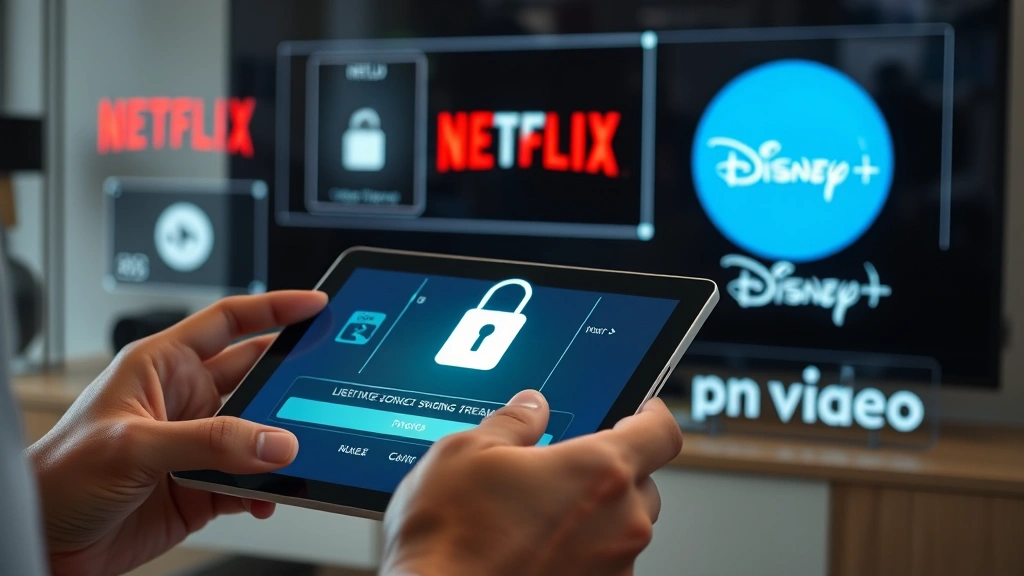
” alt=”Person streaming content on tablet with secure connection indicators and legitimate platform logos displayed”>
Legitimate Streaming Alternatives
The legitimate streaming market has expanded exponentially, offering options that rival or exceed piracy platforms in terms of content selection, video quality, and user experience. These services operate with proper licensing agreements, ensuring that creators receive compensation for their work and can continue producing quality content.
Modern streaming services employ sophisticated recommendation algorithms, high-definition and 4K streaming capabilities, offline viewing options, and features that illegal platforms cannot replicate. Beyond technical superiority, legitimate services offer legal protection—you can use them without fear of malware, legal action, or identity theft. The pricing models have become increasingly flexible, with many services offering free tiers, ad-supported options, and family plans that distribute costs across multiple users.
The diversity of legitimate platforms means you can find services tailored to specific interests. Whether you’re interested in classic cinema, international films, documentaries, or specific genres, specialized platforms cater to virtually every taste. Many services offer free trial periods, allowing you to explore content libraries before committing financially.
Free Legal Streaming Options
If cost is your primary concern with 123Movies, legitimate free options provide substantial content without subscription fees:
- Tubi: Supported by advertising, Tubi offers thousands of films across all genres, including recent releases and classic titles
- Pluto TV: Combines traditional television-style channels with on-demand content, all freely available
- Crackle: Features original content, movies, and TV shows in a free, ad-supported model
- Freevee: Amazon’s free streaming service with an extensive library and minimal advertising
- Kanopy: Often available free through public library memberships, offering curated films and documentaries
- Internet Archive: Provides access to thousands of classic and public domain films
- YouTube: Numerous films available free with ads, from studios and independent creators
- Plex: Combines free ad-supported content with personal media library management
These services generate revenue through advertising, partnerships, or institutional funding rather than user subscriptions. This model allows them to offer extensive content libraries without charging viewers, while still compensating creators. The advertising load is typically minimal—usually a few 30-second ads at the beginning of content—far less intrusive than traditional television.
Premium Subscription Services
For users willing to invest modest amounts in streaming, premium services offer unmatched content depth and viewing experience:
- Netflix: The platform leader with original content, global films, and comprehensive library organization
- Disney+: Extensive Disney, Pixar, Marvel, Star Wars, and National Geographic content
- Amazon Prime Video: Integrated with Prime membership, offering films, shows, and original productions
- Hulu: Current television episodes, extensive back catalog, and original series
- HBO Max/Max: Premium HBO content, Warner Bros. films, and acclaimed originals
- Paramount+: CBS shows, movies, and Paramount film library
- Apple TV+: Curated selection of original content and films
- Criterion Channel: Criterion Collection films with restorations and special features
When evaluated on a per-film basis, subscription services cost significantly less than traditional pay-per-view or theatrical viewing. A single Netflix subscription ($6.99-$22.99 monthly depending on plan) provides access to thousands of titles, resulting in per-film costs of mere cents when viewed over a month. Many services offer family or student discounts, further reducing individual costs.
Check out our guide on discovering the best movies on Netflix to maximize your subscription value. You can also explore movie review sites to identify quality content worth watching across platforms.
Ad-Supported and Hybrid Models
A growing segment of the streaming market combines free or low-cost access with advertising support, creating optimal balance between affordability and convenience:
Ad-Supported Tiers: Netflix, Disney+, Hulu, and Max now offer reduced-price plans with advertisements. These typically cost $3-$7 monthly, making them comparable to free illegal platforms while supporting creators and ensuring content quality. The advertising is often less intrusive than traditional broadcast television, typically 30-60 seconds per hour of content.
Freemium Models: Services like Peacock (NBC) and Paramount+ offer substantial free libraries with premium tiers for additional content. You can watch thousands of titles free while paying for premium features if desired.
Library Partnerships: Many services partner with public libraries, offering free or discounted access to patrons. Services like Hoopla, Kanopy, and Libby provide free streaming through library memberships, which are themselves free to residents in most communities.
These hybrid models eliminate the primary argument for piracy—that legal viewing is too expensive. For less than the cost of a single movie ticket, you gain access to entire libraries of content with full legal protection and security.
Choosing the Right Service for Your Needs
Selecting appropriate streaming services depends on your specific content preferences, budget, and viewing habits:
- Identify your content preferences: Do you prefer recent theatrical releases, classic films, international cinema, or specific genres? Different services specialize in different content types
- Research free trial periods: Most services offer 7-30 day free trials, allowing you to explore libraries before subscribing
- Calculate bundled costs: Many services offer package deals. Combining Disney+, Hulu, and ESPN+ costs less than individual subscriptions
- Check library access: Your public library likely offers free streaming services—begin there before paying for subscriptions
- Consider rotating subscriptions: Rather than maintaining multiple subscriptions simultaneously, rotate services monthly to explore diverse content while controlling costs
- Verify device compatibility: Ensure services support your preferred viewing devices (smart TV, tablet, phone, computer)
- Examine offline viewing: If you travel frequently, prioritize services offering offline download capabilities
For film enthusiasts interested in deeper analysis, our guide on how to become a film critic explores how to engage more critically with cinema across platforms. Additionally, our collection of famous movie quotes highlights cinematic excellence worth experiencing through legitimate channels.
Stay informed about streaming developments and recommendations by visiting the Screen Vibe Daily blog regularly, where we cover platform releases, content recommendations, and industry trends.

” alt=”Multiple streaming service logos displayed on smart TV screen with secure connection padlock symbol”>
FAQ
Is streaming from 123Movies illegal?
Yes, streaming copyrighted content from 123Movies and similar unauthorized platforms is illegal in most jurisdictions. While enforcement against individual users varies, copyright holders increasingly pursue civil legal action against repeat infringers. Beyond legal risks, these platforms expose you to severe security threats.
Can I get caught streaming from illegal sites?
While individual streaming users face lower enforcement priority than platform operators, detection is possible. Your ISP may monitor traffic, copyright holders employ tracking technology, and law enforcement agencies investigate large-scale piracy operations. More likely than legal action is compromised security—malware from piracy sites poses greater immediate risk than copyright enforcement.
What’s the cheapest legal way to stream movies?
Free ad-supported services like Tubi, Pluto TV, Crackle, and Freevee offer thousands of titles without cost. Additionally, check your public library for free access to services like Kanopy and Hoopla. If you can afford small amounts, ad-supported tiers on Netflix, Disney+, and Hulu cost $3-$7 monthly, making them as affordable as any paid option.
Why do people use 123Movies if it’s illegal?
The primary appeal is perceived convenience and cost savings. However, this overlooks that legitimate services now offer comparable convenience at similar or lower costs, while providing superior video quality, security, and legal protection. The risks of piracy far outweigh any perceived benefits.
Will my ISP know if I use 123Movies?
ISPs employ traffic monitoring systems that can identify piracy platform access. Many ISPs send warning notices to customers accessing known piracy sites. Some ISPs implement throttling or service restrictions for detected piracy activity. Additionally, your connection exposes you to malware that could compromise your device regardless of ISP monitoring.
Are there movie streaming services better than Netflix?
“Better” depends on your preferences. Disney+ offers superior content if you prefer family entertainment and franchises. HBO Max/Max provides premium cinema and acclaimed originals. Criterion Channel specializes in classic and art house films. Evaluate services based on your specific interests rather than seeking a single “best” option.
How can I watch movies for free legally?
Multiple legitimate free options exist: check your library for Kanopy, Hoopla, and other services; explore Tubi, Pluto TV, and Crackle; use free trials from Netflix, Disney+, and other services; search YouTube for free films; or access the Internet Archive’s public domain collection.
What happens if I download movies from 123Movies?
Downloading involves greater legal risk than streaming, as it creates a permanent copy and often triggers copyright holder detection systems. Additionally, downloads from piracy sites have extremely high malware infection rates. You expose yourself to both legal liability and severe security threats.


